 listicle
Common Plumbing Issues in Rentals: A Guide for Landlords and Tenants
Table of Contents
- The Most Common Plumbing Issues in Rental Properties
- Tenant vs. Landlord Plumbing Responsibility: Who Pays for What
- How to Report Plumbing Issues to Your Landlord
- Emergency Plumbing Repairs for Renters: What You Need to Know
- Preventing Common Plumbing Problems in Rental Units
- When to Call a Professional Plumber
- Frequently Asked Questions
Last Updated: August 30, 2026
The Most Common Plumbing Issues in Rental Properties
Rental properties face unique plumbing challenges. Tenants report problems, landlords scramble to find contractors, and water damage costs skyrocket while everyone debates responsibility. Understanding the most common plumbing issues isn't just about fixing leaks, it's about protecting your property, tenant relationships, and bottom line.
Most of these problems are predictable. When you know what to expect, you can catch issues before they become emergencies. At England's Plumbing & Heating, we've spent decades working with Chester County property owners managing rental units. Below, we'll walk you through the seven most common plumbing issues, what causes them, and how to address them before they spiral into costly repairs.
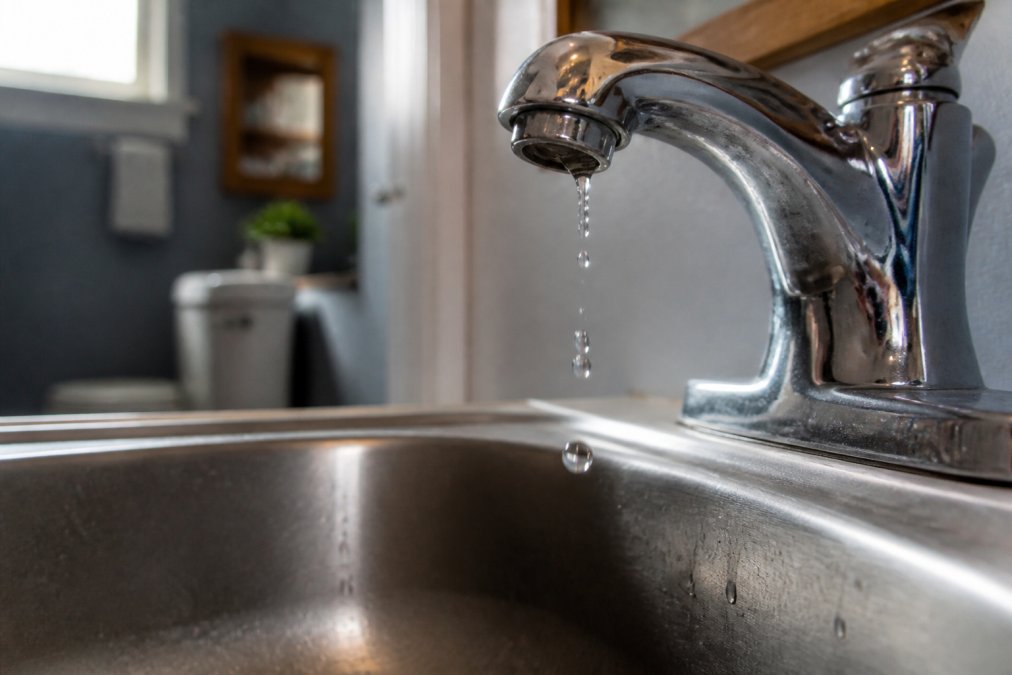
Leaky Faucets and Fixtures
A dripping faucet seems minor until you realize it wastes thousands of gallons yearly and drives your water bill up significantly (the EPA).
Leaky faucets happen because internal seals wear out. The washers, O-rings, or cartridges that control water flow degrade over time, especially with heavy use. Sometimes replacing a washer costs a few dollars; other times the valve seat is corroded and the entire faucet needs replacement.
The challenge is that tenants often don't report slow leaks immediately. By the time you discover it, months of water waste have accumulated. Regular inspections matter. Walk through units quarterly and listen for drips. Check under sinks for water stains or soft spots in cabinets, signs of slow leaks you can't hear.
DIY approach: For compression faucets (separate hot and cold handles), you can often fix a leak by replacing the washer. Cartridge faucets are trickier and usually require a professional.
Clogged Drains and Sinks
Hair, soap scum, food particles, and other debris eventually accumulate and block water flow. Clogged drains are the most frequent plumbing calls landlords make.
Slow drains signal early-stage blockages. Water pools in sinks or showers, drains sluggishly, or water backs up. If ignored, these become complete blockages. When multiple drains clog simultaneously, the blockage is usually in the main line.
Prevention is your best tool. Provide drain screens to catch hair and debris. Ask tenants to avoid pouring grease down drains. When clogs occur, enzymatic drain cleaners work well for organic buildup and are safer than harsh chemical cleaners. For stubborn clogs, a plunger usually works. For deeper blockages, you'll need a drain snake or professional help.
Running Toilets
A running toilet continuously flows into the bowl, wasting hundreds of gallons monthly and inflating your water bill.
The culprit is almost always the fill valve or flapper (the rubber seal at the tank bottom). When the flapper wears out, water leaks from the tank into the bowl, triggering the fill valve to keep refilling.
Fixing a running toilet is straightforward and inexpensive. Faucet repair kits from any hardware store include replacement flapper valves and fill valve components. Most landlords can handle this in under 30 minutes for under $20 in parts. Include toilet checks in regular inspections and listen for the fill valve cycling.
Low Water Pressure
Tenants complain that showers feel weak, faucets trickle, and filling a bathtub takes forever. Low water pressure can stem from several sources.
Mineral buildup in aerators (screens at faucet tips) is the most common cause in older rental properties. Hard water deposits restrict flow. Cleaning or replacing aerators usually solves the problem. For showerheads, soak them in white vinegar overnight to dissolve mineral deposits.
If low pressure affects the entire unit, the issue might be the main shut-off valve partially closed, a clogged water line, or municipal water supply problems. If only one fixture is affected, the problem is localized to that fixture. In rental properties, low pressure often indicates aging pipes with internal corrosion or mineral buildup, signaling potential future problems.
Water Heater Malfunctions
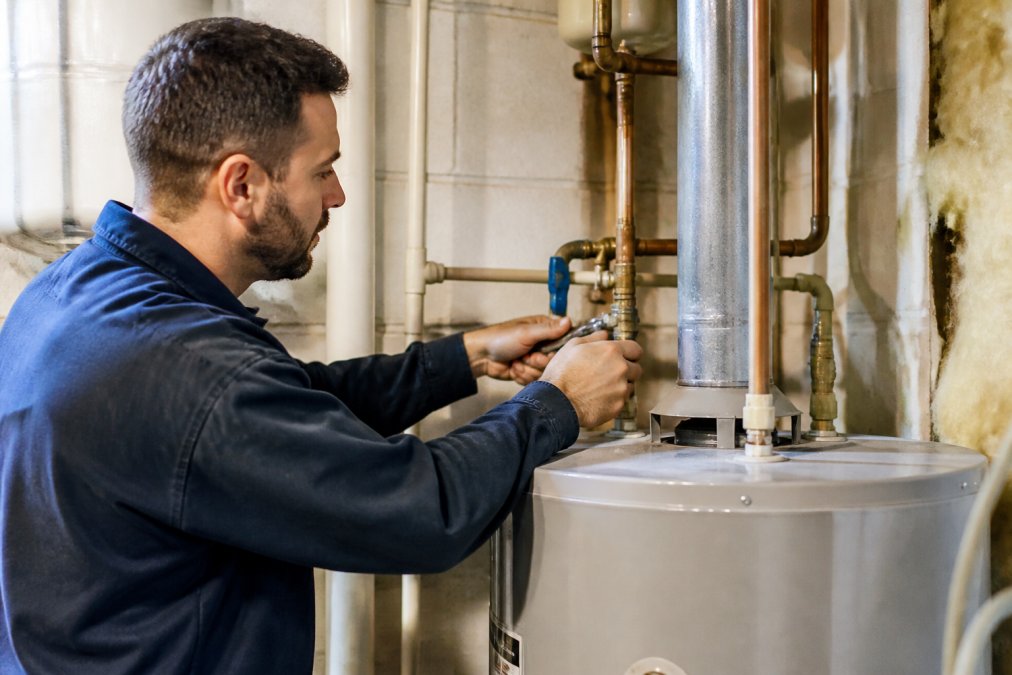
When the water heater fails, tenants lose hot water and you get angry calls. Common issues include sediment buildup reducing efficiency, heating elements failing, thermostats malfunctioning, or leaks developing in the tank.
Sediment accumulation is preventable through regular flushing. Most water heaters last 10-15 years (energy.gov). If yours is approaching that age and showing signs of trouble, replacement is often more cost-effective than repair. A failing water heater can suddenly leak and cause significant water damage.
For rental properties, ensure your water heater is properly maintained. Annual flushing extends its life and maintains efficiency. When replacement becomes necessary, professional installation ensures proper sizing, venting, and safety connections.
Garbage Disposal Jams
Garbage disposals jam when tenants feed them inappropriate items: bones, fibrous vegetables, grease, or non-food objects. A jammed disposal either won't turn on or makes grinding noises without draining water.
Never reach into a disposal to clear a jam. Even when powered off, the mechanism can suddenly engage and cause serious injury. Instead, use tongs or pliers to remove visible debris.
Prevention is key. Educate tenants about what disposals can handle. Avoid fibrous foods, bones, or grease. For rental properties with heavy tenant turnover, you might consider whether garbage disposals are worth the maintenance headache. Some landlords remove them to eliminate this common problem entirely.
Sewer Line Backups and Discolored Water
Sewer line backups are serious. When the main line clogs, sewage backs up into the property, creating health hazards and expensive repairs. You might notice multiple drains draining slowly, foul odors near drains, or sewage pooling in the yard.
Tree roots are a common cause in older properties. Roots penetrate small cracks in sewer lines seeking water and nutrients, expanding over time and blocking the line completely. Grease accumulation, debris, or structural damage also cause backups.
Diagnosing sewer problems requires professional equipment. A sewer camera inspection lets plumbers see exactly what's blocking the line and where. Some backups can be cleared with drain cleaning equipment. Others require excavation and pipe replacement.
Discolored or foul-smelling water often relates to sewer issues or water quality problems. If water comes out brown, rusty, or smells like rotten eggs, don't ignore it. This signals contamination or bacterial growth in the water lines.
Tenant vs. Landlord Plumbing Responsibility: Who Pays for What
The legal responsibility for plumbing repairs depends on what broke and why.
Landlord responsibility: Your lease and local habitability standards require you to maintain the property's basic plumbing system. This includes the main water supply line, main drain line, water heater, and all fixtures in their original condition. If a pipe bursts, the water heater fails, or the sewer line backs up, that's your cost. Structural problems with the plumbing system are landlord expenses.
Tenant responsibility: Tenants are responsible for damage they cause through misuse or negligence. If they pour concrete down the drain and clog it, that's their problem. If they ignore a slow leak and cause water damage by not reporting it, they bear some responsibility.
The gray area: Normal wear and tear is your responsibility. A faucet that wears out after five years of normal use is wear and tear. A faucet destroyed by deliberate misuse is tenant damage.
Document everything. Take photos of the unit's condition before tenants move in. When problems arise, document when you were notified, what the issue was, and what caused it. Include clear language in your lease about tenant responsibilities for reporting issues promptly and avoiding misuse of plumbing fixtures.
How to Report Plumbing Issues to Your Landlord
If you're a tenant, report plumbing problems immediately. Document the issue with photos or video, note when it started, and describe what's happening.
Contact your landlord through the method your lease specifies. Put the report in writing so you have a record. Include specific details: "The kitchen sink drains slowly" is vague. "The kitchen sink drains so slowly that water pools in the basin and takes 30 seconds to empty" is specific and actionable.
Most states require landlords to respond to maintenance requests within a reasonable timeframe, typically 24-48 hours for urgent issues like no hot water or sewage backup (nolo.com). If your landlord ignores requests or delays repairs unreasonably, you have legal recourse. Document every communication and follow your state's formal complaint procedures if necessary.
Emergency Plumbing Repairs for Renters: What You Need to Know
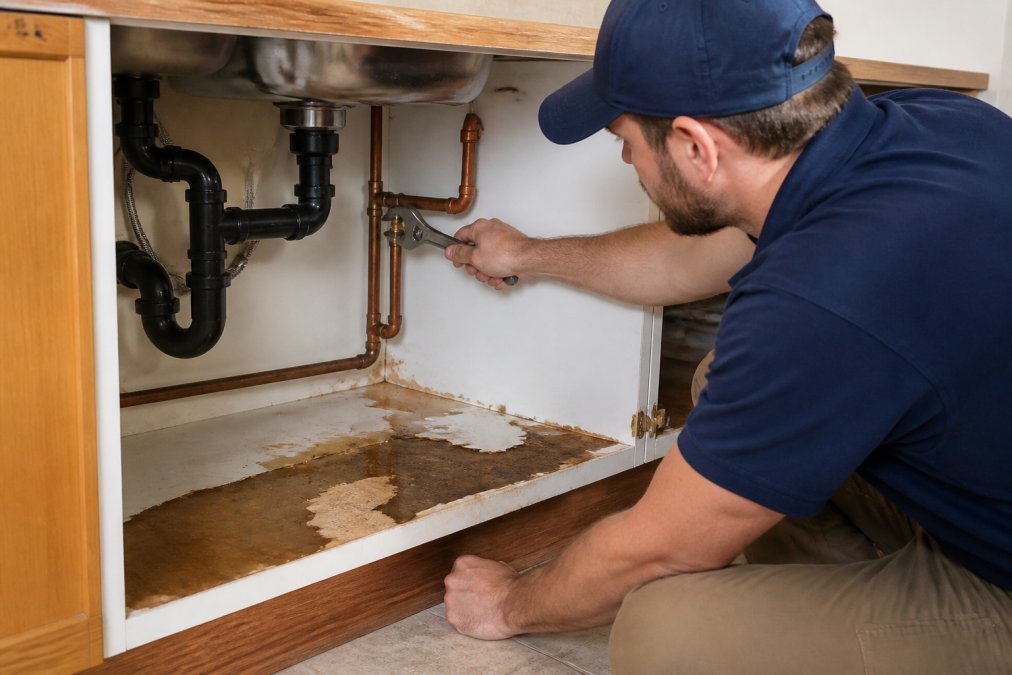
Some plumbing emergencies can't wait for a landlord callback. Burst pipes, sewage backups, or no water supply demand immediate action.
What constitutes an emergency: A burst pipe flooding your unit, sewage backing up into your home, no water supply, or a gas smell near your water heater are genuine emergencies. A slow drain or dripping faucet is not.
Your rights as a tenant: In most states, if your landlord fails to address a genuine emergency affecting habitability, you can call a plumber yourself and deduct the cost from rent (called "repair and deduct"). However, this option has strict requirements. You must notify your landlord first and give them a reasonable opportunity to respond. You must use a licensed, reasonably-priced plumber and document everything. Check your state's specific rules before taking this step.
When to call a professional: For any emergency involving water damage, gas smells, or sewage, call a professional immediately. Burst pipes and sewer backups require professional equipment and expertise. The cost of emergency service is worth avoiding tens of thousands in water damage.
England's Plumbing & Heating provides emergency repair services for Chester County property owners. If you're managing rental units and face a sudden plumbing failure, professional help ensures the problem is solved correctly and quickly, minimizing tenant disruption and property damage.
Preventing Common Plumbing Problems in Rental Units
Prevention saves money and prevents tenant complaints. A few simple practices dramatically reduce plumbing problems.
Regular inspections: Walk through units every three to six months. Look under sinks for leaks, listen for running toilets, check water pressure at a few fixtures, and note any visible corrosion or water stains. Catching problems early prevents expensive repairs.
Educate tenants: Provide written guidance on what not to put down drains. Explain that grease, food waste, and non-flushable items cause clogs. Tell them to report leaks and slow drains immediately.
Maintain fixtures: Replace worn washers and seals before they fail completely. Flush water heaters annually to prevent sediment buildup. Clean aerators and showerheads periodically to maintain water pressure.
Install protective devices: Consider installing shutoff valves near major fixtures so leaks can be isolated quickly. For properties in freezing areas, insulate exposed pipes. In areas with hard water, consider water softening systems to reduce mineral buildup.
Document and track: Keep records of all plumbing maintenance and repairs. Note dates, costs, and what was done. This helps you identify patterns and plan upgrades.
Smart leak detection: For larger rental properties, smart leak detection systems offer proactive monitoring. These systems detect leaks before they become visible, reducing water damage and waste. They send automatic alerts and can shut off water automatically if a leak is detected.
When to Call a Professional Plumber
Some plumbing problems require professional expertise. Attempting complex repairs yourself often causes more damage.
Call a professional for:
- Burst pipes or active leaks from pipes or main connections
- Sewer line backups or main drain clogs
- Water heater problems (leaks, no hot water, strange noises)
- Low water pressure affecting the entire unit
- Gas line work (never DIY this)
- Fixture installation or replacement
- Plumbing code compliance issues
What you can handle yourself:
- Replacing washers in compression faucets
- Clearing simple drain clogs with a plunger
- Replacing a toilet flapper
- Cleaning aerators and showerheads
- Resetting a tripped water heater breaker
For rental properties, professional help is usually the right choice. A plumber's cost is predictable and the work is guaranteed. If you attempt a repair and it fails, you've wasted time and often created a worse problem.
When choosing a plumber, ask for references, verify licensing, and get written estimates. Building a relationship with a reliable plumber who understands rental properties is valuable. They'll respond quickly to emergencies and know your property's quirks.
Common plumbing issues in rentals don't have to derail your property management. Most problems are preventable with regular maintenance and quick response to tenant reports. When professional help is needed, experienced plumbers solve problems efficiently and correctly. England's Plumbing & Heating has served Chester County property owners since 1989, handling everything from routine drain cleaning to complex water heater installations and emergency burst pipe repairs. When your rental property needs reliable plumbing solutions, our team provides professional expertise and responsive service. Book online or contact us for a consultation on maintaining your rental properties.
Frequently Asked Questions
What is the most common plumbing issue in rental properties?
Leaky faucets and clogged drains rank among the most frequent common plumbing issues in rental properties. Leaky faucets waste water and occur due to worn washers or cartridges, while drain clogs result from hair, soap buildup, and debris accumulation. Both issues are relatively inexpensive to fix but require prompt attention to prevent water damage and tenant dissatisfaction. Running toilets also occur frequently and waste significant water if left unaddressed.
Are renters responsible for plumbing repairs in their units?
Responsibility depends on the cause of the damage. Under most state habitability standards, landlords must maintain the plumbing system and fixtures in working condition. However, tenants are typically responsible for damage caused by their negligence, misuse, or failure to report issues promptly. For example, if a tenant ignores a slow drain until it backs up and causes damage, they may bear responsibility. Always review your lease agreement and local tenant rights to understand specific obligations in your area.
How should I document plumbing issues for my landlord?
Document issues thoroughly by taking photos or videos of the problem, noting the date and time it occurred, and describing what you observed. Send a written report via email or text to create a timestamped record. Include details like whether water is leaking, if there are unusual sounds or odors, and how the issue affects your use of the rental. Keep copies of all communications. This documentation protects you if disputes arise about responsibility and helps establish when the landlord was notified of the problem.
What should I do if I have an emergency plumbing repair in my rental?
For emergencies like burst pipes or sewage backups, first shut off the main water supply using the shut-off valve if safe to do so. Contact your landlord immediately and provide clear details about the emergency. If the landlord is unreachable and the situation poses health or safety risks, you may have the right to arrange emergency repairs yourself and deduct costs from rent, depending on your state's laws. Document all actions taken and keep receipts. Follow your lease agreement and local tenant rights regulations regarding emergency repair procedures.