 listicle
Is a Water Filtration System Worth It? 2026 Guide
Table of Contents
- Signs You Need a Water Filtration System
- How Water Filtration Systems Work and What They Remove
- Point-of-Entry vs. Point-of-Use: Which Approach Fits Your Home
- Hard Water Effects on Skin and Other Household Problems
- Whole House Water Filter Cost and Long-Term ROI
- Is a Water Filtration System Worth It for Your Home
- Frequently Asked Questions
Last Updated: September 27, 2026
Signs You Need a Water Filtration System
The most obvious signs are taste and odor. If your tap water tastes metallic, smells like chlorine, or has a sulfur-like odor, contaminants are present. Discoloration is another red flag, brown, yellow, or cloudy water indicates sediment or minerals in your supply.
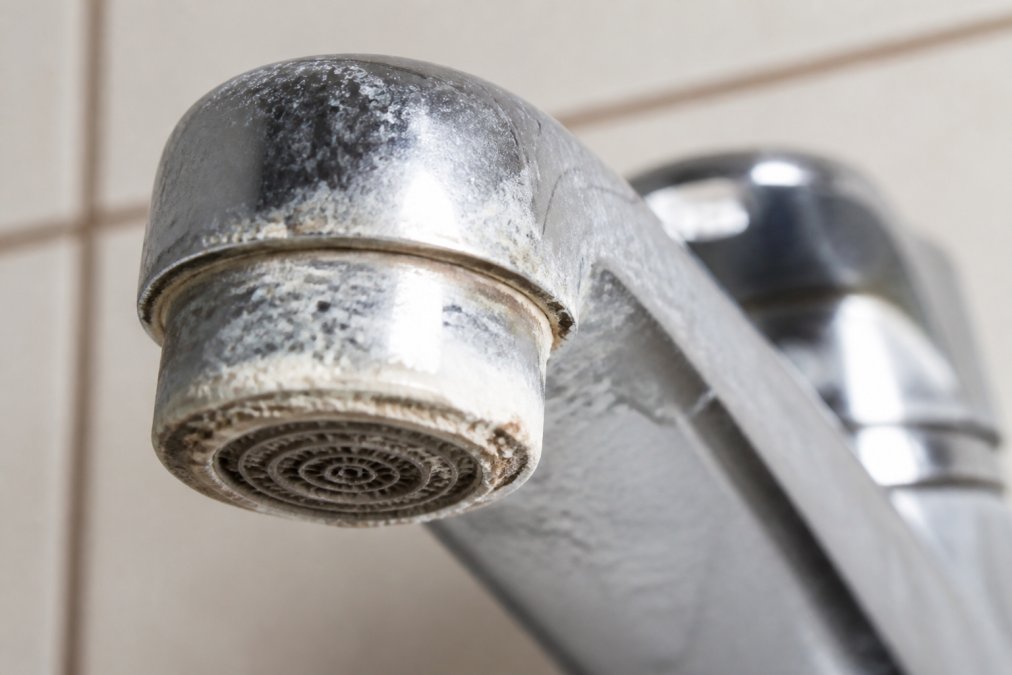
Hard water leaves visible marks. You'll notice white, chalky buildup on faucet aerators, showerheads, and inside kettles. This mineral accumulation happens because your water contains high levels of calcium and magnesium. Beyond aesthetics, this scale reduces appliance lifespan and efficiency.
Skin and hair problems often point to water quality issues. Hard water leaves residue that strips moisture, causing dry, itchy skin and dull hair. If you've switched soaps and shampoos without improvement, your water itself may be the culprit.
Staining on fixtures and clothing suggests iron or tannins. Rust-colored stains around drains or on white laundry are classic indicators. Well water users should be especially vigilant, private wells lack municipal treatment, making filtration more critical.
Health concerns warrant testing. Gastrointestinal issues, rashes, or persistent headaches can correlate with contaminated water. A professional water test provides certainty, especially if you live in an older home with aging pipes where lead contamination is a legitimate concern.
How to Verify Water Quality: Reading Your Municipal Water Report
If you receive water from a municipal system, your water provider is required by the EPA to publish an annual Consumer Confidence Report (CCR). This document contains critical information about what's actually in your tap water and whether contaminants exceed safe levels.
Where to find your report: Search online for "[your city] water quality report" or "[your utility name] Consumer Confidence Report." Most utilities post these on their websites, or call your local water department to request a printed copy.
What to look for in the report:
-
Contaminants detected: Compare listed substances against EPA "Maximum Contaminant Level" (MCL). If any contaminant is present at or near the MCL, filtration becomes worthwhile.
-
Hardness levels: Water above 120 ppm is "hard (Hardness of Water)." At 150 ppm or higher, scale buildup and appliance damage occur, a whole-house filter or softener is justified.
-
Chlorine or chloramines: If above 2 ppm, you'll taste or smell chlorine. A carbon filter addresses this.
-
Lead and copper: If "action level exceeded" for lead (15 ppb) or copper (1.3 ppm), point-of-use filtration or reverse osmosis is recommended, especially with children or pregnant household members.
-
Microbial contaminants: If bacteria or viruses are detected, UV filtration or boiling is necessary.
Understanding the report's language: "Violation" means a contaminant exceeded safe limits. "Variance" means temporary permission to exceed limits. "Monitoring waiver" means testing wasn't required. These don't automatically mean unsafe water, but indicate where filtration could help.
Conducting a Basic Home Water Test
For well water or contaminants not covered in municipal reports, home testing kits provide answers:
-
DIY test strips ($10-$30) measure pH, chlorine, hardness, and bacteria presence. Results are immediate but less precise.
-
Mail-in test kits ($30-$100) test 10-20 contaminants including lead, bacteria, nitrates, and pesticides. Results take 1-2 weeks.
-
Professional water testing ($150-$300) tests 50+ contaminants. Essential for well water users and recommended if serious contamination is suspected.
Well water users should test annually; municipal water users should test if they notice signs of contamination or have aging plumbing.
When to Act on Warning Signs
If your water report shows contaminants above safe levels, or if you have multiple warning signs (taste, odor, staining, scale), filtration is worth considering. A single sign, like chlorine taste, might be addressed with an inexpensive pitcher filter. Multiple signs suggest a more comprehensive system is justified. The key is moving from observation to verification through testing, then matching your filtration solution to your actual water profile rather than guessing.
How Water Filtration Systems Work and What They Remove
Water filtration systems force water through barriers that trap contaminants. Effectiveness depends on filter material, pore size (measured in microns), and system design. Most systems use multiple stages: early stages catch sediment and rust, middle stages use activated carbon to remove chlorine and odors, and final stages target specific contaminants.
Common Water Contaminants and Filtration Methods
Sediment and rust require mechanical filtration with 5-20 micron ratings. They're inexpensive but need replacement every 3-6 months depending on water quality.
Chlorine and chemicals respond to activated carbon filtration, which absorbs chlorine and volatile organic compounds (VOCs).
Point-of-Entry vs. Point-of-Use: Which Approach Fits Your Home
Point-of-entry (POE) systems treat water at the main line, protecting all appliances and fixtures. Installation requires access to your main water line. POE systems make sense for families with multiple water quality issues but cost significantly more than point-of-use options, and filter changes must happen on schedule.
Hard Water Effects on Skin and Other Household Problems
Hard water doesn't pose direct health risks but creates persistent problems. Mineral content interferes with soap effectiveness, leaving sticky residue on skin. This causes dry, tight skin, dull hair, and tangles. People with eczema or sensitive skin often experience flare-ups.
Whole House Water Filter Cost and Long-Term ROI
The decision to install a water filtration system involves weighing upfront costs against long-term savings and quality-of-life improvements. Understanding both sides helps you determine if the investment makes sense for your home.
Installation and System Costs
Pricing for whole-house filtration systems varies based on the type and complexity of the system. Professional installation is recommended, and costs depend on your plumbing layout and system complexity. For current pricing and a tailored quote, please contact us directly.
Ongoing Maintenance and Filter Replacement Costs
Filter replacement is the primary ongoing expense. Filter replacement is the primary ongoing expense, with costs varying based on the filter type and how often they need changing. For specific costs related to your system, please consult with us.
Calculating Your Long-Term Savings
Appliance longevity: Hard water and sediment reduce lifespan of water heaters, dishwashers, and washing machines. Hard water and sediment can reduce the lifespan of water heaters, dishwashers, and washing machines. Filtration can help extend appliance longevity, potentially delaying replacement.
ROI Example: Hard Water Household
For households with confirmed hard water or contamination issues, a filtration system can offer long-term financial benefits through appliance protection, reduced repair costs, and potential energy savings.
When Upfront Cost Justifies the Investment
If you have confirmed water quality issues, hard water, sediment, chlorine taste, or contaminants, a water filtration system pays for itself through appliance protection alone. Well water users benefit significantly from filtration, as private wells lack municipal treatment and contamination risks are higher. Families with members having sensitive skin or health concerns find value in filtered water. Homes with aging plumbing benefit from filtration because older pipes are more susceptible to scale damage and corrosion.
Is a Water Filtration System Worth It for Your Home
Whether a water filtration system worth it depends on your specific water quality, household needs, and budget. Not every home needs the same solution.
When Filtration Delivers Real Value
If you have confirmed water quality issues, a water filtration system pays for itself through appliance protection alone. Hard water damage to water heaters and dishwashers is expensive to repair. Preventing that damage justifies the system cost.
When You May Not Need a Full System
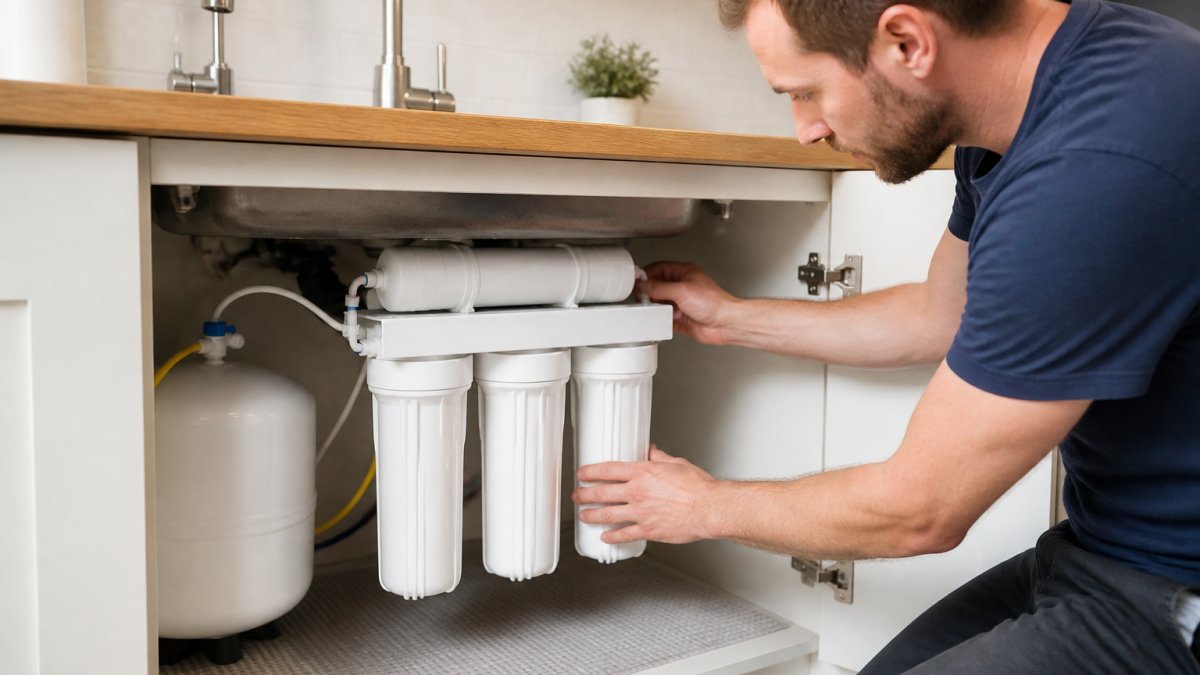
If your municipal water tests clean and you're satisfied with taste and odor, a whole-house system may be unnecessary. Some homes simply have good water quality. A basic pitcher filter or under-sink system addresses drinking water preferences without whole-house investment.
Frequently Asked Questions
How do I know if I need a water filtration system?
Test your water quality first. Signs include discolored water, sediment particles, chlorine smell or taste, scale buildup on fixtures, or skin irritation after showering. Hard water, high TDS (total dissolved solids), heavy metals like lead or arsenic, and volatile organic compounds (VOCs) all indicate filtration may help. A professional water test reveals exactly what contaminants you're dealing with, so you can choose the right system rather than guessing.
What is the healthiest way to filter water?
The healthiest approach depends on your specific contaminants. Reverse osmosis removes up to 99% of dissolved solids and heavy metals. Activated carbon filters reduce chlorine, VOCs, and odor. Point-of-entry systems protect your entire home's plumbing and appliances, while point-of-use filters at the kitchen sink focus on drinking water. Combining methods, such as sediment filtration plus activated carbon plus reverse osmosis, often provides the most comprehensive protection against bacteria, chemicals, and mineral buildup.
How much should a whole house water filtration system cost?
Whole house water filter costs vary widely based on filtration type and capacity. Installation adds labor costs, and replacement filters are an ongoing expense depending on system complexity. For an accurate quote tailored to your home's water volume and specific contaminant profile, contact a professional installer.
Do water filters actually improve water taste and safety?
Yes, when matched to your water problems. Activated carbon removes chlorine taste and odor dramatically. Reverse osmosis systems eliminate dissolved minerals that cause flat or bitter taste, plus heavy metals and chemical contaminants. Sediment filters clear visible particles and cloudiness. However, a filter only removes what it's designed for, so testing your water first ensures you buy a system that targets your actual contaminants. Generic filters won't fix problems they aren't built to handle.
What are the downsides of a water filtration system?
Upfront costs can be substantial, especially for whole-house systems. Filters require regular replacement, some yearly, others every 6 months, adding ongoing expense. Reverse osmosis wastes water during the filtration process. Installation requires professional help for most point-of-entry systems, adding labor costs. Some systems reduce water pressure or flow rate. Maintenance demands attention; neglected filters become ineffective and can harbor bacteria. If your water quality is already good, filtration may not justify the investment.