 listicle
Residential Plumbing Services: What to Expect
Table of Contents
- What Residential Plumbing Services Include
- Emergency Plumbing Repair: When to Call and What to Expect
- Water Heater Repair and Installation
- Leak Detection and Pipe Repair
- Getting Plumbing Service Cost Estimates
- Hiring a Licensed Plumber: What to Check
- Preventative Maintenance and Code Compliance
- Frequently Asked Questions
Last Updated: September 19, 2026
What Residential Plumbing Services Include
Residential plumbing services encompass repairs, installations, and maintenance that keep your home's water and drainage systems functioning. Knowing what's available, and what you can safely DIY, helps you respond faster when problems arise.
Common Service Categories
Common residential plumbing services include drain cleaning and sewer work (clogs, backups, slow drainage), water heater repair and installation, and leak detection and pipe repair.
DIY vs. Professional: Where the Line Is
Unlicensed work can void warranties, violate building codes, and create safety hazards. Understanding what you can DIY versus what requires professional residential plumbing services protects your home and wallet.
Safe DIY Tasks:
- Replacing a faucet aerator or showerhead (no water shutoff required)
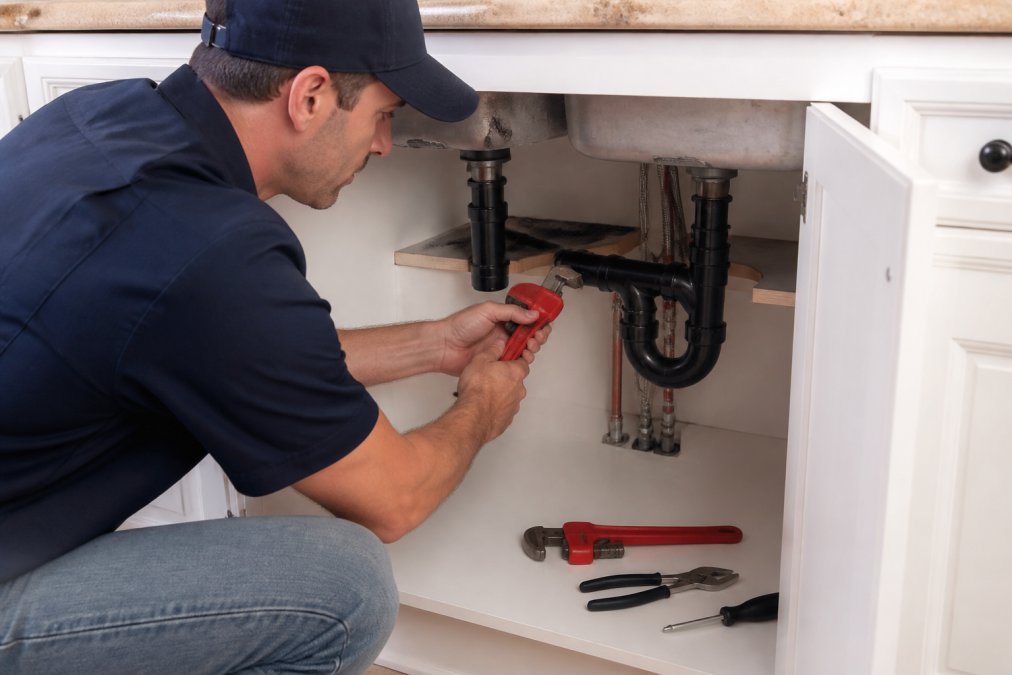
- Unclogging a sink drain with a plunger or removing a P-trap to clear debris
- Replacing a toilet fill valve or flapper (the internal tank components)
- Tightening loose connections under a sink to stop minor drips
- Replacing a sink strainer basket
- Cleaning or replacing a refrigerator water filter
Work Requiring a Licensed Plumber:
- Any repair involving soldering or welding copper or steel pipe
- Water heater repair or installation (gas lines and pressure vessels require licensing)
- Drain cleaning beyond simple plunging (hydro-jetting, snake work, sewer line access)
- Toilet installation or removal (requires proper wax ring sealing and bolting)
- Faucet installation that involves shutting off water at the wall and reconnecting supply lines
- Any work on gas lines, backflow prevention devices, or septic systems
- Pipe repair inside walls, under floors, or underground
- Work requiring permits (most municipalities require permits for water heater installation, major pipe replacement, and fixture installation)
Routine vs. Urgent Work
Routine maintenance, annual inspections, preventative drain cleaning, water heater flushing, costs less during business hours and prevents emergency surcharges.
Emergency Plumbing Repair: When to Call and What to Expect
Call immediately for burst pipes, complete loss of water pressure, sewage backup, gas smell near plumbing fixtures, or active water leaks from ceilings or walls. Damage compounds every hour you wait.
Water Heater Repair and Installation
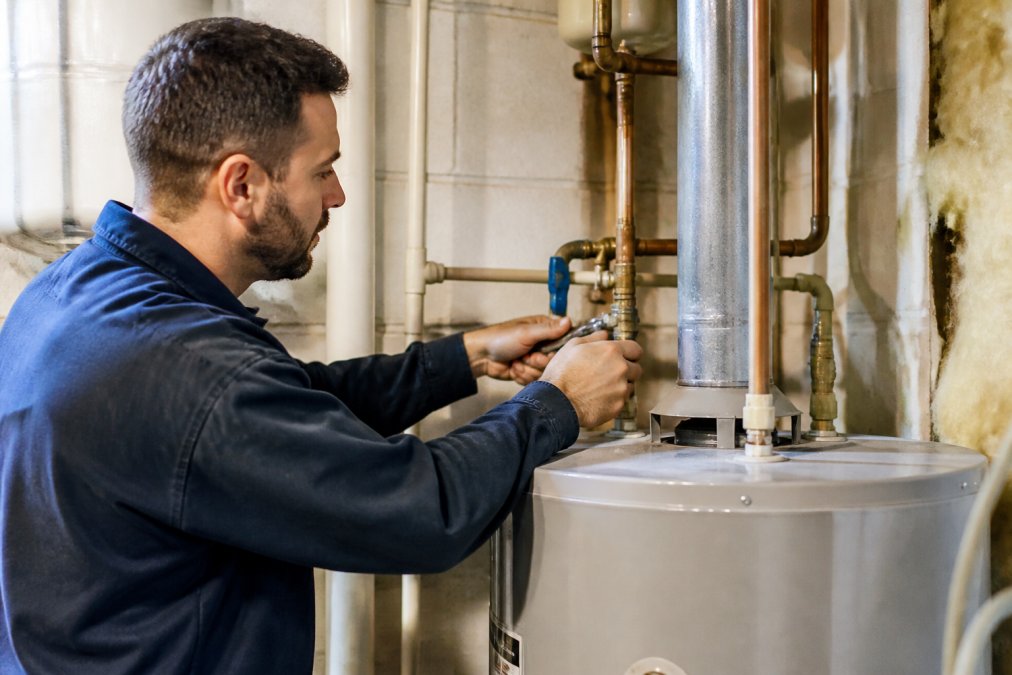
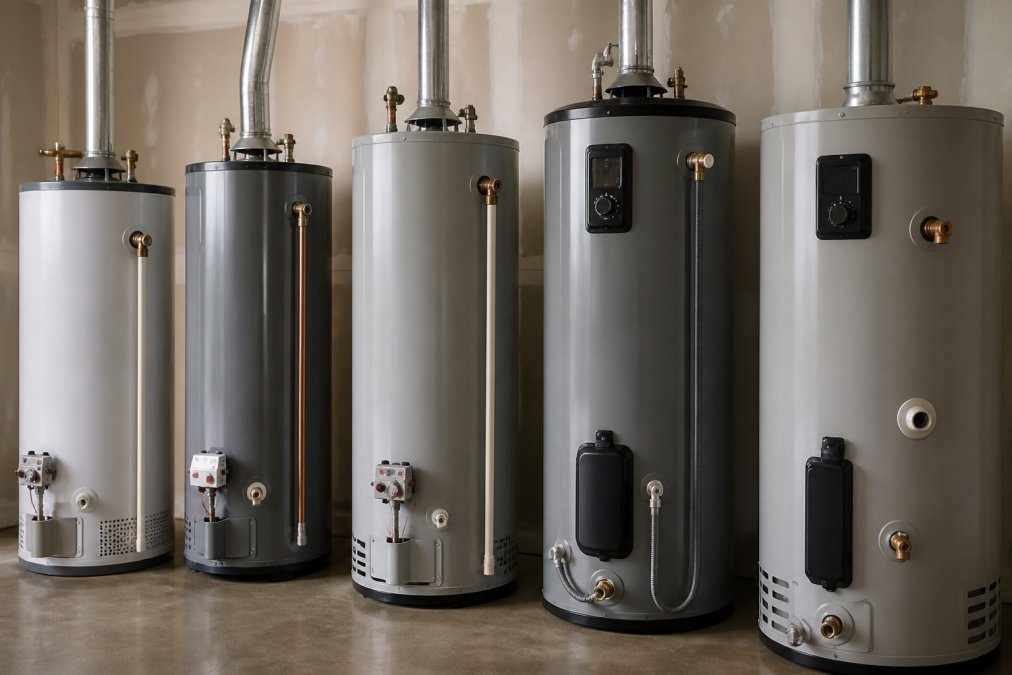
Water heater repair addresses leaks, insufficient hot water, strange noises, or complete failure. If your unit is under 10 years old with an isolated problem, repair often makes sense and can be completed the same day.
Leak Detection and Pipe Repair
Leak detection services use specialized equipment to locate water loss inside walls, under floors, or in buried supply lines. Pipe repair ranges from simple patches to full replacement of corroded sections.
Getting Plumbing Service Cost Estimates
Get a clear cost estimate before hiring residential plumbing services. A professional estimate should itemize service fee, parts cost, and labor time. Many providers offer free onsite quotes.
| Factor | What to Check | Why It Matters |
|---|---|---|
| Licensing | Verify current state and local licenses | Protects you legally and ensures code compliance |
| Insurance | Confirm liability and worker's compensation | Protects your home if injury or damage occurs |
| Experience | Ask about years in business and specializations | Experienced plumbers diagnose faster and avoid costly mistakes |
| Warranty | Get written warranty on parts and labor | Covers you if problems reoccur shortly after service |
| Availability | Confirm same-day or next-day service options | Critical for emergencies; prevents extended downtime |
Hiring a Licensed Plumber: What to Check
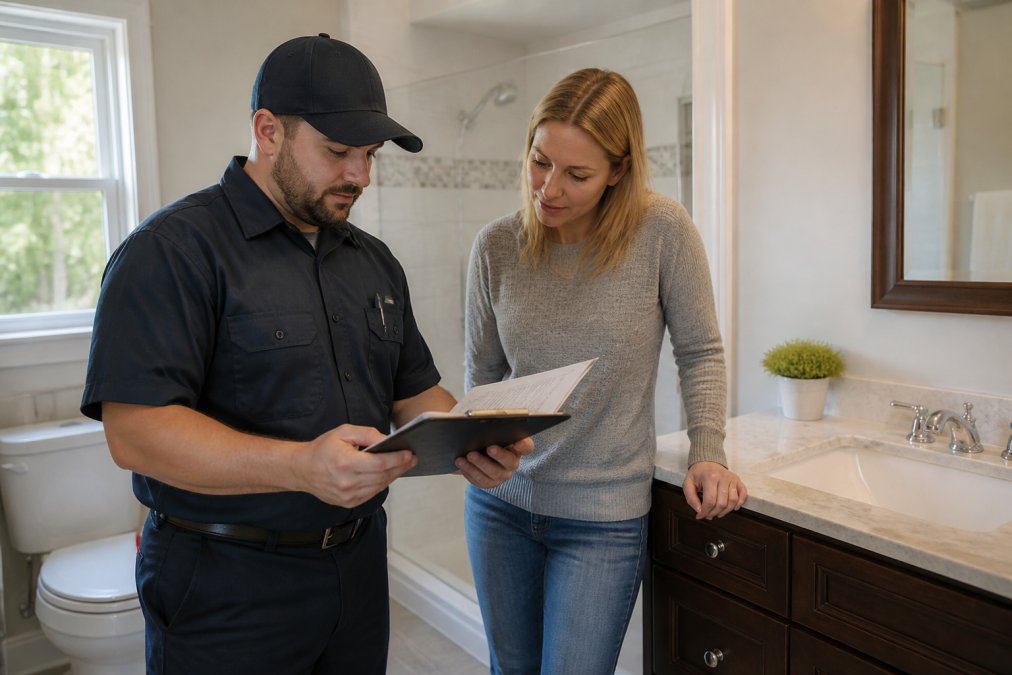
A licensed plumber has passed exams, completed apprenticeships, and maintains current credentials, critical because plumbing work affects your home's safety, water quality, and code compliance.
Licensing and Insurance Verification
Verify your plumber holds a current state license. Ask for the license number and verify it through your state's licensing board, this takes five minutes and protects you from unlicensed operators.
Experience and Specializations
Some plumbers specialize in water heater installation, gas piping, well pump repair, or hydro-jetting. Ask about recent experience with your specific problem. Local experience with residential plumbing services ensures familiarity with water conditions, pipe materials, and code requirements.
Booking and Communication
Reliable residential plumbing services depend on clear communication and punctuality. Ask about online booking, live chat, same-day emergency service, and arrival notifications.
Preventative Maintenance and Code Compliance
The best residential plumbing services include preventative maintenance that stops problems before they start. Rather than waiting for a crisis, a structured maintenance plan catches small leaks, corrosion, and code violations early, and costs far less than emergency repairs. A $200 annual inspection might reveal a $500 problem that, if ignored, becomes a $5,000 emergency.
Seasonal Plumbing Maintenance Checklist
Plumbing systems face different stresses throughout the year. Freezing temperatures in winter, heavy spring runoff, summer heat on outdoor lines, and fall leaf debris in gutters and drains all create seasonal vulnerabilities. Following a seasonal maintenance schedule prevents most common failures.
Spring (March-May):
- Inspect exposed pipes in the basement, crawlspace, and attic for winter damage or corrosion
- Check for water stains on ceilings and walls that indicate slow leaks
- Run water in rarely used drains (guest bathroom, basement sink) to ensure they flow freely
- Inspect the water heater for rust, leaks, or sediment buildup around the base
- Check outdoor faucets and hose bibs for leaks; replace washers if they drip
- Clear gutters and downspouts to prevent water from backing up near the foundation
- Test sump pump operation if your home has one (pour water into the pit and confirm it activates)
Summer (June-August):
- Monitor water pressure; a sudden drop may indicate a leak or main line issue
- Check under sinks and around toilets for soft spots in flooring (sign of slow leaks)
- Inspect the washing machine hose for bulges or cracks; replace every 5-7 years regardless of condition
- Confirm that the water heater temperature is set to 120°F (prevents scalding and reduces energy use) (Still too hot: Examination of water temperature and water heater characteristics 24 years...)
- Check for slow drains in showers and tubs; use a drain strainer to catch hair before it builds up
Fall (September-November):
- Drain and shut off outdoor faucets before the first freeze
- Insulate exposed pipes in unheated spaces (basement, crawlspace, attic) with foam pipe wrap
- Have the water heater professionally flushed to remove sediment (reduces energy use and extends unit life)
- Inspect the foundation for new cracks that might allow water intrusion
- Clear leaves and debris from gutters and roof valleys to prevent ice dams
- Test the main water shutoff valve to confirm it operates smoothly (critical in an emergency)
Winter (December-February):
- Monitor water bills for unexplained increases (may indicate a hidden leak)
- Keep cabinet doors under sinks open on extremely cold nights to allow warm air to reach pipes
- Let faucets drip slightly during hard freezes to prevent pipe freezing
- Inspect the basement or crawlspace for frozen pipes or condensation buildup
- Check the water heater for leaks or unusual noises
Annual Professional Inspection
Schedule a comprehensive plumbing inspection once per year, ideally in spring or fall. A licensed plumber will:
- Inspect all visible pipes for corrosion, leaks, or damage
- Test water pressure (should be 40-80 psi; low pressure indicates problems)
- Examine the water heater for age, efficiency, and safety concerns
- Check all drains and traps for slow flow or blockages
- Inspect toilets for silent leaks (add food coloring to the tank; if it appears in the bowl without flushing, the flapper is failing)
- Test backflow prevention devices if your home has them
- Review code compliance for any recent fixtures or repairs
This inspection typically costs $150-$300 but often identifies problems worth thousands in prevented damage.
Code Compliance and Permits
Code compliance ensures your plumbing system meets current standards for safety and water quality. Building codes vary by municipality but generally cover:
- Backflow prevention: Devices that stop contaminated water from flowing backward into your home's supply. Required for homes with irrigation systems, pools, or boilers.
- Proper venting: Drain lines must vent to the roof to allow sewer gas to escape and prevent vacuum conditions that slow drainage. Improper venting causes slow drains and sewer gas odors.
- Trap seals: Every drain must have a U-shaped trap that holds water to block sewer gas. Traps must be properly sized and accessible for cleaning.
- Water heater safety: Gas water heaters require proper venting; electric units need GFCI protection in some jurisdictions. Temperature and pressure relief valves must be installed and functional.
- Fixture spacing and sizing: Supply lines must be sized for the number of fixtures; oversized or undersized lines cause pressure problems.
Frequently Asked Questions
What qualifications should I look for in a residential plumbing services provider?
Look for a licensed plumber with current licensing in your state, proof of liability insurance, and bonding. Ask about years of experience with residential work, certifications in specialized areas (like gas piping or well systems), and whether they offer online booking or emergency availability. Customer reviews and references from past residential jobs are also valuable indicators of reliability.
How much should I expect to pay for a plumbing service call?
Plumbing service cost estimates vary based on the complexity of the work, your location, and the specific issue. Most providers charge a service fee for diagnosis, then separate labor and material costs for repairs. Emergency calls typically cost more than scheduled appointments. Contact providers directly for a quote on your specific problem, reputable companies offer free estimates so you can compare pricing before committing.
What should I do if I have an emergency plumbing repair at night or on a weekend?
Call a plumber offering 24/7 emergency plumbing repair service. Many providers have after-hours lines and can dispatch technicians for burst pipes, major leaks, or backed-up sewers. Have your address, a description of the problem, and any photos ready. While emergency service costs more than regular appointments, addressing urgent issues quickly prevents water damage and costly structural repairs.
How do I know if a plumbing company is licensed and insured?
Ask the company directly for their license number and request proof of liability insurance before work begins. You can verify licensing through your state's plumbing board or licensing authority. Licensed plumbers carry credentials and are held to code standards; insurance protects you if property damage occurs during the job. Never hire an unlicensed plumber, you have no recourse if something goes wrong.