 listicle
Annual Plumbing Maintenance: 7 Key Benefits
Table of Contents
- Why Annual Plumbing Maintenance Matters
- Preventing Emergency Plumbing Repairs Before They Happen
- Creating a Plumbing Maintenance Checklist for Homeowners
- How Often Should You Have Your Plumbing Inspected
- Cost of Emergency Plumbing Repairs vs Maintenance
- Extending Plumbing System Lifespan and Water Heater Performance
- Water Conservation and Lower Utility Bills
- Conclusion
- Frequently Asked Questions
Last Updated: September 25, 2026
Why Annual Plumbing Maintenance Matters
Annual plumbing maintenance involves scheduling regular professional inspections and preventive care to keep your plumbing system functioning efficiently and avoid costly emergencies. It's one of the most cost-effective decisions you can make for your home.
Most homeowners think about their plumbing only when something breaks. A small leak becomes water damage, a slow drain becomes a backup, and a corroded pipe becomes a burst. The real cost isn't the repair itself, it's the cascade of problems that follow.
Annual plumbing maintenance catches problems before they become emergencies, extends fixture lifespan, lowers water bills, and protects your home's structure.
Preventing Emergency Plumbing Repairs Before They Happen
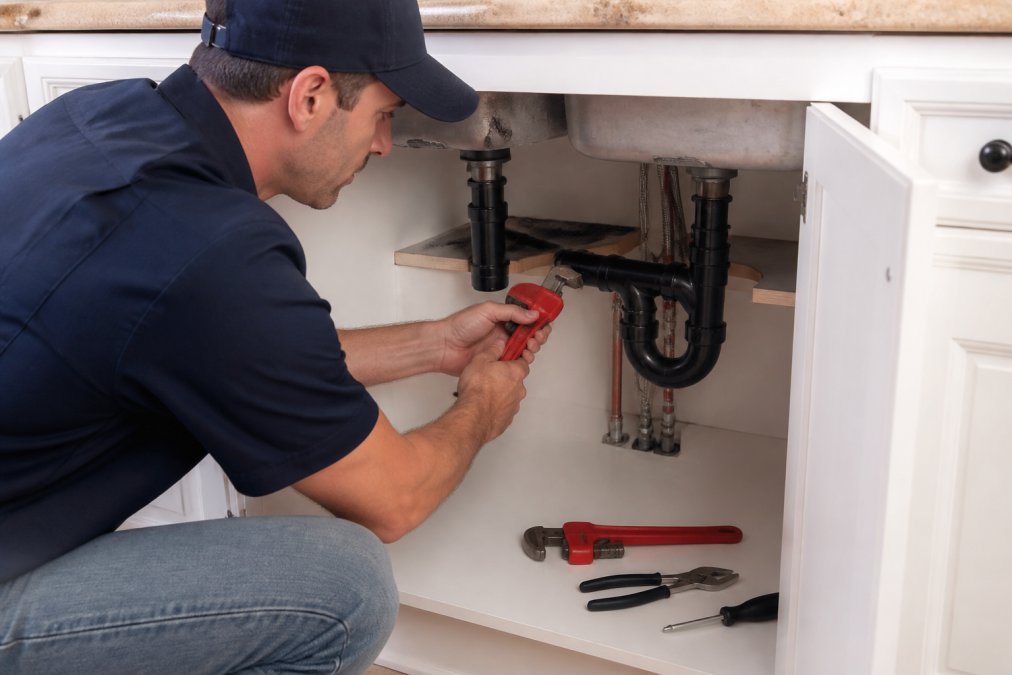
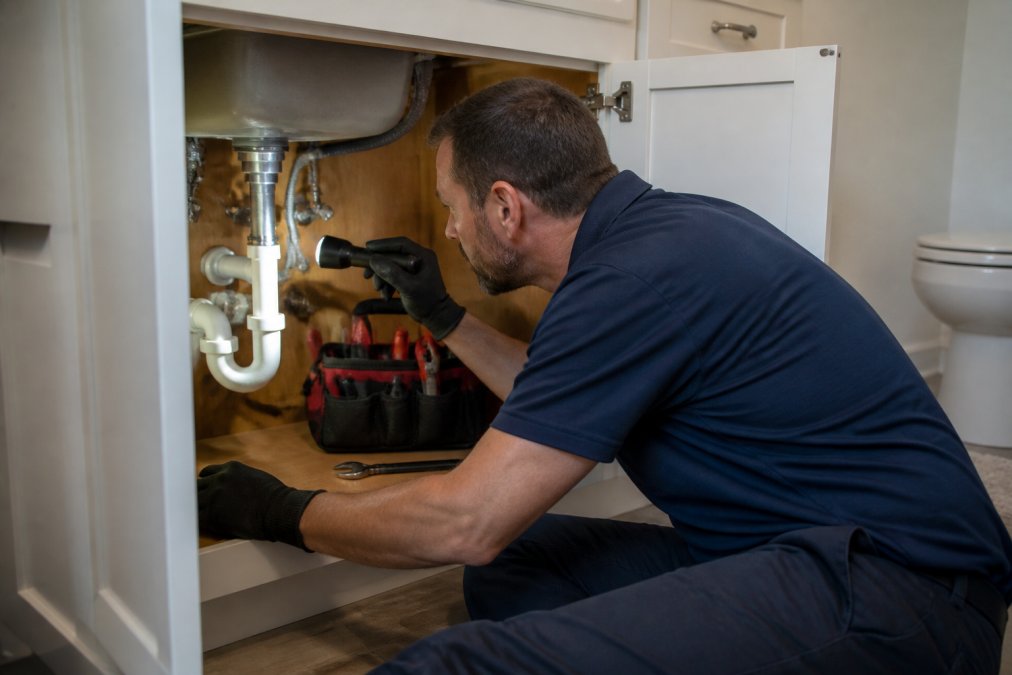
A licensed plumber conducting a routine inspection can spot early signs of trouble: mineral buildup, hidden leaks, corrosion, and pressure issues. These problems are cheap to fix when caught early; left alone, they become catastrophic.
A slow leak can drip unnoticed for weeks or months. By discovery, water has soaked walls, flooring, and foundation, requiring not just pipe repair but water damage remediation, mold testing, and structural repairs.
Annual inspections catch leaks before they cause damage. A professional can identify water pressure problems that strain your system, drain line obstructions that will eventually back up, and valve issues that compromise your entire plumbing infrastructure. Fixing these during a routine visit costs a fraction of emergency service rates.
The preventative maintenance approach also means your plumbing system gets evaluated by someone who understands the entire network, not just the immediate problem. This systems-level view catches issues that isolated repairs would miss.
Creating a Plumbing Maintenance Checklist for Homeowners
A solid maintenance plan combines professional inspections with homeowner awareness of what tasks you can safely handle yourself.
What a Professional Annual Inspection Must Include
| Maintenance Task | What It Checks | Why It Matters | DIY or Professional? |
|---|---|---|---|
| Visual pipe inspection | Corrosion, leaks, mineral deposits, joint integrity | Catches early deterioration before failure | Professional |
| Water pressure testing | System pressure levels (typically 40-80 PSI) | Prevents fixture strain and leaks | Professional |
| Drain line evaluation | Obstructions, slow flow, backups, tree root intrusion | Prevents clogs and backups | Professional |
| Water heater flush | Sediment buildup inside tank | Maintains efficiency and extends lifespan 4-7 years | Professional |
| Fixture inspection | Faucets, toilets, shower heads for leaks and wear | Identifies leaks and replacement needs | Both |
| Sump pump testing | Pump operation and discharge line | Prevents basement flooding | Professional |
| Valve operation check | Supply shutoff valves, relief valves, backflow preventers | Ensures emergency response capability | Professional |
| Water quality test (if applicable) | Hardness, pH, contaminants in well systems | Identifies treatment needs | Professional |
What Homeowners Can Do (DIY Tasks)
Basic homeowner tasks include: checking under sinks monthly for leaks, running hot water through drains weekly, inspecting visible pipes for corrosion or cracks, testing the water heater's relief valve annually, clearing outdoor drain debris, locating and testing your main shutoff valve twice yearly, and monitoring your water bill for sudden increases that signal hidden leaks.
What Requires a Licensed Professional
Do not attempt these tasks yourself. They require specialized tools, knowledge of local plumbing codes, and licensing:
- Water heater flushing. Draining a tank requires managing high-temperature water, sediment disposal, and proper refilling. Improper technique can damage the tank or create safety hazards.
- Pipe replacement or repair. Soldering copper, threading galvanized steel, or gluing PVC requires skill to ensure watertight joints and code compliance.
- Drain cleaning with mechanical equipment. Motorized augers and hydro-jets can damage pipes if used incorrectly.
- Sump pump installation or testing. Improper installation leaves your basement vulnerable to flooding.
- Backflow preventer inspection. These devices require annual testing and certification in many jurisdictions.
- Well system maintenance. Testing water quality, servicing pumps, and managing pressure tanks demand professional expertise.
Seasonal Maintenance Checklist
Plumbing stress varies by season. Timing your professional inspection and homeowner tasks strategically prevents seasonal failures.
Spring: Schedule annual inspection before summer peak, check for winter damage, inspect outdoor faucets, clear gutters, test sump pump. Summer: Monitor water usage for leaks, inspect irrigation systems. Fall: Schedule annual maintenance early, drain outdoor faucets, insulate exposed pipes, flush water heater, test shutoff valve. Winter: Monitor unheated pipes for freezing, run faucets periodically, keep cabinet doors open on cold nights, thaw frozen pipes slowly with a hair dryer.
How Often Should You Have Your Plumbing Inspected
Most homeowners should have annual professional inspections. More frequent inspections are needed for older homes (50+ years), hard water areas, recent repairs, rental properties, or homes with well systems. If you've experienced a plumbing emergency, schedule your next inspection sooner, problems often cluster.
Cost of Emergency Plumbing Repairs vs Maintenance
The financial case for annual plumbing maintenance is one of the strongest arguments in its favor, yet most homeowners underestimate the actual cost differential. Understanding the real numbers, not just the principle, makes the decision clear.
Typical Cost Ranges
A routine annual inspection includes visual pipe inspection, water pressure testing, drain line evaluation, and water heater flushing.
By contrast, emergency plumbing service calls carry substantial premiums.
The ROI Calculation
If an inspection catches a corroded section of pipe showing early signs of failure, a professional can replace it during regular business hours.
Without that inspection, that same pipe bursts at 11 p.m. on a Saturday. The emergency call, repair, water extraction, drying, mold testing, remediation, and structural repairs can lead to significant costs.
The difference between proactive maintenance and reactive repair can be substantial. A single prevented emergency can pay for many years of annual maintenance.
Water Damage: The Hidden Cost
Water damage claims are among the costliest homeowner insurance claims. Water damage claims are among the costliest homeowner insurance claims. Many policies carry deductibles, meaning you absorb some cost yourself. Some policies exclude or limit coverage for "preventable" water damage, damage that could have been caught with routine maintenance.
A small leak discovered during annual maintenance is typically less costly to repair than that same leak discovered after it has soaked drywall, flooring, and framing for weeks or months, which can lead to significant damage and potential mold remediation costs.
Long-Term System Value
Beyond individual repairs, annual maintenance extends the life of your entire plumbing infrastructure. A water heater that receives annual sediment flushing can last longer. That's several extra years of performance, worth significant delayed replacement costs. Pipes that are inspected and monitored for corrosion deteriorate more slowly, extending their functional lifespan by years.
Extending Plumbing System Lifespan and Water Heater Performance
Your plumbing system is infrastructure. Like any infrastructure, it deteriorates with use. But deterioration isn't inevitable, it's accelerated by neglect.
Annual maintenance extends your entire plumbing system's functional lifespan by years. Here's why: mineral buildup, corrosion, and pressure stress compound over time. A system that's never inspected or flushed accumulates problems that eventually cascade into failure.
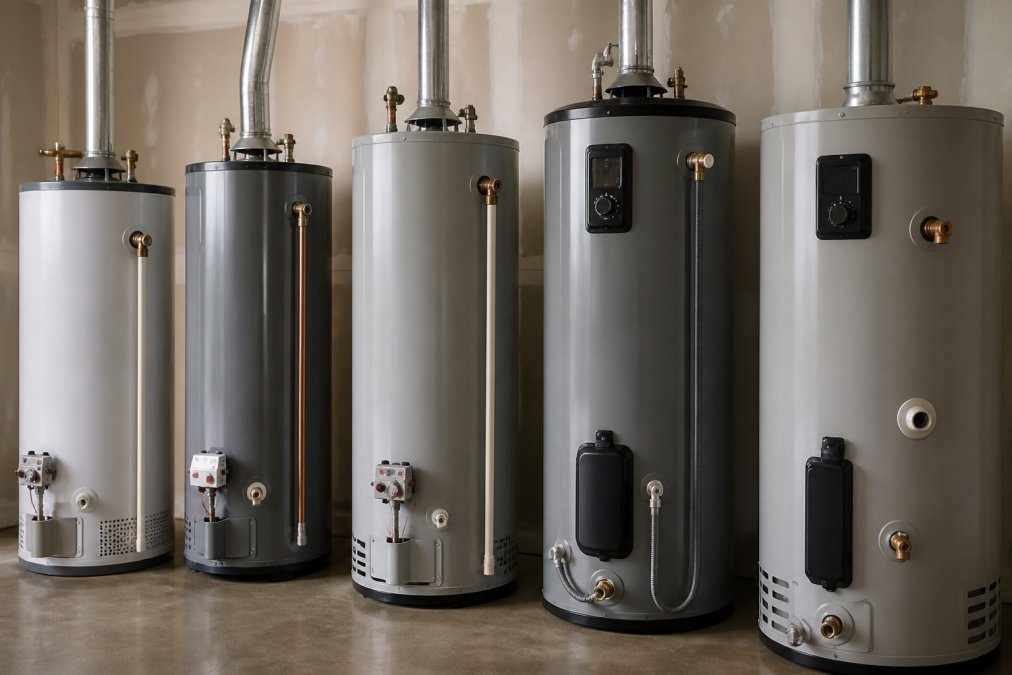
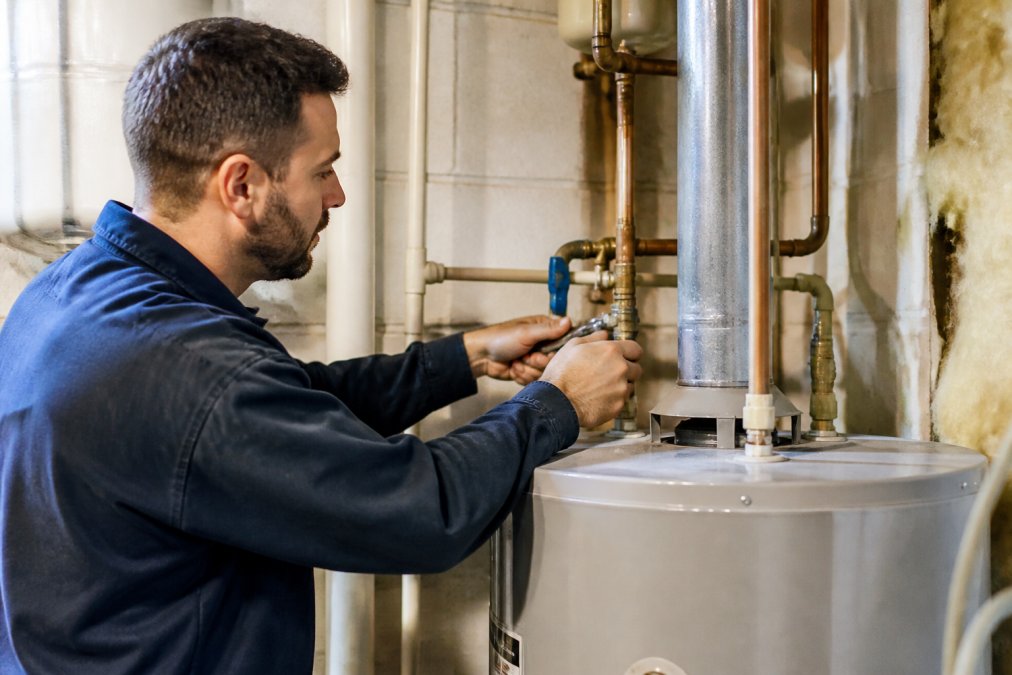
Your water heater is the most critical component.
Water Conservation and Lower Utility Bills
A leaking plumbing system wastes water constantly. Most homeowners don't realize how much water they're losing because the leak is hidden, behind walls, under floors, or in the sewer line.
Conclusion
Annual plumbing maintenance transforms your relationship with one of your home's most critical systems. You stop reacting to emergencies and start preventing them. You extend the lifespan of your fixtures and water heater. You lower your utility bills and protect your home's structure from water damage.
Frequently Asked Questions
What are the primary benefits of an annual plumbing inspection?
Annual plumbing inspections catch small leaks, corrosion, and drainage issues before they become costly emergencies. A professional inspection identifies water pressure problems, checks water heater condition, tests sump pumps, and verifies valve operation. Early detection of these issues prevents water damage, extends fixture lifespan, and helps you avoid the high cost of emergency repairs. Most homeowners discover minor issues during routine inspections that would have escalated into major problems within months.
How often should you have your plumbing inspected to avoid major problems?
Most plumbing professionals recommend annual inspections as a baseline for preventative maintenance. Homes with older plumbing systems, properties with private wells, or those that have experienced previous leaks should schedule inspections twice yearly. Annual inspections catch issues like pipe corrosion, fixture wear, and early leak development. This frequency balances cost-effectiveness with the protection needed to maintain system integrity and prevent emergency repairs.
Does annual plumbing maintenance help extend the lifespan of water heaters?
Yes. Annual water heater flushes remove sediment buildup that reduces efficiency and accelerates component failure. Regular maintenance includes checking the anode rod, testing temperature and pressure relief valves, and inspecting connections for corrosion. These routine tasks can add 3-5 years to a water heater's lifespan. Without maintenance, sediment buildup forces your water heater to work harder, leading to premature failure and costly replacement.
Is it worth paying for a professional plumbing maintenance plan?
Professional maintenance plans are cost-effective when you calculate the difference between annual service fees and emergency repair costs. Emergency plumbing calls can cost significantly more due to after-hours rates and the urgency of the situation. A maintenance plan can provide priority scheduling, and early detection of issues that prevents water damage to your home. For homeowners concerned about unexpected costs and system reliability, a professional plan can deliver both peace of mind and financial savings.