 how-to
Well Pump Repair: A How-To Guide for Chester County
Table of Contents
- Signs of a Bad Well Pump
- How to Fix Low Water Pressure
- Emergency Well Pump Repair: When to Call a Professional
- DIY vs. Professional Repair Thresholds
- Cost of Well Pump Replacement and What to Expect
- Preventative Maintenance to Avoid Future Well Pump Problems
- Frequently Asked Questions
Last Updated: September 21, 2026
Signs of a Bad Well Pump
A failing well pump shows itself through specific warning signs. The most obvious is a sudden drop in water pressure or a complete loss of water supply. You might also notice that water comes out in spurts, or that your pressure tank cycles on and off more frequently than usual.
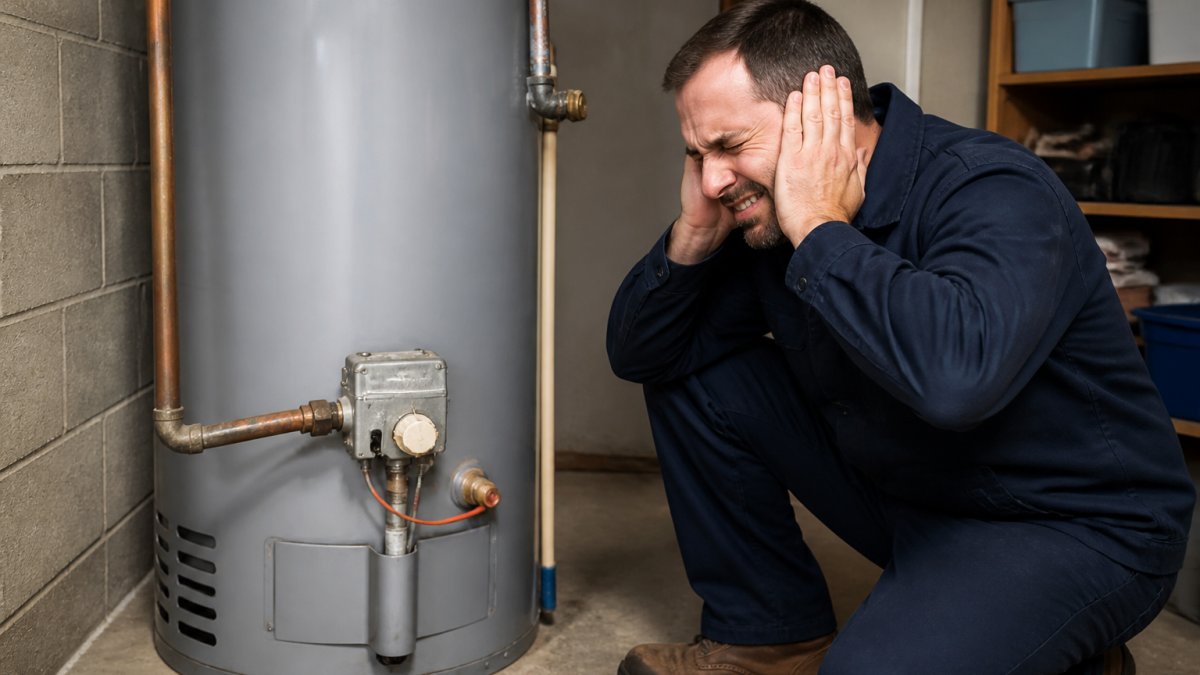
Other indicators include discolored water (often rust-colored), unusual noises from the pump or pressure tank, or higher-than-normal electric bills. If your well pump is making grinding, squealing, or rattling sounds, the motor is likely wearing out. Some homeowners notice that their water heater struggles to fill, or that outdoor faucets deliver barely a trickle.
Catching these early signs can help prevent emergency failures. A pump that's starting to fail won't get better on its own. The longer you wait, the more likely you'll face a complete breakdown when you need water most.
How to Fix Low Water Pressure
Low water pressure is frustrating, but it's not always a pump problem. Several components in your well system can cause weak flow. The good news is that some fixes are simple enough to try yourself before calling a professional.
Check Your Pressure Tank
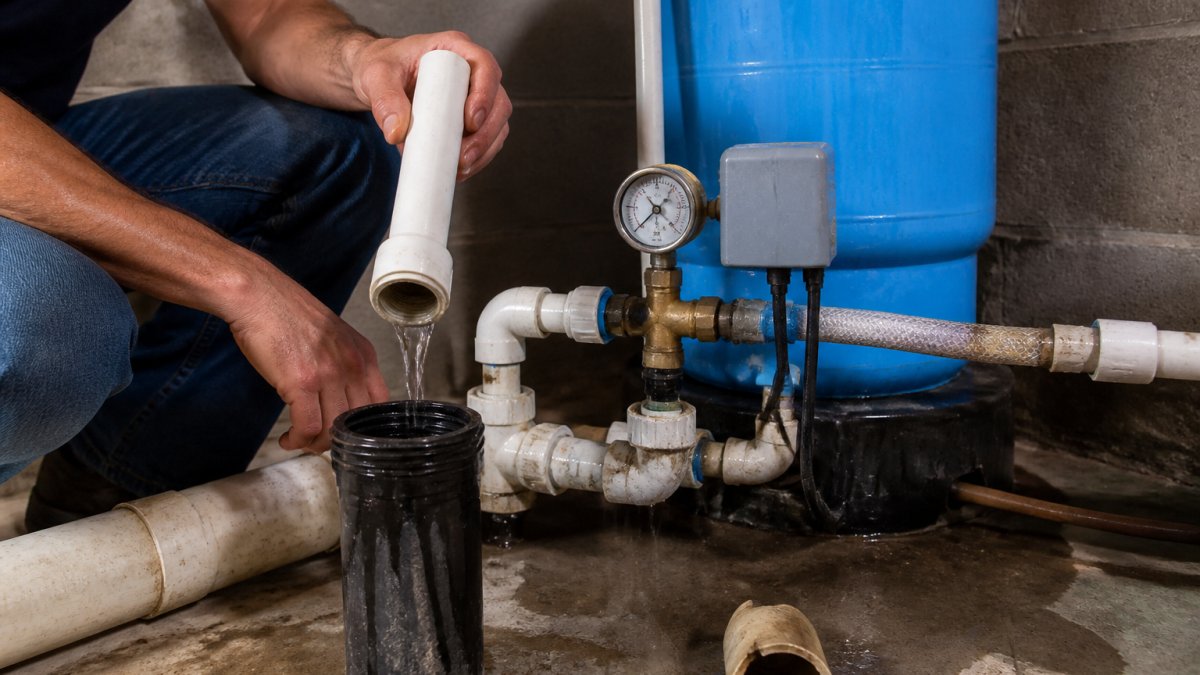
Your pressure tank stores water under pressure and releases it when you open a faucet. If this tank fails, your water pressure drops immediately. Start by checking the air valve at the top of the tank, which looks like a tire valve on a car.
Press a screwdriver against the valve to see if air hisses out. If no air comes out, the tank's air charge is gone and pressure won't build. Some tanks can be recharged by adding air with a tire pump. However, if the tank is old or corroded, replacement is usually the only solution.
Inspect Your Water Lines
Water line leaks reduce pressure throughout your system. Check visible pipes in your basement or crawl space for water dripping or pooling. Even small leaks waste water and pressure.
Look for corrosion or pinhole leaks in copper pipes, which are common in older systems. If you find a leak, mark it and contact a professional for repair. Underground leaks are harder to detect but often show up as wet spots in your yard or unusually green patches of grass.
Test Your Pressure Switch
The pressure switch tells your pump when to turn on and off. A faulty switch can prevent the pump from running at all, leaving you with no pressure. The switch is typically mounted on a pipe near your pressure tank.
Look for a small lever or button on the switch. If it's stuck or won't move freely, the switch needs replacement. This is a job for a professional, as improper adjustment can damage your pump or create safety hazards.
Emergency Well Pump Repair: When to Call a Professional
Some well pump problems demand immediate professional help. If you have no water at all and simple checks haven't fixed it, stop troubleshooting and call a licensed contractor. Attempting complex repairs yourself can damage the pump further or create electrical hazards.
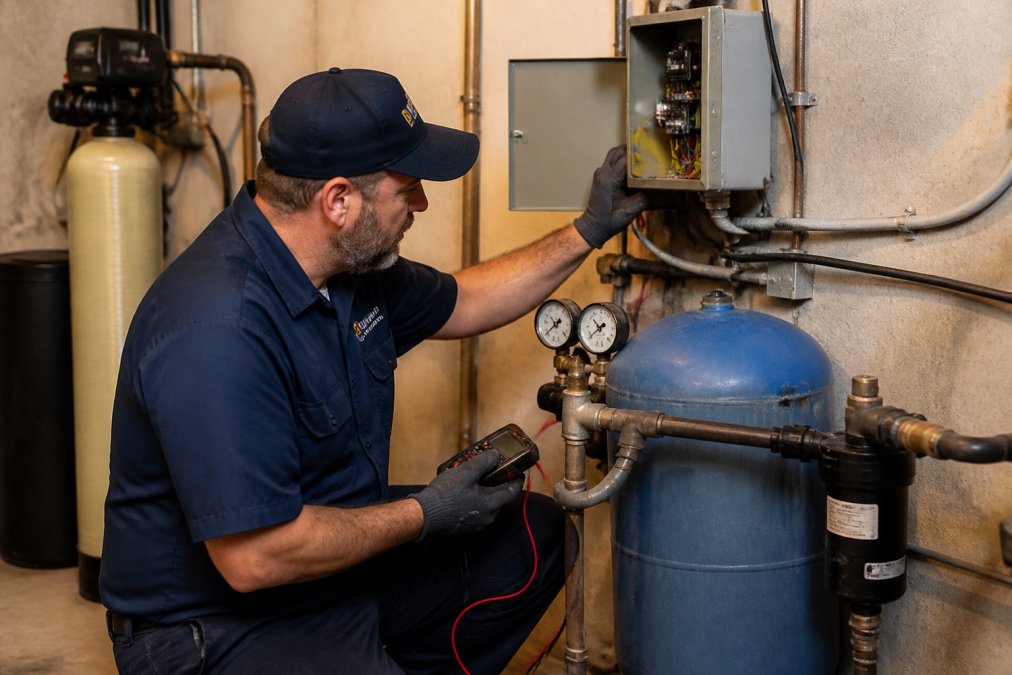
Electrical issues are especially dangerous. If your pump won't start or you smell burning near the control box, turn off power at the breaker and call for help immediately. Water and electricity don't mix safely.
A licensed contractor has the tools to diagnose pump problems quickly. They can test the motor, check electrical connections, inspect the well casing, and determine whether repair or replacement makes sense. England's Plumbing & Heating serves Chester County with emergency response for situations like these, arriving with the equipment needed to restore your water supply.
DIY vs. Professional Repair Thresholds
Knowing when to fix it yourself versus calling a pro saves both money and headaches. Some tasks are genuinely within reach for a confident homeowner. Others require licensing, specialized tools, or knowledge of local codes.
Safe DIY tasks include checking your pressure tank air charge, inspecting visible pipes for leaks, and testing whether a pressure switch moves freely. You can also listen for unusual pump noises and monitor your water pressure with a simple gauge.
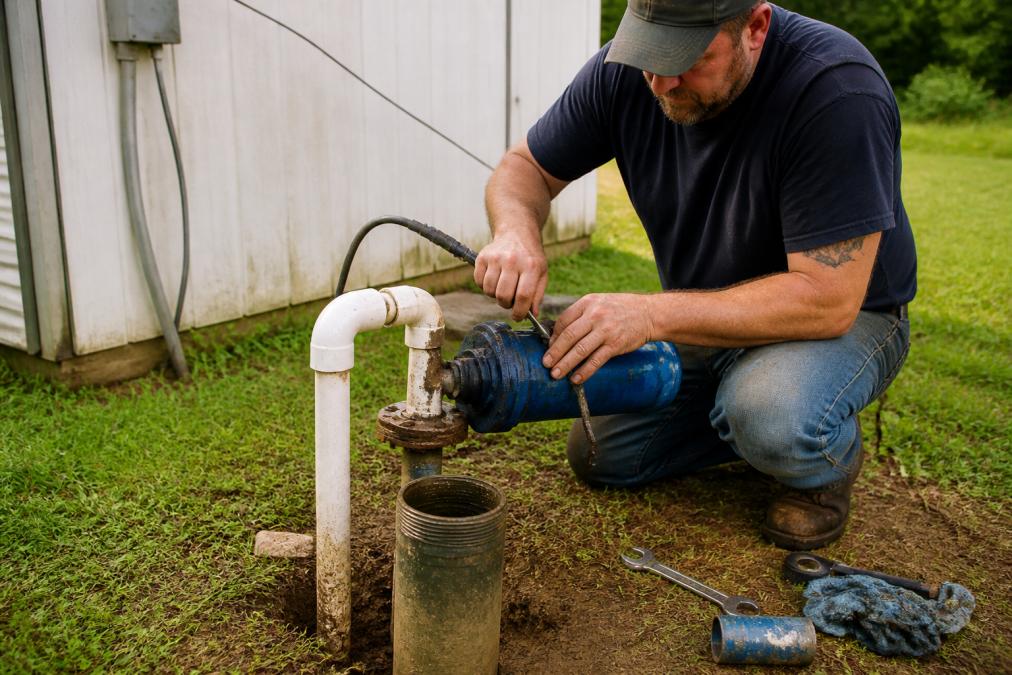
Call a professional for anything involving electrical work, pump removal, well casing inspection, or water line replacement. Submersible pumps and jet pumps require specific knowledge to replace safely. Improper installation can damage your well or void its warranty.
If you're renting or don't own the property, contact your landlord before attempting any repairs. Many lease agreements require professional service for well system work.
| Task | DIY Safe? | Reason |
|---|---|---|
| Check pressure tank air charge | Yes | Simple, low risk |
| Inspect visible water lines | Yes | Visual inspection only |
| Test pressure switch movement | Yes | Non-invasive check |
| Replace pressure tank | No | Requires specialized tools |
| Repair or replace pump | No | Electrical and mechanical complexity |
| Inspect well casing | No | Requires professional equipment |
| Troubleshoot control box | No | Electrical hazard |
Cost of Well Pump Replacement and What to Expect
Well pump replacement is a significant expense, and understanding the cost drivers helps you budget realistically. The final bill depends on well depth, pump type, labor accessibility, and whether additional repairs are needed simultaneously.
Pump Type and Depth
Pricing for well pump replacement depends on the pump type (jet vs. submersible), well depth, and labor required. Deeper wells or those requiring specialized equipment for extraction and reinstallation may incur higher costs.
Labor and Accessibility
Labor costs can vary based on the accessibility of your pump. Emergency service calls may also affect the overall cost.
Additional Repairs
Often, a failing pump signals that your pressure tank is aging too. Replacing both at once may be more cost-effective than separate service calls. Water line repairs, if discovered during pump removal, would be an additional cost.
What to Ask When Getting a Quote
When you contact a contractor, provide your well depth (check your well permit or ask your previous owner), the pump type if you know it, and your current water pressure reading. A professional will perform a site visit to assess accessibility and condition. Request a written estimate that itemizes labor, materials, and any contingencies. Reputable contractors will explain why costs are what they are and flag potential add-ons before starting work.
Warranty and Long-Term Value
A new pump typically comes with a 1-5 year manufacturer warranty. Some contractors offer service warranties that cover repairs if something fails shortly after installation. A pump with a longer warranty may offer better long-term value. Ask about warranty coverage before deciding.
Preventative Maintenance to Avoid Future Well Pump Problems
The best approach to well pump problems is preventing them in the first place. Regular maintenance catches small issues before they become emergencies. However, maintenance needs vary based on local water conditions and geology.
Seasonal Pressure and Water Table Monitoring
Test your water pressure once or twice a year, ideally in spring (after winter drawdown) and fall (after summer peak use). A simple pressure gauge can be used to test your water pressure. Write down the readings so you can spot trends. If pressure drops gradually over months, your system is sending you a warning. In areas with seasonal water table fluctuations, common in regions with clay-heavy soil, you may notice pressure dips during dry summers or after extended dry spells. This is normal, but a sudden drop beyond seasonal patterns indicates a problem.
Sediment and Iron Buildup
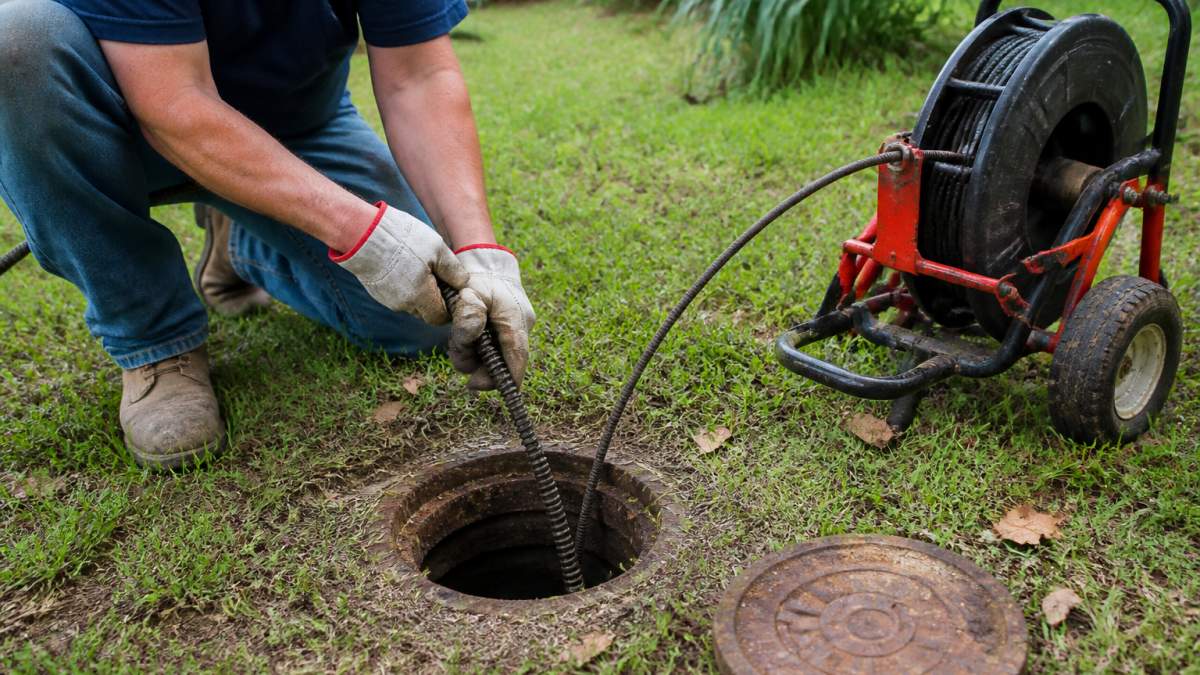
Wells in areas with high sediment or iron content require more frequent flushing. If your water occasionally appears rusty or cloudy, sediment is accumulating in your well screen or pump intake. Flush your well system every 2-3 years in normal conditions, or annually if you have persistent sediment issues. A professional can perform this service. Sediment clogs screens and reduces flow; ignoring it accelerates pump wear.
Pressure Tank and Control Box Inspection
Inspect your pressure tank annually for corrosion, leaks, or rust, especially if your water has high mineral content. Listen to your pump during normal operation. A pump that suddenly sounds different is telling you something has changed. A grinding or squealing sound means the motor is struggling and may fail within months.
Well Area and Drainage
Water Quality Baseline
Professional System Inspection
Frequently Asked Questions
What are the most common signs of a failing well pump?
Common signs include no water coming from taps, low water pressure that won't improve, air sputtering from faucets, pump cycling on and off rapidly, and unusual grinding or humming sounds. Water discoloration or sediment in your water can also indicate pump failure. If you notice multiple signs together, have your well system inspected by a licensed contractor immediately.
Can I troubleshoot low water pressure myself before calling a professional?
Yes. Start by checking if the issue affects one faucet or your whole house. Test your pressure tank by listening for the pump cycling and checking the air valve. Inspect visible water lines for leaks or damage. Check your pressure switch settings and sediment filters. If pressure is below 40 PSI or you find leaks, stop and call a professional, water line repair and pressure tank maintenance require licensed work.
What is the average lifespan of a well pump, and when should I replace it?
Most submersible and jet pumps last 8 to 15 years with proper maintenance. Factors like water quality, groundwater conditions, and usage affect lifespan. If your pump is approaching 12 years old, has failed once, or shows multiple warning signs, replacement is often more cost-effective than repeated repairs. A well system inspection can confirm whether repair or replacement makes sense.
How much does well pump replacement typically cost?
Pricing depends on pump type (submersible vs. jet), well depth, and whether additional work like pressure tank replacement or water line repair is needed. Contact England's Plumbing & Heating for a quote, they can assess your specific situation and provide accurate pricing after inspecting your well system.