 how-to
Signs of Failing Well Pump: A Diagnostic Guide
Table of Contents
- Signs of Failing Well Pump
- How to Fix Low Water Pressure from Your Well
- Well Pump Cycling Frequently: Causes and Solutions
- Distinguishing Between Pump Failure and Other Issues
- DIY Troubleshooting Steps
- Well Pump Replacement Cost and Repair vs. Replace Decision
- When to Call a Professional
- Conclusion
- Frequently Asked Questions
Last Updated: September 2, 2026
Signs of Failing Well Pump
A failing well pump sends signals before complete failure. The challenge is distinguishing between a pump that's genuinely failing and other issues like a waterlogged pressure tank or faulty pressure switch. At England's Plumbing & Heating, we've spent decades helping Chester County homeowners diagnose these problems before they become emergencies.
Pressure and Flow Issues
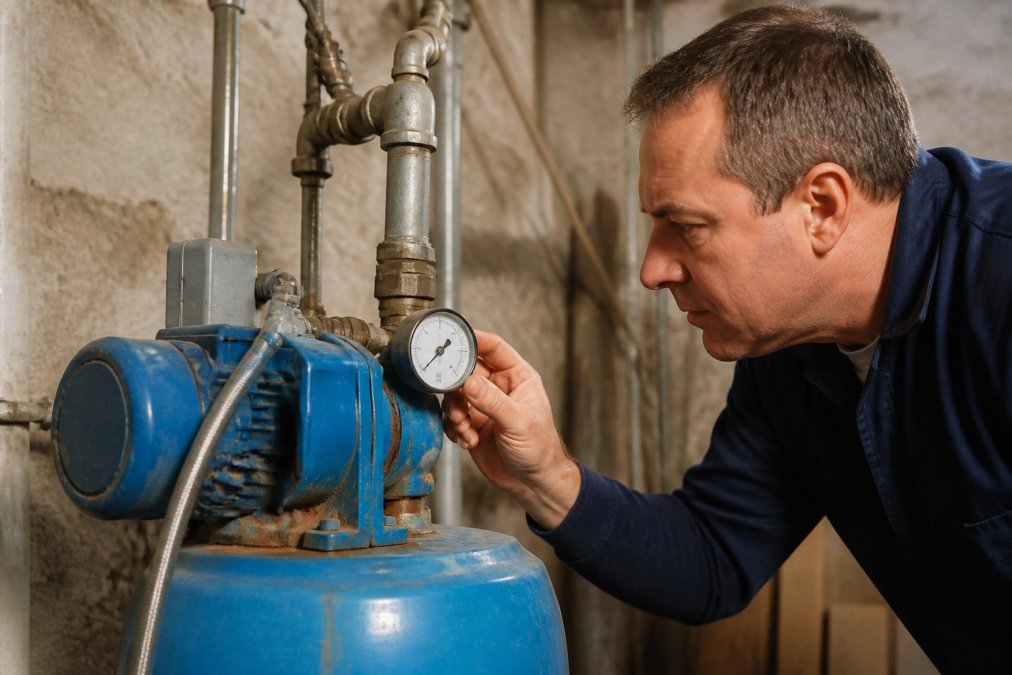
Water pressure problems are often the first sign something's wrong with your well system. When a failing well pump can't maintain consistent pressure, you'll notice faucets delivering weak streams or showers that alternate between strong and weak. This happens because the pump struggles to keep the pressure tank charged.
A properly functioning submersible pump should maintain 40-60 PSI (pounds per square inch) in your system (nsf.org). When pressure drops below 30 PSI, the pump is working harder than it should, accelerating wear on the electrical motor and coupling (the EPA).
Frequent cycling, where the pump runs in short bursts every few minutes, indicates a waterlogged pressure tank or failing pump. A pressure switch triggers the pump to run when pressure drops below 30 PSI and stops it around 50-60 PSI. If your pump cycles more frequently than normal, the pressure tank may be waterlogged or the pump may be losing its ability to build pressure efficiently.
Electrical and Mechanical Symptoms
If your breaker trips when the pump runs, the motor is drawing excessive amperage due to mechanical resistance or internal electrical faults. This is a safety warning that requires immediate professional attention.
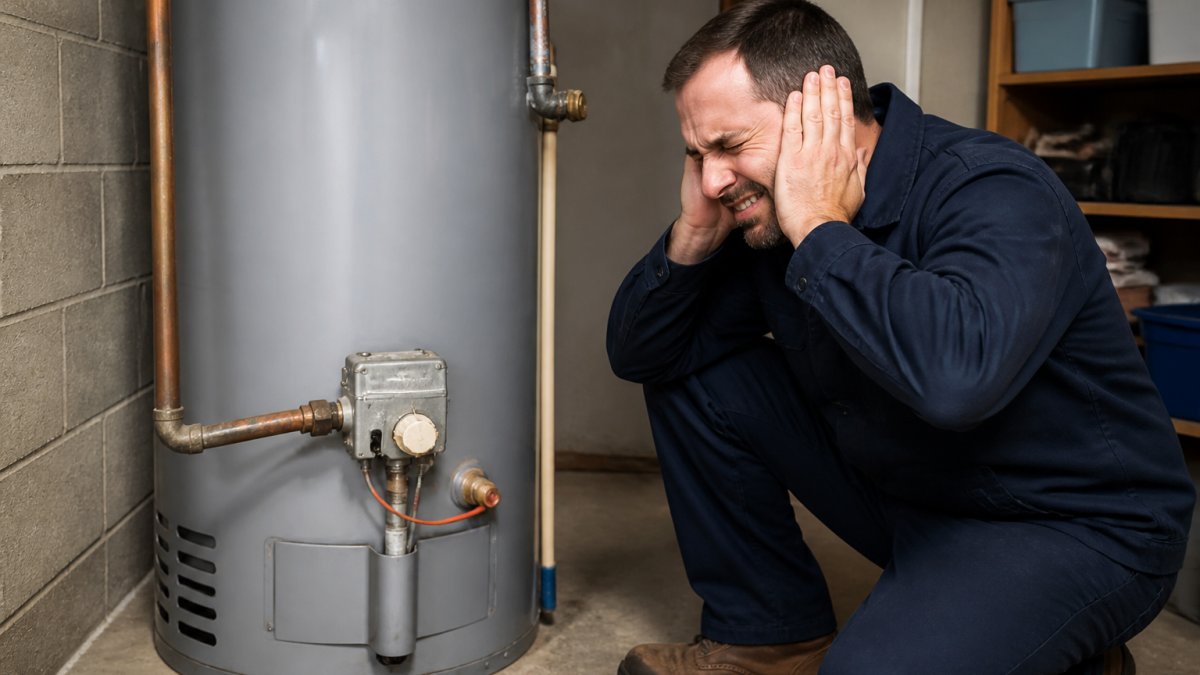
Strange noises signal mechanical problems. A grinding sound suggests the impeller is damaged or the coupling is worn. Squealing usually means motor bearings are failing. A rattling noise might indicate sediment in the pump housing or loose internal components.
Sputtering at faucets, where water comes out in bursts rather than steadily, often points to air entering the system. This usually indicates a failed check valve, which prevents backflow and maintains prime in your system.
How to Fix Low Water Pressure from Your Well
Low water pressure is fixable if you address the right component. The key is determining whether the pump, pressure tank, or pressure switch is responsible.
Checking the Pressure Switch
The pressure switch controls when your pump turns on and off. A faulty switch causes the pump to run constantly or not at all. Locate the switch (usually a cylindrical device mounted on or near the pressure tank) and listen for a clicking sound when a faucet runs. If you hear no click, the switch may be stuck or failed.
You can test the switch by turning off power at the breaker and using a multimeter to test continuity across the switch terminals. If the switch shows no continuity when it should, it needs replacement.
Inspecting the Pressure Tank
A waterlogged pressure tank is one of the most common causes of pressure problems. Inside the tank is a rubber bladder that separates air from water. When the bladder fails, water fills the entire tank, leaving no room for the air cushion that maintains pressure.
To check if your tank is waterlogged, turn off the pump and open the lowest faucet in your house to drain the system completely. If water continues dripping for more than a few seconds after you stop using water, the tank is likely waterlogged.
You can attempt to recharge the tank yourself if you have an air compressor. Drain the system completely, then use the air valve on top of the tank to add air until you reach 2 PSI below your pump's lower pressure setting (typically 28 PSI if your pump cuts in at 30 PSI). However, if the tank is truly waterlogged due to a failed bladder, recharging is only temporary. The tank will need replacement eventually.
Well Pump Cycling Frequently: Causes and Solutions
Frequent cycling wastes energy and accelerates component failure. The most common causes are a waterlogged pressure tank, a failing pressure switch, or a leak in your plumbing system.
Start by checking for leaks. Even a small drip forces the pump to cycle more often to maintain pressure. Walk your property and listen for running water when no faucets are open. Check under sinks, around water heaters, and along visible water lines.
If you find no leaks, the pressure tank is the next suspect. Recharge the tank with air if possible, or plan for replacement if the issue persists. A well pump that cycles more than 4-5 times per hour is working far harder than it should.
The pressure switch itself can also cause cycling problems if its settings have drifted or if it's stuck. A professional can adjust the switch settings or replace it if needed.
Distinguishing Between Pump Failure and Other Issues
Not every pressure problem means your pump is failing. Many homeowners replace a perfectly good pump because they didn't diagnose the real issue.
Pump vs. Pressure Tank Problems
A failing pump produces weak pressure that never recovers, even when running continuously. The pump may also make grinding or squealing noises, indicating internal damage.
A waterlogged pressure tank produces pressure that starts strong then drops quickly as you use water. The pump cycles on and off frequently because it can't maintain pressure between cycles. If pressure drops from 50 PSI to near zero within minutes after the pump shuts off, the tank is likely the problem, not the pump.
A bad pressure tank costs far less to replace than a submersible pump. If you're unsure, have a professional pressure test performed.
Pump vs. Check Valve Failure
A failed check valve allows water to drain back down the well line when the pump shuts off, causing the pump to lose prime. You'll notice the pump runs but produces little or no water at faucets.
To test the check valve, turn off the pump and open the lowest faucet in your house. If water flows out initially then stops, the check valve may be working. If water continues flowing steadily, the check valve is failing. A failed check valve can be replaced without replacing the entire pump.
DIY Troubleshooting Steps
Before calling a professional, you can perform several diagnostic checks that narrow down the problem.
Step 1: Check Your Pressure Gauge
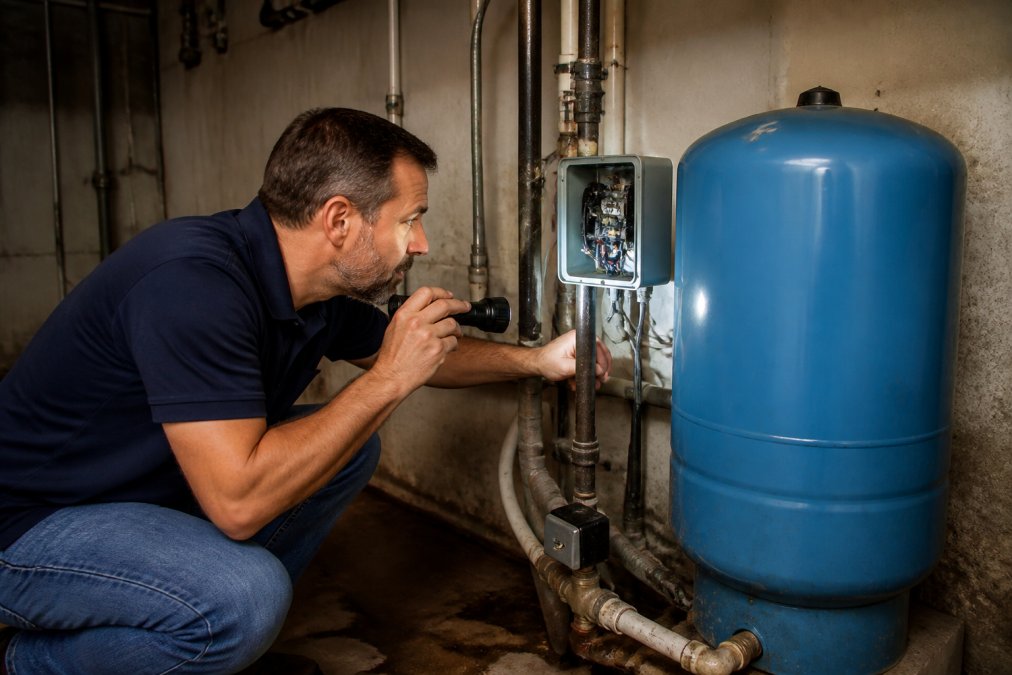
Locate the pressure gauge on or near your pressure tank. The normal range is 30-60 PSI, with the pump cutting in around 30 PSI and cutting out around 50-60 PSI. If the gauge reads below 20 PSI or above 80 PSI, your system is out of adjustment or a component is failing.
Step 2: Listen for Pump Operation
Turn on a faucet and listen for the pump to start. You should hear a distinct humming or running sound. If the pump doesn't start, check your electrical breaker. If the breaker has tripped, reset it. If it trips again immediately, the pump motor is drawing too much amperage and needs professional service.
Step 3: Monitor Pressure Changes
Turn on a faucet and watch the pressure gauge. Pressure should drop gradually as you use water. When pressure reaches the lower threshold (typically 30 PSI), the pump should kick in and pressure should climb back to 50-60 PSI. If pressure drops very quickly or the pump doesn't start, note this behavior for a professional.
Step 4: Check for Air in the System
Turn on a faucet and observe the water flow. If water comes out in bursts or sputters, air is entering the system. This usually indicates a failed check valve or a leak where air can enter.
Step 5: Inspect Visible Components
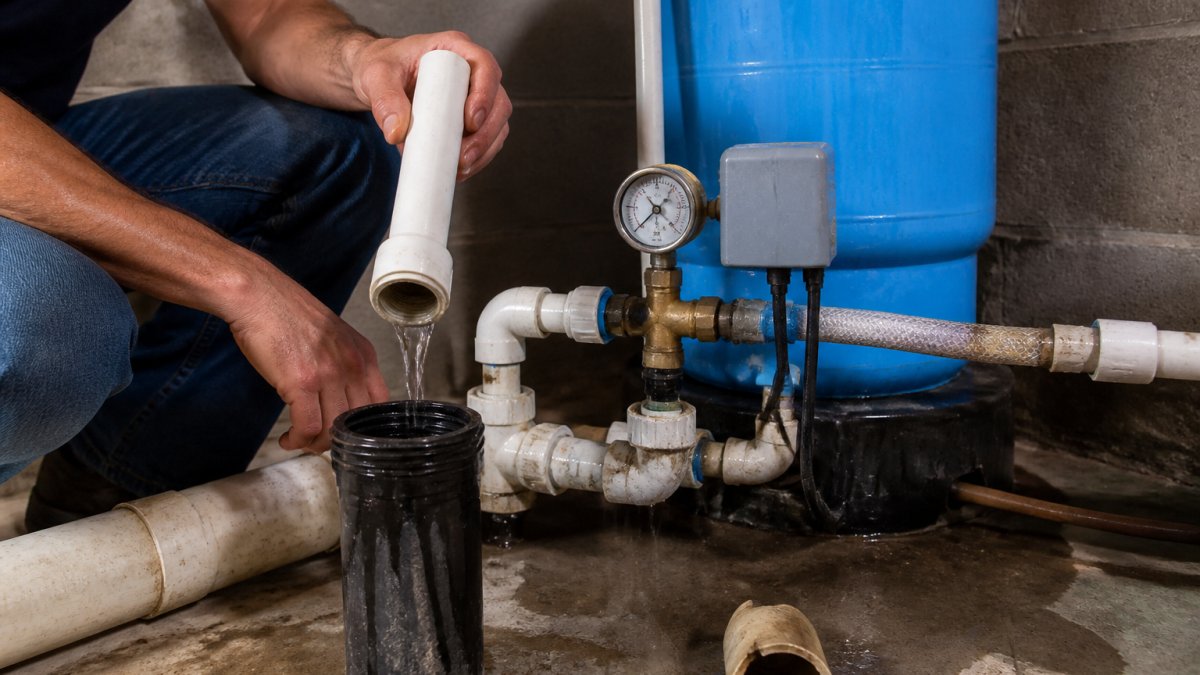
Look at the pressure tank, pump motor, and electrical connections. Check for water leaks around the tank or pump. Look for corrosion on electrical terminals. Discolored water suggests sediment in the system, which can damage the impeller.
Step 6: Test the Pressure Switch
If you're comfortable working with electrical components, turn off power at the breaker and use a multimeter to test the pressure switch. The switch should show continuity when pressure is below its cut-in point and no continuity when pressure is above its cut-out point. If the switch shows the opposite behavior or no change, it's failed.
Well Pump Replacement Cost and Repair vs. Replace Decision
Deciding whether to repair or replace your well pump depends on the pump's age, the cost of repair, and the severity of the problem.
When Repair Makes Sense
Repair is the logical choice when the problem is not the pump itself. If your pressure tank is waterlogged, replacing the tank costs significantly less than replacing the pump. If the pressure switch has failed, replacing it is inexpensive. If the check valve is stuck, cleaning or replacing it restores function without touching the pump.
Repair also makes sense if your pump is relatively new (under 10 years old) and the problem is clearly a single component failure. Once you fix the specific issue, the pump should return to normal operation.
When Replacement Is the Better Choice
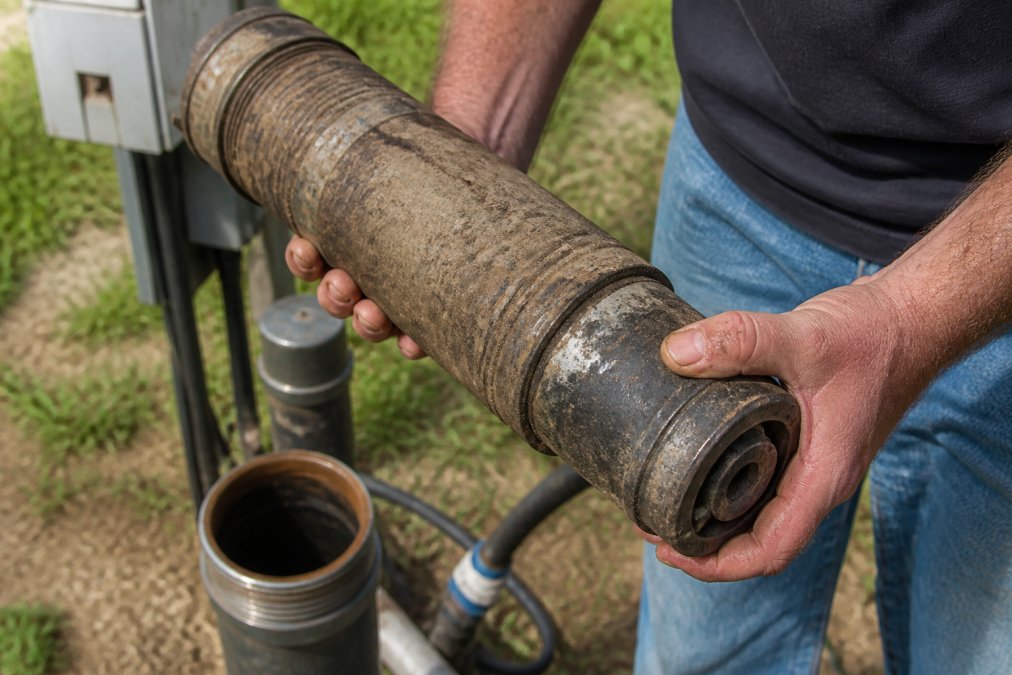
Replacement becomes the smarter decision when the pump itself is damaged internally. A grinding impeller, a burned-out motor, or a severely worn coupling can't be fixed with minor repairs.
Age also favors replacement when your pump is nearing the end of its typical lifespan (10-15 years). If a pump that's already 12 years old needs a major repair, the cost of that repair plus the likelihood of additional failures soon after makes replacement more economical.
Water quality affects this decision too. If your well water contains high levels of sediment or minerals, your pump will fail sooner than average. Replacement, combined with water treatment to address sediment, prevents future failures.
Have a professional assess whether repair or replacement makes sense for your specific situation.
When to Call a Professional
Some well pump problems require professional expertise and equipment you don't have.
Call a professional immediately if your breaker trips when the pump runs. This indicates the motor is drawing dangerous amperage, and continuing to reset the breaker risks electrical fire.
Call if you hear grinding or squealing noises from the pump. These sounds indicate internal mechanical failure that will worsen quickly.
Call if your water is discolored or has a strong odor. This suggests sediment or contamination has entered your system, which may require flushing the well or addressing a water quality issue.
Call if you've performed basic troubleshooting and pressure problems persist. A professional has diagnostic equipment that can measure voltage at the pump, test pressure switch function under load, and identify whether the pump is losing prime or failing internally.
England's Plumbing & Heating has handled well pump issues for homeowners throughout Chester County since 1989. We can diagnose your specific problem, recommend repair or replacement, and handle the work professionally.
Conclusion
A failing well pump shows distinct signs: weak or inconsistent pressure, frequent cycling, electrical problems, or mechanical noises. Many pressure problems stem from the pressure tank or pressure switch, not the pump itself. DIY troubleshooting can narrow down the issue, but professional diagnosis prevents costly mistakes.
Whether your well pump needs repair or replacement depends on its age, the specific problem, and repair costs compared to replacement. When you're uncertain, professional assessment is worth the investment.
England's Plumbing & Heating offers expert well pump diagnosis and repair for Chester County homeowners. Book online or contact our team to schedule a professional evaluation of your well system.
Frequently Asked Questions
What are the first signs of water pump failure?
The earliest indicators include reduced water pressure at faucets, sputtering water flow, the pump cycling on and off more frequently than normal, and discolored water coming from taps. You may also hear unusual grinding or squealing noises from the pump motor. If you notice any combination of these signs, have your well pump inspected soon to prevent complete failure.
How often should a well pump cycle, and what does frequent cycling mean?
A healthy well pump typically cycles 2 to 4 times per hour during normal water use. Frequent cycling, turning on and off more than 6 times per hour, often signals a waterlogged pressure tank, a failing check valve, or low water table conditions. This excessive cycling strains the pump motor and electrical system, reducing lifespan and increasing energy consumption. Have a professional diagnose the root cause.
Can a bad pressure tank mimic a failing well pump?
Yes, a waterlogged or failing pressure tank can produce many of the same symptoms as a failing pump: inconsistent water pressure, frequent cycling, and sputtering faucets. The pressure tank stores water and maintains consistent pressure in your plumbing system. If the tank loses its air charge or develops internal corrosion, it cannot do its job, even if the pump itself is healthy. A professional can test the tank pressure to confirm whether it or the pump is the problem.
What should I do if my well pump is making loud noises?
Loud grinding, squealing, or rattling sounds indicate mechanical trouble inside the pump or motor. These noises often mean the impeller is damaged, bearings are failing, or the coupling is misaligned. Do not ignore these sounds, they signal imminent failure. Turn off the pump if safe to do so, and call a professional immediately. Continued operation risks complete pump failure and potential damage to your water supply system.
When your well pump fails, water stops flowing and stress rises fast. England's Plumbing & Heating diagnoses the problem accurately, whether it's the pump, pressure tank, pressure switch, or check valve, and provides professional repair or replacement. With over 35 years serving Chester County, we handle complex well systems that other contractors avoid. Get started with a professional assessment and restore your water supply reliably.