 how-to
Why Your Water Heater Makes Noise: Diagnosis & Fixes
Table of Contents
- Common Water Heater Noises and What Causes Them
- Noise Diagnosis by Water Heater Type
- How to Flush a Water Heater Tank
- Understanding Water Heater Pressure and Thermal Expansion
- Preventative Maintenance to Stop Noise Before It Starts
- Cost of Water Heater Replacement and When to Upgrade
- When to Call a Professional Plumber
- Frequently Asked Questions
Last Updated: October 2, 2026
Common Water Heater Noises and What Causes Them
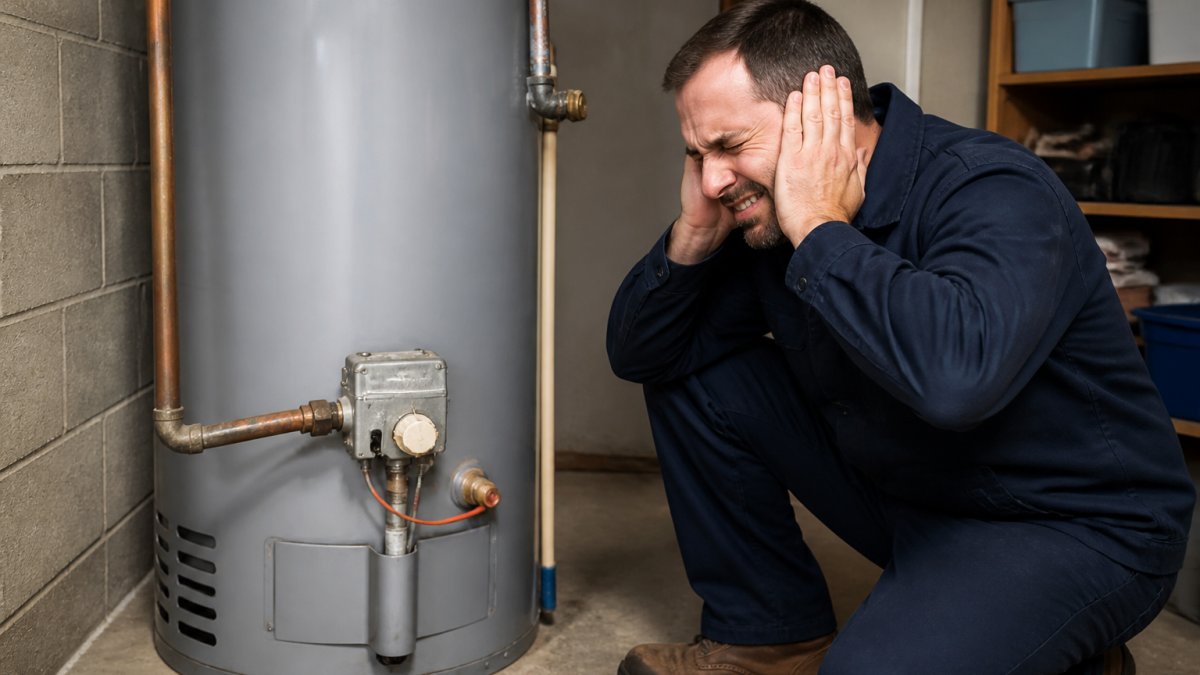
A water heater making noise is often your first sign that something needs attention. The sound tells a story about what's happening inside the tank. Understanding these noises helps you decide whether to call a professional or handle a simple fix yourself.
Water heaters produce several distinct sounds, each with different causes. Some are harmless. Others signal that maintenance is overdue. Here's what to listen for.
Popping and Knocking Sounds
Popping noises from your water heater usually mean sediment has built up on the tank bottom. As the heating element warms water, it heats the sediment first.
Knocking typically happens in your plumbing system when water pressure changes suddenly. This is called water hammer.
Both issues are fixable:
- Sediment buildup: Flush your tank to remove mineral deposits
- Water hammer: Install a pressure relief valve or water hammer arrestor
- Prevention: Drain your tank annually to stop sediment from accumulating
If the popping is loud and frequent, sediment has likely built up significantly. We recommend flushing your tank before the problem damages the heating element.
Humming and Vibration
A humming sound from your water heater usually comes from the heating element vibrating. As electricity passes through it, the element vibrates slightly. In most cases, this is normal and harmless.
However, excessive humming can mean:
- The heating element is loose and needs tightening
- Sediment coating the element is causing vibration
- Water pressure inside the tank is too high
A simple fix is to tighten the heating element. If humming persists after tightening, sediment is likely the culprit, another reason to flush your tank regularly.
Sizzling and Crackling
Sizzling sounds indicate moisture is reaching a hot surface inside the tank. This happens when:
- Condensation drips onto the heating element
- A leak allows water to escape onto hot metal parts
- The dip tube (which carries cold water to the tank bottom) has cracked
Sizzling is more common in electric water heaters than gas models. If you hear persistent sizzling, check for visible leaks around the tank and connections. A small leak can become a major problem quickly.
Noise Diagnosis by Water Heater Type
Different heater types make different noises. Knowing your heater type helps you pinpoint the problem faster.
Gas Water Heater Noises
Gas water heaters produce a rumbling sound when the burner ignites. This is normal. You'll hear it when the thermostat triggers heating.
A loud rumbling or roaring noise means sediment has built up under the burner. The burner heats the sediment, which causes the sound.
Gas heaters also make a ticking sound as metal expands and contracts from temperature changes. This is normal and requires no action.
Listen for:
- Rumbling during heating cycles (sediment problem)
- Ticking as the tank heats and cools (normal)
- Hissing near the burner (possible gas leak, call a professional immediately)
Electric Water Heater Noises
Electric heaters are quieter than gas models but still produce sounds you should know.
The most common noise is a high-pitched humming or whining. This comes from the heating element vibrating as electricity flows through it. It's usually harmless, but if it's loud, the element may be loose or sediment-coated.
Electric heaters also produce popping and sizzling sounds more frequently than gas models because condensation forms more readily on the heating element.
Watch for:
- Humming during heating cycles (usually normal)
- Loud popping (sediment buildup)
- Sizzling or crackling (moisture on heating element or cracked dip tube)
Tankless Water Heater Noises
Tankless units make different noises because they heat water on demand without storing it.
A high-pitched whining or whistling sound is common in tankless heaters. It comes from water flowing rapidly through the heating chamber. This is normal operation.
Popping or banging can occur if mineral deposits form inside the heat exchanger. Tankless heaters are especially prone to scaling in hard water areas. Flushing a tankless unit requires special equipment and is best left to professionals.
Tankless heaters may also make a clicking sound when the igniter fires. This is normal.
Common tankless sounds:
- Whistling or whining during use (normal, water flowing through heating chamber)
- Popping (mineral scaling, flush the unit)
- Clicking (igniter firing, normal)
How to Flush a Water Heater Tank
Flushing removes sediment and mineral deposits that cause noise and reduce efficiency. It's one of the best preventative maintenance steps you can take.
What You'll Need
Gather these items before starting:
- Garden hose (long enough to reach a drain or outdoor area)
- Adjustable wrench or socket set
- Bucket (for catching water)
- Work gloves and safety glasses
- Towels or rags
- Flashlight (to see connections clearly)
- Flathead screwdriver (for drain valve)
Step-by-Step Flushing Process
Step 1: Turn off the water heater
Switch off the power at the breaker for electric heaters.
Step 2: Close the cold water inlet valve
This valve is at the top of the tank.
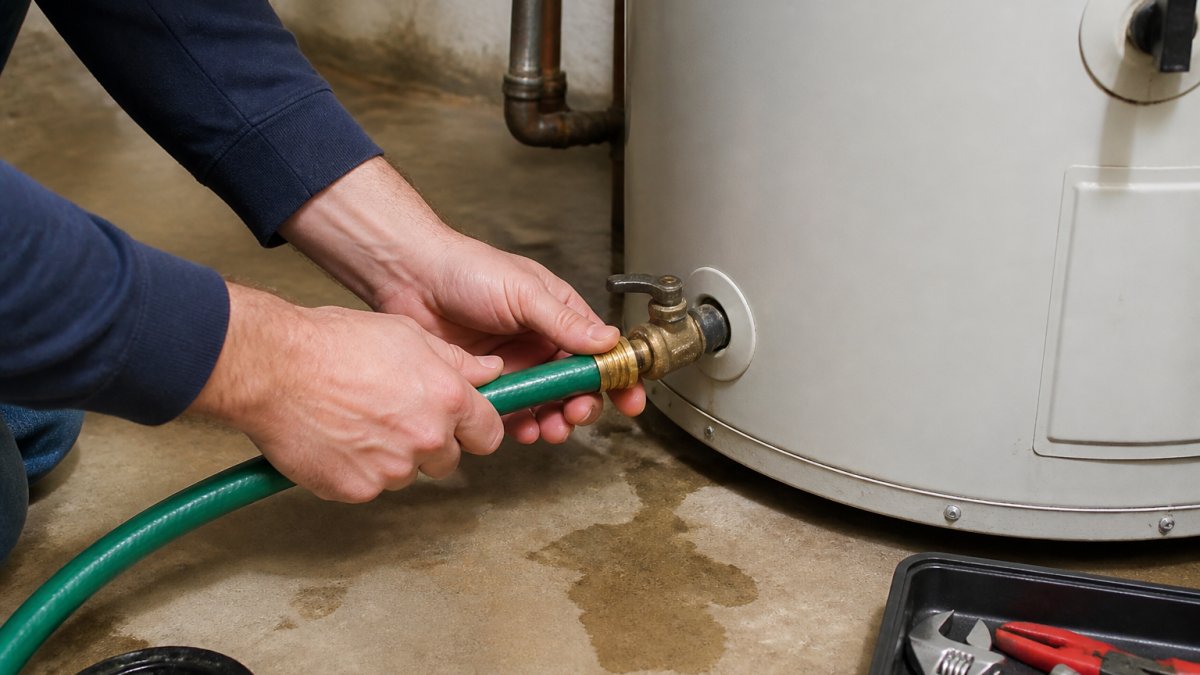
Step 3: Attach the garden hose
Locate the drain valve at the tank bottom.
Step 4: Open the drain valve
Turn the drain valve counterclockwise slowly. Water will flow out.
Let the tank drain completely.
Step 5: Flush the tank
Repeat this flush-and-drain cycle 2-3 times until the water runs clear.
Step 6: Close the drain valve and refill
Turn the drain valve clockwise to close it.
Step 7: Bleed air from the system
Step 8: Restore power
For electric heaters, switch the breaker back on.
Safety Precautions and PPE
Water heater flushing involves hot water and pressurized systems. Take these precautions seriously:
- Wear work gloves and safety glasses. Hot water causes severe burns. Sediment particles can irritate eyes.
- Let the heater cool first. Wait at least 30 minutes after turning off power before opening valves.
- Never open the pressure relief valve. This valve releases pressure if the tank overheats. Opening it manually can cause scalding water to spray out.
- Ensure proper drainage. Direct the hose away from people and pets. Hot water draining can cause burns.
- Work in a well-ventilated area. Gas heaters release fumes. Ensure your basement or utility room has adequate air circulation.
- Have a fire extinguisher nearby. Keep one accessible when working near a gas heater.
If you're uncomfortable with any step, stop and call a professional. England's Plumbing & Heating can handle flushing safely and efficiently.
Understanding Water Heater Pressure and Thermal Expansion
Water heater pressure problems often cause noise. Understanding thermal expansion helps you prevent it.
When water heats, it expands. In a closed system (your home's plumbing), this expansion creates pressure.
If your plumbing system is closed (no room for water to expand), pressure builds quickly. This causes knocking sounds in pipes and can stress the tank.
Signs of excessive pressure:
- Water leaking from the pressure relief valve
- Banging or knocking in pipes throughout the house
- Weak water pressure at faucets (pressure relief valve is venting)
If you notice these signs, have your water pressure checked. Normal household pressure is 40-80 PSI. If it's higher, a plumber can install a pressure regulator or expansion tank.
Preventative Maintenance to Stop Noise Before It Starts
Regular maintenance prevents most water heater noises. A simple schedule keeps your system running quietly.
Annual tasks:
- Drain and flush the tank to remove sediment
- Test the pressure relief valve
- Check for leaks around connections and the drain valve
- Inspect the anode rod (in tank-style heaters) for corrosion
Every 3-5 years:
- Have a professional inspect the tank interior for corrosion
- Check the dip tube for cracks
- Test water hardness, hard water causes faster sediment buildup
For tankless heaters:
- Flush annually with a descaling solution (professional service recommended)
- Check inlet screens for mineral buildup
Maintenance costs far less than replacing a failed heater. Many water heater problems start with small noises that homeowners ignore. By the time noise becomes loud, damage is often significant.
Cost of Water Heater Replacement and When to Upgrade
A water heater making noise persistently is often a sign the unit is aging.
Most tank-style water heaters last 8-12 years. Tankless units last 15-20 years.
Consider replacement if:
- Your heater is over 10 years old (tank-style) or 15 years old (tankless)
- Repairs are frequent and costly
- The tank is leaking
- Sediment buildup is severe and causes recurring noise
- Energy bills are rising, older heaters lose efficiency
Replacement costs vary based on heater type, size, and installation complexity. For specific pricing and options, contact England's Plumbing & Heating for a quote.
Upgrading to a high-efficiency model often reduces energy costs enough to offset the replacement investment within a few years.
When to Call a Professional Plumber
Some water heater problems require professional expertise. Knowing when to call saves time and prevents damage.
Call a plumber immediately if:
- You see water pooling around the tank base (tank leak)
- You hear hissing near the burner or gas line (possible gas leak)
- The pressure relief valve is leaking continuously
- The tank is bulging or visibly corroded
- You smell gas or rotten eggs (gas leak or hydrogen sulfide)
Call for diagnosis if:
- Noise is loud, new, or worsening
- Flushing didn't resolve the noise
- You're unsure whether the sound is normal
- You want a professional inspection before deciding on replacement
Call for maintenance if:
- Your tank is over 5 years old and has never been flushed
- You want to extend your heater's lifespan
- You're planning to sell your home and want documentation of system condition
Professional plumbers have tools to safely diagnose problems and perform complex repairs. They can also identify issues you might miss, like a cracked dip tube or failing heating element.
At England's Plumbing & Heating, our team serves Chester County with reliable water heater service.
Frequently Asked Questions
How do I know if my water heater is about to burst?
Watch for loud popping or banging sounds combined with visible leaks, rust stains on the tank exterior, or water pooling beneath the unit. These signs indicate sediment buildup and internal pressure problems. If you hear these noises and see leaks, shut off the water supply immediately and contact a professional plumber, a failing water heater tank can rupture without warning.
What's the best way to flush a water heater to reduce noise?
Turn off power and the cold water shutoff valve, then attach a garden hose to the drain valve near the tank's base. Open the drain valve slowly and let water flow into a bucket or floor drain until it runs clear. This removes mineral deposits and sediment that cause popping sounds. Flush annually to maintain performance and reduce noise from scale accumulation.
Should my water heater be completely silent?
Most water heaters produce some low-level humming from the heating element or burner operation, this is normal. However, loud popping, knocking, sizzling, or prolonged humming indicates a problem. If the noise is new or noticeably louder than before, mineral deposits or a failing component is likely. Compare current noise to how it sounded when first installed.
What factors affect the cost of water heater replacement?
Replacement costs depend on heater type (tankless units cost more than traditional tanks), capacity, fuel source (gas or electric), installation complexity, and local labor rates. Additional factors include whether your existing plumbing and gas lines need upgrades, and if the old unit requires professional removal and disposal. Contact a licensed plumber for an accurate quote based on your specific situation.
Water heater noise is usually fixable. Most sounds come from sediment buildup, which regular flushing prevents. If flushing doesn't help or if your heater is aging, professional inspection clarifies whether repair or replacement makes sense. Contact England's Plumbing & Heating today to schedule a water heater evaluation. Our team will diagnose the problem, explain your options, and get your system running quietly again with the reliable service Chester County homeowners have trusted since 1989.