 comparison
Gas vs Electric Water Heater Cost: 2026 Comparison
Table of Contents
- Gas vs Electric Water Heater Cost: Quick Comparison Table
- Initial Purchase Price vs. Long-Term Operating Costs
- Gas vs Electric Water Heater Efficiency: Energy Ratings and Fuel Sources
- Installation Requirements: Venting, Electrical, and Gas Line Considerations
- Cost of Water Heater Replacement: Tank vs. Tankless Models
- Professional Water Heater Installation and Long-Term Maintenance
- Rebates, Tax Credits, and Total Cost of Ownership
- Which Water Heater Saves You Money? A Decision Framework
- Frequently Asked Questions
Last Updated: September 28, 2026
Gas vs Electric Water Heater Cost: Quick Comparison Table
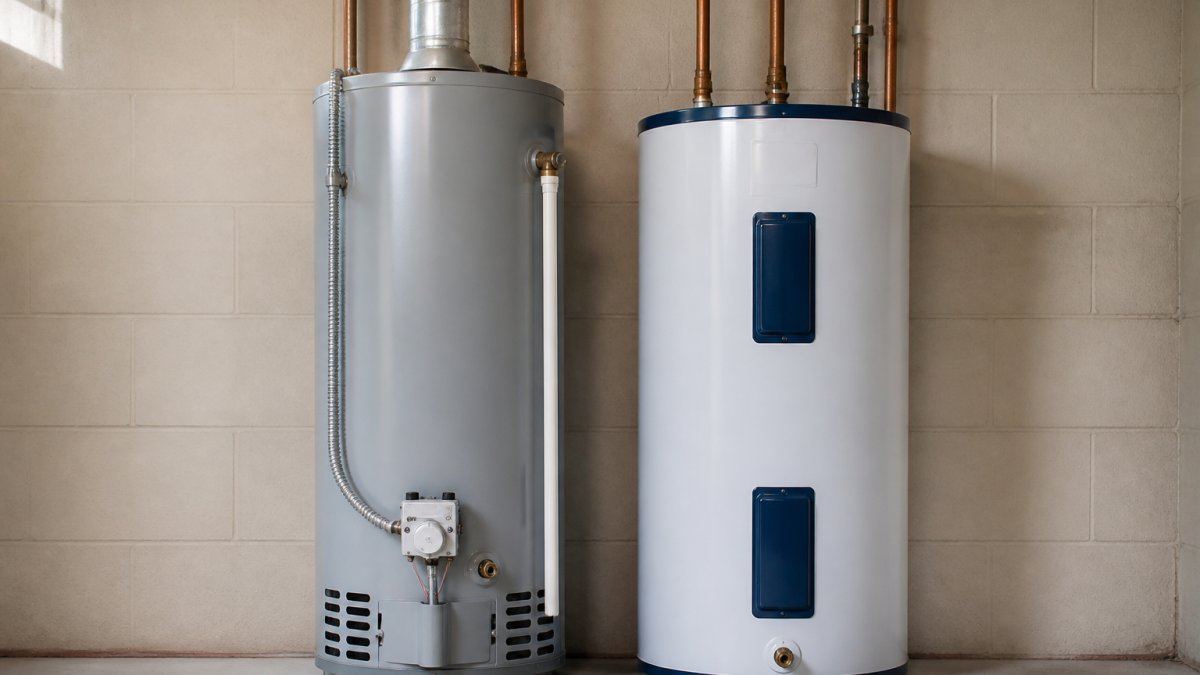
When you're facing a water heater replacement, understanding gas vs electric water heater cost comes down to three factors: upfront cost, operating expenses, and your home's infrastructure. Gas units typically cost less to operate monthly but require higher installation expenses. Electric models have lower initial costs but generate higher utility bills over time. The real winner depends on your local utility rates, existing plumbing setup, and how long you plan to stay in your home.
| Factor | Gas Water Heater | Electric Water Heater | Advantage |
|---|---|---|---|
| Initial Equipment Cost | Higher | Lower | Electric |
| Installation Labor | Higher (venting required) | Lower | Electric |
| Monthly Operating Cost | Lower | Higher | Gas |
| Energy Efficiency Rating | 60-70% | 95%+ | Electric |
| Recovery Rate | Fast (high BTU) | Slower | Gas |
| Lifespan | 8-12 years | 10-15 years | Electric |
| Best For | High-demand households | Budget-conscious buyers | Context-dependent |
This comparison table shows the tradeoffs clearly. Gas wins on operating costs and recovery speed. Electric wins on upfront investment and long-term durability. The decision hinges on total cost of ownership over the years you'll actually own the unit.
Initial Purchase Price vs. Long-Term Operating Costs
The sticker price tells only half the story. A gas water heater costs more to install because it requires venting systems, gas line connections, and often professional modifications to your home's infrastructure. An electric unit simply plugs into an existing circuit or requires minimal electrical work. But once installed, gas units deliver lower monthly utility bills because natural gas typically costs less per BTU than electricity in most regions.
Here's what matters: if you buy a gas unit for more upfront but save money every month, those savings eventually offset the higher installation cost. The break-even point typically occurs within 3-5 years, depending on your local utility rates and household hot water demand. After that, the gas unit generates pure savings. An electric unit requires less cash at purchase but costs more to operate. For homeowners planning to stay in their home long-term, gas often wins financially. For renters or those expecting to move within 5 years, electric makes more sense.
The installation labor difference is significant. Gas venting requires proper exhaust routing, which sometimes means cutting through walls, installing ductwork, or modifying existing systems. Electric installation is straightforward: confirm your electrical panel has capacity, run wire if needed, and connect the unit. This simplicity keeps labor costs lower and makes the project faster to complete.
Gas vs Electric Water Heater Efficiency: Energy Ratings and Fuel Sources
Energy efficiency is measured differently for gas and electric units, which makes direct comparison tricky. Gas water heaters are rated by thermal efficiency, typically ranging from 60-70%. This means only 60-70% of the fuel's energy actually heats water; the rest escapes through the venting system as exhaust. Electric water heaters achieve 95% or higher efficiency because they convert nearly all electrical energy directly into heat with minimal waste.
Despite this advantage, electric units still cost more to operate monthly because electricity itself is more expensive per BTU than natural gas in most areas. Think of it this way: an electric unit is like a highly efficient car that runs on premium fuel. A gas unit is less efficient but runs on cheaper fuel. The fuel source matters more than the efficiency rating when calculating your actual bills.
Natural gas and propane (for homes without gas lines) both deliver fast heat recovery. A gas water heater can reheat a full tank in 30-40 minutes. Electric units take 60-90 minutes for the same job. This recovery rate matters if your household uses hot water heavily. Families with multiple showers happening back-to-back or frequent laundry loads benefit from gas's speed.
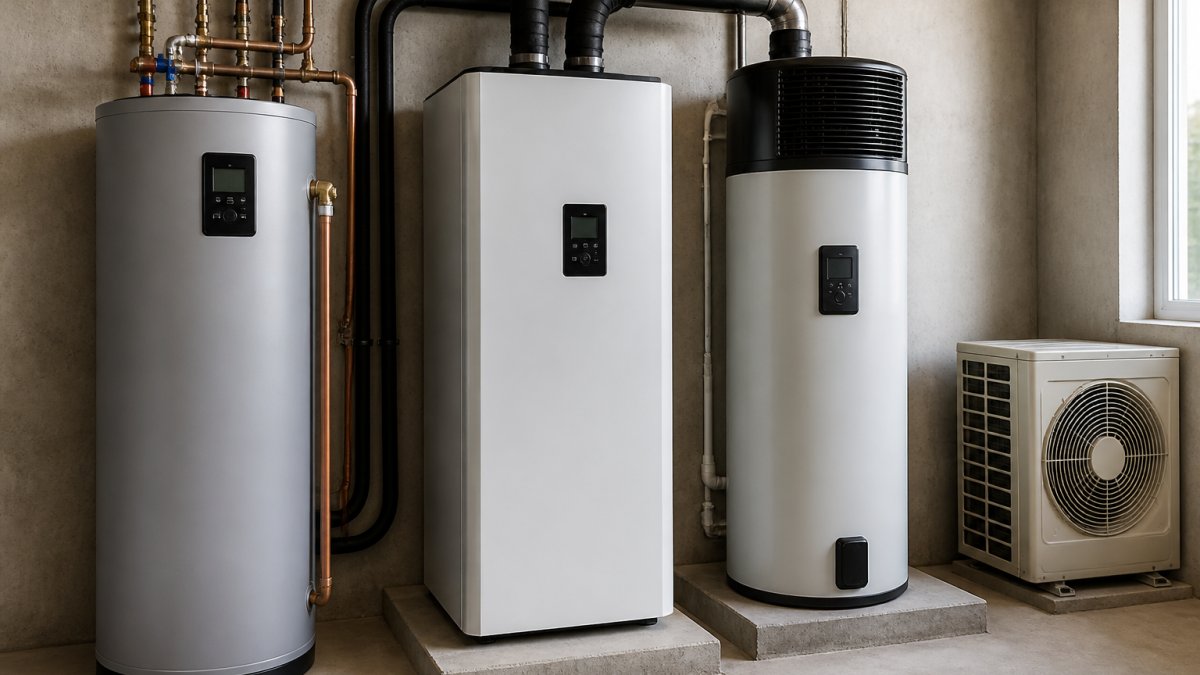
Heat pump water heaters represent a newer efficiency option, using electricity to move heat rather than generate it. They achieve 2-3 times the efficiency of standard electric units but cost significantly more upfront and work best in warmer climates. For most homeowners in temperate regions, they're worth evaluating as a long-term investment.
Installation Requirements: Venting, Electrical, and Gas Line Considerations
Your home's existing infrastructure often determines which type you can install and how much the installation will cost. Gas units require proper venting to safely exhaust combustion gases outside. If your current water heater already has a vent pipe, you can often reuse it. If not, installation becomes more complex and expensive. You may need to run new ductwork through walls, ceilings, or attic spaces.
Gas line access is another critical factor. If your home already has a gas line running to your water heater location, great. If not, running a new gas line from your meter involves trenching, permits, and professional installation. This can add substantial cost. Some homes simply aren't set up for gas, making electric the only practical choice.
Electric installation is simpler but has its own requirements. Your electrical panel must have available capacity to handle the water heater's amperage draw. A standard 240-volt circuit is typical. If your panel is already maxed out, upgrading it adds cost. Most homes built in the last 30 years have sufficient capacity, but older homes may need panel upgrades.
Both types require proper permits and inspections. Gas units need venting inspections and gas line pressure tests. Electric units need electrical inspections. Professional installation ensures everything meets code and operates safely. This is not a DIY project, improper installation creates safety hazards and voids warranties.
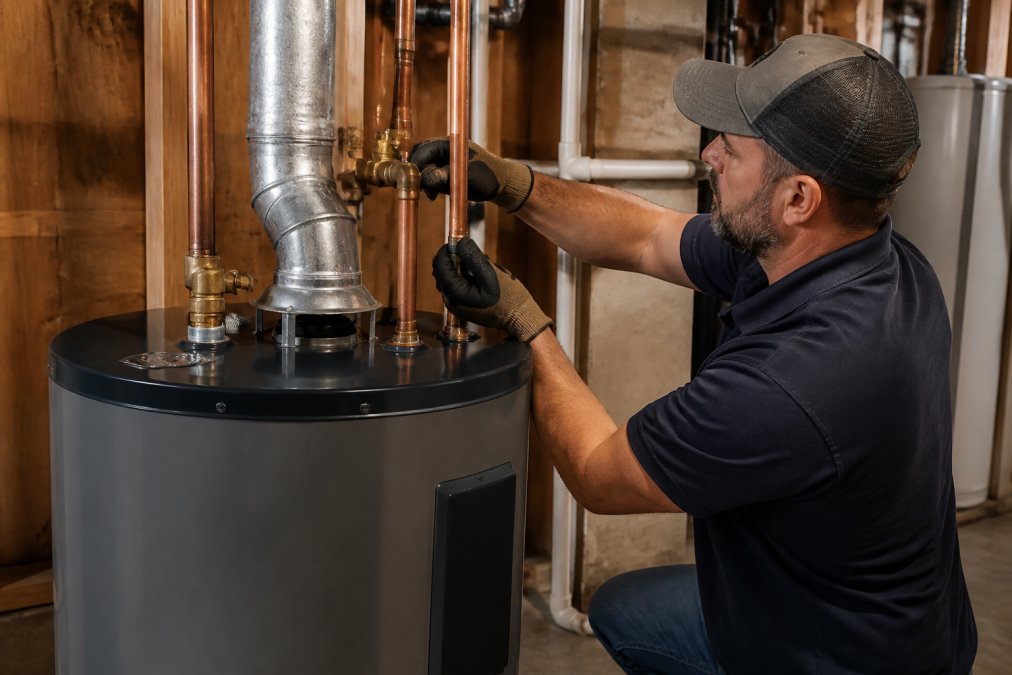
Cost of Water Heater Replacement: Tank vs. Tankless Models
Traditional tank water heaters store 40-80 gallons of heated water, ready for use. They're affordable to buy and install, making them the standard choice for most homes. Tankless water heaters heat water on demand, eliminating storage and standby heat loss. They're compact, more energy-efficient, and last longer, but cost significantly more upfront.
For tank-style units, gas generally costs less than electric to purchase and install. The tradeoff is higher operating costs over time. For tankless, both gas and electric versions exist, with gas tankless units offering better performance but requiring venting. Electric tankless units are simpler to install but slower to deliver hot water at high flow rates.
The replacement decision depends on your current system's age and condition. If your existing unit is 8-10 years old and failing, replacement is inevitable. If it's still working but aging, you have time to plan.
Professional Water Heater Installation and Long-Term Maintenance
Professional installation is non-negotiable for water heaters. The work involves gas connections, venting, electrical wiring, plumbing, and pressure relief systems. Mistakes create safety hazards including gas leaks, carbon monoxide exposure, or electrical fire risk. Licensed professionals carry insurance, understand local codes, and warranty their work.
Rebates, Tax Credits, and Total Cost of Ownership
Several programs help offset water heater costs. The federal government offers tax credits for high-efficiency electric and heat pump water heaters under the Inflation Reduction Act. State and local utilities often provide rebates for Energy Star-rated units. Some programs specifically incentivize switching from gas to electric as part of climate initiatives.
Inflation Reduction Act tax credits for water heaters
Which Water Heater Saves You Money? A Decision Framework
Start with your existing infrastructure. Do you have a gas line? Is your electrical panel at capacity? These questions often eliminate one option entirely. If both are possible, move to the financial analysis.
| Decision Factor | Favors Gas | Favors Electric | Action |
|---|---|---|---|
| Existing gas line | Yes | No | Use existing infrastructure |
| High daily hot water use | Yes | No | Prioritize recovery rate |
| Long-term homeownership | Yes | No | Optimize operating costs |
| Budget-conscious now | No | Yes | Minimize upfront cost |
| High local gas prices | No | Yes | Check utility rates |
| Available rebates | Maybe | Often | Research local programs |
Frequently Asked Questions
Is it cheaper to run a gas or electric water heater?
Gas water heaters typically cost less to operate monthly because natural gas prices are generally lower per BTU than electricity rates. However, the total cost depends on your local utility rates, household water usage, and the efficiency rating of the specific unit. A high-efficiency electric heat pump water heater may rival or beat gas operating costs in some regions, especially where electricity is cheaper or natural gas availability is limited.
What is the cost of water heater replacement including labor and equipment?
The total cost of water heater replacement includes both the equipment price and professional installation labor. Installation complexity varies: electric units typically require less invasive work, while gas units need proper venting systems and gas line connections, which increases labor time. Conversion from one fuel type to another adds additional costs for infrastructure changes. Contact England's Plumbing & Heating for a quote tailored to your home's specific needs and local conditions.
What are the downsides of using an electric water heater?
Electric water heaters have slower recovery rates than gas units, meaning they take longer to reheat water after heavy use. They also require adequate electrical capacity in your home; older homes may need panel upgrades, adding installation costs. In areas with high electricity rates, monthly operating costs can exceed gas alternatives. However, they require less maintenance, have no venting needs, and are safer since they don't produce combustion byproducts.
How does gas vs electric water heater efficiency affect my annual savings?
Gas water heaters achieve 50-60% thermal efficiency, while standard electric units reach 90-95% efficiency. However, operating cost depends more on fuel prices than efficiency ratings. A gas unit with faster recovery and lower per-unit energy cost may deliver greater annual savings despite lower efficiency ratings. Modern heat pump electric models achieve 200-300% efficiency by moving heat rather than generating it, potentially saving more than gas in moderate climates. Your local utility rates determine the actual annual savings.