 comparison
Is a Variable Speed Well Pump Worth It?
Table of Contents
- How Variable Speed Pumps Work
- Variable Speed vs. Single-Speed Systems
- How to Fix Low Water Pressure With Variable Speed Technology
- Understanding Constant Pressure Well Pump Systems
- Energy Efficiency and Long-Term Savings
- Well Pump Replacement Cost and Installation Investment
- Durability, Maintenance, and Motor Longevity
- When a Variable Speed Pump Makes Sense for Your Home
- Frequently Asked Questions
Last Updated: October 1, 2026
How Variable Speed Pumps Work
A variable speed well pump adjusts its motor speed based on real-time water demand in your home. Unlike traditional single-speed pumps that run at full capacity whenever you turn on a faucet, variable speed systems ramp up or down to match exactly how much water you need at any given moment.
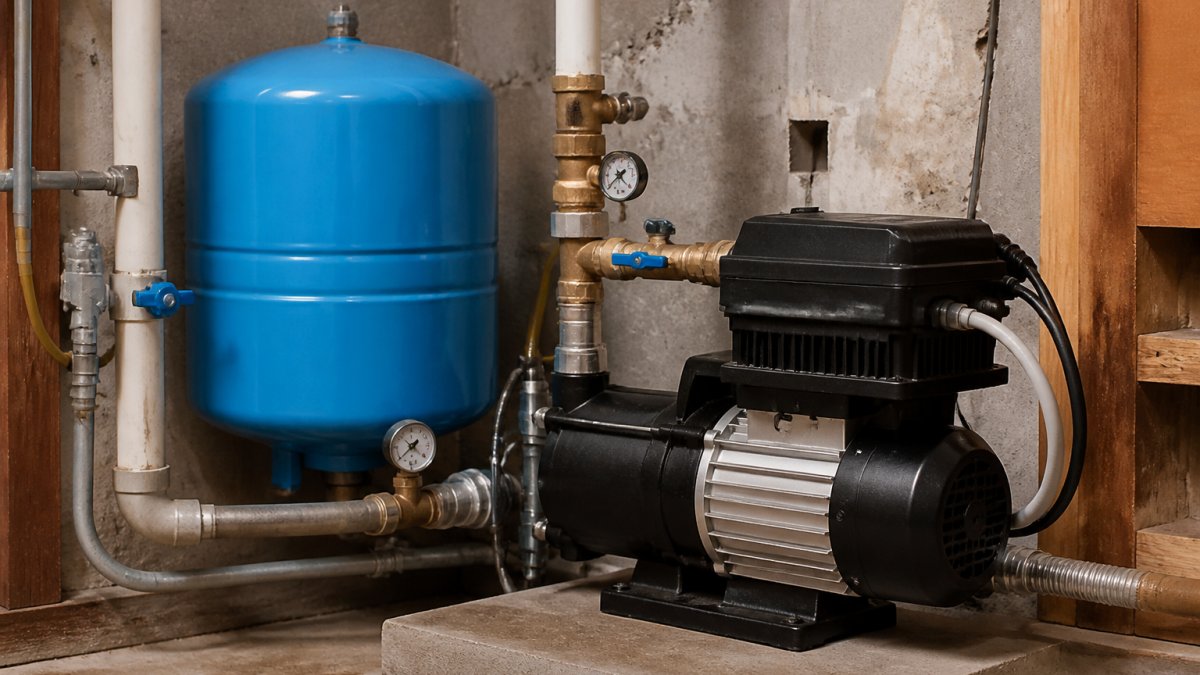
The core component is a variable frequency drive (VFD). This electronic controller sits between your pump and your electrical supply, modulating power delivery to the motor. When demand is low, say you're filling a single glass of water, the pump slows to a crawl. When multiple fixtures run simultaneously, it accelerates to full speed. This continuous adjustment happens automatically without any input from you.
The Grundfos SQ Series and Franklin Electric SubDrive systems both use this principle. The Grundfos integrates the VFD directly into the pump housing for a compact design. The Franklin Electric approach retrofits existing pumps with an external VFD controller, making it ideal if you already have a functioning pump you want to upgrade.
This technology eliminates the on-off cycling common in traditional systems. Your old pump likely ran at full blast until the pressure tank filled, then shut off completely. That cycle repeats dozens of times daily. Variable speed pumps avoid this entirely, running continuously at whatever speed maintains your target pressure. The result: less mechanical stress, quieter operation, and more stable water pressure throughout your home.
Variable Speed vs. Single-Speed Systems
The difference comes down to how efficiently each system responds to your actual water usage. Single-speed pumps are binary: they're either running full-tilt or completely off. This creates pressure fluctuations and wastes significant energy.
A constant pressure well pump system using variable speed technology maintains steady water pressure regardless of how many fixtures you're using simultaneously. When you turn on a shower upstairs while someone fills the bathtub downstairs, the pump automatically increases speed to compensate. The pressure stays constant. With a single-speed system, that same scenario causes pressure to drop noticeably, annoying when you're mid-shower.
Energy consumption reveals the real gap. Single-speed pumps cycle on and off frequently, and each startup surge draws extra electrical current. Variable speed systems eliminate this cycling entirely. They run continuously but at lower speeds during light usage periods. The Grundfos SQ Series documentation shows that variable speed configurations reduce energy consumption by 30-50% compared to traditional pumps, though your actual savings depend on your household water usage patterns and local electricity rates.
Installation complexity differs too. Single-speed pumps are straightforward: you install the pump, connect it to a pressure tank, and you're done. Variable speed systems require an electronic controller that must be calibrated to your specific well yield and household demand profile. This calibration step means professional installation is essentially mandatory, attempting a DIY setup usually results in pressure regulation problems or system damage.
Durability favors variable speed technology. The constant on-off cycling of single-speed systems creates mechanical stress that shortens motor lifespan. Variable speed pumps run continuously at lower speeds, distributing wear more evenly and reducing the thermal shock that occurs during startup. Most variable speed systems last 15-20 years with proper maintenance, compared to 10-15 years for traditional pumps.
How to Fix Low Water Pressure With Variable Speed Technology
Low water pressure is one of the most common complaints from homeowners with traditional well systems. A variable speed pump directly addresses this problem because it maintains constant pressure automatically.
If your home experiences pressure fluctuations, strong flow when one fixture is running, weak flow when multiple fixtures are active, a variable speed system solves it. The pump speed increases instantly when demand rises, so pressure remains stable. This is particularly noticeable in homes with multiple bathrooms or high water usage patterns.
The electronic controller also includes diagnostic capabilities that single-speed systems lack. The Goulds Aquavar SOLO controller, for example, displays real-time system pressure and can alert you to problems before they become emergencies. If your well yield drops or a pressure tank develops a leak, the controller detects it immediately. Single-speed systems provide no such feedback until you notice weak water pressure yourself.
One critical advantage: variable speed systems can work with smaller pressure tanks. Since the pump maintains constant pressure without relying on tank volume, you can downsize the tank or even eliminate it entirely in some configurations. This saves space and reduces installation costs compared to traditional systems that require large tanks to buffer pressure fluctuations.
Understanding Constant Pressure Well Pump Systems
A constant pressure well pump system maintains steady water pressure throughout your home regardless of how many fixtures are running simultaneously. This is the core benefit that makes variable speed technology worth considering.
Traditional systems maintain pressure using a pressure tank filled with air. As water is drawn out, the air cushion compresses, pushing water through your pipes. When pressure drops below a threshold, the pump starts. When it reaches maximum, the pump stops. This creates the pressure fluctuations you feel, stronger pressure when the pump first starts, weaker pressure as the tank depletes.
Constant pressure systems eliminate this dynamic. The variable speed pump adjusts its motor speed to maintain a set pressure point, typically around 40-60 PSI depending on your system configuration. The electronic controller reads system pressure continuously and modulates pump speed to keep it stable. You get consistent water pressure whether one faucet is running or every fixture in your home is open.
The Pentair IntelliFlo3 VSF and similar systems take this further with smart flow technology. These controllers learn your household water usage patterns over time and optimize pump speed based on predicted demand. The result is smoother operation and even greater energy efficiency than basic variable speed controllers.
Constant pressure systems require professional setup because the controller must be calibrated to your specific well yield, household demand profile, and pressure preferences. If calibrated incorrectly, you'll either have excessive pressure (which stresses plumbing fixtures and wastes water) or insufficient pressure (defeating the purpose). The technical complexity isn't something to improvise.
Energy Efficiency and Long-Term Savings
Variable speed technology delivers measurable energy savings because it eliminates the inefficient on-off cycling of traditional pumps. A single-speed pump running 8-10 hours daily at full capacity consumes far more electricity than a variable speed pump running 12-14 hours at an average 40-60% capacity.
The magnitude of savings depends on your household water usage. Homes with high demand, large families, frequent laundry, irrigation needs, see the biggest reductions because the variable speed pump can run at lower speeds more often. Homes with modest water usage see smaller percentage savings but still benefit from eliminating startup surge consumption.
Consider your typical usage pattern. If your household uses 100 gallons daily, a single-speed pump cycles on and off perhaps 6-8 times daily. Each startup draws extra current. A variable speed system runs continuously at whatever speed maintains pressure, eliminating those surge events entirely.
Energy consumption also improves because variable speed systems reduce pressure tank requirements. Smaller tanks mean less stored water to maintain, and some configurations eliminate tanks entirely. This reduces the work the pump must do to maintain pressure throughout the day.
The trade-off: variable speed systems cost more upfront. Installation expenses are higher due to the electronic controller and professional calibration required. Whether this investment pays back depends on your electricity rates, water usage, and how long you plan to stay in your home. Homeowners in areas with high electricity costs and high water usage typically see ROI within 5-7 years. Those with modest usage and low electricity rates may take 10+ years to break even financially.
Well Pump Replacement Cost and Installation Investment
Variable speed well pump systems require a larger initial investment than traditional single-speed pumps. The equipment itself costs more, and professional installation is essential because improper setup leads to pressure regulation problems or system damage.
Installation complexity varies depending on whether you're replacing an entire system or retrofitting an existing pump with a VFD controller.
Durability, Maintenance, and Motor Longevity
Variable speed pumps typically outlast traditional single-speed systems because they operate under less mechanical stress. The constant on-off cycling of single-speed pumps creates thermal shock and mechanical wear that shortens motor life. Variable speed systems run continuously at lower speeds, distributing wear more evenly across the motor's operational lifespan.
When a Variable Speed Pump Makes Sense for Your Home
A variable speed well pump is worth the investment if you experience any of these conditions: inconsistent water pressure across multiple fixtures, frequent pressure fluctuations, high water usage from a large household, high electricity costs in your area, or plans to stay in your home for 10+ years.
Frequently Asked Questions
What are the main disadvantages of variable speed well pumps?
Variable speed pumps have higher upfront costs and increased electronic complexity compared to single-speed models. The VFD controller and soft-start components introduce more potential failure points, and repairs typically require specialized technicians. They also demand professional installation and calibration. However, these drawbacks must be weighed against energy savings and reduced pump cycling that extends overall system lifespan in many residential applications.
How much does a variable speed well pump cost compared to a standard model?
Variable speed pumps and their controllers cost significantly more upfront than traditional single-speed pumps. For accurate pricing on installation and equipment specific to your well system, contact England's Plumbing & Heating for a quote that reflects your home's actual needs.
How does a constant pressure system improve water delivery?
A constant pressure well pump system maintains steady water pressure throughout your home regardless of demand. Instead of cycling on and off as fixtures are used, a variable frequency drive adjusts pump speed to match real-time water needs. This eliminates pressure fluctuations, reduces water hammer effects in your plumbing, and provides city-like pressure consistency. The result is better performance for sensitive appliances and more comfortable showers and faucet use.
What is the expected lifespan of a variable speed well pump?
Variable speed pumps typically last 15 to 20 years or longer when properly maintained, often matching or exceeding single-speed pump lifespans. The reduced cycling and lower stress on the motor from a VFD system can actually extend pump life compared to traditional on-off operation. However, the electronic controller components may require replacement or repair before the pump itself fails. Regular maintenance and professional diagnostics help maximize longevity.