 comparison
Eco-Friendly Water Heater Alternatives to Gas
Table of Contents
- Why Homeowners Are Switching From Gas Water Heaters
- Heat Pump Water Heater Pros and Cons
- Heat Pump Water Heater Cost: Installation and Operating Savings
- Solar Water Heater Systems
- Tankless Electric Water Heater: On-Demand Efficiency
- Comparison: Energy Consumption, Environmental Impact, and Long-Term Savings
- Which Eco-Friendly Alternative Fits Your Home
- Getting Professional Installation and Support
- Frequently Asked Questions
Last Updated: October 7, 2026
Why Homeowners Are Switching From Gas Water Heaters
Homeowners are increasingly evaluating eco-friendly water heater alternatives as energy costs rise and environmental concerns grow. England's Plumbing & Heating can help Chester County families explore these options and understand which alternatives make sense for their homes.
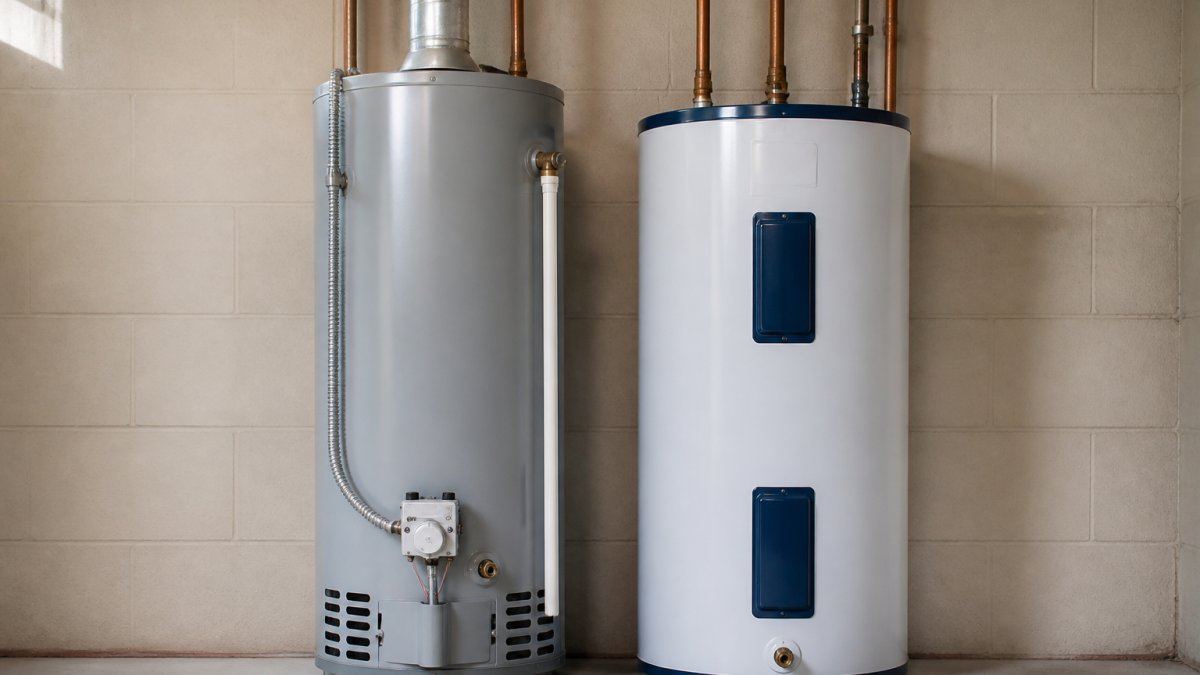
Gas water heaters have been the standard for decades, but they consume natural gas, generate greenhouse gas emissions, and operate at lower efficiency than newer technologies.
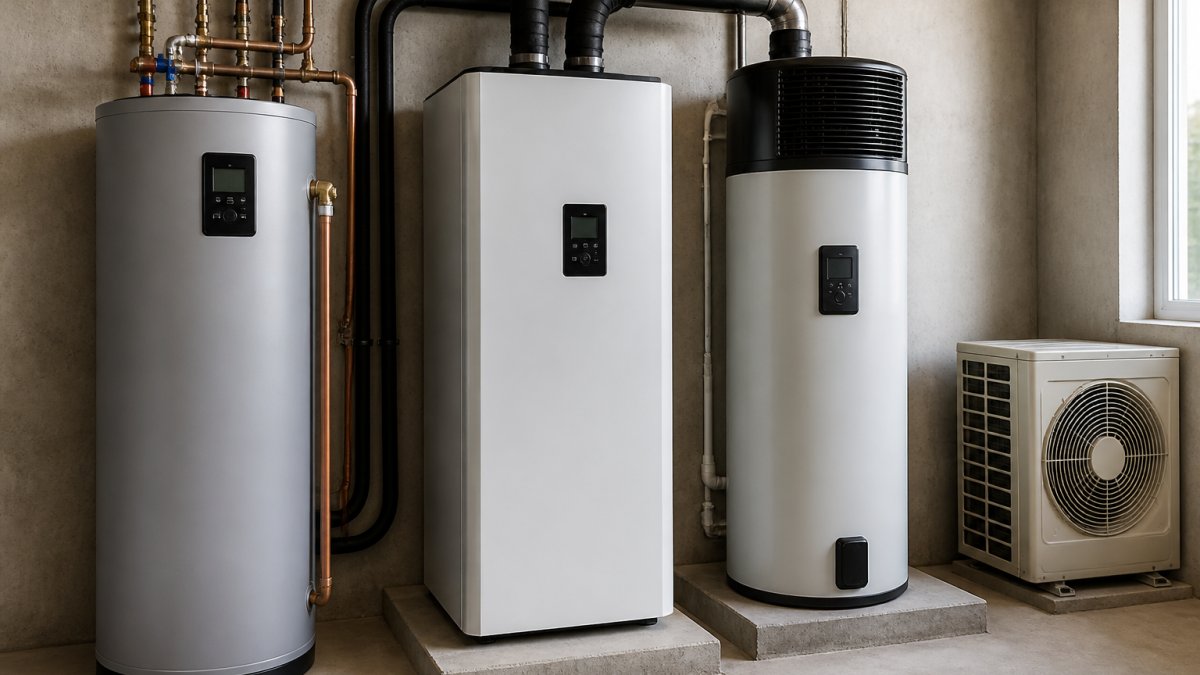
The eco-friendly water heater alternatives have matured considerably. Heat pump water heaters, solar thermal systems, and tankless electric models now offer practical pathways to reduce energy consumption and environmental impact.
Heat Pump Water Heater Pros and Cons
A heat pump water heater is an electric system that extracts heat from surrounding air and transfers it to water in a storage tank.
Heat pump water heaters deliver several advantages. They consume less electricity than traditional electric models, lowering monthly utility bills, and produce zero on-site emissions since they run on electricity rather than burning fuel.
However, heat pump water heaters come with trade-offs. They cost more upfront than gas or basic electric models, and installation can be more complex in homes with limited space or poor air circulation.
How Heat Pump Water Heaters Work
Heat pump water heaters capture thermal energy from the air and concentrate it into water. A refrigerant circulates through a compressor and evaporator, absorbing heat from surrounding air and releasing it into the tank. This requires electricity to run the compressor, but far less than a traditional electric resistance element would need.
The efficiency comes from moving heat rather than creating it. A heat pump water heater's coefficient of performance typically ranges from 2.5 to 3.5, delivering 2.5 to 3.5 units of heat per unit of electricity consumed.
Installation Requirements and Home Suitability
Heat pump water heaters need space around the unit for air circulation, typically at least 1,000 cubic feet. Basements, utility rooms, and garages work well if they stay above 40°F year-round. Attics and outdoor locations in cold climates present challenges unless the unit includes a backup heating element.
Existing homes often need modifications, such as upgrading the electrical panel to support a 240-volt circuit or adding ducting for adequate air supply. Professional installation is essential, since improper setup reduces efficiency and can void the warranty.
Heat Pump Water Heater Cost: Installation and Operating Savings
The upfront cost of a heat pump water heater is higher than a traditional gas or electric model. Installation expenses depend on your existing electrical infrastructure, needed modifications, and local labor rates.
Operating costs are where heat pump water heaters show their advantage.
Many homeowners also qualify for federal tax credits or rebates when installing heat pump water heaters, reducing the effective upfront cost and improving the payback timeline.
Solar Water Heater Systems
Solar water heaters use energy from the sun to heat water. A solar thermal system consists of collectors mounted on your roof or ground, a storage tank, and piping that circulates water or heat-transfer fluid. Unlike solar photovoltaic panels that generate electricity, solar thermal systems directly convert sunlight into heat.
Solar water heaters produce zero emissions during operation and require no fuel beyond sunlight. They integrate well with existing plumbing and can substantially reduce water heating costs in sunny climates, with many installations lasting 20+ years.
Solar Thermal vs. Solar Photovoltaic
Solar thermal and solar photovoltaic systems serve different purposes. A solar thermal system heats water directly through collectors that absorb the sun's heat, while a solar photovoltaic system generates electricity using panels with semiconductor cells. You could use photovoltaic panels to power an electric water heater, but that's indirect compared to a dedicated solar thermal system.
For water heating specifically, solar thermal is more efficient because it captures heat directly without the conversion loss that occurs when generating electricity first. Solar thermal collectors convert 50-80% of incident sunlight into usable heat.
Performance in Cold Climates and Backup Heating
Solar water heaters work in cold climates, but output drops significantly during winter and on cloudy days.
This dual-system approach ensures consistent hot water year-round but increases complexity and cost. In regions with long winters and frequent cloud cover, solar thermal may provide only 40-50% of annual water heating needs; in sunnier climates, it can meet 70-80%. Understanding your local solar potential is essential before investing.
Tankless Electric Water Heater: On-Demand Efficiency
A tankless electric water heater heats water on demand rather than storing it in a tank. Cold water flows through the unit, passes over electric heating elements, and emerges hot within seconds.
Tankless electric systems eliminate the storage tank, saving space, and produce zero emissions during operation. The units are compact and fit where traditional tanks won't.
Tankless electric water heaters suit homes with moderate hot-water demand and sufficient electrical capacity, working well for smaller households or as supplemental systems for specific fixtures.
Comparison: Energy Consumption, Environmental Impact, and Long-Term Savings
| System Type | Annual Electricity Use | On-Site Emissions | Typical Lifespan | Best For |
|---|---|---|---|---|
| Gas Water Heater | None (uses natural gas) | High (natural gas combustion) | 10-15 years | Existing infrastructure, high demand |
| Heat Pump Water Heater | 2,000-3,500 kWh | Zero on-site (depends on grid mix) | 10-15 years | Moderate climates, energy efficiency priority |
| Solar Thermal | 500-1,500 kWh (backup) | Zero on-site | 20+ years | Sunny climates, long-term investment |
| Tankless Electric | 3,000-5,000 kWh | Zero on-site (depends on grid mix) | 10-20 years | Moderate demand, space constraints |
Energy Efficiency and Annual Operating Costs
Heat pump water heaters deliver the best energy efficiency among electric alternatives. Because they move heat rather than generate it, they consume significantly less electricity than traditional electric resistance heaters. Operating costs depend on local electricity rates, household hot-water usage, and the system's efficiency rating.
Solar thermal systems have the lowest operating costs once installed, since they rely on free sunlight, though backup heating adds electricity consumption during cloudy periods and winter. Tankless electric units consume more electricity than heat pumps but less than traditional electric storage tanks when demand is moderate.
Greenhouse Gas Emissions and Carbon Footprint
The environmental benefit of electric systems depends partly on your region's grid composition. In areas with renewable energy sources, electric heat pump and tankless systems produce near-zero emissions; in regions relying on fossil fuel power plants, emissions are lower than gas water heaters but not zero.
Solar thermal systems produce zero emissions during operation and have the lowest lifetime carbon footprint. Heat pump water heaters produce 50-70% fewer emissions than gas systems in most regions. Tankless electric systems produce similar emissions to heat pumps, depending on grid composition.
Total Cost of Ownership with Rebates and Tax Credits
Total cost of ownership includes upfront installation, annual operating costs, and maintenance over the system's lifespan. Heat pump water heaters typically break even with gas systems within 5-8 years through lower operating costs, then deliver savings afterward.
Solar thermal systems have higher upfront costs but the lowest long-term operating costs; in sunny regions with incentives, payback periods range from 7-12 years.
Federal tax credits and state rebates can reduce upfront costs by 10-30% depending on system type and location. These incentives change annually, so check current programs before deciding.
Which Eco-Friendly Alternative Fits Your Home
Choosing the right eco-friendly water heater depends on your home's conditions, hot-water needs, and climate. No single system works best for every household.

Climate and Weather Considerations
Your regional climate significantly affects which systems perform best. In moderate climates with mild winters, heat pump water heaters deliver excellent efficiency year-round. In sunny regions, solar thermal systems maximize their potential and pay back faster. In very cold climates, heat pumps need backup heating and solar output drops in winter.
If you live in an area with frequent cloud cover, solar thermal may not meet your needs without substantial backup heating. Heat pump water heaters work in most climates but perform best where winter temperatures stay above 40°F.
Installation Space and Retrofit Compatibility
Your home's available space constrains your options. Heat pump water heaters need adequate air circulation, eliminating attics and tight closets. Tank-based solar systems require roof or ground space for collectors. Tankless electric units fit in compact spaces but demand significant electrical infrastructure.
Retrofitting an existing home differs from new construction. If your gas water heater sits in a tight utility closet, a heat pump water heater may not fit without renovation. If your roof faces north or is heavily shaded, solar thermal won't perform well. Assessing physical constraints early narrows your realistic options.
Hot-Water Demand and System Sizing
Your household's hot-water consumption determines which system size you need. A family of four with multiple bathrooms needs larger capacity than a couple or single person. Heat pump and solar thermal systems with storage tanks handle high simultaneous demand well; tankless electric systems may struggle with multiple simultaneous uses.
Undersizing a system means running out of hot water during peak use; oversizing wastes money on equipment and energy you don't need. Professional sizing considers your home's peak demand, recovery rate, and usage patterns.
Getting Professional Installation and Support
Installing an eco-friendly water heater involves plumbing, electrical work, and sometimes structural modifications. Professional installation ensures the system operates safely, efficiently, and under warranty, and simplifies navigating rebate and tax credit requirements, which often have specific documentation needs.
England's Plumbing & Heating has installed water heaters throughout Chester County since 1989. Our team handles heat pump, solar thermal, and tankless electric installations.
Professional support doesn't end at installation. Regular maintenance extends system lifespan and keeps efficiency high. Our team provides ongoing maintenance and repair services, ensuring your eco-friendly water heater performs reliably for years.
Choosing an eco-friendly alternative to a gas water heater is a meaningful investment in your home's comfort and environmental impact. England's Plumbing & Heating can help you evaluate your options, assess your home's suitability, and handle professional installation. Book online or contact us to discuss which eco-friendly water heater alternative makes sense for your Chester County home.
Frequently Asked Questions
What is the most eco-friendly alternative to a gas water heater?
Solar water heaters produce the lowest lifetime emissions because they use renewable solar energy. Heat pump water heaters rank second, using electricity more efficiently than standard electric models. Both significantly reduce greenhouse gas emissions compared to natural gas. The best choice depends on your climate, roof orientation, and available space. In cold regions with limited sun, heat pump systems often deliver the most practical eco-friendly performance.
How much does it cost to replace a gas water heater with a heat pump model?
Heat pump water heater costs vary based on your home's plumbing layout, electrical capacity, and local installation rates. Contact a professional installer for a detailed quote tailored to your specific home. Rebates and tax credits may also reduce your net cost, check federal and local incentive programs.
Can solar water heaters work in cold climates?
Solar thermal systems can function in cold climates, but their efficiency drops significantly during winter and cloudy periods. Most cold-climate installations include a backup heating system (electric or gas) to ensure continuous hot water when solar output is low. The payback period extends in regions with fewer sunny days, but lifecycle emissions remain lower than gas-only systems. Professional assessment of your roof orientation and local weather patterns determines viability.
How does a heat pump water heater differ from a standard electric water heater?
Heat pump water heaters extract warmth from surrounding air and transfer it to your water supply, using far less electricity than traditional electric resistance heating. They cost more upfront but deliver lower operating costs and reduced energy consumption over their lifespan, making them a practical eco-friendly alternative to gas systems.
What should I consider before replacing my gas water heater?
Evaluate your home's available space, electrical panel capacity, climate suitability, and hot-water demand. Heat pumps need room for air circulation; solar systems require roof space and favorable sun exposure; tankless electric units demand higher electrical service. Calculate your annual energy costs under each option and factor in installation expenses, rebates, and tax credits. A professional plumber can assess your home's compatibility and help you choose the system that balances efficiency, cost, and reliability.