 comparison
Clogged Drain: When to DIY vs. Call a Professional
Table of Contents
- When a Clogged Drain Requires Professional Help
- Signs of a Main Sewer Line Clog
- DIY Drain Cleaning: What You Can Handle Safely
- Dangers of Chemical Drain Cleaners
- Professional Drain Cleaning Methods
- Cost-Benefit Analysis: DIY Tools vs. Professional Service
- Professional Drain Cleaning Methods
- Frequently Asked Questions
Last Updated: September 29, 2026
When a Clogged Drain Requires Professional Help
A clogged drain professional vs DIY decision comes down to one simple question: can you fix it safely without damaging your plumbing system? Most homeowners can handle a minor sink clog with a plunger or hand snake. But when the problem involves your main sewer line, multiple fixtures, or recurring blockages, calling a professional becomes not just convenient but necessary.
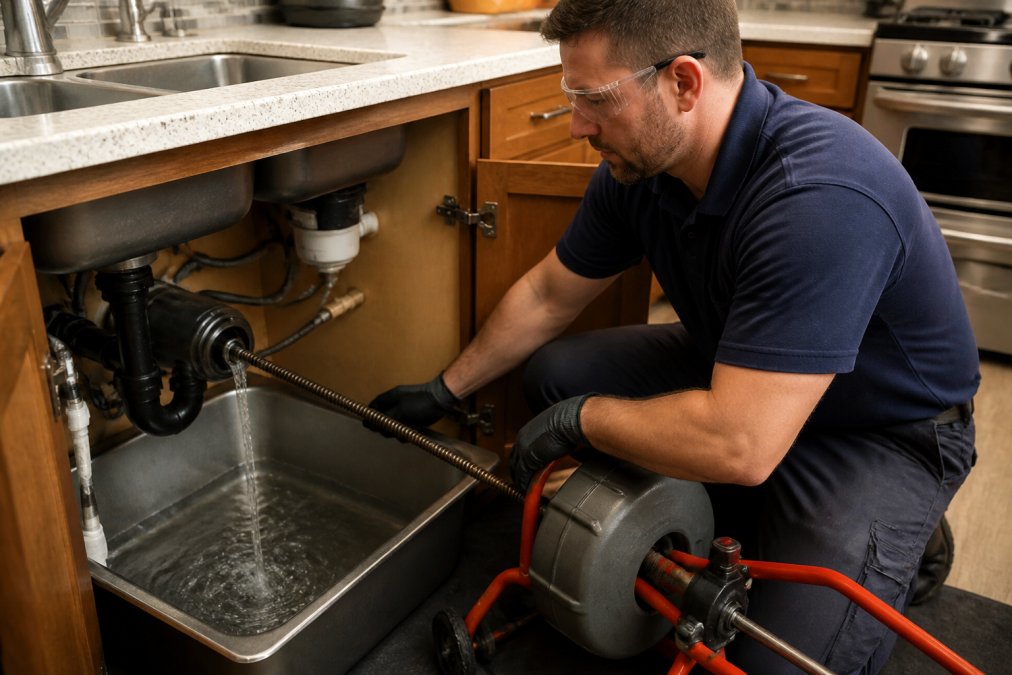
A DIY attempt on the wrong type of clog can push the blockage deeper into your pipes, turning a minor issue into a major one. At England's Plumbing & Heating, we've seen homeowners spend money on rental equipment and chemical cleaners, only to call us when the problem worsens.
If water drains slowly from a single sink or tub, you likely have a localized blockage in the fixture's trap or first few feet of pipe, these respond well to a plunger or hand-crank drain snake. But if water backs up into multiple fixtures, you smell sewer gas, or basic methods have failed twice, you need professional diagnosis.
Signs of a Main Sewer Line Clog
Your main sewer line carries all wastewater from your home to the municipal sewer or septic system. When it clogs, water backs up into multiple fixtures at once, your toilet gurgles when you run the washing machine, or water pools in your shower while the sink drains. This demands immediate professional attention.
Slow drains throughout the entire house, even after plunging individual fixtures, indicate a main line blockage rather than a branch line issue.
Sewer gas odors near drains or in your yard signal a serious obstruction, gases that should vent through roof vents are backing up into your home, indicating potential structural pipe damage.
Patches of unusually lush grass or soggy spots unrelated to rain suggest a sewage leak from a cracked or blocked main line, sewage acts as fertilizer. Professional diagnosis is urgent.
DIY Drain Cleaning: What You Can Handle Safely
Most homeowners can clear a minor clog with the right tool and knowledge of when to stop.
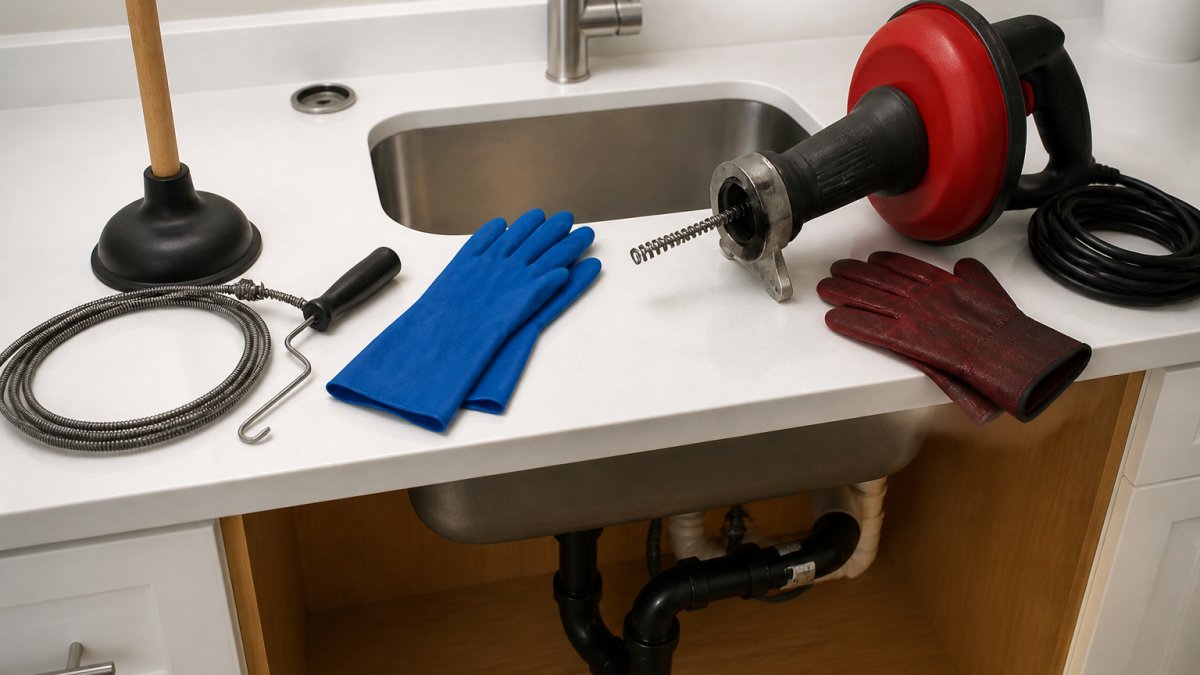
A plunger is your first line of defense: fill the fixture with water to cover the cup, then plunge vigorously for 15-20 seconds. This works on roughly 60% of single-fixture clogs and costs nothing if you already own one.
A hand-crank drain snake feeds a flexible cable down the drain to break apart blockages within the first 15-25 feet. These work well on hair, soap, and food debris.
A kinetic water ram uses compressed air to dislodge blockages without chemicals or mechanical damage. Effective on grease, sediment, and soap that mechanical snakes may not fully clear.
Don't attempt: clearing clogs deeper than 25 feet, using chemical cleaners regularly, or pushing past cable resistance. These signal problems requiring professional equipment.
Dangers of Chemical Drain Cleaners
Chemical drain cleaners are tempting but dangerous. They generate intense heat or chemical reactions that damage pipes, harm skin and eyes, and create environmental problems.
Caustic cleaners contain sodium hydroxide, which generates extreme heat that softens PVC pipes, cracks cast iron, and damages rubber seals. If the clog doesn't clear, the chemical continues corroding pipes, causing unexpected failures years later.
Oxidizing cleaners use bleach and peroxide compounds. They're equally hazardous to handle, skin and eye burns are immediate and severe. Mixing chemical cleaners creates toxic chlorine gas.
Chemical cleaners kill beneficial bacteria in septic tanks and municipal systems, damaging septic function and contaminating groundwater.
Chemical cleaners don't address the root cause, they're a temporary fix that often worsens the problem. Mechanical methods remove blockages entirely without poisoning pipes or the environment.
Professional Drain Cleaning Methods
When DIY methods fail or the clog is beyond your reach, professional plumbers use equipment and techniques designed to clear blockages safely and permanently. Understanding these methods helps you appreciate why professional service costs more than a bottle of chemical cleaner.
Mechanical snaking and augering is the most common professional method for branch line clogs. Motorized snakes reach 50-100+ feet and break apart or retrieve blockages. This is often the first choice for recurring clogs caused by tree roots or grease.
Hydro-jetting uses high-pressure water (4,000-8,000 PSI) to blast away blockages and clean pipe interiors. It's effective on grease, sediment, and mineral deposits, and gentler than chemical cleaners. Valuable for recurring clogs because it cleans the entire pipe interior.
Video camera inspection allows technicians to identify blockage location, type, and severity before attempting any clearing method. This prevents unnecessary work and identifies serious issues like cracked pipes or tree root intrusion. Cost: $200-$400, often saving money by preventing failed attempts.
Professional diagnosis also identifies problems that clearing alone won't fix. If your main sewer line is cracked or has collapsed sections, no amount of snaking or hydro-jetting will solve the problem permanently. Identifying these issues early prevents catastrophic failures and allows you to plan repairs on your timeline rather than facing an emergency.
Cost-Benefit Analysis: DIY Tools vs. Professional Service
The decision between DIY and professional service ultimately comes down to cost, risk, and likelihood of success. Let's break down the real economics.
A basic plunger solves roughly 60% of single-fixture clogs. If you're dealing with a slow kitchen sink or bathtub drain, this is your first move. The time investment is minimal, 15 minutes, and the risk is essentially zero.
A hand-crank drain snake handles clogs in the first 15-25 feet of pipe. If plunging fails, this is your next step. Budget 30-45 minutes to feed the cable, rotate, and retrieve debris. Success rate is high for hair and soap clogs but lower for grease or tree roots.
A kinetic water ram is effective on stubborn blockages. This represents a significant investment for a one-time use, making it most practical if you own rental properties or expect recurring clogs.
Professional drain cleaning via mechanical snaking typically varies for a single fixture, depending on how deep the blockage is. If the clog is in the main sewer line or requires hydro-jetting, expect more. Camera inspection adds to the cost.
Here's the critical calculation: if a DIY attempt fails and pushes the blockage deeper, you've now spent $50-$500 on equipment plus your time, and you still need to call a professional.
| Scenario | DIY Cost | Professional Cost | Risk of Escalation |
|---|---|---|---|
| Simple sink clog (hair/soap) | $0-$25 (plunger) | $150-$250 | Low |
| Bathtub clog (hair) | $40-$60 (hand snake) | $150-$250 | Low |
| Kitchen sink clog (grease) | $300-$500 (kinetic ram) | $200-$350 | Medium |
| Multiple slow drains | $50-$100 (hand snake) | $300-$500 | High |
| Main sewer line backup | Not recommended | $400-$1,000+ | Very High |
| Recurring clogs (3+ per year) | $100-$200 | $150-$300 per call | High |
Professional Drain Cleaning Methods
When DIY methods fail or the clog is beyond your reach, professional plumbers use equipment and techniques designed to clear blockages safely and permanently. Understanding these methods helps you appreciate why professional service costs more than a bottle of chemical cleaner.
Frequently Asked Questions
What are the signs that a drain clog requires professional plumbing services?
Multiple slow-draining fixtures, sewage odors, water backing up into other drains, or clogs that return within weeks all signal a deeper issue in your plumbing system or main sewer line. If DIY methods fail after one or two attempts, or if you notice water pooling in your yard, call a professional. These symptoms often indicate blockages beyond the fixture trap that require specialized equipment and expertise to diagnose and resolve properly.
Is professional drain cleaning worth it compared to DIY methods?
Professional drain cleaning is worth the investment when you have recurring clogs, multiple affected fixtures, or suspected main line issues. While DIY tools like a plunger or drain snake can be an initial investment, they only address surface blockages. Professional hydro-jetting and camera inspection identify root causes, tree root intrusion, pipe corrosion, or grease buildup, and prevent costly water damage. For simple, isolated clogs, DIY works; for complex problems, professional service saves money long-term by fixing the actual problem.
Can DIY drain cleaning methods damage older residential pipes?
Yes, aggressive DIY methods can damage older pipes. Older homes often have cast iron or clay pipes that corrode easily; forceful plunging, snaking, or chemical cleaners can crack or perforate them. Manual drain snakes are generally safer than chemicals, but even snakes require careful technique. Professional plumbers assess pipe integrity with camera inspection before choosing a method. If your home is over 40 years old and you suspect pipe damage, get a professional diagnosis first to avoid expensive structural repairs.
Is it safe to use chemical drain cleaners for stubborn clogs?
Chemical drain cleaners pose serious safety and environmental risks. They generate heat that can damage PVC pipes and create toxic fumes hazardous to your health. If the chemical doesn't clear the clog, you're left with caustic liquid in your pipes, making professional service harder and more expensive. They also harm septic systems and local water supplies. Mechanical methods like snaking or professional hydro-jetting are safer, more effective, and won't compromise your plumbing system or the environment.
How do professional plumbers unclog drains using hydro-jetting and camera inspection?
Professional plumbers use video camera inspection to locate the exact blockage, whether it's hair, grease, tree roots, or pipe damage. Once identified, they deploy hydro-jetting, which forces pressurized water through your pipes to clear obstruction and clean pipe walls. This method removes buildup that causes recurring clogs and works on deep sewer line blockages that DIY tools cannot reach. The camera also reveals structural damage, helping plumbers recommend repairs before problems worsen. This diagnostic and treatment approach prevents future emergencies.