 listicle
Professional Drain Cleaning Services Cost: 2026 Guide
Table of Contents
- What Professional Drain Cleaning Services Cost
- Factors Affecting Drain Cleaning Costs
- Hydro-Jetting vs. Snaking Cost Comparison
- Signs You Need Professional Drain Cleaning
- Emergency Drain Cleaning Service Cost
- Understanding Hidden Fees and Pricing Models
- Conclusion
- Frequently Asked Questions
Last Updated: August 24, 2026
What Professional Drain Cleaning Services Cost
When a drain backs up or moves slowly, homeowners face a critical question: what will professional drain cleaning services cost? The answer depends on several interconnected factors, from the type of clog to the method used to clear it. Understanding these variables helps you avoid sticker shock and make an informed decision about whether to tackle the problem yourself or call a professional.
Professional drain cleaning services cost varies widely across the country. A simple sink clog might run considerably less than a main sewer line blockage requiring specialized equipment. The difference between snaking a drain and hydro-jetting can swing your bill significantly. Service call fees, labor costs, and the severity of the blockage all play a role in what you'll ultimately pay.
At England's Plumbing & Heating, we've helped countless Chester County homeowners navigate these costs. Our experience since 1989 has shown us that transparency about pricing upfront prevents frustration later.
The goal of this guide is to break down exactly what affects your drain cleaning bill, show you the real differences between common methods, and help you understand when a higher price actually delivers better value. Below, we'll walk through the factors that drive costs, compare the major cleaning techniques, and explain what you should expect to pay for different scenarios.
Factors Affecting Drain Cleaning Costs
Professional drain cleaning services cost depends on more than just the plumber's hourly rate. Several technical and logistical factors determine your final invoice.
Drain type and location
The drain you're having cleaned makes an enormous difference. A clogged kitchen sink drain is fundamentally different from a main sewer line blockage, and the equipment and time required reflect that difference.
Bathroom sink and tub drains typically involve the shortest service calls. These are usually accessible, relatively shallow, and respond quickly to standard snaking. The blockage location in a bathroom drain is almost always close to the fixture or in the P-trap, making diagnosis straightforward.
Kitchen sink drains present a different challenge. Grease buildup is common, and the blockage location might be deeper in the line than bathroom drains. Grease requires more aggressive treatment than hair or soap buildup, which can push costs higher if hydro-jetting becomes necessary rather than simple snaking.
Toilet clogs are their own category. A plumbing fixtures specialist needs different tools and techniques for toilet bowls than for sink drains. The angle of approach and risk of porcelain damage mean toilet work often commands a premium.
Main sewer line issues are where costs escalate significantly. A main drain blockage affects your entire plumbing system and often involves root intrusion, grease accumulation, or structural pipe damage. Video camera inspection becomes essential to diagnose the actual problem before treatment begins. The blockage location along a main sewer line, whether it's 20 feet from the house or 100 feet out, affects how much equipment and labor you'll need.
Clog severity and blockage location
Not all clogs are equal. A partial blockage that's slowing drainage is cheaper to clear than a complete stoppage. Clog severity determines which methods your plumber can use effectively.
A minor blockage might respond to a simple drain snake, a mechanical auger that breaks apart the obstruction. The service technician feeds the snake into the drain, rotates it, and pulls back the debris. This straightforward approach works well for hair clogs, soap buildup, and minor root intrusion.
Severe blockages often require hydro-jetting equipment. This method uses pressurized water, sometimes 4,000 PSI or more, to blast through stubborn obstructions and clean the entire pipe diameter (peer-reviewed research). Hydro-jetting is more expensive than snaking but more thorough, especially for grease buildup or extensive root intrusion.
The blockage location also matters. A clog right at the fixture is easier and cheaper to clear than one deep in the drainage pipe. If the obstruction is in the main sewer line far from your house, the service technician needs more equipment and more time to reach it and clear it effectively.
Service call fees and labor costs
Most professional plumbers charge a service call fee just to come out and diagnose the problem. This typically ranges based on whether you're calling during standard business hours or requesting emergency service (nh.gov). The service call fee often gets applied toward the final bill if you proceed with the work, but not always, read your estimate carefully.
Labor costs depend on how long the job takes. Some plumbers charge hourly rates, while others use flat-rate pricing for standard service calls. Flat-rate pricing gives you certainty upfront; hourly rates create uncertainty about the final cost. A straightforward drain snake might take 30 minutes, while a main sewer line video camera inspection and hydro-jetting could take several hours.
Hydro-Jetting vs. Snaking Cost Comparison
The two most common professional drain cleaning methods, snaking and hydro-jetting, serve different purposes and come with different price tags. Understanding when each makes sense helps you evaluate whether you're getting fair value.
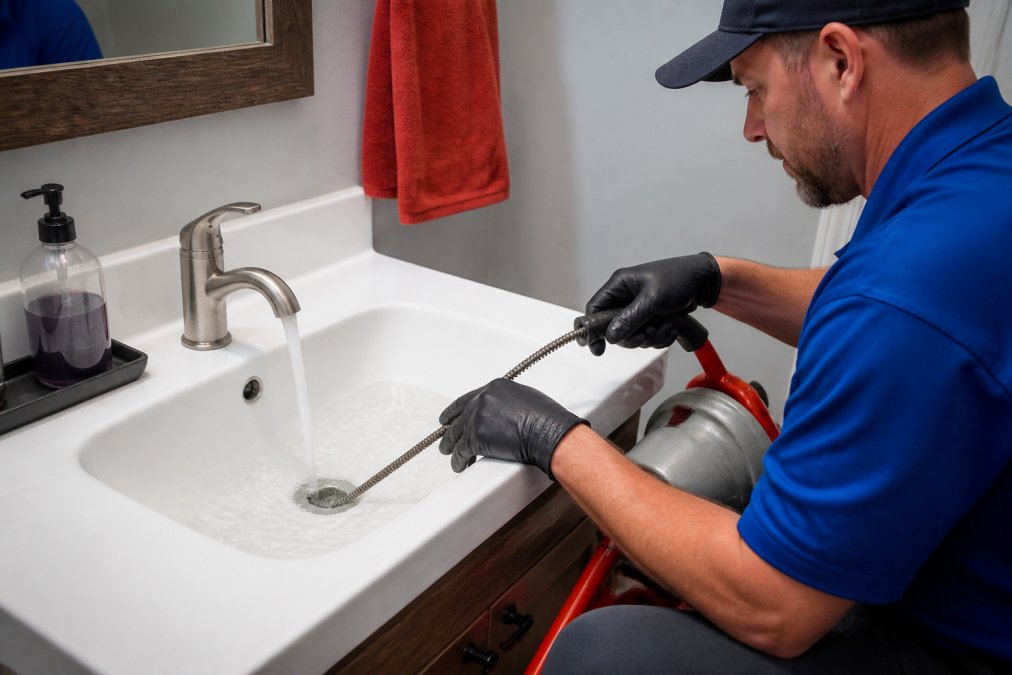
Snaking, also called drain augering, is the traditional approach. A service technician feeds a flexible cable with a rotating head into the drain. The auger breaks apart the blockage, and debris comes back out. Snaking works well for hair clogs, soap buildup, and minor root intrusion. It's faster than hydro-jetting and typically costs less because it requires less specialized equipment and training.
The advantage of snaking is simplicity and speed. Many basic drain clogs clear in 30 minutes to an hour. The disadvantage is that snaking doesn't clean the entire pipe, it just punches a hole through the obstruction. If grease coats the pipe walls or roots have grown extensively, snaking leaves debris behind that will clog again soon.
Hydro-jetting uses high-pressure water to blast through blockages and clean the entire pipe interior. This method is more thorough. It removes grease buildup, flushes out root debris, and leaves the pipe cleaner than snaking does. For main sewer line problems, hydro-jetting often prevents recurring clogs that snaking would only temporarily solve.
The cost difference reflects the equipment and expertise required. Hydro-jetting equipment is more expensive to own and operate. It requires more training to use safely, improper pressure can damage older pipes. The process typically takes longer than snaking. However, the thoroughness often justifies the higher cost, especially for recurring problems or severe blockages.
Signs You Need Professional Drain Cleaning
Not every slow drain needs professional attention. Some situations you can address yourself. But certain warning signs indicate that a professional plumber should evaluate your drainage system.
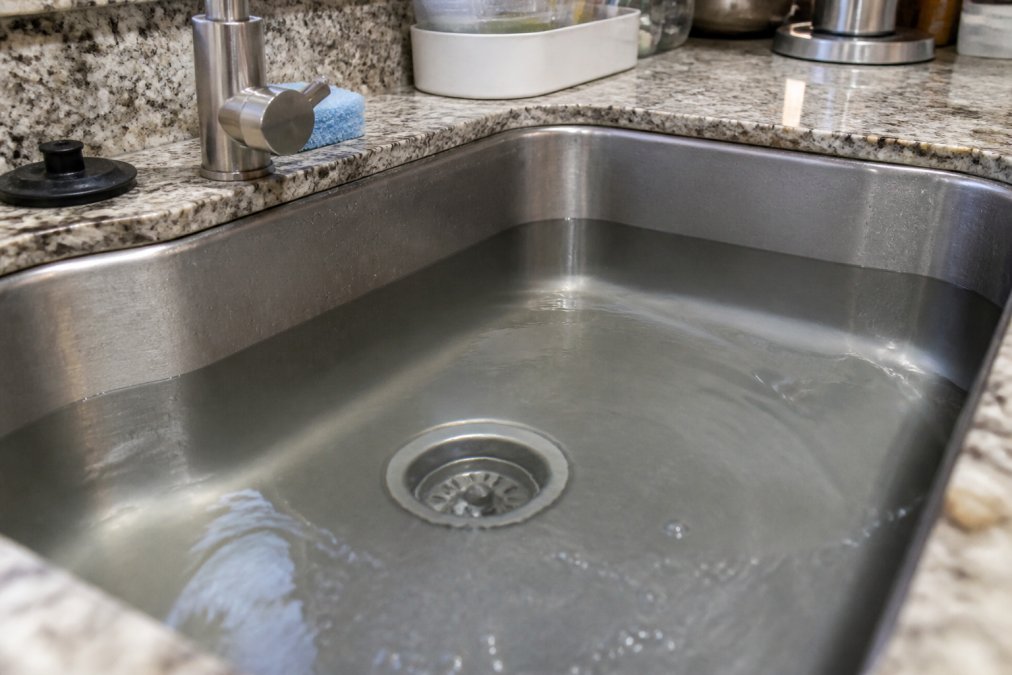
Multiple drains backing up simultaneously is the most serious warning sign. If your kitchen sink, bathroom sinks, and shower all drain slowly or back up at the same time, the problem is in your main sewer line or main drain, not in individual fixtures. This requires professional diagnosis and treatment, it's beyond DIY drain cleaning.
Water backing up into your shower when you run the washing machine indicates a blockage in the main drainage system. The washing machine discharge pressure forces water back through connected drains. This happens because the main drain can't handle the volume, which means a significant blockage exists.
Sewage odors coming from drains or around your foundation suggest a serious blockage or pipe damage. This isn't just unpleasant, it's a health concern. A professional plumber needs to video inspect the line to determine whether you have a clog, a break in the pipe, or a collapsed section.
Recurring clogs in the same drain within a few weeks of professional cleaning indicate that the initial treatment didn't fully solve the problem. The blockage location might be deeper than initially thought, or the method used (snaking) didn't remove all the obstruction. A second opinion from a different service technician can help, they might recommend hydro-jetting instead of snaking, or video camera inspection to identify root intrusion or pipe damage.
Gurgling sounds from drains when you flush the toilet or run water elsewhere suggest air can't escape properly because of a partial blockage. This is often an early warning sign that a more serious clog is developing.
Emergency Drain Cleaning Service Cost
Drain emergencies don't wait for business hours. When a main sewer line backs up into your home at 2 AM on a Sunday, you need help immediately. Emergency drain cleaning service cost is substantially higher than standard service calls, but the alternative, sewage backing up into your home, justifies the premium.
Most professional plumbing companies charge extra for emergency service calls. The markup typically ranges from 50% to 100% above their standard rates (bls.gov). If a standard drain snake costs a certain amount during business hours, the same service might cost significantly more if you call at midnight or on a holiday.
Emergency service availability varies. Some larger companies staff technicians 24/7 and can dispatch someone quickly. Smaller operations might have limited after-hours availability or rely on an on-call rotation. When you're in a crisis, response time matters as much as price.
The service call fee for emergency work is often higher than standard calls and typically isn't credited toward the final bill. This covers the technician's time to respond and the premium for after-hours work.
Understanding Hidden Fees and Pricing Models
Professional drain cleaning services cost estimates can look straightforward until you get the final invoice. Several fees hide in the details, and understanding them upfront prevents surprises.
Service call fees are the most common hidden cost. Many plumbers charge a diagnostic fee just to come out, assess the problem, and provide an estimate. This fee might be $50 to $150 depending on your location and the company. Some companies credit this toward the final bill if you hire them; others don't. Always ask before they arrive.
Video camera inspection fees are another line item. If your plumber needs to run a camera through your drain to diagnose the problem, especially for main sewer line issues, expect a separate charge. This diagnostic tool is essential for identifying root intrusion, pipe damage, or the exact blockage location, but it adds to your bill.
Flat-rate pricing versus hourly rates create different cost structures. Flat-rate pricing means you pay one set price for a specific service (e.g., "drain snake $X, hydro-jetting $Y"). This gives certainty but might be higher than hourly rates if the job finishes quickly. Hourly rates create uncertainty, if the job takes longer than expected, your bill climbs. Some companies use a combination: a flat rate for standard service, with hourly charges if complications arise.
Cleanup and debris removal sometimes appear as separate fees. After clearing a drain, the plumber needs to dispose of the debris. Most companies include this in their service, but some charge extra for large volumes or hazardous material disposal.
Warranty and guarantee expectations vary significantly. Some companies guarantee their work for 30 days, if the drain clogs again within that period, they'll return and clear it at no charge. Others offer no warranty. A warranty adds value and can justify a higher initial cost because you're protected if the problem recurs immediately.
Travel fees or mileage charges apply if you're far outside the company's standard service area. If England's Plumbing & Heating or another local service needs to drive 30 miles to reach you, they might add a travel surcharge to the bill.
Conclusion
Professional drain cleaning services cost depends on multiple factors: the drain type and blockage location, the severity of the clog, the method required to clear it, and whether you need emergency service. Understanding these variables helps you evaluate estimates and recognize fair pricing from inflated quotes.
When you're facing a drain emergency or recurring clogs, England's Plumbing & Heating brings nearly four decades of experience to diagnose the real problem and recommend the right solution. Our team offers professional drain cleaning with video camera inspection capabilities, both snaking and hydro-jetting equipment, and transparent flat-rate pricing so you know the cost upfront. We serve Chester County and the surrounding area with same-day service availability and emergency support when you need it most. Book online to schedule your drain cleaning, or call for an estimate on the specific problem you're facing.
=== FAQ ANSWERS (audit these too, same rules) ===
[1] Q: Is professional drain cleaning worth the cost? A: Professional drain cleaning is worth the investment when you have recurring clogs, slow drainage affecting multiple plumbing fixtures, or signs of main sewer line issues. A professional plumber uses specialized equipment like drain snakes and hydro-jetting to clear blockages completely, preventing damage to your drainage pipes. DIY methods often provide only temporary relief, while professional service addresses root causes like grease buildup, root intrusion, or pipe damage that video camera inspection can identify.
[2] Q: What factors cause drain cleaning quotes to vary? A: Drain cleaning quotes vary based on drain type (sink, toilet, or main sewer line), clog severity, blockage location, and the cleaning method required. Service call fees, labor costs, and whether you need emergency service also impact pricing. Video camera inspection to diagnose the problem may add to the cost but prevents unnecessary work. Pipe diameter and the extent of root intrusion or grease buildup are additional factors that professional plumbers assess before providing an estimate.
[3] Q: How much does hydro-jetting cost compared to snaking? A: Hydro-jetting typically costs more than drain snaking because it uses high-pressure water equipment to thoroughly clean the entire interior of your drainage pipes. Snaking is less expensive and effective for simple clogs in individual drains, while hydro-jetting is better for stubborn blockages, grease buildup, and main sewer line issues. The choice between hydro-jetting vs snaking cost depends on clog severity and whether you need preventative maintenance or emergency clearing of a blocked drain.
[4] Q: Are there hidden fees in professional drain cleaning? A: Many professional plumbers use flat-rate pricing to avoid hidden fees, providing an upfront quote before work begins. However, some charge service call fees, diagnostic fees for video camera inspection, or overtime charges for emergency service. Ask your service technician whether the estimate includes all labor costs, equipment fees, and whether additional charges apply if the job is more complex than initially assessed. Reputable companies clearly disclose what is and isn't included in their quoted price.
[5] Q: When should you call a professional instead of using DIY methods? A: Call a professional plumber when you have recurring clogs, multiple slow drains, sewage backups, or standing water in your yard. These signs indicate problems beyond simple blockages, such as root intrusion, pipe damage, or issues with your main sewer line. Professional plumbers have the tools, expertise, and equipment to diagnose and fix drainage issues safely and permanently. Emergency drain cleaning service is essential if you experience sewer backup or complete drainage failure affecting your entire plumbing system.
Frequently Asked Questions
Is professional drain cleaning worth the cost?
Professional drain cleaning is worth the investment when you have recurring clogs, slow drainage affecting multiple plumbing fixtures, or signs of main sewer line issues. A professional plumber uses specialized equipment like drain snakes and hydro-jetting to clear blockages completely, preventing damage to your drainage pipes. DIY methods often provide only temporary relief, while professional service addresses root causes like grease buildup, root intrusion, or pipe damage that video camera inspection can identify.
What factors cause drain cleaning quotes to vary?
Drain cleaning quotes vary based on drain type (sink, toilet, or main sewer line), clog severity, blockage location, and the cleaning method required. Service call fees, labor costs, and whether you need emergency service also impact pricing. Video camera inspection to diagnose the problem may add to the cost but prevents unnecessary work. Pipe diameter and the extent of root intrusion or grease buildup are additional factors that professional plumbers assess before providing an estimate.
How much does hydro-jetting cost compared to snaking?
Hydro-jetting typically costs more than drain snaking because it uses high-pressure water equipment to thoroughly clean the entire interior of your drainage pipes. Snaking is less expensive and effective for simple clogs in individual drains, while hydro-jetting is better for stubborn blockages, grease buildup, and main sewer line issues. The choice between hydro-jetting vs snaking cost depends on clog severity and whether you need preventative maintenance or emergency clearing of a blocked drain.
Are there hidden fees in professional drain cleaning?
Many professional plumbers use flat-rate pricing to avoid hidden fees, providing an upfront quote before work begins. However, some charge service call fees, diagnostic fees for video camera inspection, or overtime charges for emergency service. Ask your service technician whether the estimate includes all labor costs, equipment fees, and whether additional charges apply if the job is more complex than initially assessed. Reputable companies clearly disclose what is and isn't included in their quoted price.
When should you call a professional instead of using DIY methods?
Call a professional plumber when you have recurring clogs, multiple slow drains, sewage backups, or standing water in your yard. These signs indicate problems beyond simple blockages, such as root intrusion, pipe damage, or issues with your main sewer line. Professional plumbers have the tools, expertise, and equipment to diagnose and fix drainage issues safely and permanently. Emergency drain cleaning service is essential if you experience sewer backup or complete drainage failure affecting your entire plumbing system.