 comparison
Water Heater Installation Cost: 2026 Pricing Guide
Table of Contents
- Average Cost of Water Heater Installation
- Factors Influencing Installation Costs
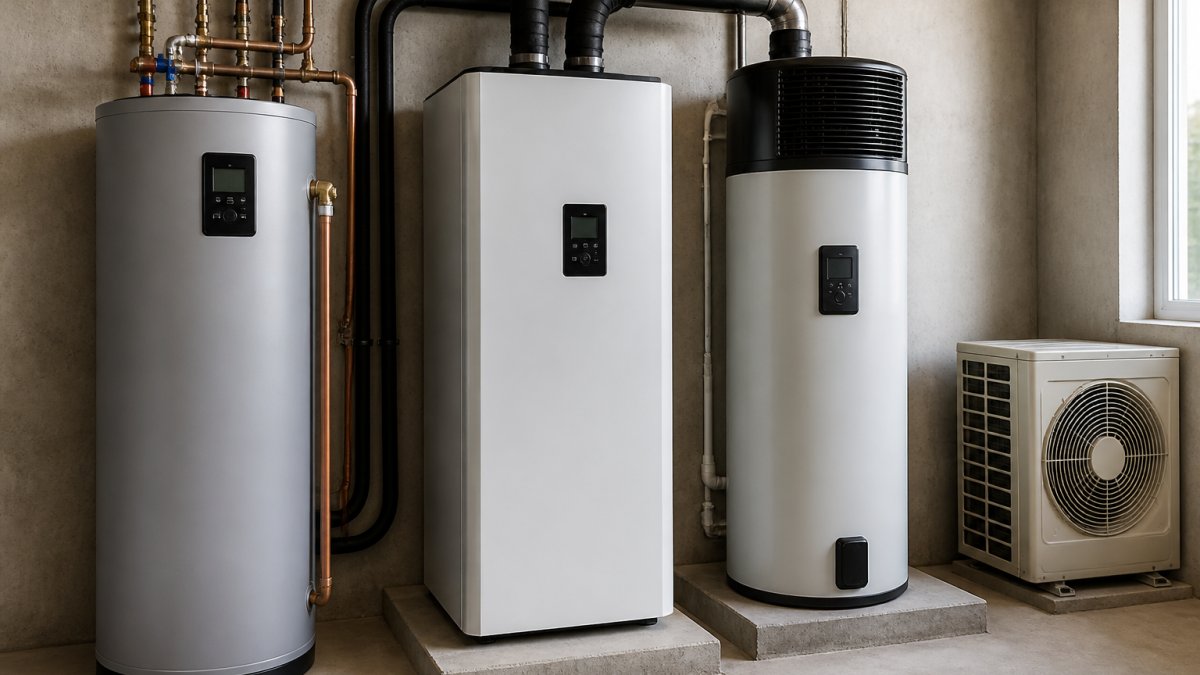
- Tankless vs Tank Water Heater Installation Cost
- Average Labor Cost to Install Water Heater
- Water Heater Installation Timeline: What to Expect
- DIY Water Heater Installation Risks and Why Professional Installation Matters
- Hidden Costs and Code Compliance Requirements
- Frequently Asked Questions
Last Updated: September 23, 2026
Average Cost of Water Heater Installation
Water heater installation cost ranges from $1,600 to $4,300 depending on unit type, plumbing infrastructure, and local labor rates. Tank-style units cost less; tankless and heat pump models cost more due to complexity and specialized work.
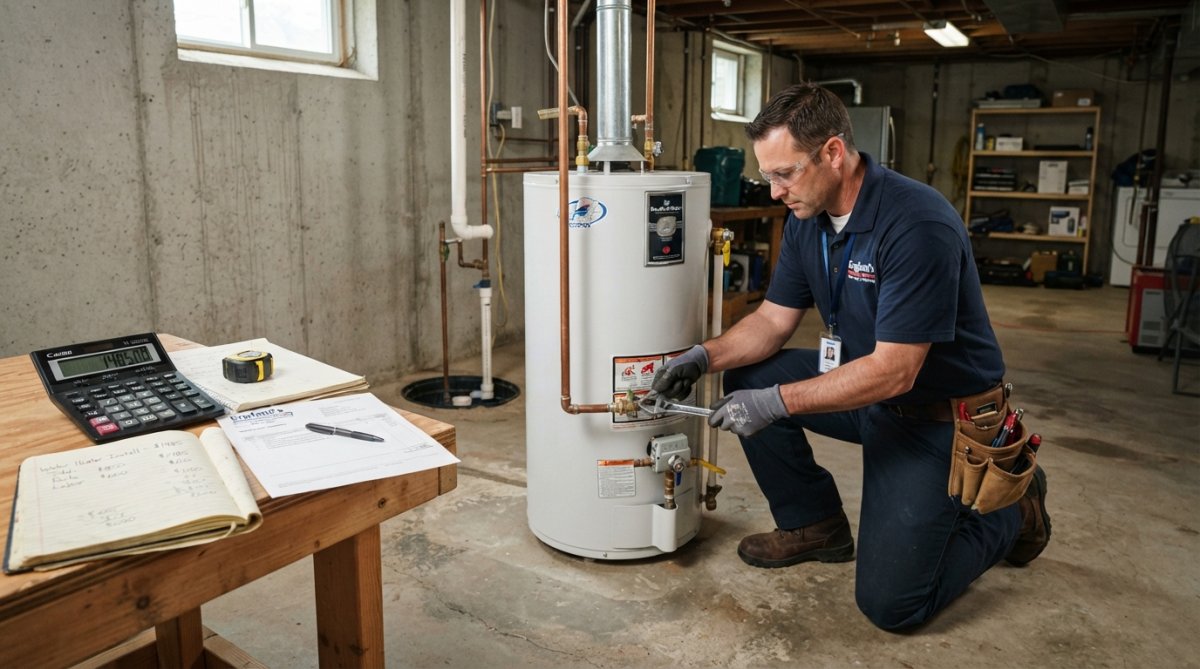
Installation costs break down into equipment, labor, and code-compliance work. Site-specific conditions often drive the final price more than unit type alone.
Factors Influencing Installation Costs
Your existing plumbing infrastructure significantly affects cost. Older homes with corroded piping or undersized gas lines require upgrades before installation, while modern homes with well-maintained systems cost less to retrofit.
Building code compliance is mandatory and adds real expense. Municipalities require venting upgrades, expansion tanks, or pressure relief valves. Some contractors quote these separately to lower their base price, so request itemized estimates.
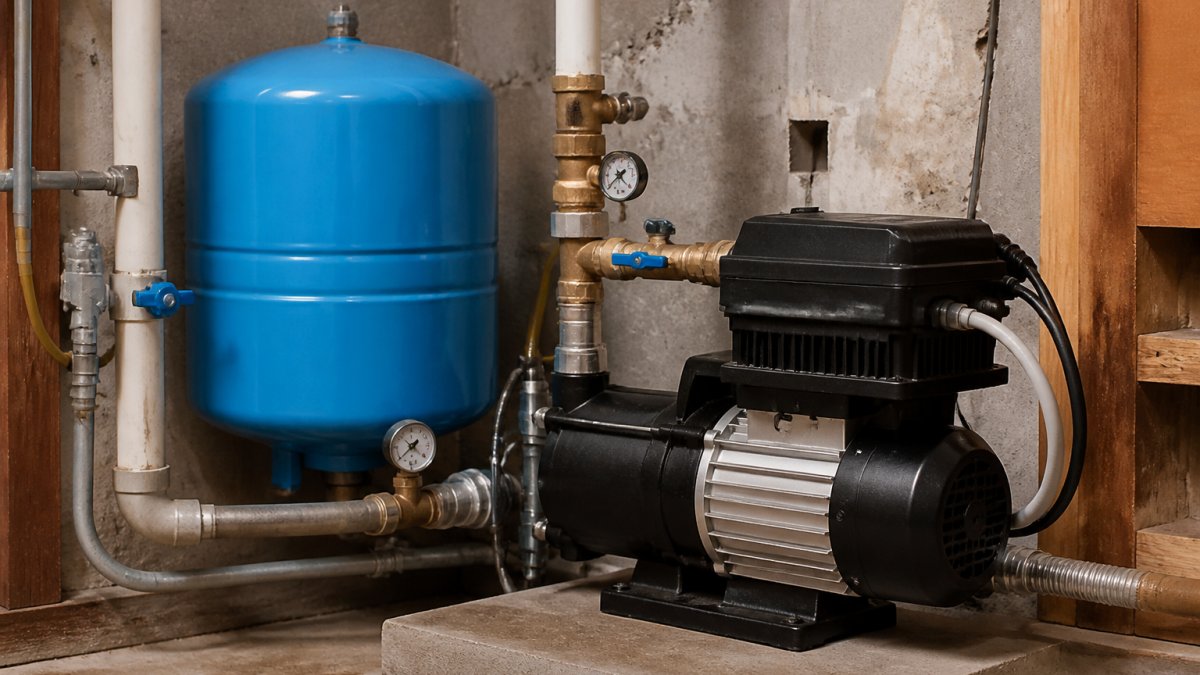
Location affects labor time and cost. Basement installations cost less than attic, crawlspace, or tight closet placements. Private well systems require additional considerations for water pressure and sediment buildup.
Gas units require licensed gas fitter work and pressure testing; electric units need a dedicated 240-volt circuit, potentially requiring panel upgrades. Both add cost compared to simple replacements.
Regional Cost Variance
National averages mask significant regional differences that directly impact your final bill. Labor rates, permit fees, and code requirements vary dramatically by geography, and most guides overlook this critical variable.
Metropolitan areas charge $100-$150/hour labor; rural areas charge $60-$90/hour, reducing total costs by 30-40%. Permit fees in high-cost regions often exceed $200.
Cold climates add $200-$400 for venting and insulation. Hard water areas may require filtration upgrades ($300-$600). Coastal regions need corrosion-resistant components, raising costs.
Permit processing varies from days to 2-3 weeks by region. Inspection scheduling can add weeks to your timeline.
Request itemized quotes showing local labor rates, permit costs, and climate-specific upgrades to verify competitive pricing for your area.
Tankless vs Tank Water Heater Installation Cost
Tankless installation costs $3,500-$4,300; storage tanks cost $1,900-$2,500. The difference reflects labor-intensive work required for tankless units.
Tankless systems require upgraded gas lines, venting, and sometimes electrical work. Plumbers must assess water pressure, flow rate, and heating demand for proper sizing, more diagnostic work than tank replacements.
Tank replacements are simpler: remove old unit, install new one in same location, connect existing lines. A single day with minimal disruption if infrastructure is adequate.
Consider the long-term picture. Tankless units last 15-20 years versus 10-12 years for storage tanks. They save on utility costs through energy efficiency. But the upfront installation cost is steep. For homeowners planning to stay in their home long-term, the investment often pays back. For those selling within five years, a standard tank may make more financial sense.
Average Labor Cost to Install Water Heater
Labor typically represents 40-60% of your total water heater installation cost. A plumber's hourly rate ranges widely by region, but professional installation labor averages $800 to $1,500 for a straightforward tank replacement. Tankless and high-efficiency models push labor into the $1,500 to $2,500 range due to complexity and time required.
The cost of water heater installation labor depends on how long the job takes. A standard tank swap in ideal conditions takes 2-4 hours. Tankless installations often require 6-8 hours or span multiple days if gas line or electrical upgrades are needed. Your plumber's expertise and reputation also affect the rate, experienced professionals command higher hourly fees but often work faster and catch issues others might miss.
Emergency or after-hours installation costs more. If your water heater fails on a weekend or holiday, expect surcharges of 25-50% on top of the standard labor rate. This is why many homeowners schedule replacements during business hours when they have advance notice.
Some service providers charge flat project fees rather than hourly rates. This protects you from surprises if the job takes longer than expected. Contact us for a consultation and written quote tailored to your home's specific needs.
Water Heater Installation Timeline: What to Expect
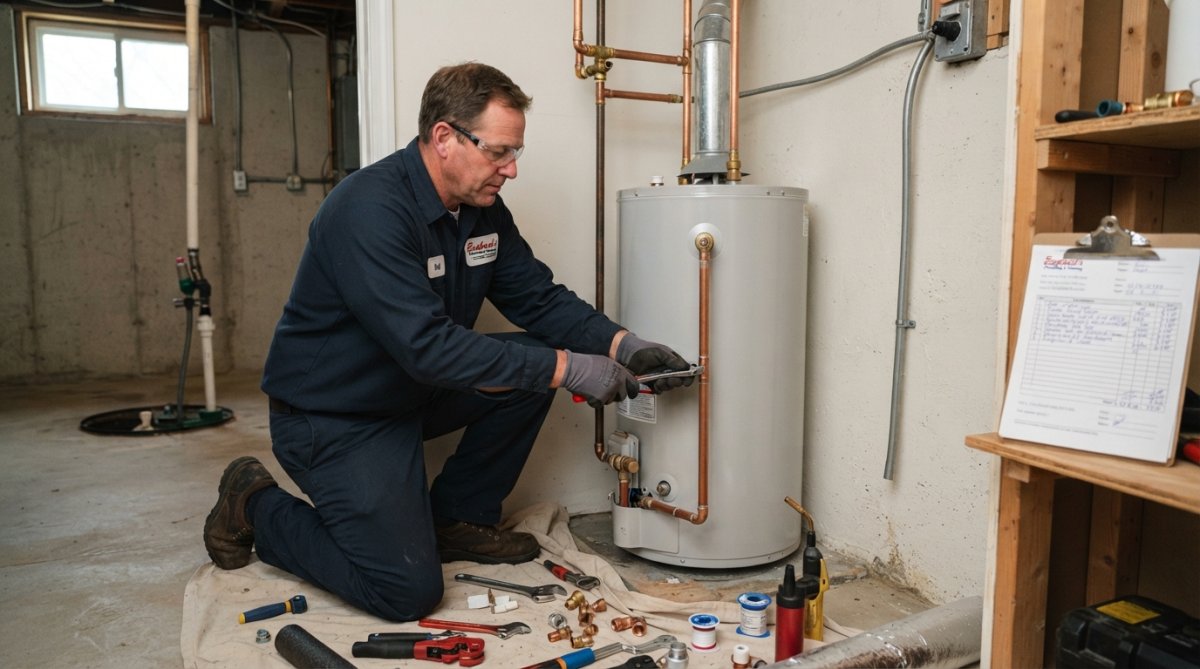
A standard tank water heater installation typically takes 4-6 hours from arrival to completion. The plumber shuts off water and gas or electricity, drains the old unit, removes it, inspects the area for damage or code issues, installs the new unit, reconnects all lines, tests for leaks, and runs through safety checks. Most homeowners can have hot water restored the same day.
Tankless installations take longer. The plumber may need to run new gas lines, install or upgrade venting, install an expansion tank, and install new electrical circuits. This work often requires 1-2 days, sometimes spread across two visits if gas line work needs inspection between stages.
Hidden Timeline Delays
The physical installation time is only part of the story. Most homeowners underestimate the total time from decision to final approval because they don't account for permitting, inspection scheduling, and code compliance contingencies.
Permit acquisition adds 3-14 days depending on your municipality. Some jurisdictions issue permits same-day or next-day; others require in-person applications or have backlogs. You cannot legally begin installation until the permit is issued. If your municipality requires a pre-installation inspection (some do for gas line work), add another 2-5 days to the timeline.
Post-installation inspection is mandatory and often the longest wait. After the plumber completes the work, a municipal inspector must verify code compliance. Inspection scheduling depends on your local building department's workload. In busy seasons or understaffed departments, inspections may not occur for 1-3 weeks. If the inspector finds violations, undersized venting, missing expansion tank, improper gas line connections, the plumber must return to correct them, then request a re-inspection, adding another 5-10 days.
Gas line or electrical upgrades introduce additional delays. If your existing infrastructure requires upgrades, the plumber may schedule this work separately from the water heater installation itself. Gas line work often requires a separate inspection before the water heater can be connected. Electrical panel upgrades may require a licensed electrician and a separate inspection, extending your timeline by 1-2 weeks.
Code compliance contingencies are common in older homes. During the installation, the plumber may discover that your existing venting is deteriorated, your gas line is corroded, or your electrical panel lacks capacity. These discoveries trigger additional work, cost, and timeline extension. Budget an extra 1-2 weeks if your home was built before 1990 or has never had a water heater replacement.
Realistic Timeline Expectations
For a straightforward tank replacement in a modern home with no code issues: 1 day for installation, 5-10 days for permit and inspection. Total: 1-2 weeks.
For a tankless installation or a tank replacement in an older home requiring upgrades: 2-3 days for installation, 10-21 days for permit, inspection, and any required re-work. Total: 2-4 weeks.
For emergency replacements: Same-day or next-day installation is possible, but code inspection still takes 5-14 days. You cannot legally use the water heater until inspection approval is granted, even if the physical work is complete.
DIY Water Heater Installation Risks and Why Professional Installation Matters
Installing a water heater yourself sounds appealing, you save labor costs and control the timeline. The reality is far riskier than it appears. Water heater installation involves gas lines, electrical circuits, venting systems, and pressure relief mechanisms. Mistakes in any of these areas create serious safety hazards.
Gas line work is illegal for unlicensed individuals in most jurisdictions. Improper connections leak carbon monoxide, a colorless, odorless gas that kills (the CDC).
Hidden Costs and Code Compliance Requirements
Most homeowners focus on the unit price and labor rate, then get surprised by code-compliance expenses. Building codes require specific equipment and work that isn't optional, even if your old water heater didn't have it.
| Hidden Cost | Typical Range | Why It Matters |
|---|---|---|
| Expansion tank | $150-$300 | Prevents pressure damage to system |
| Drip pan and drain | $100-$200 | Protects home from water damage |
| Venting upgrades | $300-$800 | Ensures safe combustion gas removal |
| Gas line work | $500-$1,500 | Supplies adequate pressure to unit |
| Electrical upgrades | $200-$1,500 | Powers tankless or heat pump units |
| Permits and inspection | $50-$300 | Ensures code compliance and safety |
| Old unit disposal | $50-$150 | Proper environmental handling |
Frequently Asked Questions
What is the average cost of water heater installation?
The total cost of water heater installation varies based on unit type and site conditions. Tank water heater installation typically ranges from $1,600 to $2,500 including the unit and labor, while tankless systems average $3,500 to $4,500. Costs depend on your home's plumbing infrastructure, fuel type, permits required, and local labor rates. Contact a professional plumber for a site-specific quote.
How long does professional water heater installation take?
A standard tank water heater installation typically takes 2 to 4 hours once work begins, assuming straightforward site conditions and no code upgrades needed. Tankless installations may require 4 to 8 hours due to venting and gas line modifications. Complex retrofits involving plumbing upgrades or electrical work can extend the timeline to a full day or more. Your installer will provide a specific timeline during the consultation.
What are the hidden costs of water heater installation I should know about?
Beyond the unit price and basic labor, hidden costs include permit fees (typically $50 to $300), inspection fees, disposal of your old water heater, upgrades to gas lines or electrical circuits, expansion tank installation, drip pan installation, and venting modifications to meet current building codes. Some homes require pressure relief valve upgrades or plumbing modifications. Request an itemized estimate to identify all costs before work begins.
Is DIY water heater installation safe or recommended?
DIY installation carries serious risks including improper venting leading to carbon monoxide exposure, gas line leaks, electrical hazards with electric units, code violations that void warranties, and plumbing mistakes causing water damage. Most jurisdictions require licensed plumbers for installation to ensure compliance with building codes and safety standards. Professional installation protects your home, ensures proper function, and maintains manufacturer warranties.