 ultimate-guide
Water Heater Lifespan and Replacement: A Complete Guide
Table of Contents
- How Long Do Water Heaters Last?
- Tankless vs Tank Water Heater Lifespan
- Signs a Water Heater Is Failing
- Factors That Affect Water Heater Longevity
- Repair vs. Replace: Making the Right Decision
- Cost of Water Heater Replacement
- Extending Your Water Heater's Service Life
- Frequently Asked Questions
Last Updated: September 19, 2026
How Long Do Water Heaters Last?
Most tank-style water heaters last 8 to 12 years, though proper maintenance can extend this to 15 years, making understanding water heater lifespan and replacement essential for homeowners. Water heater lifespan and replacement depends on maintenance quality, water quality, and early problem detection.
The difference between a 10-year and 8-year lifespan often comes down to one overlooked task: flushing sediment from the tank. Mineral deposits and rust corrode the heating element and tank walls, cutting years off service life.
Tank Water Heaters vs. Tankless Models
Tank water heaters store 40 to 80 gallons and last 8 to 12 years. Tankless models heat on demand and last 15 to 20 years because they avoid the constant corrosion cycle of tank models.
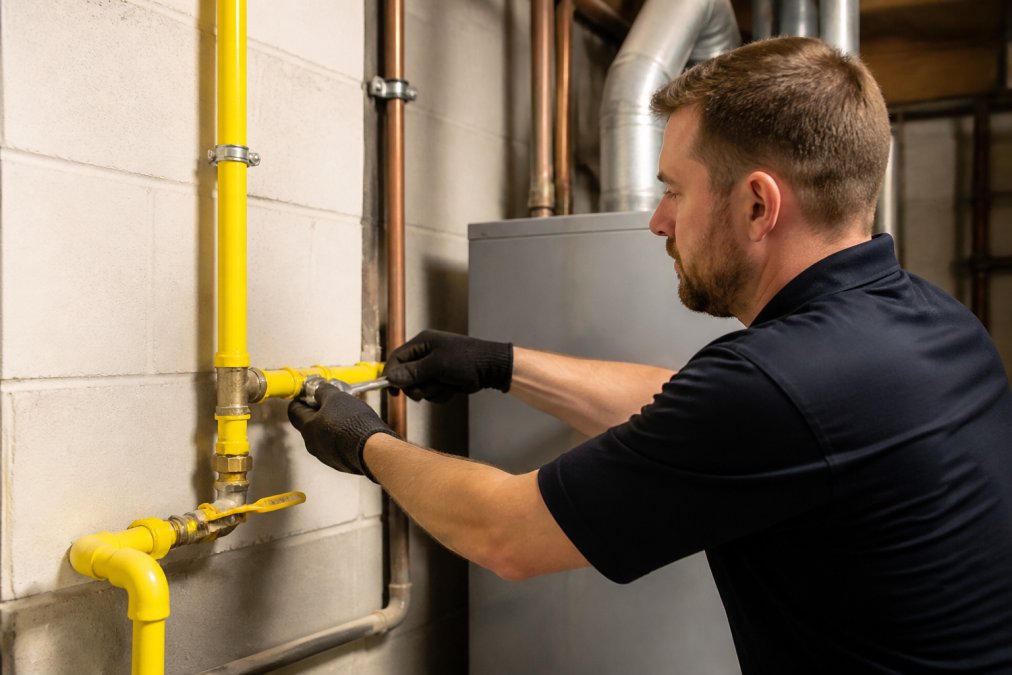
Tankless systems cost more to install and require sophisticated venting and gas piping. For most homeowners, the longer lifespan doesn't offset higher installation costs unless staying 20+ years.
Tankless vs Tank Water Heater Lifespan
Tank units need replacement every 8 to 12 years; tankless models last 15 to 20 years. However, tankless systems require more frequent maintenance to prevent mineral scale buildup in the heating exchanger.
Hard water deposits accumulate faster in tankless units' compact chambers. High-hardness areas require professional descaling every 1 to 2 years. Tank models are easier to flush and less prone to sudden scale-related failure.
Tank models provide instant hot water; tankless units have a slight delay. For families with multiple simultaneous hot water needs, a tank model's larger first-hour rating may be more practical.
Signs a Water Heater Is Failing
Rust-colored water from hot taps indicates tank corrosion and failure within months. Popping or rumbling sounds signal sediment buildup at the tank bottom.
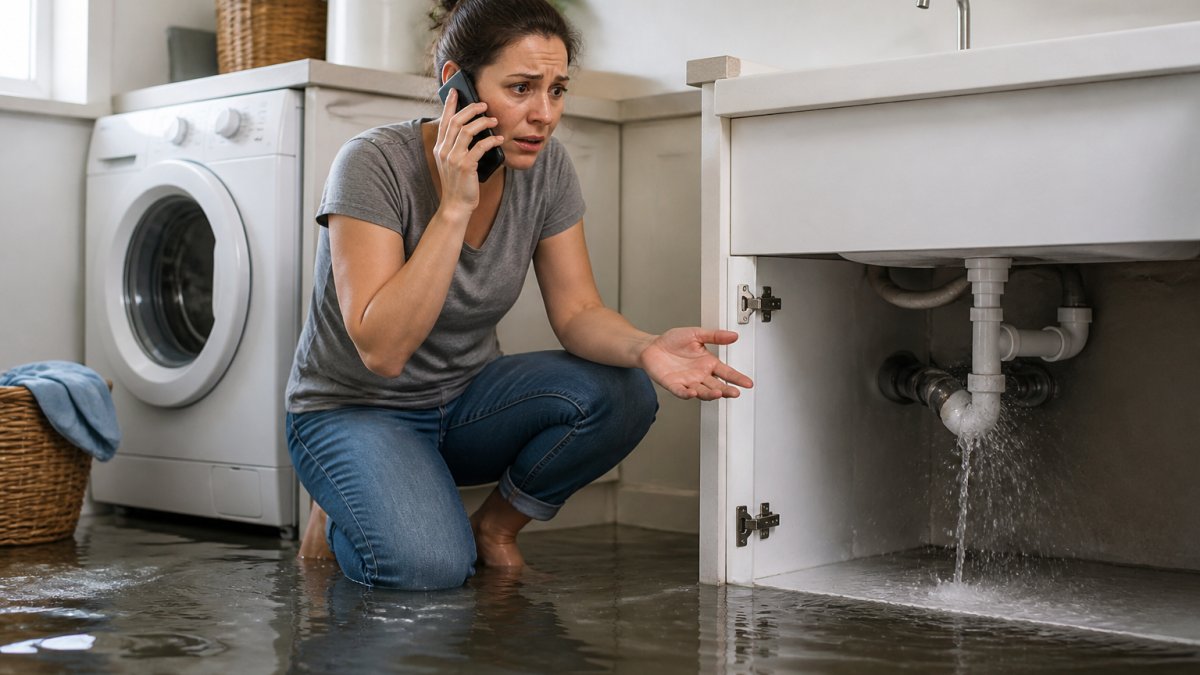
Leaking is urgent. A drip from the pressure relief valve or seams means replacement is imminent. Water pooling under the unit requires immediate professional attention to prevent flooding and damage.
Inconsistent temperature or faster hot water depletion signals heating element failure. Reduced hot water pressure may indicate mineral scale blocking the dip tube.
When to Act Immediately
Hissing or popping sounds signal significant sediment accumulation and overdue flushing. If your unit is 10+ years old with these sounds, replacement is more cost-effective than repair.
A visible leak from the tank body itself requires immediate action.
Factors That Affect Water Heater Longevity
Several factors determine whether your water heater will last 8 years or 15. Installation quality matters significantly. A unit installed to code with proper venting, gas piping, and electrical connections will perform better and last longer than one installed hastily. Improper venting can introduce moisture that accelerates corrosion. Poor gas line work creates safety hazards and reduces heating efficiency.
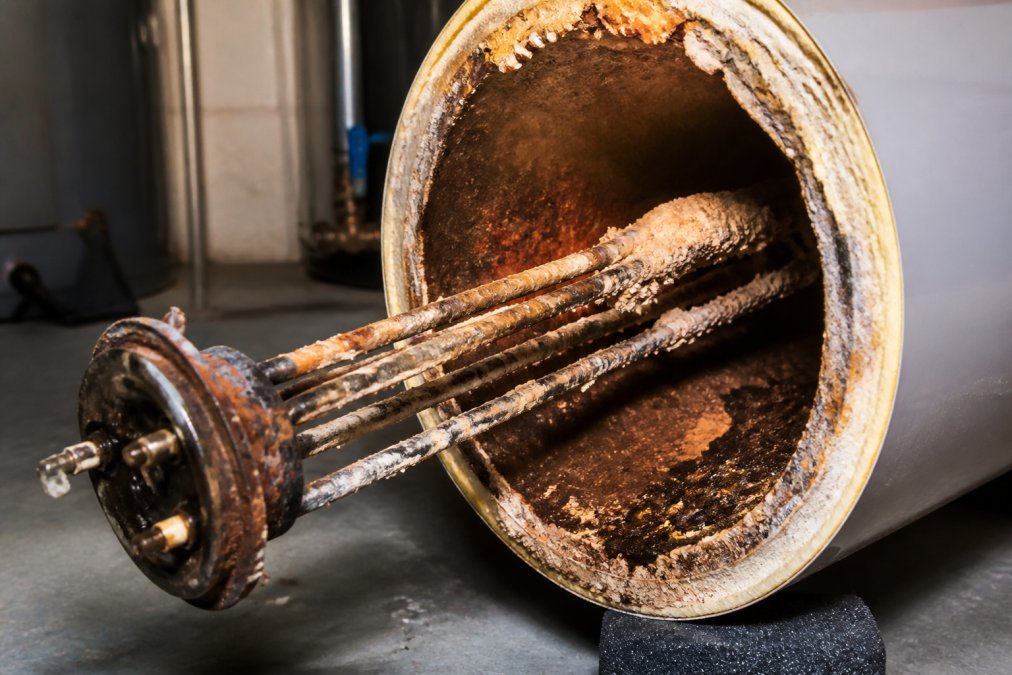
Water Quality and Sediment Buildup
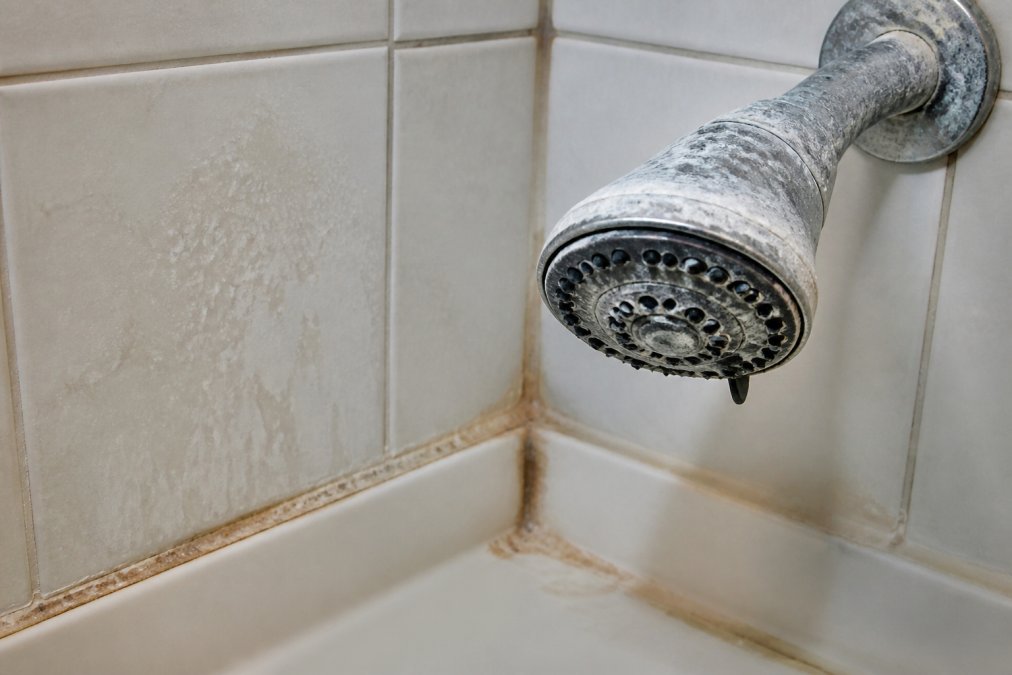
Hard water is the enemy of water heater longevity. Mineral-rich water deposits calcium and magnesium scale inside the tank, insulating the heating element and forcing it to work harder. This thermal stress shortens the element's life and increases energy consumption. In areas with very hard water, sediment accumulation can reduce a water heater's lifespan by 3 to 5 years.
Maintenance and Anode Rod Replacement
The anode rod corrodes on purpose, it's designed to protect the tank. Once depleted, the tank becomes vulnerable. Inspecting the anode rod every 2 to 3 years and replacing it when it's mostly consumed is the most effective maintenance task you can perform. A new anode rod costs less than a hundred dollars and can extend your water heater's life by 5 years or more.
Repair vs. Replace: Making the Right Decision
Deciding whether to repair or replace your water heater depends on age, repair cost, and remaining lifespan. If your unit is under 7 years old and the repair cost is less than a quarter of replacement cost, repair usually makes sense. If your water heater is 10+ years old, replacement is typically the better choice even for moderate repairs.
| Issue | Age < 7 Years | Age 7-10 Years | Age 10+ Years |
|---|---|---|---|
| Leaking valve | Repair | Repair | Consider replace |
| Heating element failure | Repair | Evaluate | Replace |
| Tank corrosion | Repair | Replace | Replace |
| Sediment buildup | Flush | Flush | Replace |
| Anode rod depletion | Replace rod | Replace rod | Replace unit |
Cost of Water Heater Replacement
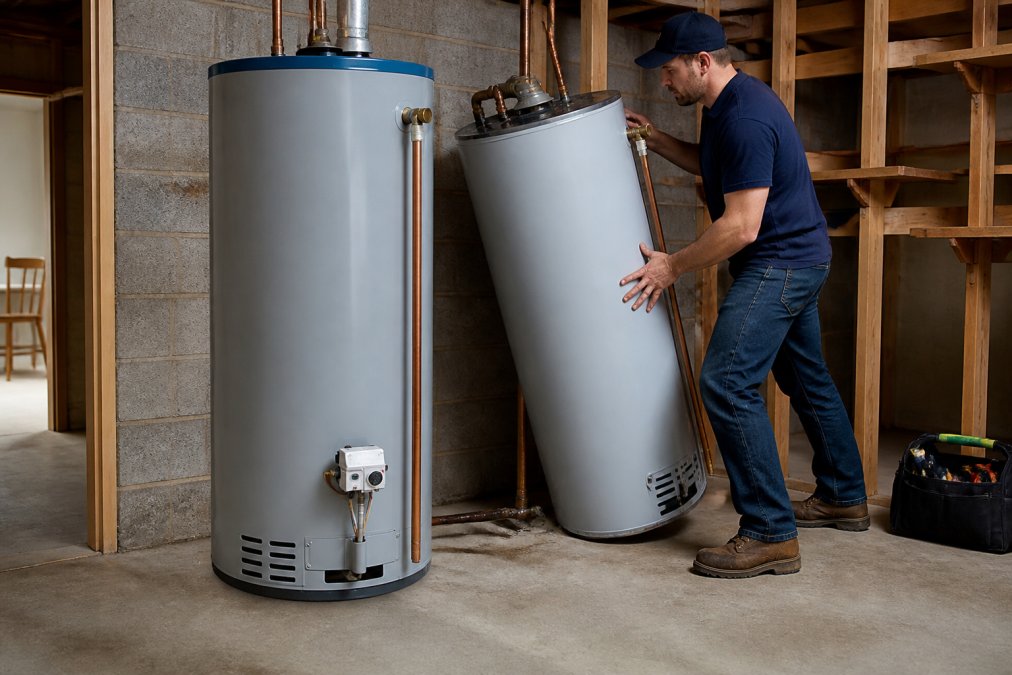
Water heater replacement cost varies based on the type of unit, fuel source, and installation complexity. A new tank-style water heater requires not just the unit itself but also labor for removal, installation, venting, and gas or electrical connections. Installation quality affects both safety and longevity, so choosing an experienced professional is critical.
What Influences Replacement Costs
Fuel type affects pricing substantially. A gas water heater typically costs less than an electric model, but gas installation may require venting upgrades. Electric models are simpler to install but cost more to operate. Tankless systems have the highest upfront cost but lower operating expenses over their longer lifespan.
Extending Your Water Heater's Service Life
The most cost-effective strategy is extending the life of your current unit through preventative maintenance. Regular flushing, anode rod replacement, and temperature management can add years to your water heater's service life. These tasks cost far less than replacement and delay the larger capital expense.
Annual Flushing and Preventative Maintenance
Flushing your water heater annually removes sediment that accumulates from normal operation. This single task is the most effective way to extend your water heater's service life. The process takes 30 to 60 minutes and can be done by a homeowner with basic plumbing knowledge or by a professional.
Frequently Asked Questions
My water heater is 8 years old. Should I replace it now?
Most tank water heaters last 8-12 years before replacement becomes necessary. At 8 years, you're in the middle of the typical service life. If your unit operates without leaks, rust-colored water, or temperature issues, it can continue running safely. However, start planning for replacement within the next few years. If you notice signs of failure, leaking, strange noises, or sediment, replacement may be more cost-effective than repair. Consider your warranty status and whether preventative maintenance has been performed regularly.
What's the cost of water heater replacement?
Replacement costs depend on the unit type, capacity, fuel source (gas vs. electric), and labor requirements at your location. Tank models typically cost less upfront than tankless systems. Installation complexity, local codes, and whether you need new venting or gas line work also affect pricing. For an accurate quote tailored to your home and needs, contact a qualified plumber who can assess your current setup and provide transparent pricing.
What are the first signs a water heater is failing?
Early warning signs include rust-colored water from hot taps, unusual noises like popping or rumbling, visible leaks around the tank base, and inconsistent water temperature. Reduced hot water supply or a pilot light that won't stay lit on gas models also indicate problems. If you notice any of these signs, have a professional inspect the unit. The anode rod may be corroded, sediment may have accumulated, or internal corrosion may be advancing. Catching these early can sometimes extend life through targeted repairs.
How much longer can I keep a water heater if I maintain it regularly?
Regular maintenance, particularly flushing the tank annually to remove sediment and checking the anode rod every few years, can extend service life by 2-3 years or more. Preventative maintenance slows corrosion, improves energy efficiency, and helps catch small problems before they become costly failures. However, even well-maintained units eventually reach the end of their lifespan. Maintenance is most effective when started early and performed consistently throughout the heater's life.
Is a tankless water heater worth the extra cost?
Tankless models last 15-20 years, significantly longer than tank units, and offer better energy efficiency. However, the initial purchase and installation cost is substantially higher. Tankless heaters require proper venting, water pressure compatibility, and sometimes gas line upgrades. If you plan to stay in your home long-term and want lower energy bills, the investment may pay off. If you're in a rental or plan to move soon, a traditional tank heater may be more practical. Evaluate your usage patterns and long-term plans before deciding.
What role does the anode rod play in water heater longevity?
The anode rod is a sacrificial metal rod designed to corrode instead of the tank itself, protecting the steel tank from rust and galvanic corrosion. Over time, the anode rod deteriorates and must be replaced, typically every 3-5 years, depending on water quality and usage. If the anode rod is not replaced, the tank becomes vulnerable to corrosion and failure. Regular anode rod inspection and replacement is one of the most effective ways to extend your water heater's service life significantly.
Does water hardness affect how long my water heater lasts?
Yes, hard water accelerates scale accumulation inside the tank, reducing heating efficiency and promoting corrosion. Mineral deposits build up on the heating element and tank walls, forcing the unit to work harder and wear out faster. If your area has hard water, more frequent tank flushing and anode rod replacement become essential. Some homeowners install water conditioning systems to reduce mineral content, which can extend water heater life and improve performance across all appliances using hot water.
When is it better to repair rather than replace a water heater?
Repairs make sense if the unit is under 8 years old, the repair cost is less than 50% of replacement, and the issue is isolated (like a thermocouple or heating element). Common repairs include replacing the anode rod, fixing a leaking pressure relief valve, or repairing the dip tube. However, if the tank itself is leaking, corrosion is widespread, or the unit is near the end of its service life, replacement is usually the safer and more economical choice. A professional inspection helps determine which path is right for your situation.