 ultimate-guide
What Is Considered a Plumbing Emergency: A Homeowner's Guide
Table of Contents
- What Constitutes a Plumbing Emergency
- Signs of a Burst Pipe You Cannot Ignore
- How to Shut Off Your Main Water Supply
- Handling a Sewer Backup Safely
- When to Call a Plumber for a Clogged Drain
- Temporary Solutions While Waiting for Help
- Preventing Plumbing Emergencies Before They Happen
- Insurance, Liability, and Emergency Costs
- Frequently Asked Questions
Last Updated: October 3, 2026
What Constitutes a Plumbing Emergency
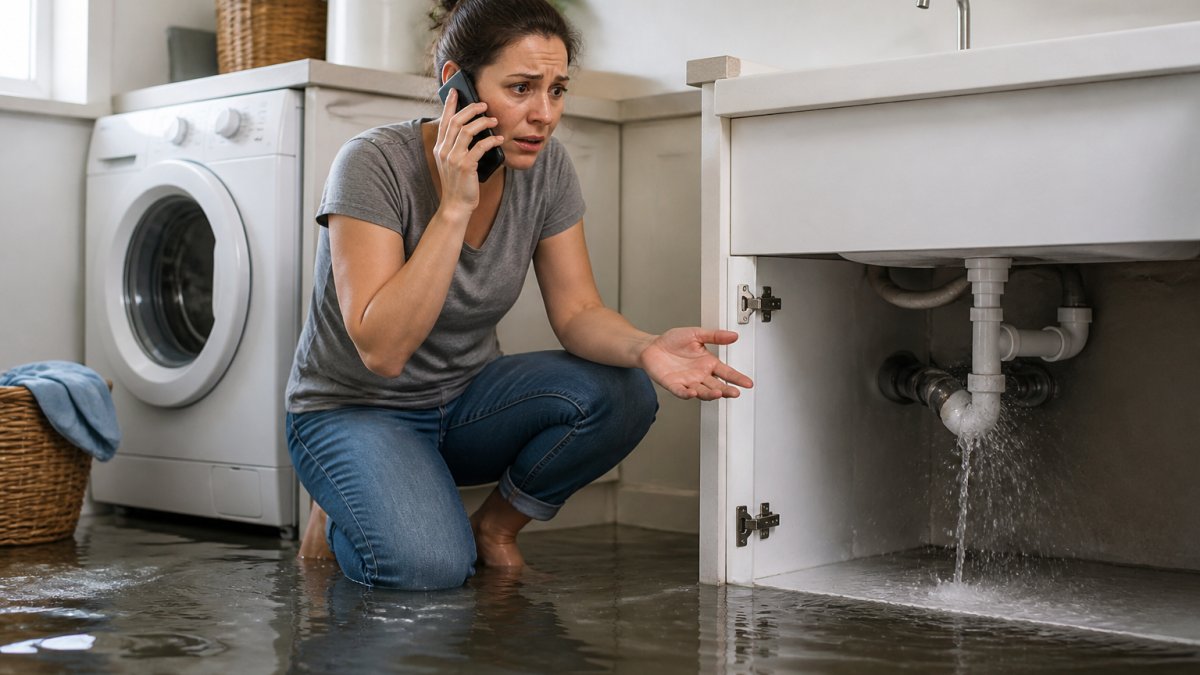
A plumbing emergency is any sudden, unexpected failure in your water supply, drainage, or heating system that poses an immediate risk to your home, health, or property. These situations demand urgent attention and often cannot wait for regular business hours.
Understanding what qualifies as an emergency helps you respond appropriately and avoid unnecessary costs.
Common scenarios that constitute a plumbing emergency include burst pipes, sewer backups, complete loss of water pressure, overflowing toilets that won't stop, gas line leaks, water heater failures during winter, and active flooding from any source. These situations share one critical feature: delay increases damage and expense exponentially.
Homeowners who act fastest by shutting off their main water supply and calling for professional help consistently experience less structural damage and lower repair costs.
Signs of a Burst Pipe You Cannot Ignore
Identifying warning signs of a burst pipe early can mean the difference between a contained repair and catastrophic water damage.
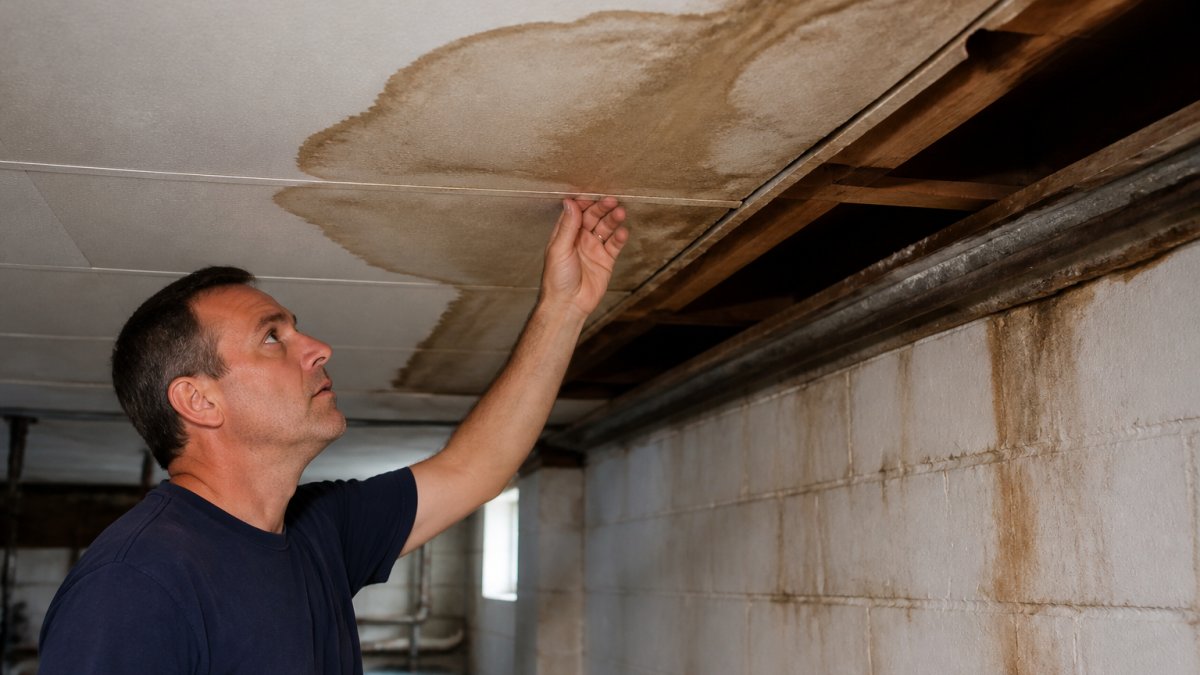
Visible water spraying or pooling where pipes run, wet spots on ceilings or walls without an obvious source, and hissing or spraying sounds from inside walls are nearly certain indicators of a burst pipe.
A sudden drop in water pressure indicates a pipe rupture. Low pressure everywhere suggests main line failure; low pressure in one area suggests a localized burst.
Discolored water (brown, rust-colored, or cloudy) indicates pipe corrosion and imminent failure.
A sudden spike in your water bill without changes in household habits suggests a hidden burst pipe.
How to Shut Off Your Main Water Supply
Shutting off your main water supply is the most important action during a plumbing emergency, stopping water from flooding your home while you wait for professional help.
Your main water shut-off valve is typically located where the water line enters your home, in the basement, utility room, crawlspace, or outside near the meter box. Locate it now to avoid wasting time during a crisis.
The valve is a handle attached to a copper or PVC pipe, either a round knob or lever-style handle. Turn it clockwise (or rotate the lever perpendicular to the pipe) until it stops; don't force it past the stopping point.
After shutting off the main valve, open the lowest faucet to release remaining water pressure, then open an upper-floor faucet to allow air into the system.
Test that water is off by turning on an upstairs faucet. If water still flows, the main valve may be faulty or you may have shut off the wrong valve; look for secondary shut-off valves near specific fixtures.
Handling a Sewer Backup Safely
A sewer backup is among the most hazardous plumbing emergencies because it involves raw sewage and poses serious health risks, demanding immediate professional attention.
Sewer backups announce themselves through multiple drains backing up simultaneously, water or raw sewage in lowest-level fixtures, and foul odors from drains or yard.
Do not use any plumbing fixtures once you suspect a sewer backup; every drain connects to the same main sewer line, and using fixtures forces more sewage into your home.
Avoid contact with sewage or contaminated water. Wear protective gloves and a mask if you must enter an affected area. Keep children and pets away; raw sewage contains harmful bacteria and pathogens.
Document the backup with photos for your insurance claim, but do not attempt cleanup yourself. Call a licensed plumber to diagnose the cause and perform professional remediation.
Delaying professional help dramatically increases remediation costs and health risks.
When to Call a Plumber for a Clogged Drain
A single slow drain is usually not an emergency and can often be cleared with a plunger or drain snake. However, multiple drains backing up simultaneously signals a main drain line problem requiring immediate professional diagnosis.
If a drain backs up raw sewage or foul-smelling water, or if you notice water pooling in your yard, soggy patches, or sewage odors, your main sewer line may be blocked or damaged; call a professional immediately.
A completely stopped toilet is an emergency if it's your only bathroom. A backed-up drain in a septic system indicates septic tank failure and is an emergency.
For routine clogs, a drain snake or plunger works for many homeowners. Avoid chemical drain cleaners, which damage pipes. If the clog returns within days or never fully clears, professional help is needed.
Temporary Solutions While Waiting for Help
For a burst pipe or active leak, shut off the main water supply. Place a bucket under the leak and dry the area with towels to reduce mold risk.
For a minor leak, plumber's tape or pipe putty can temporarily slow water loss. Wrap tape tightly around the leak point or apply putty directly over small cracks; these are holding measures only, not permanent fixes.
For an overflowing toilet, stop the water flow by closing the shut-off valve behind the toilet (usually a small valve on the water line feeding the tank). If you cannot locate or operate that valve, lift the toilet tank lid and pull up the float ball or cup to stop water from entering the bowl.
For a water heater leak, shut off the water supply to the heater and the gas or electrical power. This prevents further water loss and avoids safety hazards. Do not attempt to repair a leaking water heater yourself, replacement is the standard solution.
For a sewer backup, do not use any plumbing fixtures. Place wet towels or plastic sheeting over drains to prevent sewage gases from entering your home while you wait for professional help.
These temporary measures buy time and limit damage, but they are not replacements for professional repair. Call a licensed plumber immediately when you recognize a genuine emergency.
Preventing Plumbing Emergencies Before They Happen
The most cost-effective approach to plumbing emergencies is preventing them from occurring in the first place. Regular maintenance catches problems before they become crises.
Inspect visible pipes in your basement, crawlspace, and under sinks at least twice yearly. Look for water stains, corrosion, or small drips. Corrosion appears as white, green, or blue deposits on copper pipes, or rust-colored deposits on steel pipes.
Check your water pressure regularly. Normal household water pressure ranges from 40 to 80 pounds per square inch. If pressure drops gradually over weeks or months, corrosion or mineral buildup inside pipes is likely. If pressure drops suddenly, a leak or burst may have occurred.
Winterize outdoor faucets and exposed pipes before freezing weather arrives. Disconnect garden hoses, shut off water to outdoor faucets, and open the faucet to drain remaining water. Frozen water inside pipes expands and causes ruptures. In unheated spaces like crawlspaces or garages, wrap exposed pipes with insulation.
Avoid chemical drain cleaners. These products corrode pipes from the inside, accelerating failure. Use a plunger or mechanical drain snake for clogs. If a drain clogs repeatedly, have a professional inspect the line for root intrusion or structural damage rather than repeatedly treating the symptom.
Know the age of your plumbing system. Galvanized steel pipes typically last 40-50 years before corrosion becomes severe. Copper pipes last 50-70 years. PVC pipes last 50+ years. If your home is older than these timelines and has original plumbing, plan for replacement before catastrophic failure occurs.
Have your water heater serviced annually. Sediment buildup inside the tank reduces efficiency and accelerates corrosion. Flushing the tank annually extends its lifespan and reduces the risk of sudden failure.
For homes with private well systems, have your pump and pressure tank inspected annually. Sump pump failure during heavy rain can lead to basement flooding. Well pump failure leaves you without water entirely.
Insurance, Liability, and Emergency Costs
Understanding how insurance covers plumbing emergencies helps you make informed decisions about when to call a professional and what to expect financially.
Most homeowners insurance policies cover sudden, accidental water damage from burst pipes or sewer backups (Water Damage: Whats Covered; Whats Not). However, coverage typically excludes damage from gradual leaks, lack of maintenance, or problems that existed before the policy began.
Document all damage with photos and video before cleanup begins. This evidence supports your insurance claim. Keep receipts for any temporary repairs or mitigation efforts, these are often reimbursable.
Sewer backup coverage is frequently excluded from standard homeowners policies or available only as an expensive add-on. Check your policy now rather than during an emergency. If you're in an area prone to sewer backups, adding this coverage is prudent.
Liability considerations arise when plumbing emergencies damage a neighbor's property. If your burst pipe floods their basement, your homeowners insurance may cover their damages. Document the incident and notify your insurance company promptly.
Professional emergency plumbing service costs vary based on the time of day, severity of the problem, and your location. Service calls outside regular business hours (evenings, nights, weekends) typically include an emergency fee. The actual repair cost depends on the underlying problem. Some repairs are straightforward and quick; others require extensive work.
When you contact a local plumber during an emergency, ask about pricing before authorizing work. Many plumbers offer free estimates or can provide a price range based on the initial diagnosis. Understanding costs upfront helps you make decisions about temporary measures versus full repairs.
Plumbing emergencies test your composure and your home's systems simultaneously. The key is recognizing when a problem qualifies as an emergency, knowing how to take immediate protective action, and calling a licensed professional without delay.
| Emergency Type | Immediate Action | When to Call Professional |
|---|---|---|
| Burst pipe | Shut off main water supply | Immediately, active flooding |
| Sewer backup | Stop using all drains | Immediately, health hazard |
| Overflowing toilet | Shut off toilet water valve | Immediately if it won't stop |
| Slow drain (single) | Use plunger or drain snake | If it persists after attempts |
| Multiple slow drains | Stop water use | Immediately, main line issue |
| Water heater leak | Shut off water and power | Within hours, prevents damage |
| Frozen pipe | Apply heat with hair dryer | If thawing doesn't restore flow |
Frequently Asked Questions
Is a dripping faucet considered a plumbing emergency?
No, a slow drip from a faucet is not an emergency, though it should be repaired to prevent water waste. However, if the drip is accompanied by no water flow elsewhere in your home or if water is pooling beneath the sink, call a professional immediately. A persistent drip can waste thousands of gallons annually and may signal a larger issue within your plumbing system.
When should you shut off your main water valve?
Shut off your main water valve immediately if you detect a burst pipe, major leak, or flooding. You should also turn it off if you smell gas near water lines or if you're leaving your home for an extended period during freezing weather. Knowing where your water shut-off valve is located can prevent significant water damage and structural integrity problems. Locate it before an emergency occurs.
Does a water leak always count as a plumbing emergency?
Not all leaks are emergencies. A slow drip under a sink can usually wait for a scheduled repair. However, active water spraying from pipes, water pooling in your home, or water damage to walls and ceilings requires immediate attention. Large leaks waste water and can lead to mold growth, electrical hazards, and property damage. When in doubt, contact a professional plumber to assess the situation.
What is the main difference between a clogged drain and a plumbing emergency?
A single clogged drain that drains slowly is typically not an emergency and can often be handled with a plunger or drain cleaner. However, if multiple drains are backing up simultaneously, sewage is present, or water is overflowing onto floors, this indicates a main line blockage and requires professional help immediately. A main line clog can damage your entire plumbing system and poses health and safety hazards.