 ultimate-guide
Signs of Hard Water Damage: What to Look For
Table of Contents
- What Is Hard Water and Why It Matters
- Visible Signs of Hard Water Damage Around Your Home
- Hard Water Effects on Skin and Hair
- How Hard Water Damages Plumbing and Appliances
- How to Test for Hard Water at Home
- Benefits of Water Softening Systems
- What to Do if You Suspect Hard Water Damage
- Frequently Asked Questions
Last Updated: September 22, 2026
What Is Hard Water and Why It Matters
Hard water contains high levels of dissolved minerals, primarily calcium and magnesium. When water passes through soil and rock, it picks up these minerals and carries them into your home's pipes and appliances. The concentration of these minerals is measured in grains per gallon or total dissolved solids.
Understanding hard water matters because it doesn't just affect how your water feels or tastes. The mineral content creates a cascade of problems throughout your home. From visible buildup on fixtures to hidden damage inside pipes and appliances, hard water silently degrades your home systems. England's Plumbing & Heating has helped homeowners recognize and address these issues before they become expensive repairs.
The signs of hard water damage appear gradually, which is why many homeowners don't notice them until significant damage has already occurred. By the time you see heavy scale buildup or experience reduced water pressure, the mineral deposits have likely accumulated inside your water heater and pipes for months or years.
Visible Signs of Hard Water Damage Around Your Home
The most obvious indicators of hard water appear on surfaces where water evaporates or sits. These visible signs are your first warning that mineral deposits are accumulating throughout your home's water system.
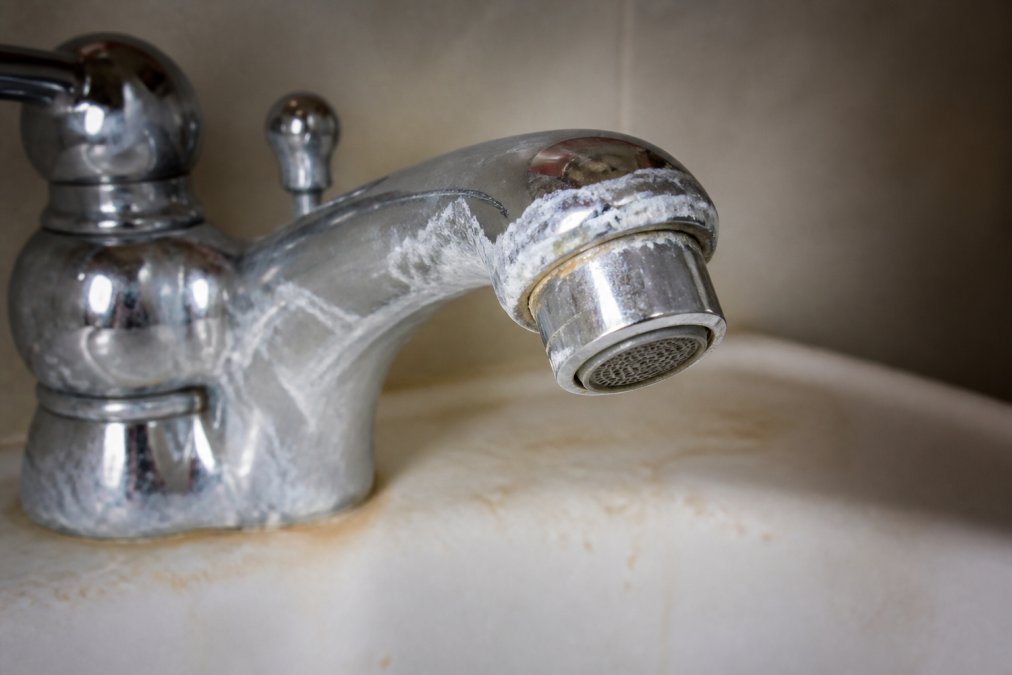
White Scale Buildup on Faucets and Fixtures
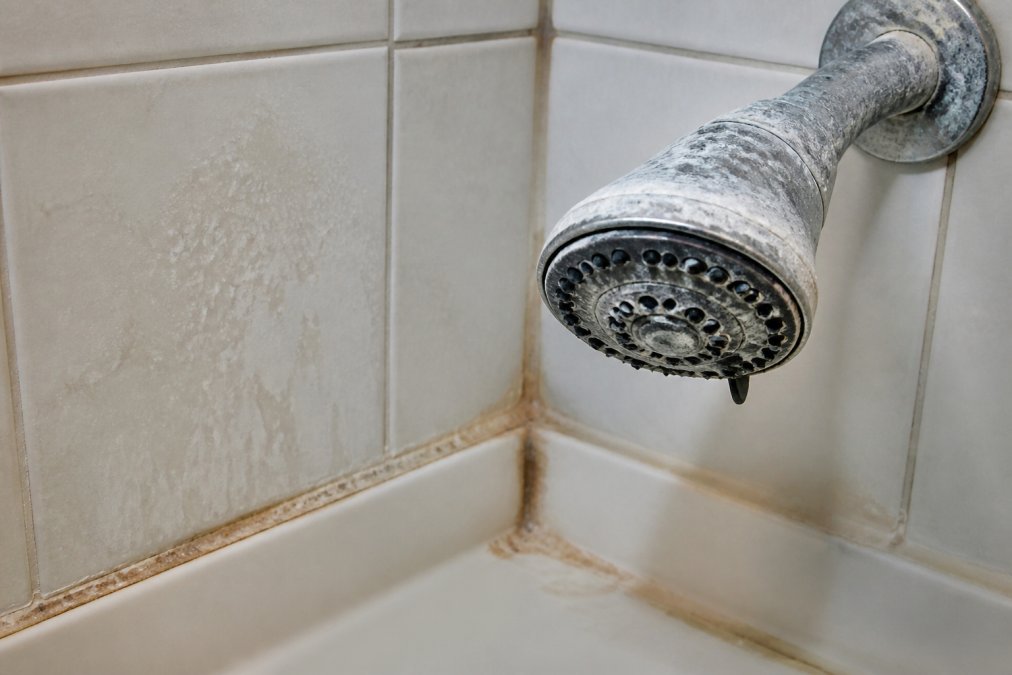
Limescale accumulation is the most recognizable sign of hard water. The white, chalky deposits form when water evaporates and leaves behind calcium and magnesium residue. You'll notice this buildup first on aerators, showerheads, and around faucet openings where water splashes and dries.
This scale buildup doesn't just look bad. It restricts water flow through aerators and can clog showerheads entirely. The deposits harden over time and become increasingly difficult to remove. What starts as a light coating can develop into thick, crusty layers that require aggressive scrubbing or replacement of the fixture component.
Spotty or Cloudy Dishes and Glassware
Hard water leaves spots and a cloudy film on dishes and glassware after washing. This cloudiness comes from mineral residue left behind after the water dries. The spots appear even when you use dishwasher detergent because hard water minerals interfere with how soap works.
The problem intensifies with repeated washing cycles. Over time, the mineral film builds up on glassware, making it appear permanently cloudy. Hand-washed dishes may show streaking or spotting that doesn't disappear even with thorough drying.
Soap Scum in Showers and Bathtubs
Hard water prevents soap from lathering properly. Instead of dissolving, soap combines with calcium and magnesium to form an insoluble residue called soap scum. This gray, slimy buildup clings to shower walls, bathtub surfaces, and your skin.
The scum accumulates quickly in bathrooms with hard water. You'll notice it as a ring around the bathtub, a film on shower doors, and a sticky coating on shower walls. Soap scum is difficult to clean and requires specialized products or vigorous scrubbing. Beyond the cleaning challenge, soap scum creates an environment where mold and mildew thrive.
Reduced Water Pressure and Flow
Mineral deposits inside pipes gradually restrict water flow. This happens slowly enough that homeowners often don't notice the change until it becomes significant. You might first detect reduced pressure in showerheads or notice that water takes longer to fill a bathtub.
The problem worsens over time as scale accumulates. Aerators clog and require cleaning or replacement. In severe cases, mineral buildup inside pipes can restrict flow throughout your home. This reduced pressure affects water delivery to every fixture and appliance.
Hard Water Effects on Skin and Hair
Hard water doesn't just damage your home's systems. It affects your body directly. The minerals interfere with how soap and shampoo work on your skin and hair, leaving residue that traps dirt and moisture.
Many people with hard water experience dry, itchy skin that persists even with regular moisturizing. The mineral film prevents proper lathering and leaves a coating that disrupts your skin's natural barrier. This can trigger or worsen conditions like eczema and dermatitis.
Hair exposed to hard water becomes dull, brittle, and prone to breakage. The mineral deposits coat hair shafts, preventing moisture from penetrating. Over time, your hair loses its natural shine and becomes increasingly difficult to manage. The buildup also makes hair tangles more easily and resists styling.
How Hard Water Damages Plumbing and Appliances
The real cost of hard water emerges inside your home's infrastructure. Mineral deposits accumulate in places you can't see, gradually degrading pipes, water heaters, and appliances.
Scale Buildup in Water Heaters and Pipes
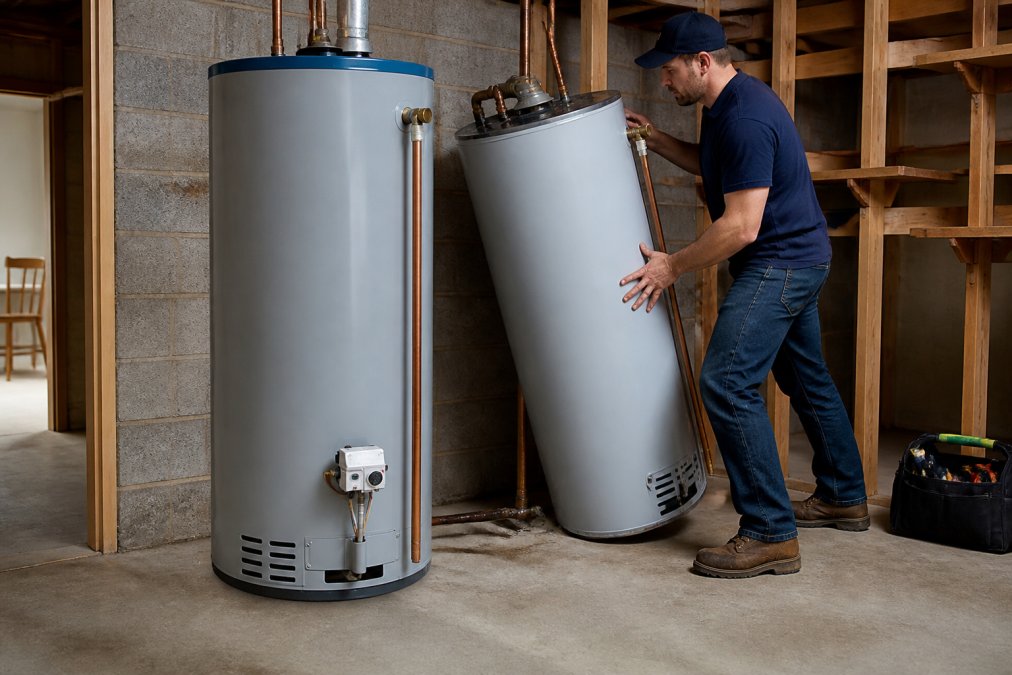
Your water heater is particularly vulnerable to hard water damage. As water heats, minerals precipitate and settle at the bottom of the tank. Over time, this sediment layer thickens, reducing the tank's efficiency and capacity.
Scale also forms on the heating element itself, creating an insulating barrier that forces the heater to work harder to maintain temperature. This accelerates wear and increases energy consumption. The sediment and scale eventually lead to corrosion and tank failure.
Inside your pipes, mineral deposits gradually narrow the passages where water flows. This buildup happens silently over years. In severe cases, scale can block pipes entirely, cutting off water supply to fixtures. Older homes with hard water often face pipe replacement costs that far exceed the cost of installing a water softening system.
Long-Term Financial Impact on Your Home Systems
Hard water creates cumulative financial damage across multiple systems. A water heater typically lasts 10-15 years, but hard water can reduce that lifespan to 5-8 years. Replacing a water heater represents a significant expense that most homeowners don't anticipate.
Appliances that use water, dishwashers, washing machines, ice makers, all suffer from hard water damage. Mineral deposits reduce their efficiency, increase repair frequency, and shorten their operational life. A washing machine that should last 10 years might fail in 6-7 years with hard water.
The cumulative effect across all systems adds up quickly.
How to Test for Hard Water at Home
Determining whether you have hard water requires testing, but the method you choose affects both accuracy and cost. Several approaches exist, each with distinct strengths and limitations.
Visual and Basic Tests
A simple preliminary test involves observing how soap lathers. Fill a clear bottle halfway with tap water, add a few drops of dish soap, and shake vigorously for 10 seconds. Hard water produces few bubbles and leaves a cloudy, milky solution. Soft water creates abundant fluffy bubbles and remains clear. This test is free and requires no equipment, making it a useful first indicator.
Home Test Strips and Kits
Water hardness test strips and liquid reagent kits are available at hardware stores and online for $10-$25. These kits measure mineral concentration in grains per gallon (GPG) or parts per million (PPM). To use a test strip, you dip it into tap water for the specified duration (typically 1-3 seconds), then compare the color change to a reference chart.
Professional Laboratory Testing
Certified water testing laboratories provide the most comprehensive and accurate analysis. A professional test typically costs $25-$75 and involves collecting a water sample in a sterile bottle and mailing it to the lab or dropping it off at a local testing facility. Results arrive within 3-7 business days and include detailed measurements of hardness, pH, alkalinity, iron, manganese, chlorine, and bacterial content.
Choosing the Right Testing Method
For a quick preliminary assessment, the soap-lather test or an inexpensive test strip provides useful information at minimal cost. If you notice multiple hard water symptoms (spotty dishes, scale buildup, reduced pressure) and are considering a water softening system, professional laboratory testing justifies the expense by confirming hardness levels and ruling out other water quality problems. Many professional plumbers and water treatment companies offer testing as part of a water quality assessment, combining the convenience of professional expertise with accurate results.
Benefits of Water Softening Systems
Installing a water softening system addresses hard water problems at their source. Ion exchange systems work by replacing calcium and magnesium ions with sodium ions, effectively removing the minerals that cause damage.
What to Do if You Suspect Hard Water Damage
If you're noticing signs of hard water damage, take action before the problem worsens. Start by testing your water to confirm hardness levels. This gives you a baseline measurement and helps determine what solution makes sense for your situation.
Frequently Asked Questions
How do you tell if a house has hard water issues?
Look for white chalky deposits (limescale) on faucets, showerheads, and fixtures. Check if dishes come out spotty or cloudy, if soap doesn't lather well, or if you notice soap scum buildup in tubs and showers. You may also see reduced water pressure, experience dry skin or dull hair, or notice your water heater running less efficiently. A professional water test kit or lab analysis confirms mineral content in grains per gallon.
What are the long-term effects of hard water on plumbing systems?
Hard water deposits scale inside pipes, water heaters, and appliances, reducing water flow and efficiency over time. Mineral buildup narrows pipe diameters, forcing your water heater to work harder and consume more energy. In severe cases, scale can block pipes entirely or cause corrosion where sediment accumulates. This shortens appliance lifespan, increases repair costs, and may require premature replacement of water heaters and fixtures.
Can hair damage from hard water be reversed?
Existing damage to hair cannot be fully reversed, but stopping exposure to hard water prevents further breakage and dullness. Once you install a water softening system, new hair growth will be healthier and shinier. Using a clarifying shampoo after switching to soft water can help remove mineral residue from existing hair. The sooner you address hard water, the better your hair's condition will be going forward.
How much does a water softening system cost and will it save money?
Pricing for water softening systems depends on your home's water hardness level, system size, and installation complexity. While there is an upfront cost, you'll save money on appliance repairs, replacement, energy bills, and cleaning products. Soft water reduces soap and detergent use, extends water heater and appliance life, and lowers energy consumption. Contact England's Plumbing & Heating for a custom quote and savings analysis specific to your home.