 ultimate-guide
Hard Water Effects on Skin: What You Need to Know
Table of Contents
- What Hard Water Actually Does to Your Skin
- Common Signs of Hard Water Damage on Skin and Hair
- Hard Water, Acne, Eczema, and Psoriasis: What the Research Shows
- Signs of Hard Water in Your House Beyond Your Skin
- How to Test Water Hardness at Home
- Water Softener Benefits for Skin: Budget Options to Whole-House Systems
- Skincare Routine Adjustments That Counteract Hard Water Effects on Skin
- Frequently Asked Questions
Last Updated: August 22, 2026
What Hard Water Actually Does to Your Skin
Hard water effects on skin are more damaging than most people realize, starting at the chemistry level. At England's Plumbing & Heating, we've worked with homeowners across Chester County for decades, and water quality complaints consistently connect back to the same culprit: dissolved minerals that your pipes carry straight to your shower.
Hard water contains elevated concentrations of dissolved calcium and magnesium minerals, typically measured in grains per gallon or milligrams per liter. These minerals are picked up naturally as groundwater moves through limestone and chalk deposits. The higher the mineral content, the harder your skin has to work to stay healthy.
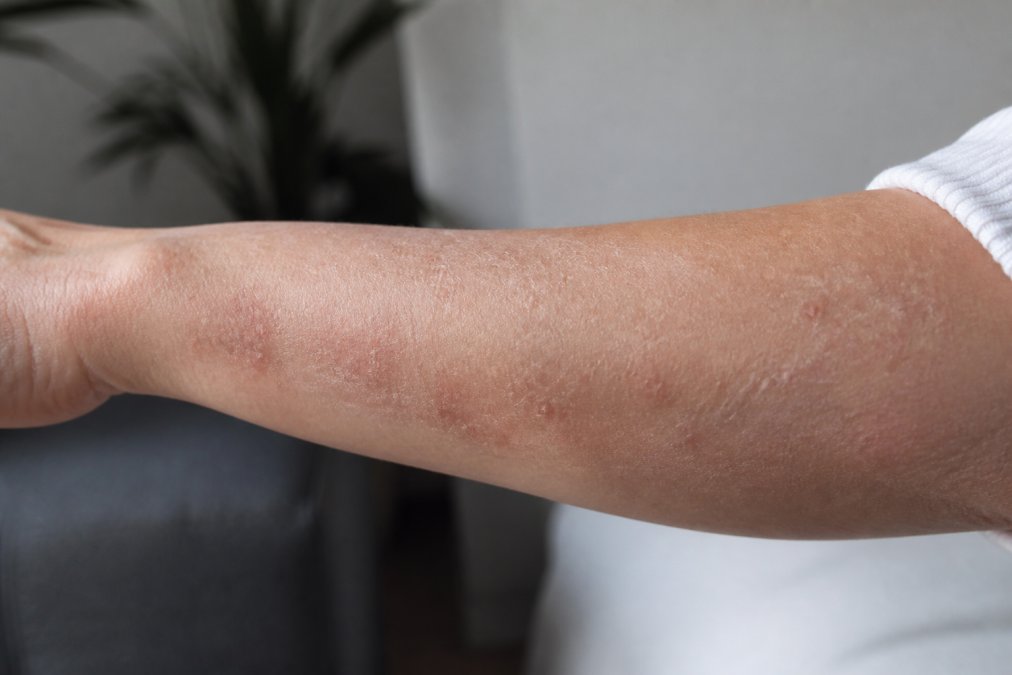
Hard water disrupts your skin's natural defense systems in ways that compound over time, making routine skincare progressively less effective.
How Calcium and Magnesium Disrupt the Skin Barrier
The skin barrier is the outermost layer responsible for keeping moisture in and irritants out. Calcium and magnesium ions in hard water react with the fatty acids in your skin's natural oils and soap-based cleansers, forming insoluble compounds called soap scum. That same residue you see on your shower tiles sits on your skin after every wash.
This residue clogs pores, disrupts the skin's natural pH balance, and degrades the lipid barrier that holds moisture in place. The result is skin that feels tight and rough immediately after washing, not because it's clean, but because its protective layer has been stripped and replaced with mineral deposits.
Transepidermal Water Loss and Why Your Moisturizer Stops Working
Transepidermal water loss is the process by which water evaporates through the skin's outer layers. A healthy lipid barrier keeps this loss minimal. Hard water accelerates it by weakening that barrier, so your skin loses moisture faster than normal, even after applying moisturizer.
This is why many people in hard water areas report that their moisturizer "stops working" over time. The product hasn't changed. The skin's ability to retain what the moisturizer delivers has been compromised. Mineral buildup also creates a physical barrier that prevents active ingredients in serums and creams from penetrating properly.
Common Signs of Hard Water Damage on Skin and Hair
Most people blame their skincare products or seasonal weather before considering their water. Hard water effects on skin are often misattributed for months before the real source gets identified.
Skin Symptoms: Dryness, Itchiness, and Dullness
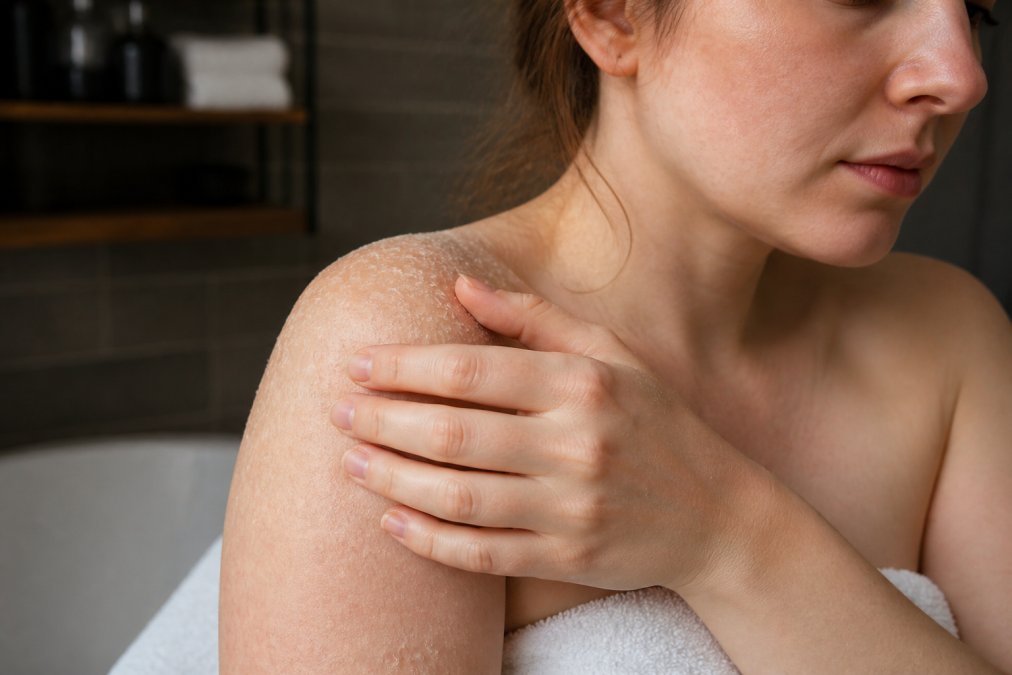
The most common skin symptoms of hard water exposure are persistent dryness, itchiness, and a dull complexion. These symptoms tend to appear or worsen after showering and don't fully resolve with moisturizer. Skin sensitivity often increases over time, meaning products that were once tolerated start causing irritation.
Watch for: skin that feels tight immediately after washing, persistent itchiness that worsens in winter, dullness that doesn't respond to exfoliation, and increased sensitivity to products you've used for years.
Hair and Scalp Health: Breakage, Buildup, and Irritation
Hard water affects hair through the same mineral buildup mechanism. Calcium and magnesium deposits coat the hair shaft, making it rough, dull, and prone to breakage. Hair in hard water areas often feels dry and stiff even immediately after conditioning.
Scalp health suffers too. Mineral residue disrupts moisture retention and can trigger or worsen scalp irritation, flaking, and itchiness. People who switch from hard to soft water frequently report dramatic improvements in hair texture within weeks.
| Symptom | Likely Hard Water Connection |
|---|---|
| Skin tight after washing | Soap scum residue disrupting lipid barrier |
| Persistent dryness despite moisturizing | Accelerated transepidermal water loss |
| Dull, rough hair texture | Calcium/magnesium coating the hair shaft |
| Scalp flaking and itchiness | Mineral buildup disrupting scalp pH |
| Increased product sensitivity | Compromised skin barrier, reduced tolerance |
Hard Water, Acne, Eczema, and Psoriasis: What the Research Shows
Hard water effects on skin extend well beyond cosmetic dryness. For people with underlying skin conditions, mineral-laden water can be a consistent trigger that makes management significantly harder.
The connection between hard water and acne is straightforward: mineral deposits and soap scum residue clog pores, trapping sebum and dead skin cells. People with acne-prone skin in hard water areas often find breakouts more frequent and harder to control.
According to research published by the National Eczema Association, hard water exposure is associated with increased eczema severity, particularly in children. The disruption of the skin barrier by calcium and magnesium ions reduces the skin's ability to defend against environmental irritants, which is the mechanism underlying eczema flare-ups.
Psoriasis presents a similar pattern. The skin barrier dysfunction caused by hard water can worsen psoriasis symptoms and increase flare-up frequency. While hard water doesn't cause these conditions, it functions as a consistent aggravating factor that undermines treatment plans.
Signs of Hard Water in Your House Beyond Your Skin
Your skin isn't the only place hard water leaves evidence. Visible signs throughout your plumbing and fixtures confirm the problem before you invest in a solution.
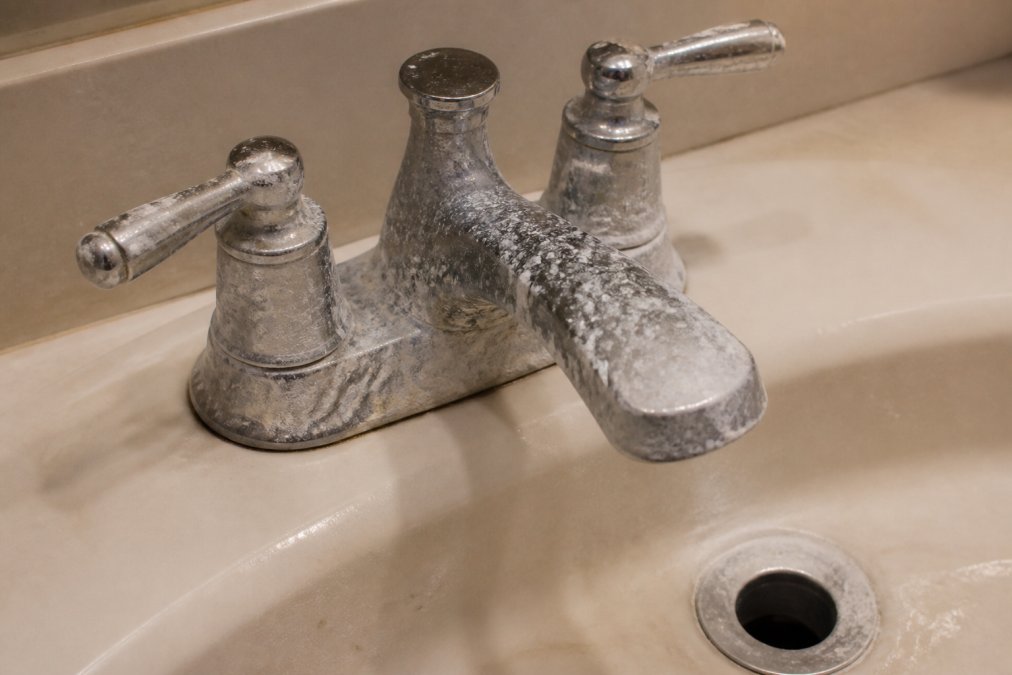
Common household signs include:
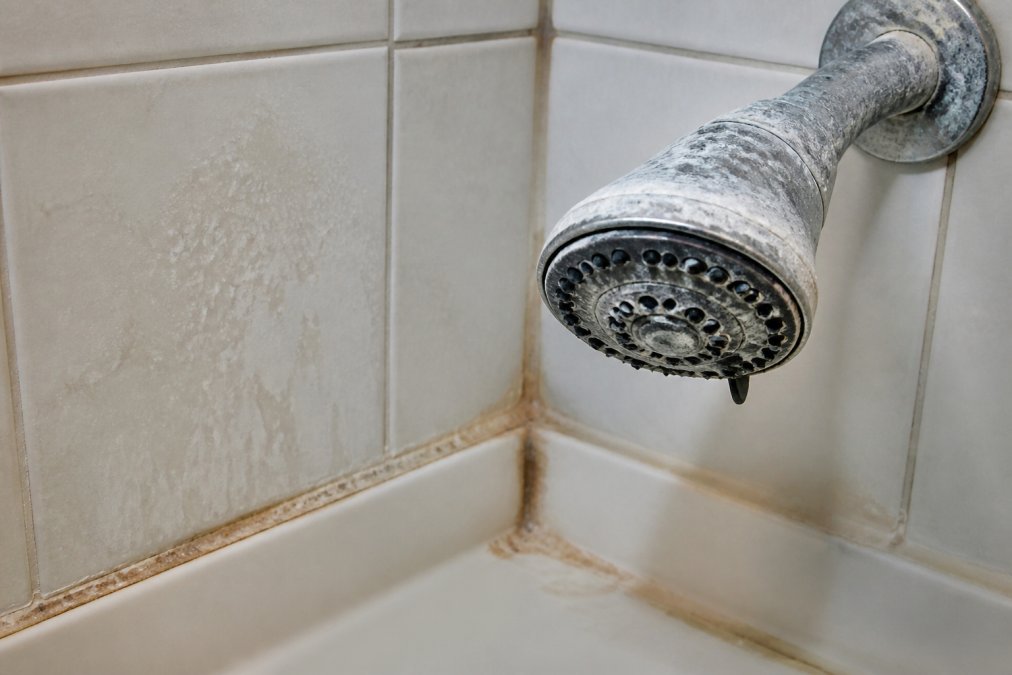
- White or yellowish scale deposits on faucets, showerheads, and around sink drains
- Soap scum that builds up quickly on shower doors and tiles despite regular cleaning
- Spots on glassware and dishes after washing, caused by mineral residue
- Reduced water pressure over time as scale accumulates inside pipes
- Shortened appliance lifespan for water heaters, dishwashers, and washing machines
- Stiff, scratchy laundry even after washing
If you're seeing two or more of these signs alongside skin and hair symptoms, the evidence points clearly toward hard water.
How to Test Water Hardness at Home
Testing water hardness at home is straightforward and doesn't require professional equipment.
DIY test strip kits are the most accessible option. Available at hardware stores and online, you dip a strip in a water sample, wait a few seconds, and compare the color change to a reference chart. They measure hardness in grains per gallon or parts per million.
The soap test is a free method: fill a clear bottle one-third with water, add a few drops of pure liquid soap, and shake. Soft water produces a rich, lasting lather. Hard water produces minimal lather and leaves a cloudy residue.
Mail-in water testing labs provide detailed results including hardness, pH, iron content, and bacterial presence, useful if you're on a private well. According to the U.S. Geological Survey's water hardness resources, water hardness above 120 mg/L is classified as hard, and above 180 mg/L as very hard.
Your local water utility report is another free resource. Public water suppliers are required under the Safe Drinking Water Act to publish annual water quality reports, which include hardness data for your service area.
Water Softener Benefits for Skin: Budget Options to Whole-House Systems
Once you've confirmed hard water as the problem, the question becomes how aggressively to address it. Water softener benefits for skin are real and measurable, softer water means less mineral disruption to your skin barrier and better performance from your cleansers and moisturizers.
Shower Filters: The Low-Cost Starting Point
A shower filter is the most accessible entry point for managing hard water effects on skin. These devices attach directly to your existing showerhead and use KDF media or other filtration materials to reduce mineral content before it reaches your skin.
Shower filters don't soften water technically, but they do reduce the concentration of calcium, magnesium, and chlorine. Many users report noticeable improvements in skin moisture retention and hair texture within weeks. The limitations: cartridge replacement every few months, no effect elsewhere in your home, and variable effectiveness depending on water hardness level.
Whole-House Water Softeners: Ion Exchange Explained
A whole-house water softener addresses hard water at the point of entry, treating every tap in your home. The standard technology is ion exchange: the system passes hard water through a resin bed containing sodium ions, which swap places with calcium and magnesium ions. The result is softened water throughout your entire plumbing system.
Water softener benefits for skin from a whole-house system are comprehensive. Every shower and every time you wash your face uses softened water. Skin sensitivity typically improves within weeks, and the compounding damage to your skin barrier stops accumulating.
According to the Water Quality Association's consumer guidance, whole-house softeners are the most effective long-term solution for hard water above 7 grains per gallon. Installation requires a professional plumber, particularly for homes with complex plumbing or private well systems.
England's Plumbing & Heating has handled water conditioning installations across Chester County since 1989, including homes on private well systems where water hardness levels are often higher than municipal supply areas.
Skincare Routine Adjustments That Counteract Hard Water Effects on Skin
Even without a water treatment system, targeted changes to your skincare routine can meaningfully reduce hard water effects on skin.
Switch to hydrating, low-surfactant cleansers. Traditional soap-based cleansers react strongly with hard water minerals to form soap scum. Cleansing oils, micellar water, and pH-balanced cream cleansers contain fewer or no traditional surfactants, reducing residue significantly.
Add a chelating agent to your routine. Chelating agents bind to mineral ions and prevent them from depositing on your skin. EDTA is a common chelating agent found in some cleansers and toners.
Apply moisturizer to damp skin immediately after showering. This traps residual moisture before transepidermal water loss accelerates. The timing matters more than most people realize.
Use a final rinse with filtered or bottled water on your face. For people with significant skin sensitivity or eczema-prone skin, rinsing the face with soft water after a hard water shower removes mineral residue that would otherwise sit on the skin for hours.
Prioritize barrier-repair ingredients. Look for products containing ceramides, niacinamide, and fatty acids, ingredients that directly support lipid barrier function and help the skin rebuild its natural defenses.
According to the American Academy of Dermatology's guidance on eczema triggers, addressing environmental triggers, including water quality, is a foundational step in managing chronic skin conditions. Hard water effects on skin are a recognized environmental factor your routine should account for directly.
No amount of premium skincare fully compensates for water that's actively working against your skin barrier every time you shower. England's Plumbing & Heating specializes in water conditioning solutions for homeowners across Chester County, including whole-house softener installation and private well system assessments. If hard water effects on skin are a persistent problem in your home, book online to schedule a professional water quality evaluation and find out exactly what your water contains.
Frequently Asked Questions
Can hard water cause dry, itchy skin?
Yes. The calcium and magnesium minerals in hard water leave a residue on skin after washing, which disrupts the lipid barrier and increases transepidermal water loss. That breakdown makes it harder for skin to retain moisture, leading to persistent dryness and itching. Switching to a pH-balanced, hydrating cleanser and rinsing with filtered water can reduce these symptoms noticeably, even before you install a whole-house water softener.
Does hard water cause acne or breakouts?
Hard water can contribute to clogged pores. Mineral deposits mix with surfactants in cleansers to form soap scum that sits on skin rather than rinsing away cleanly. That residue can block pores and trigger breakouts, particularly in people with already oily or acne-prone skin. Using a chelating cleanser or adding a shower filter to reduce mineral buildup are practical first steps before considering a full water softener installation.
How do I know if my home has hard water?
The most common signs of hard water in a house include white or yellowish mineral deposits around faucets, soap scum that is difficult to scrub off shower doors, and laundry that feels stiff after washing. Your skin and hair can also signal the problem: persistent dryness, dull hair, or scalp irritation after showering. A simple at-home test kit, available at hardware stores, will confirm water hardness levels in minutes and costs only a few dollars.
Does hard water affect eczema or psoriasis?
Research suggests a meaningful link between hard water and eczema flare-ups, particularly in children. Hard water weakens the skin barrier, making skin more reactive to irritants and allergens. For people managing psoriasis, the mineral residue and pH imbalance can intensify dryness and itching. Dermatologists often recommend water softener benefits for skin conditions like these, alongside prescription treatments, because reducing mineral exposure can lower the frequency and severity of flare-ups.