 ultimate-guide
Cost of Water Heater Replacement: 2026 Guide
Table of Contents
- What Drives the Cost of Water Heater Replacement
- Tankless vs. Tank Water Heater Cost Compared
- Water Heater Installation Labor Rates Explained
- Hidden Infrastructure Costs Most Homeowners Miss
- Total Cost of Ownership Over 10 Years
- Signs You Need a New Water Heater
- DIY vs. Professional Water Heater Replacement
- Conclusion
- Frequently Asked Questions
Last Updated: August 20, 2026
What Drives the Cost of Water Heater Replacement
Water heater replacement is one of the most significant home improvement expenses a homeowner faces, and the final cost varies dramatically based on factors most people never consider. At England's Plumbing & Heating, we've guided homeowners through this decision since 1989, and the pattern is consistent: the unit price is rarely the biggest surprise. What catches people off guard is everything around it.
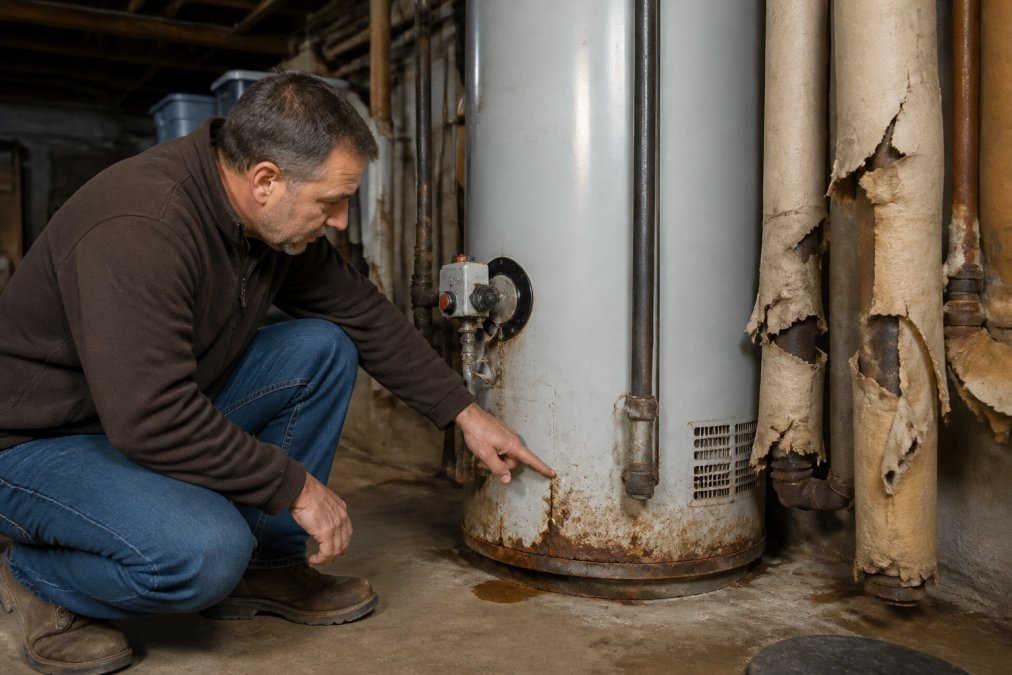
You're paying for three distinct things: the unit itself, the labor to install it, and the infrastructure changes your home may require. Each can shift the total significantly.
Unit Type and Capacity
The type of water heater you choose sets the baseline cost. Storage tank systems are the traditional choice with lower upfront investment. Tankless water heaters cost more to purchase and install but often last longer. Hybrid heat pump models have higher unit costs offset by strong energy efficiency ratings.
Capacity matters too. A unit sized incorrectly leads to premature wear and costly replacement. Plumbers size units by first-hour rating (gallons delivered in the first hour) and, for tankless systems, gallons per minute output.
Gas vs. Electric Models
Gas models typically heat water faster with lower monthly energy costs where natural gas is competitively priced. Electric models have simpler installation with no venting requirements, reducing labor costs.
However, retrofitting a gas line adds meaningful cost if your home lacks one. Switching from gas to electric may require an electrical panel upgrade. The operating cost gap narrows with newer electric heat pump models.
Permit and Code Compliance Fees
Most jurisdictions require a plumbing permit for water heater replacement. Skipping this step can affect homeowner insurance coverage and create complications when selling. Code compliance can add cost: older homes may need a thermal expansion tank, updated pressure relief valve configurations, or revised venting to meet current standards.
U.S. Department of Energy guidance on water heater selection and installation requirements
Tankless vs. Tank Water Heater Cost Compared
Tankless systems cost considerably more upfront for both the unit and installation. They require dedicated venting, potentially upgraded gas lines, and more labor-intensive work. Tank systems are simpler to swap when plumbing infrastructure is already in place.
Tankless systems recoup ground through longevity and efficiency. A conventional storage tank typically lasts 8 to 12 years. Tankless water heaters, when properly maintained with periodic descaling, commonly reach 20 years.
| Feature | Storage Tank System | Tankless Water Heater |
|---|---|---|
| Typical unit lifespan | 8-12 years | 15-20 years |
| Hot water delivery | Limited by tank size | Continuous (on demand) |
| Installation complexity | Lower | Higher |
| Venting requirements | Standard | May require dedicated venting |
| Energy efficiency rating | Moderate | High |
| Upfront investment | Lower | Higher |
| Long-term maintenance | Anode rod replacement | Annual descaling |
| Best for | Homes with consistent demand | Homes with variable or high demand |
For emergency replacements on a tight budget, a tank system gets you running faster and for less upfront. For planned replacements where you expect to stay a decade or more, tankless often justifies the higher initial investment.
Water Heater Installation Labor Rates Explained
Labor is frequently the most variable part of water heater replacement cost and the piece homeowners most underestimate when budgeting based on unit price alone.
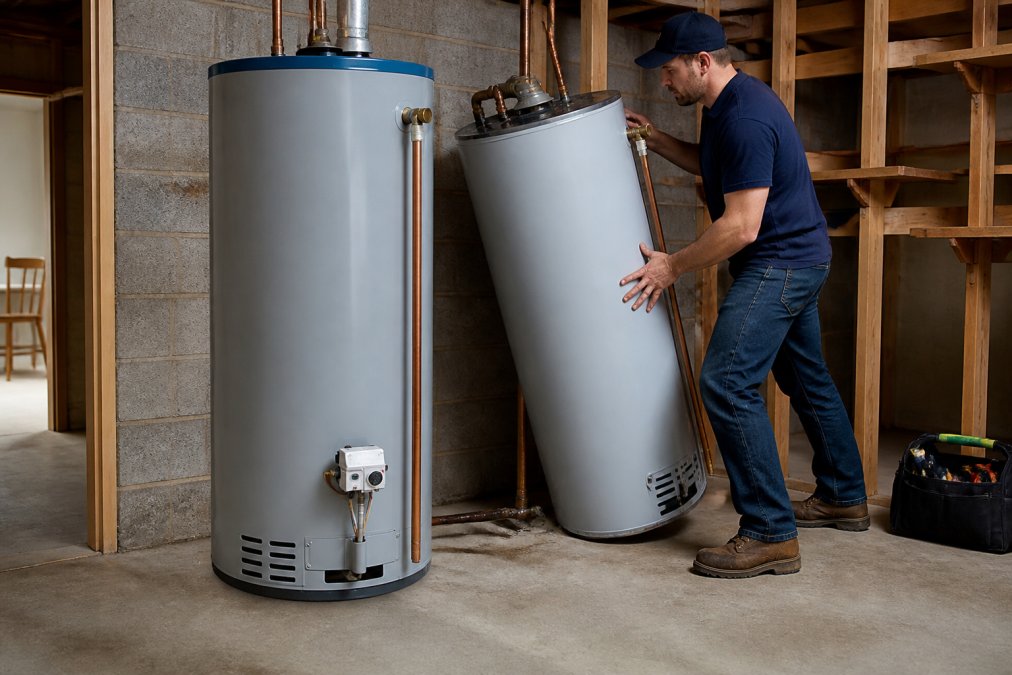
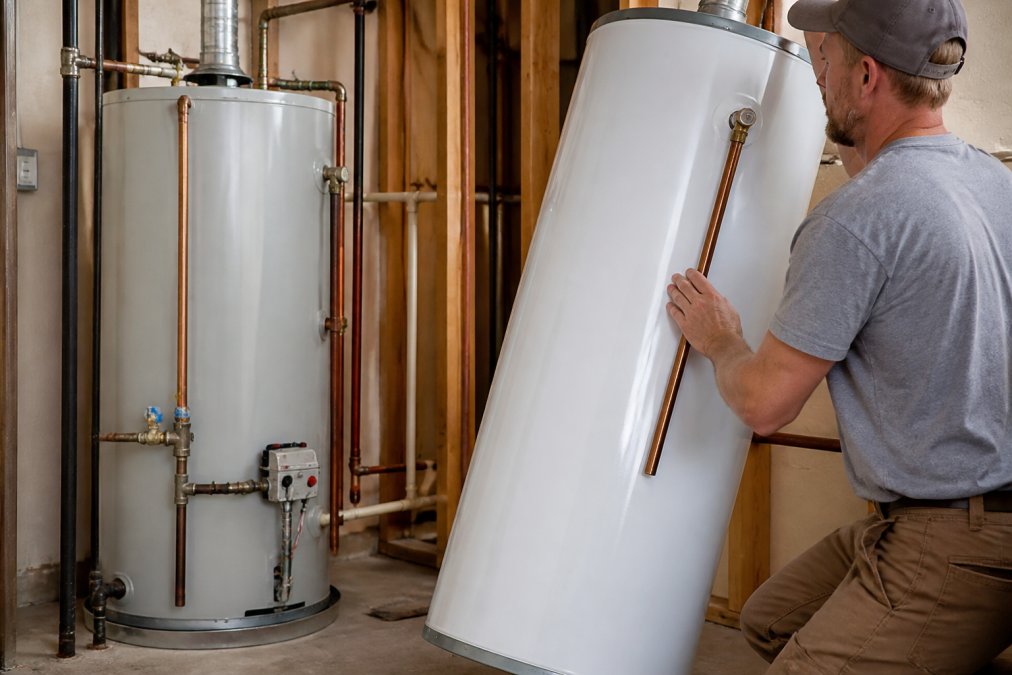
A straightforward tank-for-tank replacement in an accessible location with no infrastructure changes is simplest. Labor involves draining and disconnecting the old unit, positioning the new one, making connections, testing, and disposing of the old unit. Ask explicitly whether disposal is included.
Tankless installation takes longer due to wall mounting, new venting, gas line adjustments, and unit configuration. If electrical work is needed alongside plumbing, you may need two tradespeople, compounding labor cost.
Emergency vs. Scheduled Replacement Pricing
Emergency water heater replacement costs more than scheduled replacement. Emergency service involves after-hours dispatch, prioritized scheduling, and premium parts availability. The premium can be substantial.
If your water heater shows warning signs, scheduling replacement before failure almost always costs less than waiting for an emergency. According to the Water Quality Association's guidance on water heater maintenance, proactive maintenance and timely replacement planning significantly reduce total costs compared to emergency scenarios.
Hidden Infrastructure Costs Most Homeowners Miss
Infrastructure costs often emerge mid-job and are the reason a "simple replacement" sometimes runs well over initial estimates.
The most common hidden costs include:
- Thermal expansion tank: Required by code in many jurisdictions when a check valve or pressure-reducing valve is present.
- Gas connector replacement: Flexible gas connectors have a recommended service life and should be replaced if corroded.
- Venting upgrades: Older venting systems may not meet current code for new units, particularly higher-efficiency models.
- Plumbing infrastructure repairs: Corrosion around the old unit may require supply line fittings or shutoff valve replacement.
- Electrical upgrades: Heat pump water heaters or high-capacity electric units may require a dedicated circuit or panel work.
- Seismic strapping: Required by code in certain regions.
These are legitimate requirements that protect your home and investment. A contractor who quotes without flagging potential infrastructure issues isn't saving money; they're deferring a conversation to mid-installation.
Total Cost of Ownership Over 10 Years
Most homeowners evaluate water heater replacement on upfront cost. The more useful question is: what does this decision cost over 10 years?
Total cost of ownership includes purchase price, installation labor, annual maintenance, energy costs, and probability of mid-cycle replacement. When calculated this way, the gap between a lower-cost tank system and a higher-cost tankless unit often narrows or reverses.
A storage tank system with a 10-year lifespan may need replacement once during 20 years of homeownership. A tankless system with a 20-year lifespan may not. Energy efficiency differences compound annually. A unit with a strong energy efficiency rating costs less to operate every month.
Tank systems require periodic anode rod inspection and replacement. Tankless systems need annual descaling in hard water areas. Neither is expensive, but skipping maintenance shortens lifespan and increases emergency replacement probability.
Rebates, Tax Credits, and Incentive Programs
The federal Inflation Reduction Act established tax credits for qualifying high-efficiency water heaters, including heat pump models. As documented in IRS guidance on the Energy Efficient Home Improvement Credit, homeowners may be eligible for a tax credit on qualifying heat pump water heater installations.
Many utility companies offer rebates for replacing older units with high-efficiency models. Your state energy office may also offer incentive programs. The combination of federal tax credits and utility rebates can offset a significant portion of premium unit costs.
Before defaulting to the lowest-cost unit, check what incentives apply. A higher-efficiency model qualifying for a $500 utility rebate and federal tax credit may cost less net than a standard replacement.
Signs You Need a New Water Heater
Knowing when to replace rather than repair is valuable. Repair costs money. Unnecessary replacement costs more. A failing unit that floods a basement costs most of all.
Clear indicators that replacement is the right call:
- Age: A conventional storage tank approaching or past 10-12 years is statistically near end of life. A tankless unit past 15-18 years warrants evaluation.
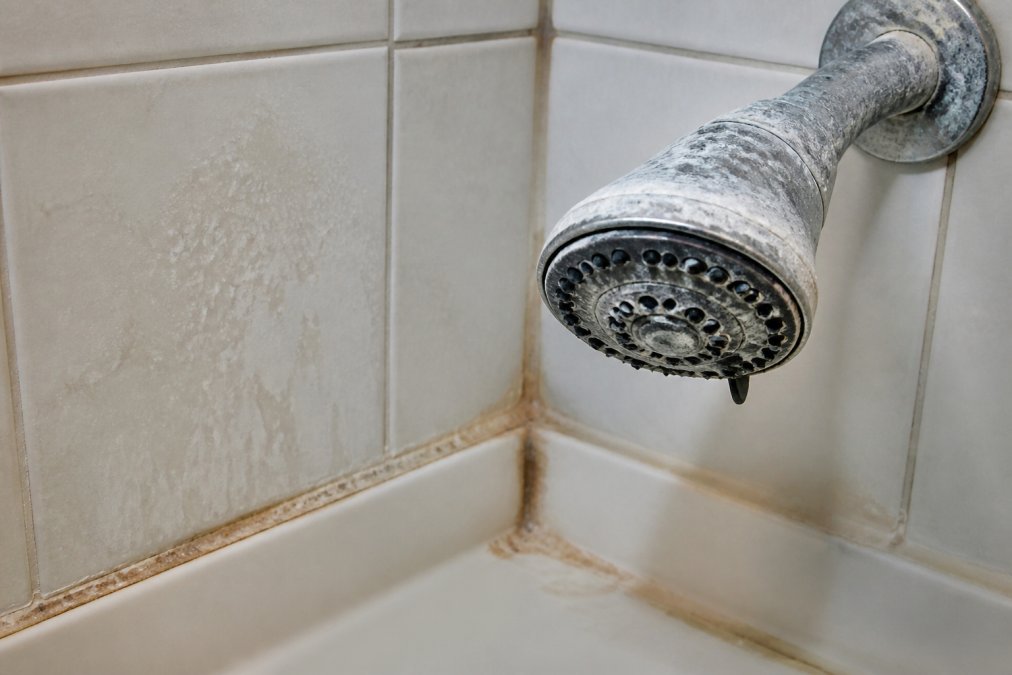
- Rust-colored water: Discoloration at the hot water tap suggests internal corrosion. Once the tank itself is corroding, repair is rarely cost-effective.
- Rumbling or popping sounds: Sediment buildup reduces efficiency and signals structural stress.
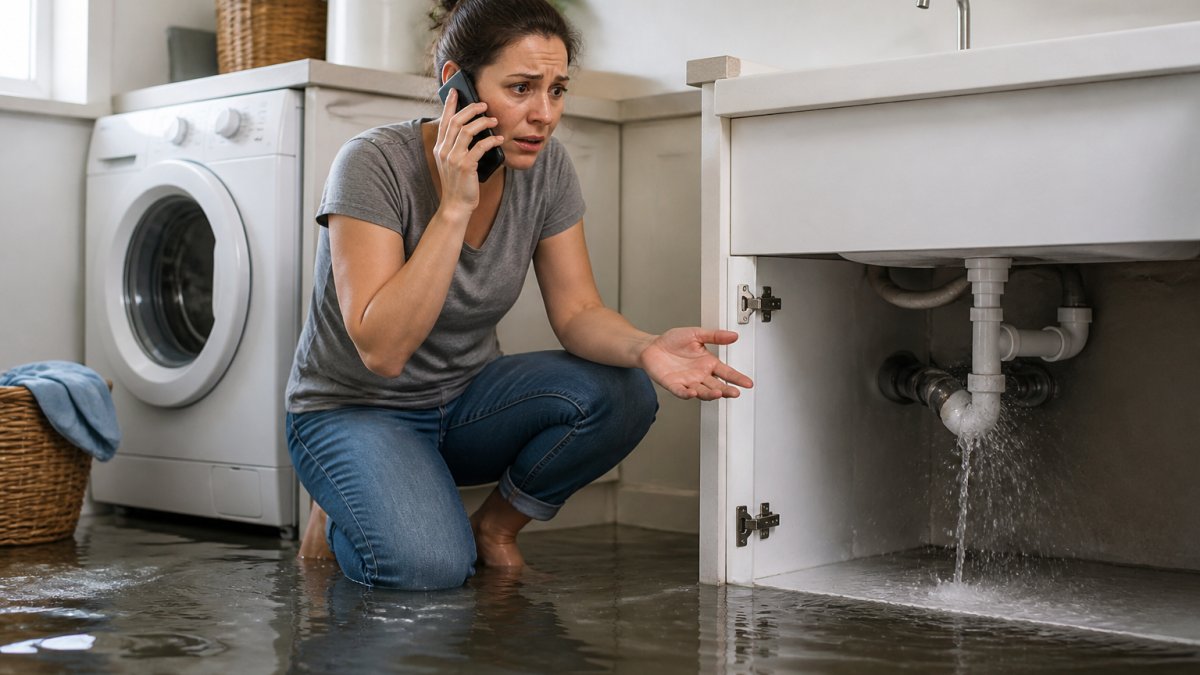
- Visible corrosion or leaks: Rust staining, moisture, or active leaks are serious warning signs.
- Inconsistent hot water: Struggling to maintain temperature or dropped first-hour rating suggests internal component failure.
- Pilot light problems: Recurring issues on gas models suggest control valve or thermocouple problems. Repeated service calls on aging units don't pencil out against replacement.
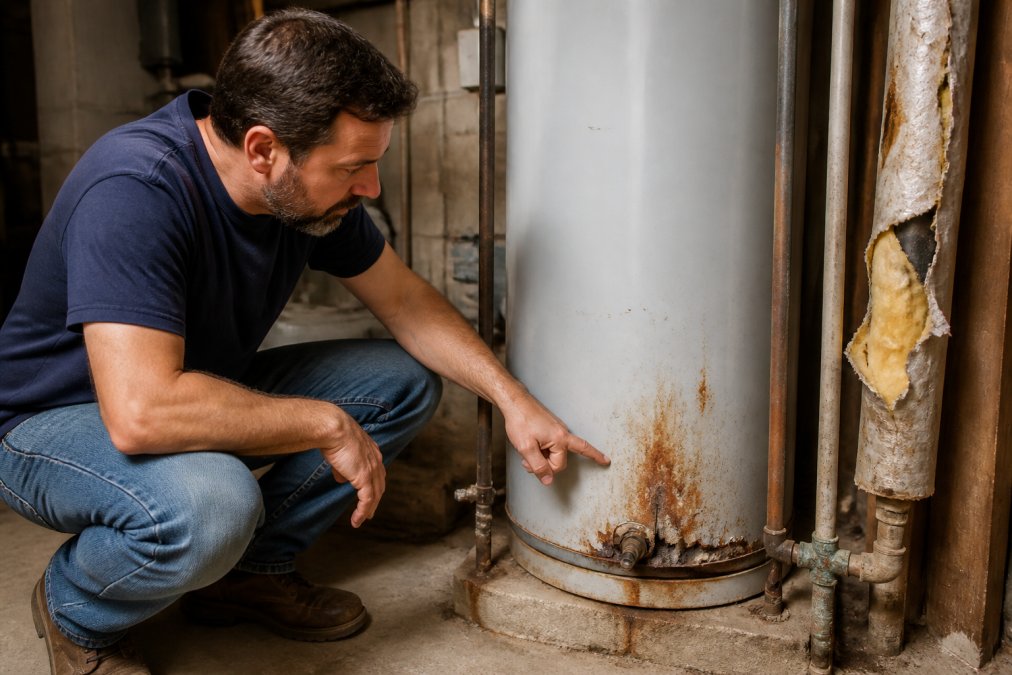
An 8-year-old unit is not automatically due for replacement. If performing well with no warning signs and proper maintenance, continuing to run it is reasonable. If showing multiple symptoms and repair costs are mounting, replacement is the more defensible financial decision.
DIY vs. Professional Water Heater Replacement
The case for DIY water heater replacement exists for electric tank systems in straightforward configurations. Connections are simpler, there's no combustion or venting, and a mechanically confident homeowner can complete the job.
The case against DIY is stronger. Gas line work is not a DIY project without specific training. An improperly connected gas connector or venting error creates carbon monoxide and fire risk. Permit requirements in most jurisdictions require licensed contractor installation. Without a permit, homeowner insurance may not cover water damage from failed installation, and work may need redoing at sale.
For tankless systems, installation complexity makes professional installation the clear choice. Venting configuration, gas line sizing, and code compliance are not areas for trial and error.
| Scenario | DIY Viable? | Key Risk |
|---|---|---|
| Electric tank, like-for-like swap | Possibly, with permit | Electrical safety, permit compliance |
| Gas tank replacement | Not recommended | Gas connector, venting, CO risk |
| Tankless installation | No | Venting, gas sizing, code compliance |
| Any job requiring infrastructure changes | No | Multiple trade requirements |
| Emergency replacement | No | Speed requires licensed availability |
Professional installation includes a workmanship warranty and ensures proper configuration of pressure relief valve, thermal expansion tank, and all connections.
England's Plumbing & Heating has handled water heater installations across Chester County since 1989, including complex retrofits, tankless conversions, and emergency replacements. The team is familiar with local permit requirements and code compliance standards.
Conclusion
Replacing a water heater involves more moving parts than most homeowners anticipate, from unit selection and labor costs to permit compliance, infrastructure upgrades, and long-term energy economics. The upfront price is just the starting point.
England's Plumbing & Heating provides professional water heater installation and replacement with three decades of residential plumbing experience in Chester County. Whether planning a scheduled upgrade or dealing with a failed unit, the team handles permits, code compliance, and proper installation. Book online to get started or connect via live chat to discuss your situation.
Frequently Asked Questions
How much does water heater replacement typically cost?
Water heater replacement costs vary significantly based on unit type, fuel source, capacity, and local labor rates. A standard storage tank system generally costs less upfront than a tankless model, but tankless units often deliver lower long-term energy costs. Additional variables include permit fees, disposal of the old unit, and any infrastructure upgrades your plumbing may need. Contact a licensed contractor for an accurate quote based on your home's specific setup.
What factors influence the total price of a water heater installation?
Several factors shape the final bill: the unit's fuel type (gas vs. electric), its first-hour rating and gallon capacity, whether you're retrofitting to a tankless system, venting requirements, the condition of existing plumbing infrastructure, local permit and inspection fees, and whether the job is scheduled in advance or handled as an emergency call. Old homes may also need a thermal expansion tank or updated gas connector to meet current code compliance standards.
How many years does a water heater typically last?
Most storage tank water heaters have a lifespan of 8 to 12 years. Tankless water heaters tend to last longer, often 15 to 20 years with proper maintenance. Factors like water quality, anode rod condition, sediment buildup, and how hard your water supply is all affect longevity. If your unit is approaching the 10-year mark and showing signs of trouble, replacement is usually more cost-effective than repeated repairs.
Does water heater replacement include disposal of the old unit?
This depends on the contractor. Some plumbers include old unit disposal in their installation quote; others charge a separate fee. Always confirm disposal is covered before work begins. Improper disposal of a storage tank system can violate local waste regulations, so it's worth verifying your contractor handles it correctly. Ask specifically whether the service call fee covers hauling the old water heater away.
Are there rebates or tax credits available for water heater replacement?
Yes. The federal Inflation Reduction Act includes tax credits for qualifying high-efficiency water heaters, including heat pump water heaters and certain tankless models. Credits can offset a meaningful portion of the upfront investment. Many utility companies also offer rebates for upgrading to energy-efficient units. Check the ENERGY STAR website and your local utility provider's rebate portal to confirm what your specific model qualifies for before purchasing.