 ultimate-guide
Water Heater Lifespan Expectancy: 2026 Guide
Table of Contents
- How Long Do Water Heaters Last?
- Factors Affecting Water Heater Life Expectancy
- Signs of Water Heater Failure
- When to Repair vs. Replace Your Water Heater
- Water Heater Maintenance Schedule
- Extending Your Water Heater's Service Life
- Frequently Asked Questions
Last Updated: September 1, 2026
How Long Do Water Heaters Last?
Most residential water heaters last between 8 to 12 years, though lifespan varies based on system type, maintenance, water chemistry, and household demand (energy.gov). Understanding these factors helps you plan replacement before unexpected failure leaves you without hot water.
Tank vs. Tankless Water Heater Longevity
Traditional storage tank water heaters typically last 8 to 12 years. The tank interior corrodes as the protective anode rod deteriorates, and once corrosion begins, rust particles contaminate your water and structural integrity declines rapidly.
Tankless water heaters last significantly longer, often 15 to 20 years or more, because there's no storage tank holding water continuously (energy.gov). However, they're mechanically complex, so repairs tend to be more expensive than tank repairs. Tank systems need regular flushing to remove sediment, while tankless units require descaling to prevent mineral deposits from clogging the heating element.
Gas vs. Electric Water Heaters
Gas water heaters typically last 8 to 12 years. The combustion process and moisture in the flue accelerate corrosion and thermal stress.
Electric water heaters often last 10 to 15 years because they don't face combustion-related corrosion. The heating element can sometimes be replaced before the tank fails, potentially extending the unit's life. Both types benefit from quality installation and proper maintenance.
Factors Affecting Water Heater Life Expectancy
Water chemistry, installation quality, usage patterns, and maintenance practices all determine whether your water heater reaches its expected lifespan or fails prematurely.
Water Hardness and Mineral Deposits
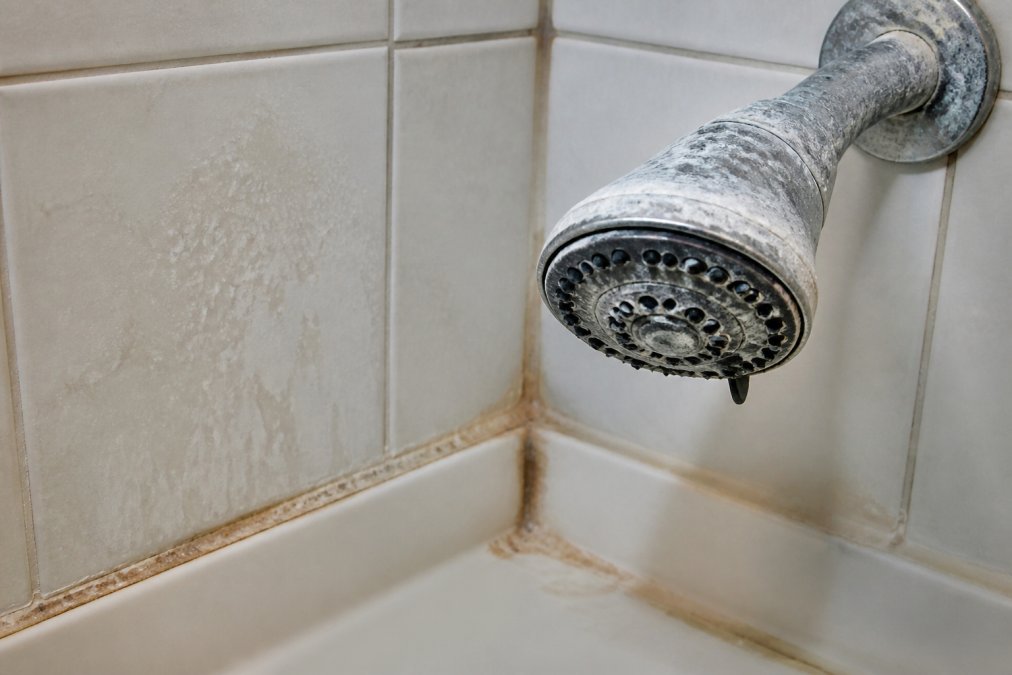
Hard water containing dissolved calcium and magnesium creates scale buildup inside the tank. This mineral accumulation insulates the heating element, forcing it to work harder and increasing energy consumption. In very hard water regions, scale can reduce tank efficiency by 10 to 15 percent within a few years and accelerates corrosion.
Scale also reduces effective tank volume. A 50-gallon tank might deliver only 40 gallons of hot water if sediment occupies 10 gallons of space, forcing the heating element to cycle more frequently and wear out faster.
Water softening systems extend water heater lifespan significantly in hard water areas. Regular flushing and draining sediment also helps, though annual or semi-annual tank flushing is labor-intensive. The most practical approach combines water conditioning with a maintenance schedule.
Installation Quality and System Capacity
Improper installation creates stress points leading to premature failure. Gas lines installed incorrectly cause combustion issues. Electrical connections done wrong cause heating element failure. Poor venting allows moisture to accumulate inside the tank.
System capacity matters equally. An undersized water heater runs constantly, cycling repeatedly and creating thermal stress. An oversized unit sits idle, allowing sediment to settle and corrosion to progress. Proper sizing keeps the system operating optimally.
The pressure relief valve must be installed correctly and function properly. If set too high or not opening when pressure builds, excessive pressure can cause structural failure. England's Plumbing & Heating ensures proper installation by verifying all connections meet code, the unit is sized correctly for your home's usage, and safety devices function properly.
Usage Volume and Demand
High household hot water usage puts more stress on the system. The heating element cycles more frequently, accumulating wear faster. Peak demand periods create thermal stress as the heating element reaches higher temperatures, accelerating corrosion.
Vacation homes or rental properties with unpredictable usage patterns often see premature failure. The tank sits full for weeks, allowing sediment to accumulate and corrosion to progress. Understanding your household's usage patterns helps you choose the right unit size and plan maintenance accordingly.
Signs of Water Heater Failure
Recognizing early warning signs lets you plan replacement before catastrophic failure. A failing water heater usually gives you weeks or months of notice.
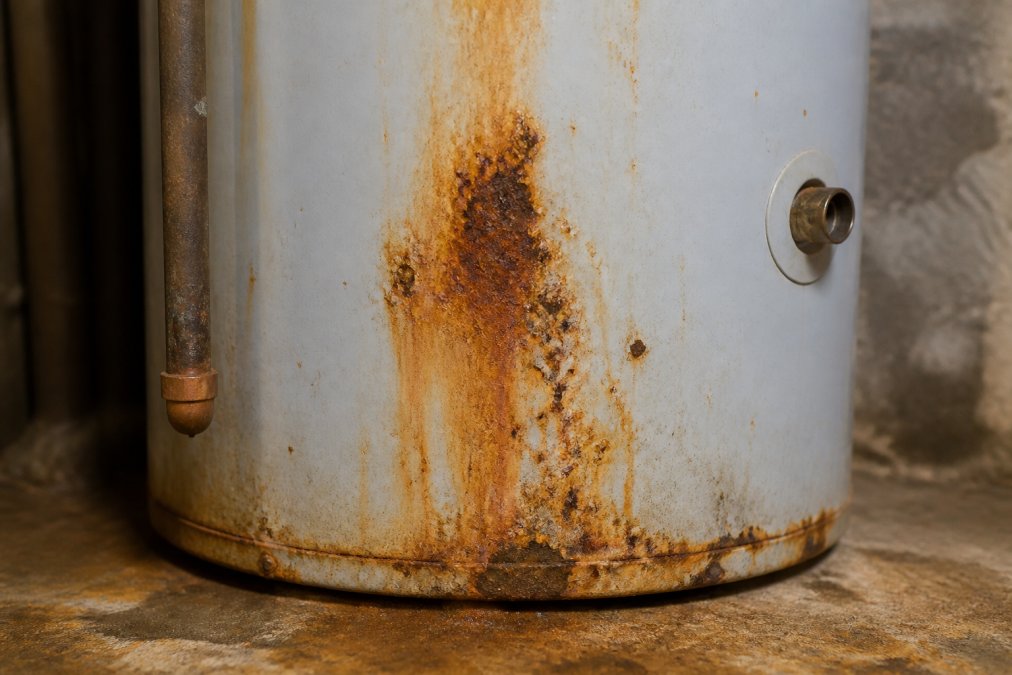
Rust, Corrosion, and Discoloration
Visible rust on the tank exterior indicates internal corrosion is progressing. Orange or brown discoloration means the anode rod is failing or depleted. Once the anode rod is gone, corrosion accelerates dramatically.
Rust stains around the tank base suggest water is leaking from corrosion holes. Small leaks often precede catastrophic failure by months. Discolored water from hot water taps means sediment and corrosion particles are entering your plumbing, indicating the tank's interior is deteriorating.
Inconsistent Water Temperature and Leaks
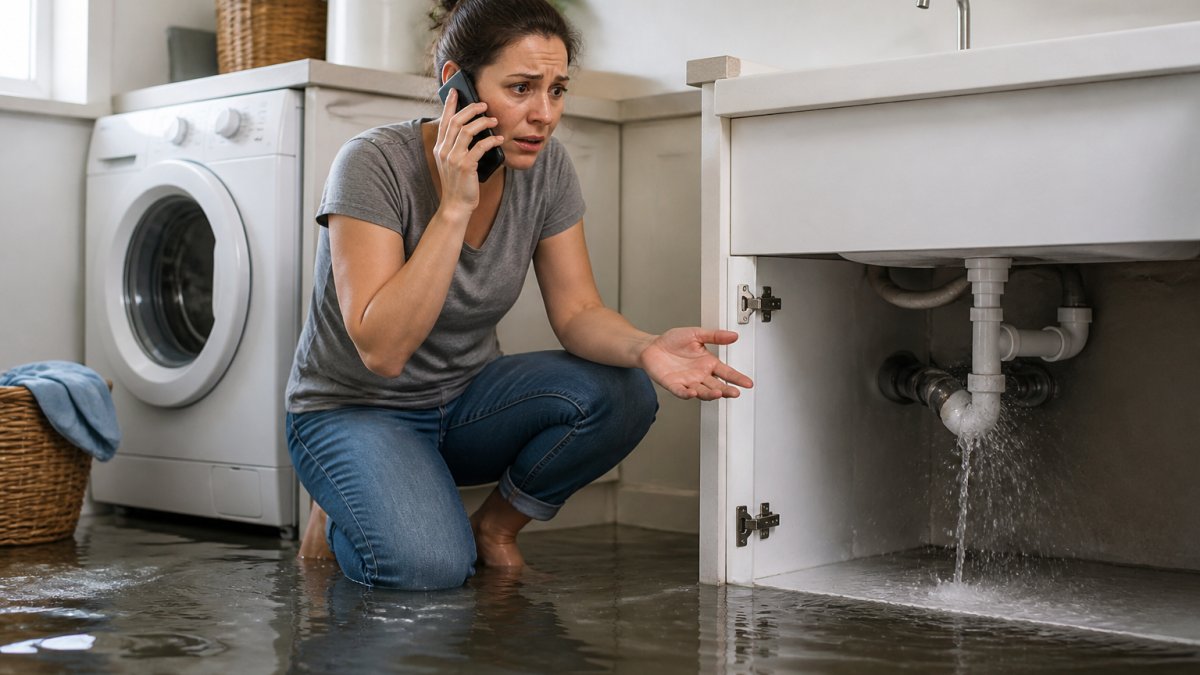
Fluctuating hot water temperature suggests the heating element is failing or sediment buildup is interfering with heat transfer. Leaks around the tank base are the most obvious sign of imminent failure, they only get worse and never improve on their own.
Leaks around the pressure relief valve indicate excessive pressure inside the tank. If the relief valve leaks constantly, the tank's pressure control system is failing. Strange noises like popping or crackling suggest sediment is burning on the heating element, indicating severe accumulation and likely premature failure.
When to Repair vs. Replace Your Water Heater
Deciding whether to repair or replace requires weighing age, repair cost, and expected remaining service life.
Age and Warranty Considerations
A water heater 8 years old or newer with a failed component is usually worth repairing. Replacing the heating element, thermostat, or pressure relief valve typically costs less than full replacement and extends the unit's life.
A water heater 12 years old or older is approaching the end of its typical service life. Even if repair is possible, you're investing in a unit that may fail again within months. Check your warranty, most carry a 6-year tank warranty and 1-year parts warranty. If repair costs exceed 50 percent of a new unit's price, replacement is typically the better long-term decision.
Cost of Water Heater Replacement
Replacement involves the new unit, installation labor, removal of the old unit, and potential plumbing or gas line modifications. A replacement decision also presents an opportunity to upgrade to a more efficient model, larger capacity, or tankless system. Timing matters, planning replacement during your budget cycle is better than facing an emergency repair call.
Water Heater Maintenance Schedule
Consistent maintenance is the single most effective way to extend your water heater's service life. A well-maintained unit often reaches or exceeds its expected lifespan.
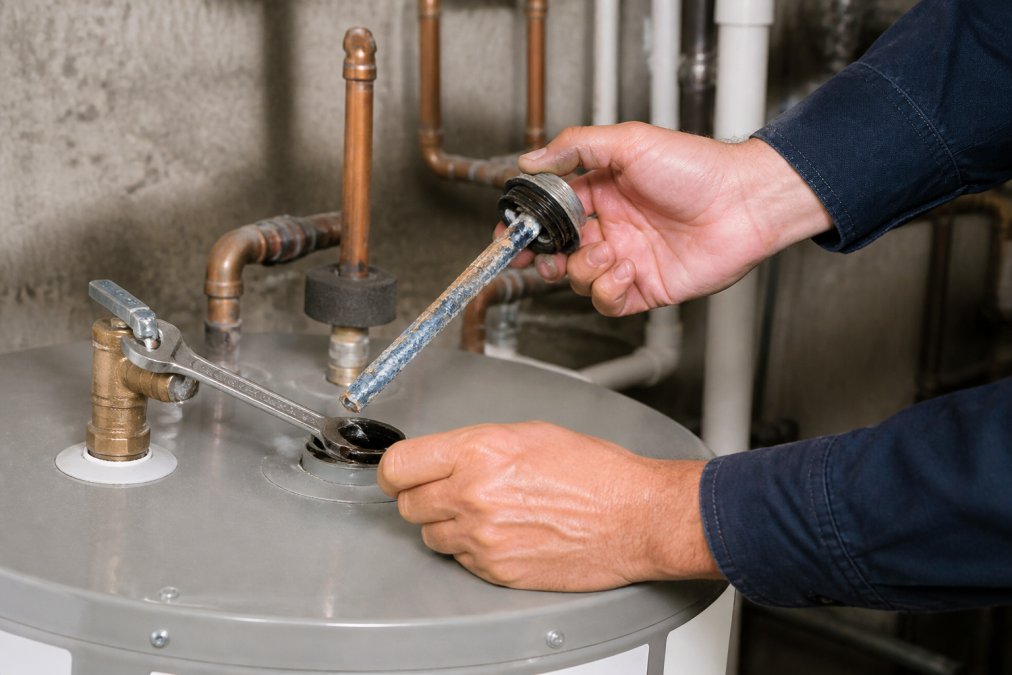
Draining, Flushing, and Anode Rod Inspection
Annual or semi-annual draining and flushing removes sediment that accumulates in the tank. In hard water areas, flushing twice yearly is recommended; in soft water areas, once yearly is usually sufficient.
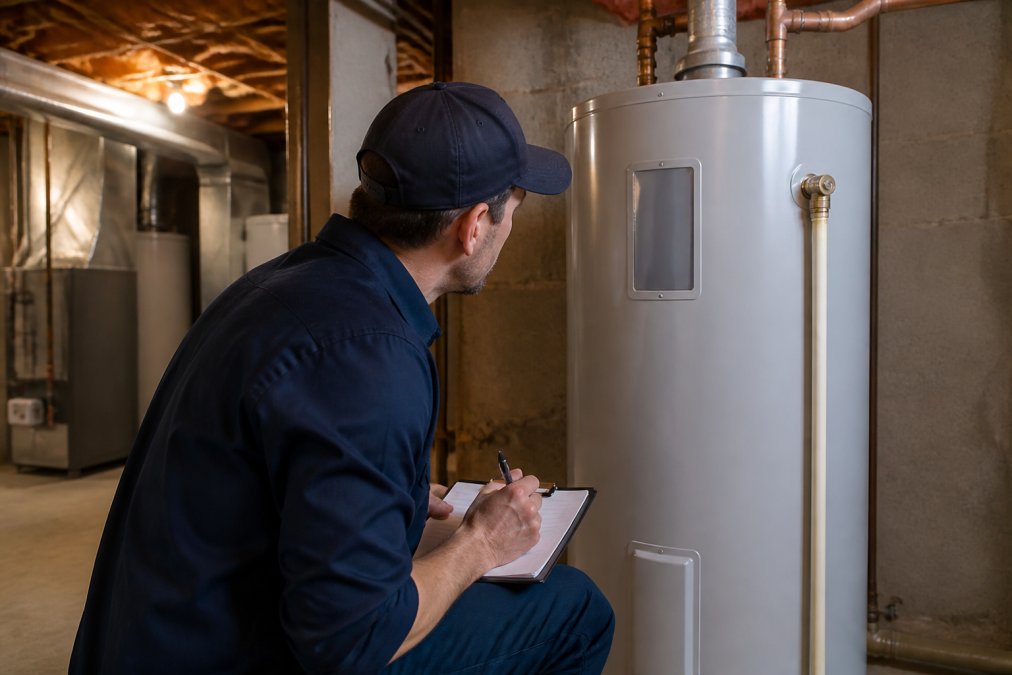
The anode rod should be inspected annually. This sacrificial rod corrodes instead of the tank, protecting its interior. When significantly corroded or depleted, it needs replacement. The pressure relief valve should be tested to ensure it opens and closes properly. A malfunctioning valve can't release excess pressure, stressing the tank.
These maintenance tasks keep your water heater operating efficiently and extend its service life. They're among the most cost-effective preventative measures available.
Extending Your Water Heater's Service Life
Beyond routine maintenance, several strategies help your water heater reach or exceed its expected service life.
Preventative Maintenance and Leak Detection
Monitor your water heater's performance by checking regularly for leaks or moisture, rust or discoloration on the tank exterior, and unusual noises during heating cycles.
Insulating the tank and hot water pipes reduces standby heat loss, meaning the heating element cycles less frequently. This reduces wear and decreases energy consumption. Setting the thermostat to 120 degrees Fahrenheit instead of higher temperatures reduces thermal stress and the risk of scalding (the CDC).
Leak detection systems that monitor for water around the tank can alert you to problems before they cause water damage. Some systems include automatic shut-off valves that stop water flow if a leak is detected.
Smart Water Heater Integration and Energy Efficiency
Modern water heaters increasingly include smart features that optimize performance and provide early warning of problems. Smart thermostats let you adjust temperature remotely and monitor energy consumption.
Heat pump water heaters represent significant efficiency improvements over conventional electric units, using far less electricity. Tankless water heaters eliminate standby heat loss entirely, heating water only when you use it. Smart integration enables predictive maintenance, alerting you when maintenance is due or performance is degrading.
| Maintenance Task | Frequency | Impact on Lifespan | DIY or Professional |
|---|---|---|---|
| Tank flushing | 1-2 times yearly | Removes sediment, prevents corrosion | Professional recommended |
| Anode rod inspection | Annually | Prevents tank corrosion | Professional |
| Pressure relief valve test | Annually | Ensures safety, prevents pressure damage | Professional |
| Pipe insulation | One-time | Reduces heating cycles, extends element life | DIY |
| Thermostat adjustment | As needed | Reduces thermal stress | DIY |
| Leak monitoring | Continuous | Early detection prevents damage | Smart system or visual inspection |
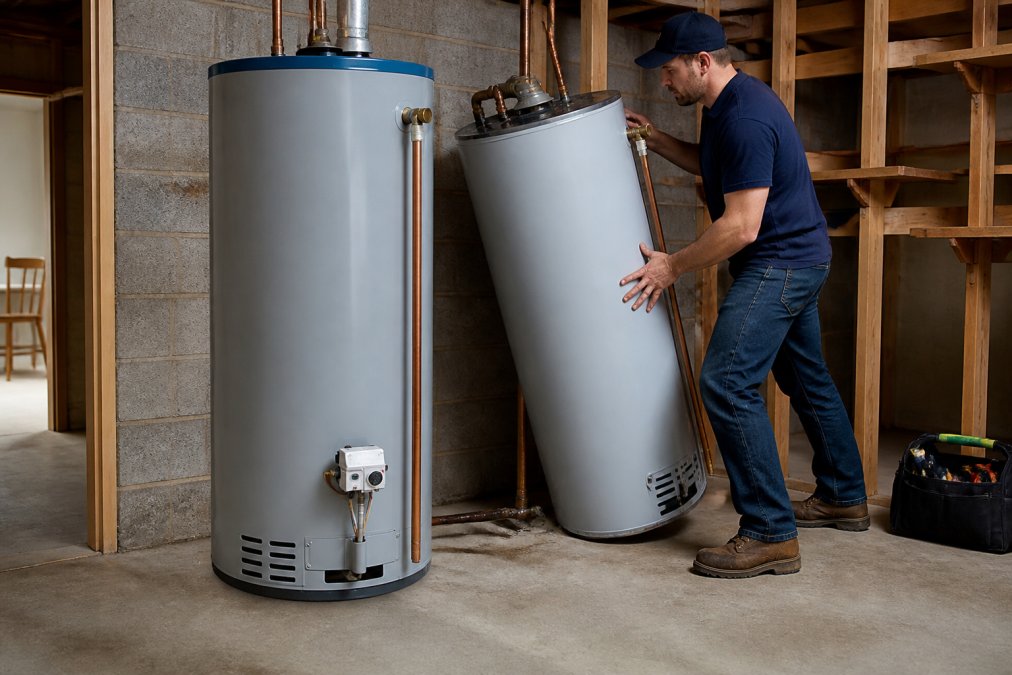
A water heater that fails unexpectedly can disrupt your entire household. Your actual unit's longevity depends on the choices you make today about maintenance and replacement timing. England's Plumbing & Heating helps homeowners in Chester County extend their water heater's service life through professional installation, expert maintenance, and timely replacement. Whether you need a new water heater installed, maintenance performed, or guidance on repair versus replacement, our team has the experience to help. Book online or contact us for a professional assessment of your water heater's condition and the best path forward for your home's hot water needs.
Frequently Asked Questions
Q: What's the average lifespan of a 50-gallon water heater?
Most 50-gallon storage tank water heaters last 8 to 12 years with proper maintenance. The actual water heater lifespan depends on water hardness, usage patterns, and how consistently you perform preventative maintenance like flushing and anode rod replacement. Tankless systems can exceed 20 years, while heat pump water heaters typically perform well for 10 to 15 years.
Q: My water heater is 8 years old, should I replace it now or wait?
At 8 years, your water heater is still within its typical service life. Watch for warning signs like rust, leaks, inconsistent water temperature, or sediment discoloration. Consider replacement if repairs would exceed 50% of a new unit's price, or if you're experiencing frequent failures. Preventative maintenance now can extend its life several more years.
Q: How does water hardness affect water heater lifespan?
Hard water accelerates mineral deposit and scale accumulation inside your tank, reducing thermal efficiency and straining the heating element. Regular flushing removes these deposits. If your area has hard water, schedule annual draining and consider a water conditioning system to protect your investment and maintain energy consumption efficiency.
Q: What maintenance helps extend water heater life?
Annual flushing removes sediment buildup that corrodes the tank and heating element. Inspect and replace the anode rod every 3 to 5 years to prevent galvanic corrosion. Check the pressure relief valve monthly. Insulate the tank and pipes to reduce standby heat loss and improve efficiency. Monitor for leaks and discoloration. These preventative maintenance steps can add years to your water heater's service life and reduce utility costs.