 how-to
Why Pipes Bang: Causes and DIY Fixes
Table of Contents
- What Causes Pipes to Bang and Make Noise
- How to Fix High Water Pressure in Your House
- Water Hammer Arrestor Installation and Air Chambers
- DIY Steps to Diagnose and Stop Pipe Banging
- Diagnostic Flowchart: Identifying Your Pipe Noise Type
- Step 1: Check Your Water Pressure
- Step 2: Inspect Pipe Straps and Hangers
- Step 3: Locate and Adjust Your Pressure Regulator (if pressure exceeds 80 psi)
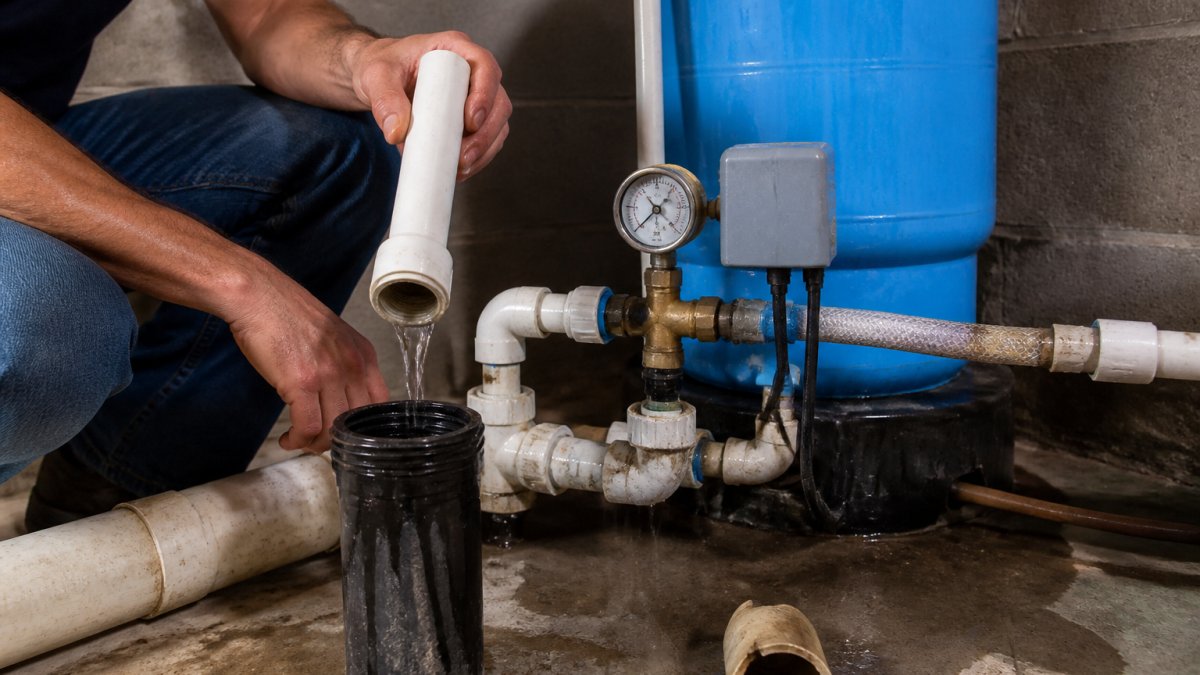
- Step 4: Drain and Refill Your Plumbing System (if you suspect water hammer from failed air chambers)
- Step 5: Install a Water Hammer Arrestor (if water hammer persists)
- When to Stop DIY and Call a Professional
- When to Call a Professional Plumber for Pipe Noise
- Frequently Asked Questions
Last Updated: September 30, 2026
What Causes Pipes to Bang and Make Noise
Banging pipes are a common plumbing problem that can signal something needs attention. Understanding why pipes bang noises occur is the first step toward fixing it yourself or calling a professional.
Water Hammer and Hydraulic Shock
Water hammer is the sudden stopping of fast-moving water inside pipes, which creates a shock wave. When a valve closes quickly, like a toilet fill valve or washing machine, water slams against the closed valve and creates a banging sound. Repeated water hammer can damage pipe connections over time.
High Water Pressure in Your Home
When pressure exceeds 80 psi, pipes vibrate and bang against framing or other pipes. Most municipal systems deliver 50-80 psi; above that, the extra force increases water hammer risk and wears fixtures faster. Checking your water pressure is one of the easiest diagnostic steps.
Loose Pipe Straps and Mounting Brackets
Pipes are secured using pipe straps and mounting brackets. Over time, these fasteners loosen due to vibration or age, allowing pipes to move freely and bang against framing or walls. Tightening or replacing loose straps is one of the easiest DIY fixes.
Thermal Expansion and Pipe Movement
As water heats, it expands and causes pipes to move slightly. Copper and plastic pipes expand and contract with temperature changes, creating creaking or banging sounds when the water heater cycles. Proper pipe insulation and adequate expansion space help reduce this noise.
How to Fix High Water Pressure in Your House
High water pressure is one of the easiest causes of pipe noise to address. Reducing pressure to 50-75 psi solves the problem for many homeowners.
Check Your Pressure Regulator
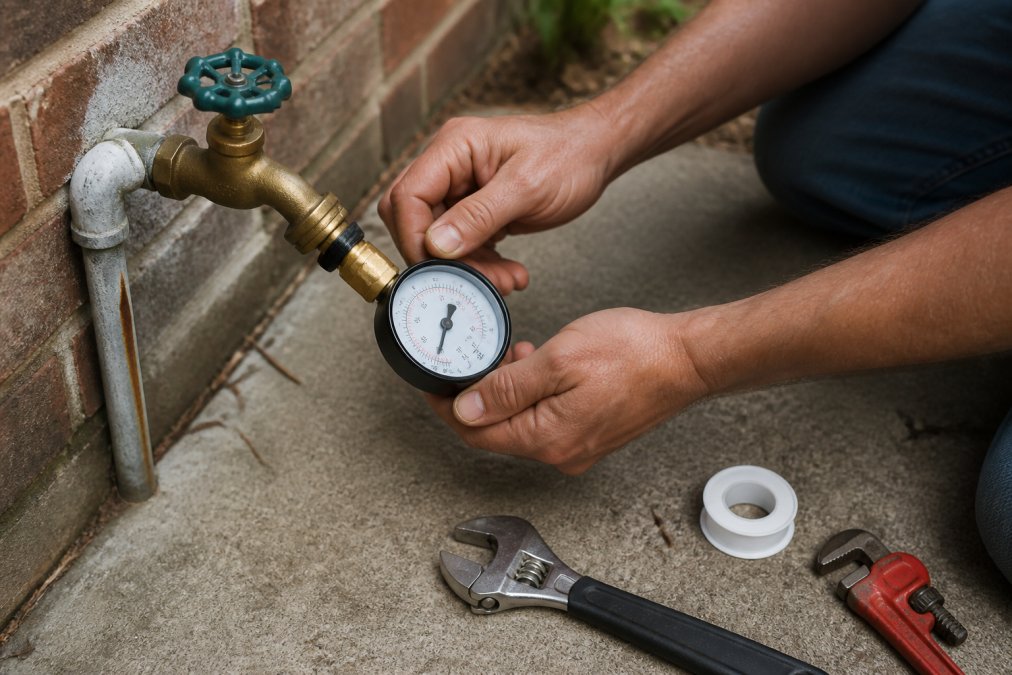
Most homes have a pressure regulator where the main water line enters the house. A failing regulator allows pressure to exceed safe limits. Check your pressure using an inexpensive gauge on any outdoor spigot; if it exceeds 80 psi, your regulator needs adjustment or replacement. Look for it near your main shut-off valve, usually a bell-shaped or cylindrical device.
Install or Adjust Your Pressure Regulator
Most regulators have an adjustment screw on top. Turn it counterclockwise to decrease pressure in quarter-turn increments, rechecking with the gauge. If the regulator is old or won't hold steady pressure, replacement is best. Call a professional plumber if you're uncomfortable with this work. Call a professional plumber if you're uncomfortable with this work.
Water Hammer Arrestor Installation and Air Chambers
When water hammer is the problem, you have two main solutions: water hammer arrestors or air chambers. Both work by absorbing the shock wave created when water stops suddenly.
How Air Chambers Work
Air chambers are vertical pipe segments filled with air that compress to absorb water hammer shock. Older homes often have them built in, but they can fill with water over time. Draining and refilling your system restores air pockets, or you can install a water hammer arrestor.
Installing a Water Hammer Arrestor
A water hammer arrestor is a small cylindrical device that screws onto a pipe near the fixture causing the problem. Inside is a piston with air on one side and a connection to the water line on the other.
Installation typically involves:
- Shutting off the water supply
- Unscrewing the old fitting
- Installing the arrestor in its place
- Turning the water back on and testing
DIY Steps to Diagnose and Stop Pipe Banging
Follow these steps to pinpoint the cause and fix the problem yourself. Use this diagnostic flowchart to narrow down the source before attempting repairs.
Diagnostic Flowchart: Identifying Your Pipe Noise Type
Step 1: Describe the noise
- Single loud bang when you turn off a faucet or appliance? → Likely water hammer causing pipes bang noises
- Rhythmic banging or vibration while water is running? → Likely high pressure or loose straps
- Creaking or popping when hot water runs? → Likely thermal expansion
- Banging that occurs randomly or at specific times? → Could be toilet fill valve, check valve, or water heater cycling
Step 2: When does it happen?
- Only when a specific appliance runs (washing machine, dishwasher)? → Problem is likely at that appliance's water supply line
- When any hot water faucet opens? → Thermal expansion or water heater issue
- Whenever you turn off water anywhere in the house? → Water hammer throughout the system
- Constantly or randomly? → Pressure issue or loose straps
Step 3: Where is the noise coming from?
- Listen carefully and identify the exact location. Walk through your home with water running and note where the sound is loudest.
- Near the water heater? → Thermal expansion, water hammer at heater inlet, or expansion tank issue
- Under sinks or near appliances? → Loose supply lines or fill valve problems
- In the basement or crawl space? → Loose pipe straps or high-pressure vibration
- Behind walls? → Pipes moving against framing; likely loose straps or high pressure
Step 1: Check Your Water Pressure
High pressure is one of the easiest causes to rule in or out.
Read the gauge:
- Below 50 psi: Pressure is low; not the cause of banging
- 50-75 psi: Normal range; banging is likely from water hammer, loose straps, or thermal expansion
- 75-80 psi: Upper normal range; monitor for vibration
- Above 80 psi: High pressure is likely contributing to or causing the noise
Step 2: Inspect Pipe Straps and Hangers
Locate the pipes nearest to where you heard the noise. Look for metal straps or plastic clips holding them to the house structure.
Check each strap:
- Is it loose? Tighten with a wrench. A loose strap should be snug but not over-tightened (you should not be able to move the pipe by hand, but the strap should not deform the pipe).
- Is it bent or cracked? Replace it with a new one of the same size and material.
- Is it missing? Install a new strap. Pipes should be supported every 4-6 feet for horizontal runs and every 8 feet for vertical runs.
- Is it a rigid metal clamp on flexible pipe (PEX)? Replace with a cushioned PEX-specific clip to allow natural expansion.
Step 3: Locate and Adjust Your Pressure Regulator (if pressure exceeds 80 psi)
Most homes have a pressure regulator where the main water line enters the house. This valve reduces municipal water pressure to a safe level.
Finding your regulator:
- Look near your main shut-off valve, typically in the basement, crawl space, or utility room
- It's usually a bell-shaped or cylindrical device, 2-4 inches in diameter
- If you can't locate it, check your water meter or contact your water company
Adjusting the regulator:
- Most regulators have an adjustment screw on top (may require a screwdriver or wrench)
- Turning it clockwise increases pressure; counterclockwise decreases it
- Make small adjustments, a quarter turn at a time, and recheck your pressure with the gauge
- Target 50-75 psi for most homes
- If the regulator is old, corroded, or won't hold a steady pressure, replacement is the best option (see "When to Call a Professional" section)
Step 4: Drain and Refill Your Plumbing System (if you suspect water hammer from failed air chambers)
If you suspect air chambers have filled with water, draining your system can help restore them.
- Turn off the main water shut-off valve
- Open the lowest faucet in your home (usually in the basement or outside)
- Let water drain completely (this may take 5-10 minutes)
- Close that faucet and turn the main valve back on slowly
- As the system refills, air enters the pipes and re-establishes air chambers
Step 5: Install a Water Hammer Arrestor (if water hammer persists)
A water hammer arrestor is a small cylindrical device that screws onto a pipe near the fixture causing the problem. Inside is a piston with air on one side and a connection to the water line on the other. When water hammer strikes, the piston compresses and absorbs the shock wave.
When to install one:
- After draining and refilling, if banging continues
- Near the toilet if the fill valve closes quickly
- On the washing machine inlet if banging occurs when it stops filling
- Near the water heater if water hammer occurs at the heater inlet
Installation (basic skill level):
- Shut off the water supply to that line
- Locate the fitting closest to the problem fixture
- Unscrew the old fitting (you may need a wrench)
- Install the arrestor in its place (screw it on by hand, then tighten with a wrench)
- Turn the water back on and test
- If banging stops, the arrestor is working
When to Stop DIY and Call a Professional
Stop DIY attempts and call a plumber if:
- You've checked pressure, tightened straps, and drained the system, but noise persists
- You're uncomfortable working with water lines or the pressure regulator
- Pipes are leaking or showing signs of corrosion or damage
- You can't locate the source of the noise after following the diagnostic steps above
- Your pressure regulator needs replacement
- Noise is accompanied by reduced water pressure, discolored water, or loss of hot water
- You suspect a check valve or water heater expansion tank is failing
- The noise is loud enough to be heard throughout the house or is getting worse over time
Attempting repairs beyond your skill level can damage pipes, create leaks, or void warranties on appliances. A professional plumber can diagnose the exact cause, perform repairs safely, and ensure your plumbing system is functioning properly.
When to Call a Professional Plumber for Pipe Noise
Some pipe noise problems require professional expertise. Know when to call for help.
Call a plumber if:
- Noise persists after you've checked pressure and tightened straps
- You suspect water hammer but aren't comfortable installing an arrestor
- Pipes are leaking or showing signs of damage
- You can't locate the source of the noise
- Your pressure regulator needs replacement
- Noise is accompanied by reduced water pressure or discolored water
Frequently Asked Questions
What is water hammer and how do I fix it?
Water hammer is a banging or knocking sound caused by fast-closing valves that create a shockwave in your pipes. When water suddenly stops moving through the plumbing system, it creates pressure that makes pipes vibrate and bang. You can fix it by installing a water hammer arrestor, draining your air chambers, or replacing fast-closing toilet fill valves. If the noise persists after these steps, call a professional to inspect your expansion tank or pressure regulator.
Can high water pressure cause pipes to bang?
Yes. Water pressure above 80 PSI can cause pipes to vibrate and bang, especially when fixtures shut off suddenly. High pressure forces water through the plumbing system faster, making the shockwave stronger when valves close. Check your pressure with a gauge at an outdoor spigot. If it reads above 80 PSI, install or adjust a pressure regulator. Many homes experience banging pipes simply because their incoming water pressure is too high for the system to handle safely.
Should I worry about knocking pipes?
Occasional banging is usually not dangerous, but persistent knocking can damage your plumbing over time. Repeated pipe vibration can loosen joints, crack fittings, and eventually lead to leaks. If you hear banging regularly, especially when you use hot water or close fixtures quickly, take action. Loose pipe straps, high water pressure, or failing air chambers are common culprits. Address the cause early to avoid costly repairs later. If banging is severe or accompanied by leaks, call a professional immediately.
Why are my pipes banging all of a sudden?
Sudden banging usually means something has changed in your plumbing system. Common causes include a newly installed fixture with fast-closing valves, a failing pressure regulator that's no longer controlling high water pressure, or air chambers that have filled with water. If banging started after a repair or new appliance installation, the contractor may have disturbed your system. Check your water pressure first, then inspect visible pipe straps and hangers for looseness. If you can't identify the cause, a professional can run diagnostics to pinpoint the issue.
Banging pipes don't have to be a mystery. Most causes, high water pressure, loose straps, water hammer, are fixable with basic troubleshooting or professional help. Start with the diagnostic steps above. If the noise persists or you're unsure about making repairs, contact England's Plumbing & Heating to schedule an inspection. Our team has been serving homeowners since 1989 with reliable solutions for plumbing problems of all kinds. Book online or call for a consultation today.