 how-to
How to Clear a Main Sewer Line Clog
Table of Contents
- Recognizing Main Sewer Line Clog Signs
- Distinguishing a Main Line Clog from Fixture-Level Blockages
- Locating and Using Your Main Sewer Line Cleanout
- DIY Methods: When They Work and When They Don't
- How Long to Unclog a Sewer Line: What to Expect
- When to Call a Professional Plumber
- Sewer Line Clog Prevention: Stop Future Blockages
- Frequently Asked Questions
Last Updated: October 5, 2026
Recognizing Main Sewer Line Clog Signs
Understanding how to clear a main sewer line clog starts with recognizing that it affects your entire home's drainage system, causing multiple drains to back up simultaneously instead of just one fixture.
Watch for these warning signs:
- Water pools in your yard or basement
- Sewage smell inside or outside your home
- Gurgling sounds from drains or toilets
- Slow drains in multiple rooms simultaneously
- Toilet backs up when you run the washing machine
- Patches of unusually green grass in your yard
When everything backs up together, the problem is deeper in your system, a main sewer line clog rather than a single fixture blockage.
Catching the problem quickly prevents sewage backup into your home, which creates health hazards and costly cleanup.
Distinguishing a Main Line Clog from Fixture-Level Blockages
A fixture-level blockage affects only one drain and can usually be cleared with a plunger or drain snake. A main sewer line clog affects multiple drains simultaneously, indicating the blockage is in the main line serving your entire home.
Here's how to tell the difference:
| Problem Type | Affected Drains | Best First Action | DIY Possible |
|---|---|---|---|
| Fixture-level clog | One drain only | Plunger or drain snake | Usually yes |
| Main sewer line clog | Multiple drains simultaneously | Call a professional | Not recommended |
Main line clogs require professional equipment like a power snake, camera inspection, or hydro jetting, a standard drain snake won't reach deep enough.
Locating and Using Your Main Sewer Line Cleanout
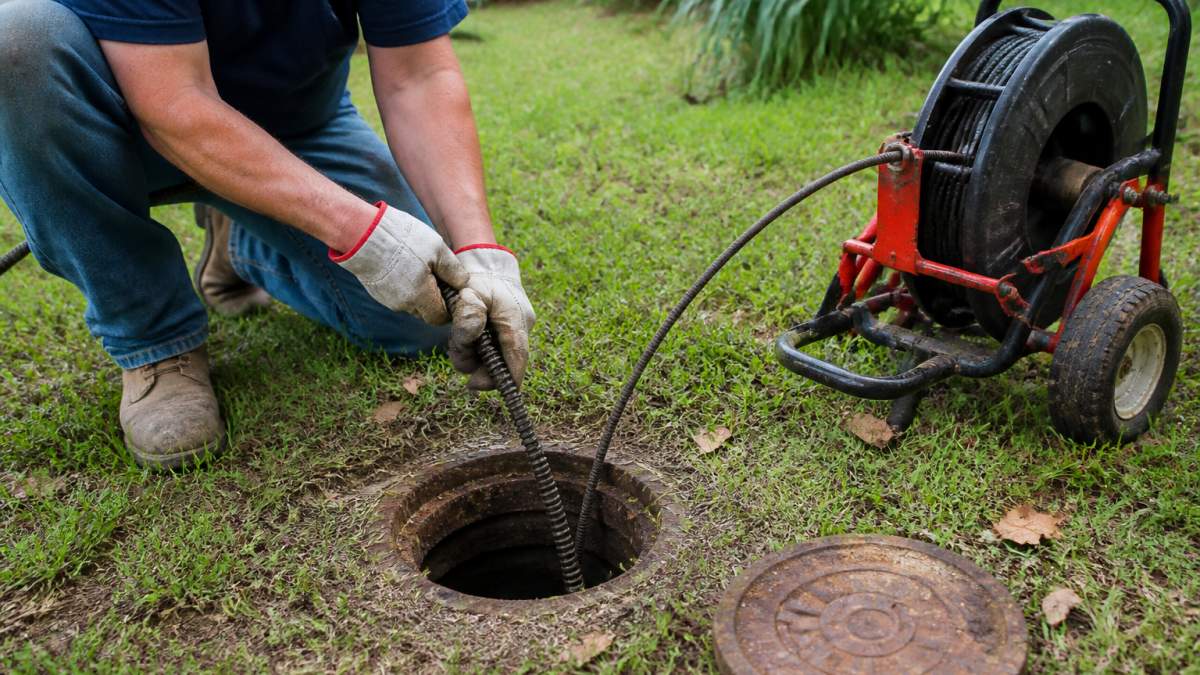
Your home has a main sewer line cleanout, a capped pipe access point usually located in your basement, crawlspace, yard, or near the foundation between your home and the street.
Once located, carefully remove the cap to access the main line opening where professionals insert cameras, snakes, or jetting equipment.
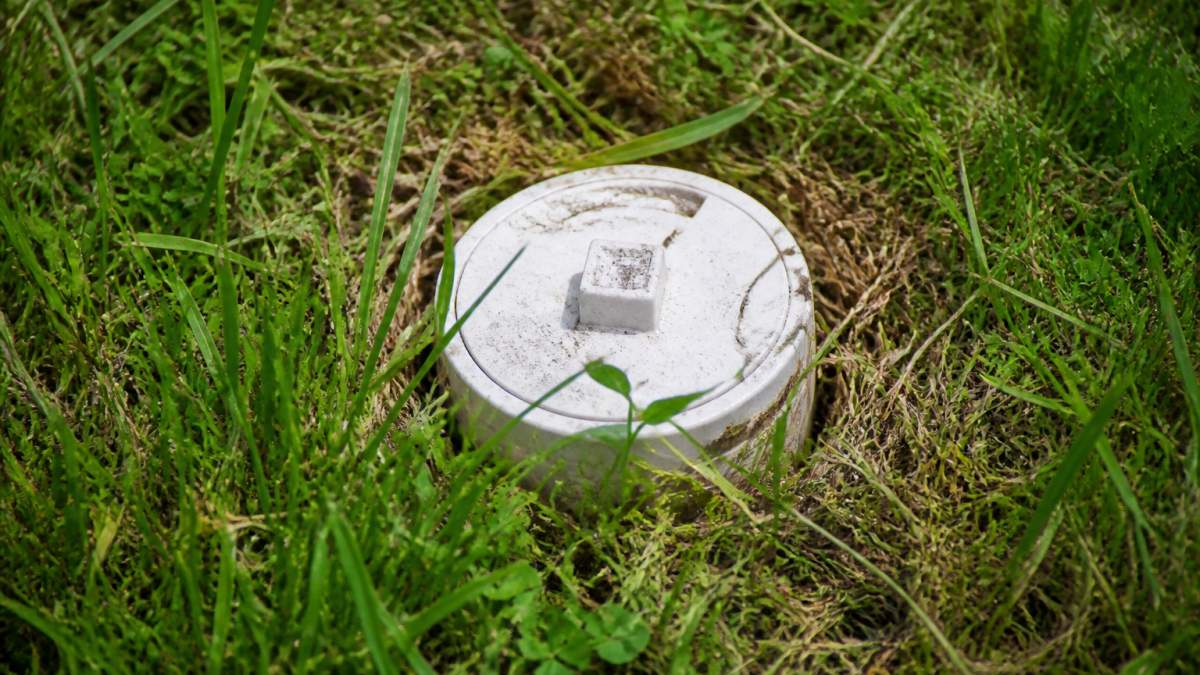
Never force a stuck cap, forcing it can crack the fitting and worsen the problem. If removed safely, peek inside with a flashlight to confirm water backing up or debris indicating a blockage.
DIY Methods: When They Work and When They Don't
Understanding what DIY methods work, what doesn't, and when to stop prevents pipe damage and injury.
A safe DIY decision framework
Before you start, answer these questions:
Is the blockage in the main line or a fixture drain? If only one drain backs up, you have a fixture-level clog. Main line clogs affect multiple drains simultaneously and carry higher risk, often requiring professional equipment.
What is the likely cause? If you suspect tree roots, stop, they will wrap around the auger and worsen the blockage. For grease or debris, a drain snake may work. If unsure, a professional camera inspection is safer than guessing.
Do you have the right equipment? A manual drain snake works for fixture clogs but often falls short on main lines (50-100+ feet).
Can you access the cleanout safely? If the cap is stuck or damaged, forcing it risks cracking the fitting. If you cannot remove it by hand with reasonable effort, stop and call a professional.
Step-by-step snaking procedure (fixture-level or shallow main line only)
If you decide to proceed with a manual or power auger:
Preparation: Wear heavy-duty gloves and eye protection. Have a bucket and towels ready. Ensure someone else is home. Locate your main water shutoff valve. Call 811 before digging to locate the cleanout, hitting a gas or electric line is dangerous.
Operation: Insert the snake into the cleanout. Feed the cable slowly and crank gently in short bursts when you feel resistance. Crank for 10-15 seconds, then pull back to remove debris. Repeat until water flows freely. Retract slowly and replace the cap.
Stop immediately if:
- The cable becomes stuck and won't move forward or backward, forcing it can break the cable or damage the pipe
- You encounter a sharp resistance that feels like roots (twisted, fibrous resistance rather than a solid blockage)
- Water or sewage backs up into your home during the attempt
- You feel pain, strain, or loss of control of the equipment
- The blockage doesn't clear after 30 minutes of snaking
Why certain methods fail on main lines
Chemical drain cleaners rarely work on main line clogs and create safety hazards for professionals later. Avoid them entirely for main line work.
Plunging works only on fixture drains; main line clogs are too deep and large for plunging pressure.
Snaking from a fixture drain loses pressure navigating bends and traps. Always start at the cleanout.
When professional equipment is necessary
Three situations demand professional tools:
-
Tree root intrusion: A professional uses a root-cutting auger or hydro jetting to cut roots and clear debris without snagging. Root removal typically costs $300-$600.
-
Grease buildup or sludge: Hydro jetting (3,000-4,000 PSI) blasts through hardened grease and mineral deposits more effectively than snaking, typically costing $200-$500.
-
Pipe damage or collapse: A camera inspection (typically $250-$400) identifies structural damage. Repair options include trenchless pipe lining ($4,000-$25,000) or full replacement ($10,000-$50,000+), professional-only jobs.
How Long to Unclog a Sewer Line: What to Expect
How long it takes to clear a main sewer line clog depends on the cause, severity, and equipment required.
Timeline by service stage
Diagnosis (30-90 minutes): A professional inspects the line with a sewer camera to show blockage location, type, and severity. Camera inspection typically costs $150-$300 and is often bundled into the total service cost.
Clearing attempt (1-4 hours): Simple grease or debris near the cleanout takes 30 minutes to 1 hour. Deeper blockages take 1-2 hours.
Verification (15-30 minutes): A second camera inspection confirms the blockage is gone and the line flows freely. Cleanup (15-30 minutes): The plumber cleans the area, replaces the cap, and discusses findings.
Total typical service call: 2-4 hours for a straightforward blockage; 4-6 hours or multiple visits if the cause is complex or repair is needed.
Cost factors and realistic pricing
Sewer line clearing costs vary based on several factors:
Blockage cause:
- Grease or debris: $150-$350 (simplest, fastest)
- Tree roots: $300-$600 (requires root-cutting equipment and hydro jetting)
- Pipe damage or collapse: $250-$400 for diagnosis; repair costs $4,000-$50,000+ depending on method and pipe length
Distance to blockage:
- Blockage near the cleanout (0-20 feet): Lower cost, faster clearing
- Blockage mid-line (20-50 feet): Standard cost
- Blockage far from cleanout (50+ feet): Higher cost; may require multiple access points or specialized equipment
Equipment used:
- Power auger/snake: $150-$300 (most common)
- Hydro jetting: $200-$500 (more effective for grease and roots, but slower)
- Camera inspection (if not bundled): $150-$300
- Root-cutting auger: Included in root-removal service, typically $300-$600 total
Service call timing:
- Emergency or after-hours service: Add 50-100% to standard pricing
- Weekend or holiday service: Add 25-50%
- Standard business hours: Base pricing
Regional variation:
- Urban areas with high labor costs: $200-$500+ for basic clearing
- Rural or suburban areas: $150-$350 for basic clearing
- Areas with older infrastructure or clay pipes: May cost more due to fragility
What is typically included: Plumber's time, equipment rental, camera inspection, clearing attempt, verification, cap replacement, and basic cleanup. What is NOT included: Pipe repair, excavation, sewage cleanup, or preventive maintenance (ask before booking).
Red flags in pricing
- Vague estimates: A plumber should give a range based on the likely cause, not a price without inspection.
- Pressure to do unnecessary work: Preventive hydro jetting on a clear line is optional, not standard.
- Huge price jumps: If a simple grease clog is quoted at $800+, get a second opinion.
- No written estimate: Always get a written estimate before work begins.
Insurance and payment options
Some homeowners insurance policies cover sewer line damage, but clearing is rarely covered. Ask your plumber about insurance claims and payment options.
When to Call a Professional Plumber
Call a professional if multiple drains back up, your DIY attempt failed, you suspect tree roots, sewage backs up into your home, you see raw sewage in your yard, the cleanout cap is stuck, or you smell sewage but can't locate the source. A professional plumber saves time, prevents costly mistakes, and has equipment and experience you don't.
Sewer Line Clog Prevention: Stop Future Blockages
Preventing blockages is easier than clearing them. Once you've dealt with a main sewer line clog, take steps to prevent it from happening again.
Watch what goes down the drain: Never flush anything except toilet paper and human waste. Keep grease, wipes, diapers, and cooking oil out of drains.
Maintain your pipes: Have your sewer line inspected every 5-10 years. Use enzyme drain cleaners monthly.
Address problems early:
- Don't ignore slow drains, they often signal a developing blockage
- Fix leaking pipes promptly (they create cracks where roots enter)
- Have a professional inspect if you suspect tree root damage
Grease is the leading cause of main line clogs in most homes. Even small amounts build up over time.
The cost of prevention is small compared to clearing a main sewer line clog. Regular maintenance and careful drain habits keep your system flowing smoothly.
Dealing with a main sewer line clog is stressful, but you don't have to handle it alone. Since 1989, our skilled professionals have delivered reliable solutions.
Frequently Asked Questions
What are the signs that my main sewer line is clogged?
Multiple drains backing up simultaneously, toilets, showers, and sinks, is the clearest sign. You may notice slow drainage throughout the house, gurgling sounds from pipes, sewage odors in your yard or basement, or wet patches on your lawn. If only one fixture drains slowly, the clog is likely in that fixture's branch line, not the main line. Sewage backup into your home is an emergency requiring immediate professional attention.
Can I fix a main sewer line clog myself?
Minor clogs near the cleanout may respond to a drain snake or auger, but most main line clogs require professional equipment and expertise. Tree roots, grease buildup, and pipe damage cannot be cleared safely with consumer tools. Attempting DIY removal risks damaging the pipe further or exposing yourself to sewage. A plumber can diagnose the cause and use power snaking, hydro jetting, or trenchless lining if needed.
How long does it take a plumber to unclog a main sewer line?
Simple blockages cleared with snaking may take 1-2 hours. More complex clogs involving tree roots or significant sludge buildup can take 3-4 hours or longer. If the pipe is damaged and requires trenchless lining or excavation, the job may span multiple days. The plumber will inspect the line first to determine the cause and provide a realistic timeline before starting work.
What should I do first if sewage is backing up into my home?
Stop using all water immediately to prevent more sewage from entering your home. Do not use toilets, showers, or washing machines. Call a professional plumber right away, this is an emergency. Avoid contact with any sewage. If raw sewage has entered your home, ventilate the area and do not use those spaces until the backup is cleared and the area is properly cleaned and disinfected.