 how-to
How to Find Reliable Plumbers: A 2026 Vetting Guide
Table of Contents
- Why Finding a Reliable Plumber Matters
- Verify Licensing and Insurance Before You Hire
- Questions to Ask a Plumber Before Hiring
- Signs of a Reputable Plumbing Company
- Red Flags That Signal an Unreliable Plumber
- Get Multiple Quotes and Compare Estimates
- How to Find Reliable Plumbers in Your Area
- Conclusion
- Frequently Asked Questions
Last Updated: September 18, 2026
Why Finding a Reliable Plumber Matters
A plumbing emergency doesn't wait for business hours. Your water heater fails on a Sunday. A pipe bursts behind your wall. Suddenly you need someone you can trust, someone who shows up on time, charges fair prices, and fixes the problem right the first time.
Most homeowners search for plumbers during emergencies, leaving them vulnerable to overpriced quotes and shoddy work. Finding a reliable plumber before you need one gives you control.
The vetting process is straightforward: verify licensing, insurance, references, and ask the right questions to separate professionals from the rest.
This guide walks you through exactly how to find reliable plumbers in your area. You'll learn what to verify, what to ask, and what red flags to watch for.
Verify Licensing and Insurance Before You Hire
A licensed plumber has passed exams and meets state standards. Insurance protects you if something goes wrong. You can verify both in minutes.
How to Check Plumber Licenses
Here's how to verify a plumber's license:
- Visit your state's licensing board website (search "[your state] plumber license verification")
- Enter the plumber's full name or license number
- Check the license status, it should say "active" or "current"
- Note the license type (journeyman, master, or contractor level)
- Look for any disciplinary history or complaints
Look for an active license with no serious complaints or suspensions. Multiple complaints or a suspended license are red flags.
Confirm Insurance Coverage
Ask the plumber directly for proof of insurance. Request:
- General liability insurance (covers damage to your property)
- Workers' compensation insurance (covers their employees if injured on your job)
- The insurance company name and policy number
- Proof that the policy is current
A reputable plumber carries both types. If they hesitate, move on.
Questions to Ask a Plumber Before Hiring
The questions you ask depend on whether you're facing an emergency or planning a routine project.
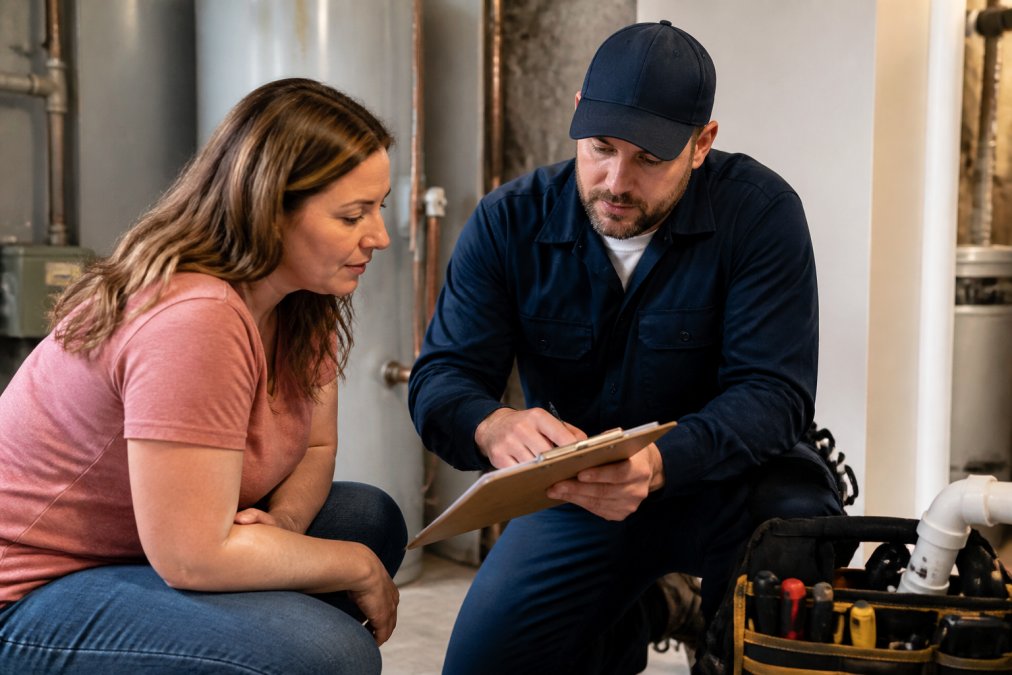
Emergency vs. Routine: Different Vetting Priorities
Emergency situations (burst pipe, no hot water in winter, sewage backup) require speed. Ask: Can they respond today? Are they available 24/7? What's their emergency service fee? Vet emergency plumbers before you need them.
Routine projects (water heater replacement, drain cleaning, fixture installation) give you time to compare. Get three quotes and ask detailed questions about cost, quality, warranty, and specialization.
Questions for Any Plumber (Emergency or Routine)
Experience and Specialization
Ask these questions:
- How long have you been in business?
- What types of work do you specialize in?
- Have you handled jobs like mine before? (Be specific: "water heater replacement in a 1980s home" or "main line backup in clay soil")
- Can you provide references for similar projects completed in the last 12 months?
- Are you licensed for all the work this job requires? (Some states require separate licenses for gas piping, well work, or backflow prevention)
Listen for specifics. A vague answer like "I do all types of plumbing" is a warning sign.
Pricing and Payment Terms
Ask:
- How do you charge? (Hourly rate, flat fee, or service call fee?)
- What's included in your estimate? (Does the service call fee apply toward the final bill?)
- Do you charge for the estimate itself?
- What's your payment policy? (Cash, card, financing available?)
- Are there extra charges I should know about? (Trip charges, after-hours fees, disposal fees?)
- If the job is hourly, what's your hourly rate and do you provide updates if it's taking longer than expected?
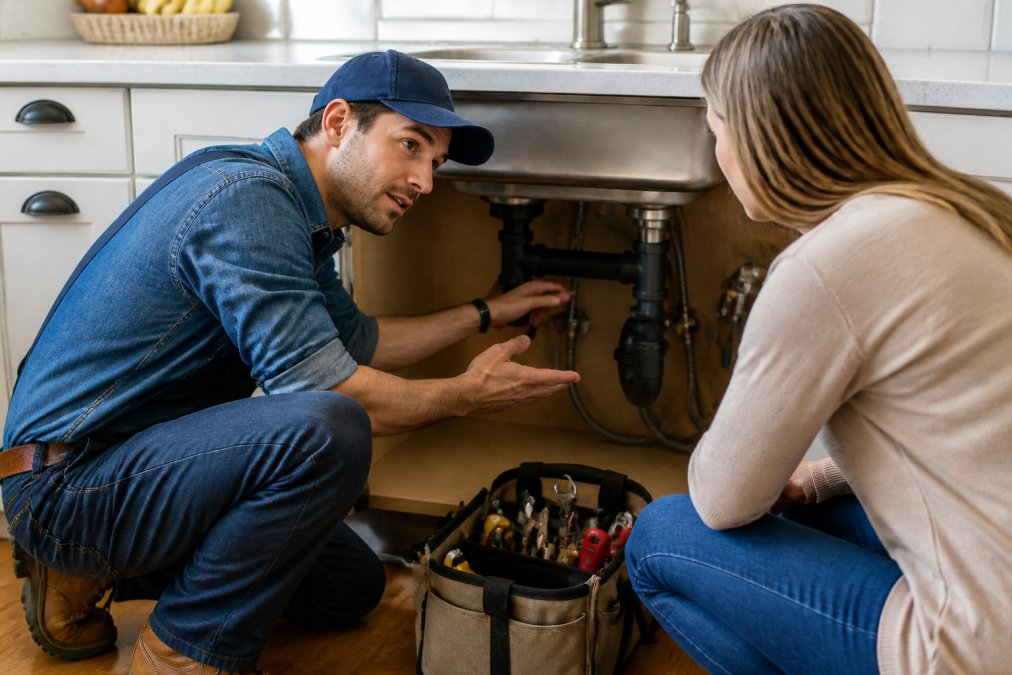
A professional provides a written estimate breaking down labor and parts. Watch for vague pricing or phone quotes without a site visit, both are red flags.
Warranties and Guarantees
Ask:
- What warranty do you provide on parts?
- How long is the labor warranty?
- What happens if something fails within the warranty period? (Do you fix it for free or charge a service call fee?)
- Is the warranty in writing?
- What's NOT covered by the warranty?
Get warranty details in writing. A handshake promise isn't protection if the plumber closes shop.
Timeline and Availability
For routine projects, ask when they can start and how long the job takes. For emergencies, ask if they can come today and what time window to expect.
Questions Specific to Your Job Type
Water Heater Replacement
- What size tank do you recommend for my household?
- What's the expected lifespan of the unit you're recommending?
- Do you handle the permit and inspection, or is that my responsibility?
- Will you remove and dispose of the old unit?
- Do you offer a warranty on the installation?
Drain Cleaning or Backup
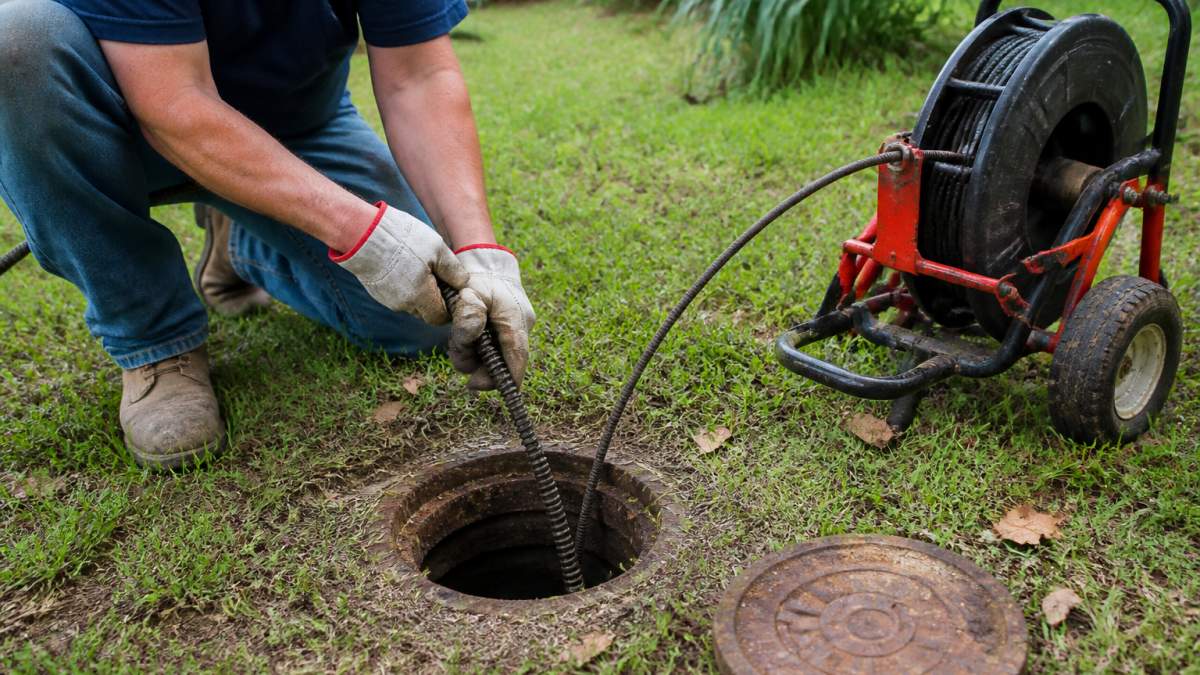
- Will you use a snake, hydro-jetting, or camera inspection?
- What causes this problem and how do I prevent it in the future?
- If it's a main line issue, do you recommend excavation or trenchless repair?
- What's the difference in cost between these methods?
Pipe Repair or Replacement
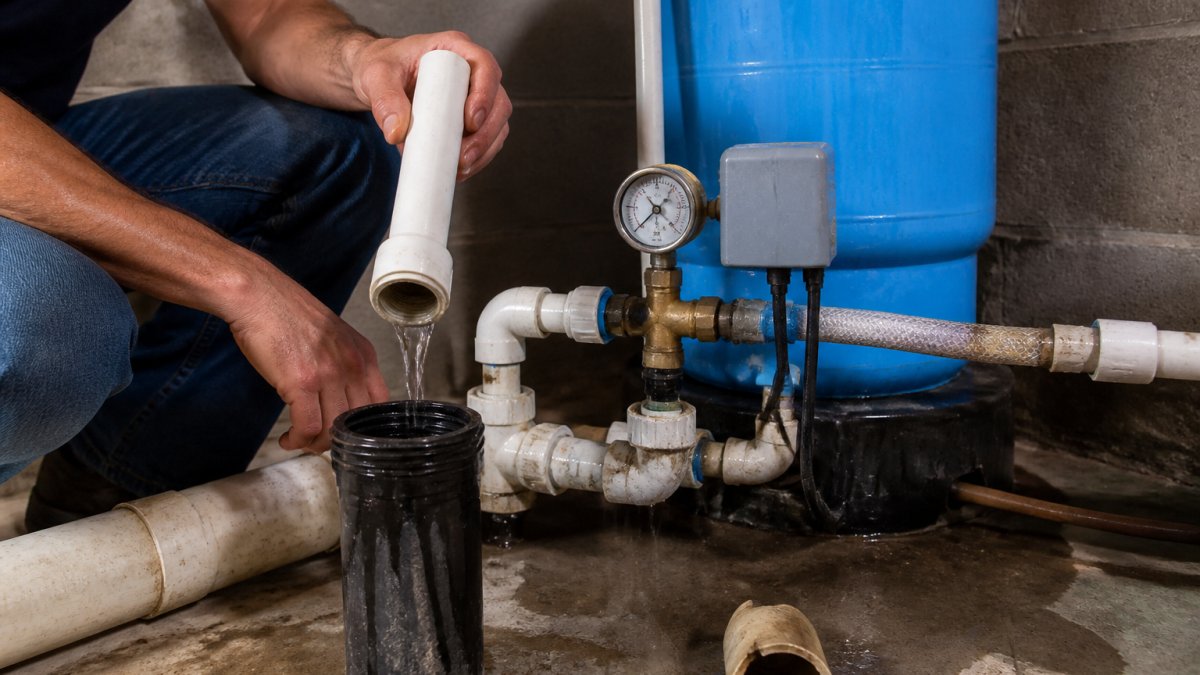
- What material will you use? (Copper, PEX, PVC, each has different lifespans and costs)
- Will you need to open walls or dig?
- What's your cleanup process?
- Do you offer a warranty on the new pipes?
Gas Line Work
- Are you licensed for gas work in this state?
- Will you pull permits and arrange inspection?
- Do you pressure-test the line after installation?
- What's your warranty on the work?
Signs of a Reputable Plumbing Company
Reputation takes years to build and minutes to lose. Several signals separate trustworthy companies from unreliable ones.
Professional Credentials and Certifications
Credentials show commitment to the trade. Look for:
- Active state plumber license (verified above)
- Membership in professional associations (like the National Association of Plumbing-Heating-Cooling Contractors)
- Continuing education or advanced certifications
- Bonding (a financial guarantee that they'll complete work or fix problems)
Not every plumber has all of these. But the presence of some signals that they take their work seriously.
Online Reputation and Reviews
Online reviews reveal patterns. One bad review doesn't mean much. Multiple complaints about the same issue tell you something.
Check:
- Google reviews and ratings
- Better Business Bureau (BBB) rating and complaints
- Yelp and Angie's List reviews
- Facebook page and customer comments
- The company's own website testimonials
What to read for: Specific feedback about punctuality, pricing honesty, quality of work, and follow-up service. Avoid reviews that sound fake (too perfect or too harsh with no details).
A solid company typically has a 4.5+ rating with hundreds of reviews. A few negative reviews mixed in is normal. Look for how the company responds to complaints. Do they address issues professionally? That matters.
Red Flags That Signal an Unreliable Plumber
Certain warning signs appear consistently with bad plumbers. Learning to spot them protects you from both incompetence and deliberate deception.
Behavioral Red Flags
A plumber who pressures you into immediate decisions is using a pressure tactic. Most problems can wait a few hours for a second opinion.
Refusing to provide a written estimate is a major red flag.
Unwillingness to show proof of licensing or insurance suggests they're unlicensed or uninsured. If they deflect, decline the job.
A plumber who quotes a job over the phone without visiting your home is guessing.
Digital and Pricing Red Flags
Fake or suspicious online reviews are more common than homeowners realize. Watch for:
- Reviews that sound scripted or overly perfect ("Amazing service, highly recommend!" with no specifics)
- A sudden spike in five-star reviews followed by silence
- Reviews posted within days of each other from new accounts
- Competitors' names mentioned in negative reviews (suggests the competitor posted them)
- Reviews that praise generic qualities ("nice guy") rather than specific work quality
Contract Red Flags
Before signing, verify the contract includes scope of work, timeline, payment schedule, warranty details, cleanup clause, and lien waiver. If anything is missing, ask for it in writing. Verify the signer is authorized to represent the business.
Get Multiple Quotes and Compare Estimates
Get at least three written quotes for significant work. Provide the same information to each plumber (detailed description, photos, timeline, requirements). Compare them side by side. If one estimate is drastically higher or lower, ask why.
How to Find Reliable Plumbers in Your Area
Once you know what to look for, where do you actually find qualified plumbers?
Referrals and Recommendations
Personal recommendations are gold. Ask friends, family, and neighbors who they trust.
Online Directories and Reviews
Online directories aggregate plumber listings with reviews. Start here if you don't have personal referrals.
Angie's List and HomeAdvisor connect homeowners with vetted contractors.
Yelp shows reviews and photos from customers.
Conclusion
Finding a reliable plumber comes down to a few core steps: verify licensing and insurance, ask the right questions, check their reputation, and compare multiple quotes. The time you spend vetting now saves you money, stress, and poor workmanship later.
Frequently Asked Questions
What is the best way to find a reliable plumber?
Start by asking for referrals from trusted friends, family, or neighbors who've used plumbers recently. Then verify their licensing and insurance through your state's licensing board. Check online reviews on Google and the Better Business Bureau, and always get multiple written quotes before deciding. A reliable plumber will have verifiable credentials, professional certifications, and a clear service history.
How can I verify a plumber's license and insurance?
Contact your state's licensing board or plumbing contractor board with the plumber's name and license number. Ask the plumber directly for proof of current liability insurance and workers' compensation coverage. Request a certificate of insurance that shows your address as the project location. Never hire someone who can't provide these documents immediately, it's a major red flag.
What questions should I ask a plumber before hiring them?
Ask about their experience with your specific issue (emergency repairs vs. routine maintenance require different expertise), how they price their work (flat-rate vs. hourly), what warranties they offer on parts and labor, whether they handle permits and code compliance, their typical response time, and their cleanup policy. Request references from recent residential or commercial projects similar to yours.
What are the red flags of an unreliable plumbing company?
Watch for plumbers who refuse to provide written estimates, won't verify their license, pressure you into immediate decisions, lack online reviews or have mostly negative testimonials, don't carry insurance, quote prices significantly lower than competitors, or won't provide a warranty on their work. Avoid anyone who demands full payment upfront or won't put their service terms in writing.