 how-to
Well Pump Repair: A DIY & Professional Guide
Table of Contents
- Signs of a Bad Well Pump
- How to Fix Low Water Pressure in Your Well System
- DIY vs. Professional Well Pump Repair
- Cost of Well Pump Replacement
- Well Pump Longevity and Maintenance Schedules
- Emergency Water System Troubleshooting
- When to Call a Licensed Contractor
- Frequently Asked Questions
Last Updated: August 27, 2026
Signs of a Bad Well Pump
A failing well pump typically announces itself through a combination of telltale symptoms that get progressively worse if left unaddressed. The most obvious sign is a sudden drop in water pressure or flow rate, you'll notice it first in showers or when running multiple fixtures simultaneously. If your water comes out in spurts rather than steady streams, or if you're getting air in your lines, your pump is likely struggling.
Listen for unusual noises coming from your well system. A grinding, squealing, or humming sound that wasn't there before signals mechanical wear inside the pump. Similarly, if your pressure tank is cycling too frequently (turning on and off every few minutes rather than every 20-30 minutes), the pump is working overtime to maintain pressure (the EPA). This constant cycling accelerates wear and drives up electricity costs.
Watch your electrical panel and control box. A tripped breaker at the pump's circuit, flickering lights when the pump runs, or a burning smell near the control box all point to electrical problems. Some homeowners also notice that their water has become discolored, sandy, or smells like rotten eggs, these aren't always pump failures, but they often accompany pump deterioration that's allowing sediment or contaminants into your lines.
How to Fix Low Water Pressure in Your Well System
Low water pressure in a well system stems from a few specific sources, and the fix depends on where the problem originates. Before calling a professional, you can troubleshoot three common culprits yourself.
Check Your Pressure Tank
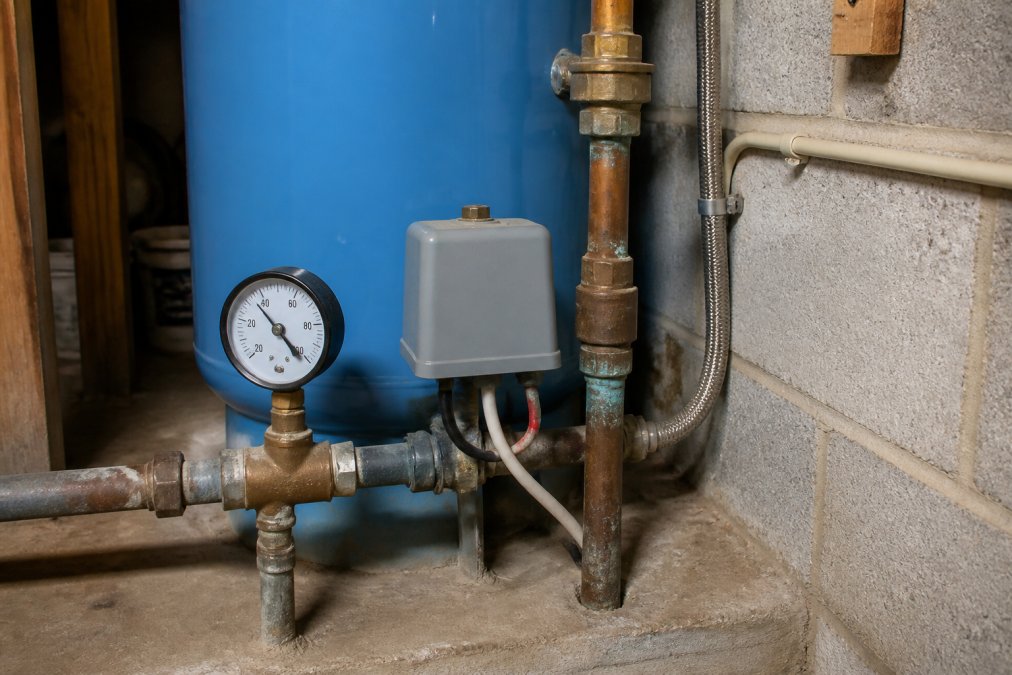
Your pressure tank acts as a buffer, storing pressurized water so your pump doesn't run constantly. Over time, the air bladder inside the tank can fail or leak, causing the tank to lose its cushioning effect. When this happens, your pump cycles frequently and pressure drops noticeably.
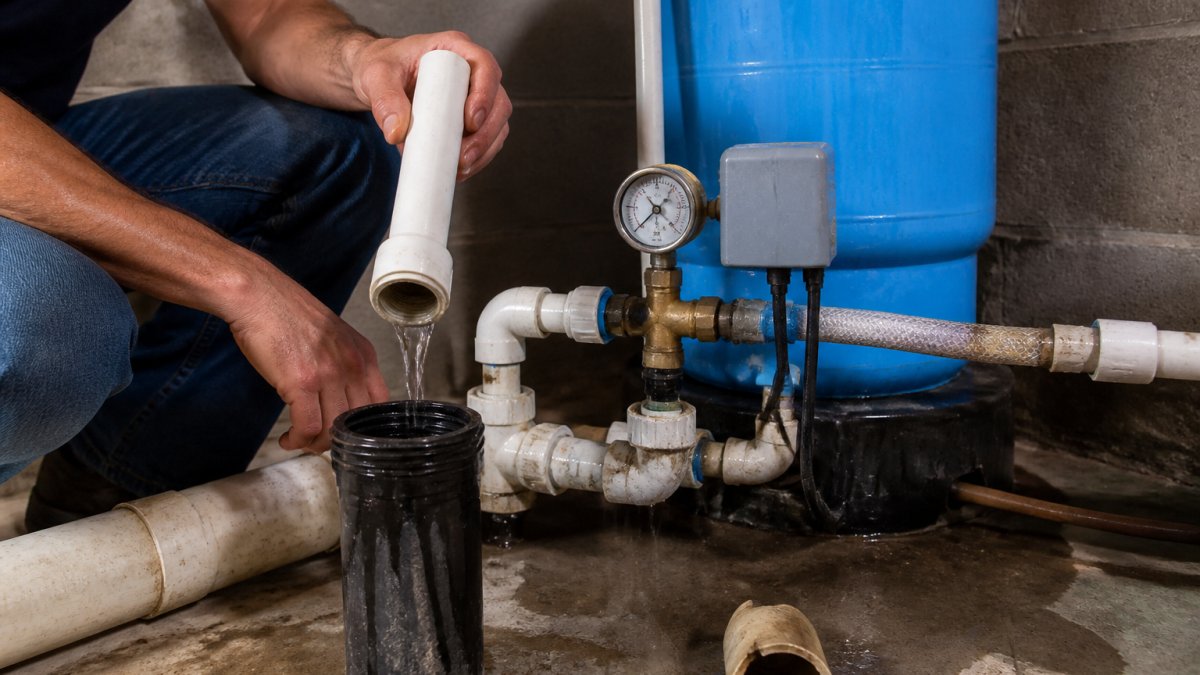
Start by checking the tank's pressure. You'll need a tire pressure gauge. Most residential pressure tanks should read between 28-32 PSI when the pump is off (check your pump's documentation for the exact specification) (nsf.org). If the reading is significantly lower, the bladder may be compromised. Some tanks can be recharged by draining them and refilling the air chamber, but if the bladder is ruptured, the tank needs replacement.
Inspect the tank for visible leaks, corrosion, or rust. A tank that's sweating or actively dripping needs professional attention. Also check that all connections to the tank are tight, loose fittings can cause pressure loss throughout your system.
Inspect the Pressure Switch
The pressure switch tells your pump when to turn on and off based on water pressure. If this switch malfunctions, your pump won't maintain proper pressure. Locate the switch on your pressure tank (it's a small component with electrical wires attached). Check that the wires are connected securely and show no signs of corrosion.
Some pressure switches can be adjusted, but this requires specific knowledge of your system's design. If you're uncomfortable working with electrical components, this is a good time to contact a licensed contractor. A misadjusted pressure switch can damage your pump or create unsafe water pressure conditions.
Look for Leaks in Your Water Lines
Even small leaks can cause noticeable pressure loss, especially in older systems. Check visible portions of your water lines for drips or moisture. Pay special attention to joints, connections, and areas where pipes pass through walls or foundations.
Underground leaks are harder to spot, but signs include unusually wet patches in your yard, soggy ground near your well, or a sudden increase in your water usage with no explanation. If you suspect an underground leak, a licensed plumber can use specialized equipment to locate it.
DIY vs. Professional Well Pump Repair
Knowing which repairs you can safely handle yourself and which require a licensed contractor is critical for both your safety and your system's longevity.
DIY repairs you can attempt:
- Replacing pressure tank air bladders (if you're mechanically inclined)
- Tightening loose fittings and connections
- Checking and replacing water filters
- Inspecting visible piping for obvious leaks
- Testing pressure with a gauge
Repairs that require a professional:
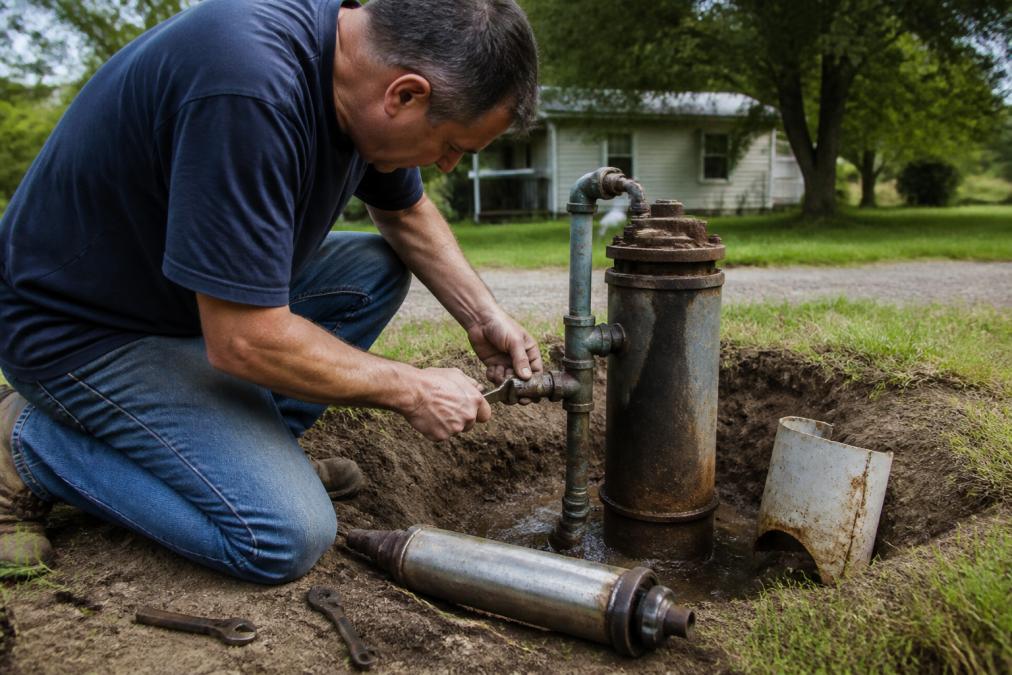
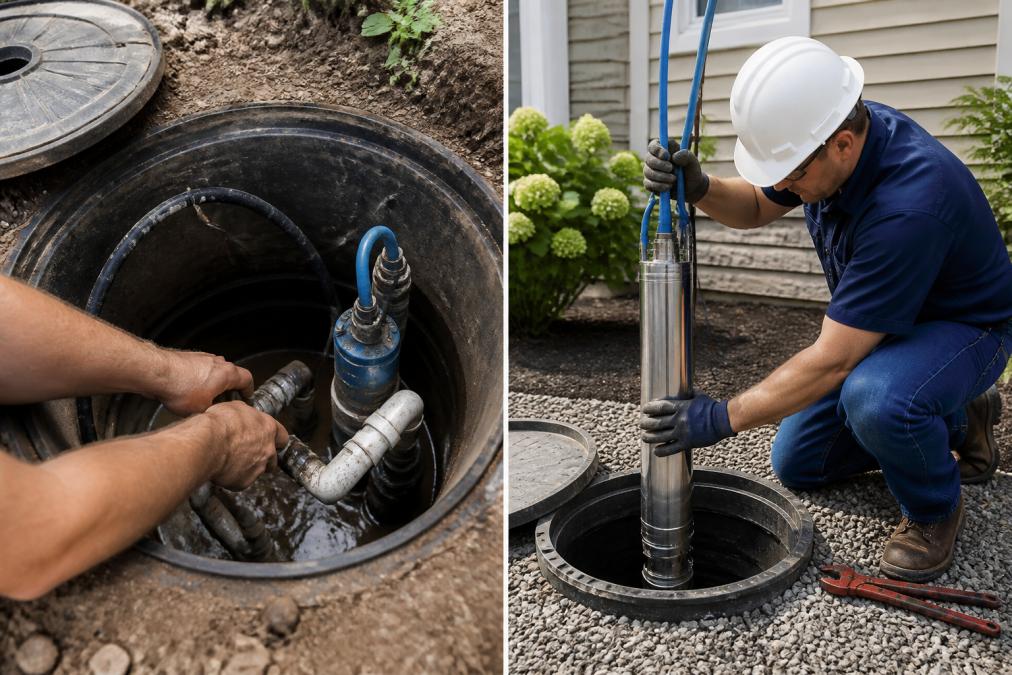
- Replacing the pump itself (requires specialized equipment and knowledge of well depth, pump type, and electrical wiring)
- Rewiring or replacing the control box
- Diagnosing electrical issues at the breaker panel
- Repairing or replacing the pressure switch
- Installing new pressure tanks
- Addressing well casing or well yield problems
- Any work involving the submersible pump motor or internal components
The boundary between DIY and professional work comes down to risk and complexity. A pressure tank adjustment gone wrong can damage your pump or create dangerously high water pressure. Electrical work on a well pump system can cause electrocution or fire. If you're uncertain whether you can safely complete a repair, err on the side of calling a professional.
At England's Plumbing & Heating, we handle the repairs that require specialized knowledge and equipment. Our technicians understand the nuances of different pump types, well depths, and electrical configurations that DIY approaches often miss.
Cost of Well Pump Replacement
Well pump replacement costs vary significantly based on factors including pump type, well depth, accessibility, and whether you need new piping or electrical work alongside the replacement. Rather than estimating a price range that might not apply to your specific situation, we recommend requesting a quote from a qualified contractor who can assess your system on-site.
The cost conversation typically centers on a few variables. A jet pump (used for shallow wells) differs in price from a submersible pump (used for deeper wells). The depth of your well affects labor time and the type of equipment needed. If your existing piping or electrical infrastructure needs updating, that adds to the total cost. Emergency service calls (nights, weekends, or holidays) may carry different pricing than scheduled appointments.
When evaluating replacement costs, consider the age of your current system. A pump that's 15-20 years old is reaching the end of its typical lifespan. Investing in replacement now prevents the emergency failure that leaves you without water and forces rushed decision-making.
Well Pump Longevity and Maintenance Schedules
A well pump's lifespan typically ranges from 15-25 years, depending on water quality, usage patterns, and maintenance consistency (ngwa.org). Hard water, high sediment content, and frequent cycling all accelerate wear. Proper maintenance can extend your pump's life toward the upper end of that range.
Establish a maintenance routine that includes annual inspections of your pressure tank, pressure switch, and visible piping. Have your water tested periodically to identify sediment or mineral buildup that might damage internal pump components. If you notice any of the warning signs mentioned earlier (pressure fluctuations, unusual noises, frequent cycling), address them promptly rather than waiting for failure.
Many homeowners don't think about their well pump until it stops working. A different approach is to plan for replacement before failure occurs. If your pump is approaching 15 years old, start budgeting for eventual replacement. This lets you schedule the work at your convenience rather than facing an emergency replacement during a winter freeze or drought.
Preventative maintenance also includes protecting your well from contamination. Ensure your well cap is secure, keep chemicals and fuel storage away from your well area, and have your well inspected by a professional if you notice changes in water quality or taste.
Emergency Water System Troubleshooting
When your water stops flowing entirely, the panic sets in. Before assuming your pump has failed completely, run through this quick troubleshooting sequence.
First, check your electrical panel. Look for a tripped breaker at your pump's circuit. If it's tripped, reset it. If it trips again immediately, stop, there's an electrical problem that requires professional diagnosis. Don't keep resetting a breaker; you risk electrical fire.
Next, check your pressure tank and gauge. If the gauge reads zero, your system has lost all pressure. This could indicate a major leak, a failed tank, or a pump that's no longer pressurizing. If the gauge shows pressure but you have no water flow, the problem may be a clogged filter, a closed valve, or a leak in your distribution lines.
Listen for pump operation. A working pump produces a distinctive sound, a hum or brief cycling noise. Silence suggests the pump isn't receiving power or has seized internally. If you hear the pump running but water isn't flowing, suspect a blockage in your lines or a failed check valve.
If you have a submersible pump and notice water pooling around your well head or a wet spot in your yard above the well, your pump may have failed and water is backing up. This is a sign you need professional service soon.
When to Call a Licensed Contractor
You need professional help when the problem involves electrical work, internal pump components, well infrastructure, or anything beyond basic filter replacement and leak inspection. Equally important: call a contractor when you're uncertain. The cost of a diagnostic visit is far less than the cost of causing additional damage through incorrect repairs.
At England's Plumbing & Heating, we serve West Grove and the surrounding Chester County area with well pump expertise developed over decades of residential service. Our team can diagnose pressure tank issues, replace failing pumps, repair electrical problems, and handle emergency water system failures. We understand the specific challenges of private well systems in this region, including water quality issues and the seasonal demands on groundwater systems.
When you call, be ready to describe your symptoms: when the problem started, what sounds or pressure changes you've noticed, and whether you've attempted any troubleshooting. This information helps our technicians arrive prepared with the right equipment and parts.
We offer online booking for your convenience, and we prioritize emergency calls to restore your water supply as quickly as possible. If you're dealing with no water pressure, unusual pump sounds, or frequent cycling that's driving up your electric bill, contact England's Plumbing & Heating for a professional assessment.
A failing well pump disrupts your entire household and forces expensive emergency repairs if you ignore the warning signs. Understanding what those signs are, knowing which repairs you can safely tackle yourself, and recognizing when professional help is necessary puts you in control of the situation rather than at the mercy of it.
England's Plumbing & Heating brings nearly four decades of experience to well pump problems. Our licensed professionals diagnose issues accurately, explain your options clearly, and perform repairs that last. Whether your pump needs adjustment, repair, or replacement, we're equipped to handle it. Book online or call to schedule your well system assessment today, don't wait for complete failure to force your hand.
Frequently Asked Questions
Q: What are the signs that a well pump is failing?
A: Common warning signs include low water pressure, air sputtering from faucets, no water output, unusual sounds from the pressure tank, and the pump cycling on and off frequently. If you notice any of these issues, have a licensed contractor inspect your well system promptly. Catching problems early can prevent a complete system failure and avoid costly emergency repairs.
Q: How much does it usually cost to replace a well pump?
A: Well pump replacement costs vary based on pump type, well depth, labor complexity, and local service rates. Submersible pumps and jet pumps have different price points, and installation difficulty affects the final bill. For an accurate estimate specific to your system, contact a licensed contractor who can assess your well on-site and provide a detailed quote.
Q: What is the average lifespan of a well pump?
A: Most residential well pumps last 8 to 15 years with proper maintenance. Factors like water quality, pump usage, system maintenance, and electrical component care all affect longevity. Regular inspections and preventative maintenance can help extend your pump's life and catch issues before they become emergencies.
Q: Can I fix a well pump myself, or do I need a professional?
A: Simple troubleshooting like checking pressure tank settings or inspecting visible connections can be DIY tasks. However, electrical work, submersible pump repairs, and control box adjustments require a licensed contractor. If your well pump has stopped working entirely or you're unsure about the problem, professional diagnosis is safer and more reliable than attempting repairs yourself.