 how-to
Emergency Plumbing Services: A How-To Guide
Table of Contents
- What Qualifies as an Emergency Plumbing Situation
- How to Shut Off Your Main Water Valve
- Recognizing the Signs of a Burst Pipe
- Immediate Actions Before Help Arrives
- Understanding Residential Plumbing Repair Costs
- When to Call Emergency Plumbing Services
- Preventing Common Plumbing Emergencies
- Frequently Asked Questions
Last Updated: August 29, 2026
What Qualifies as an Emergency Plumbing Situation
A plumbing emergency is any situation where water is actively leaking, flooding, or backing up into your home, or where a critical system failure threatens immediate water damage or health hazards. Common emergencies include burst pipes flooding your basement, sewage backing up into your home, a water heater failing in winter, main water line breaks, gas line leaks, or an overflowing toilet.
The cost of waiting is real. Within 24 hours, mold begins to grow; within 48 hours, structural damage becomes likely (the CDC). Acting fast protects your home's integrity and your family's safety.
At England's Plumbing & Heating, we provide emergency plumbing services to homeowners throughout the region.
How to Shut Off Your Main Water Valve
Knowing how to shut off your main water valve is the single most important skill a homeowner can have during a plumbing emergency. This valve controls all water entering your home and stops the flow immediately, preventing further damage.
Locating Your Main Water Shut-Off
Your main water shut-off valve is typically located where the water line enters your home from the street, usually in the basement, crawlspace, or utility room near the foundation wall. Some homes have the valve in a box buried in the front yard, marked with an "S" (for shut-off).
The valve looks like a small lever handle or round knob attached to a copper or PVC pipe. In colder climates, the shut-off is always inside to prevent freezing.
Once you locate it, mark the spot clearly. Take a photo with your phone so you can find it quickly in a crisis. Some homeowners paint the valve bright red or attach a small sign nearby.
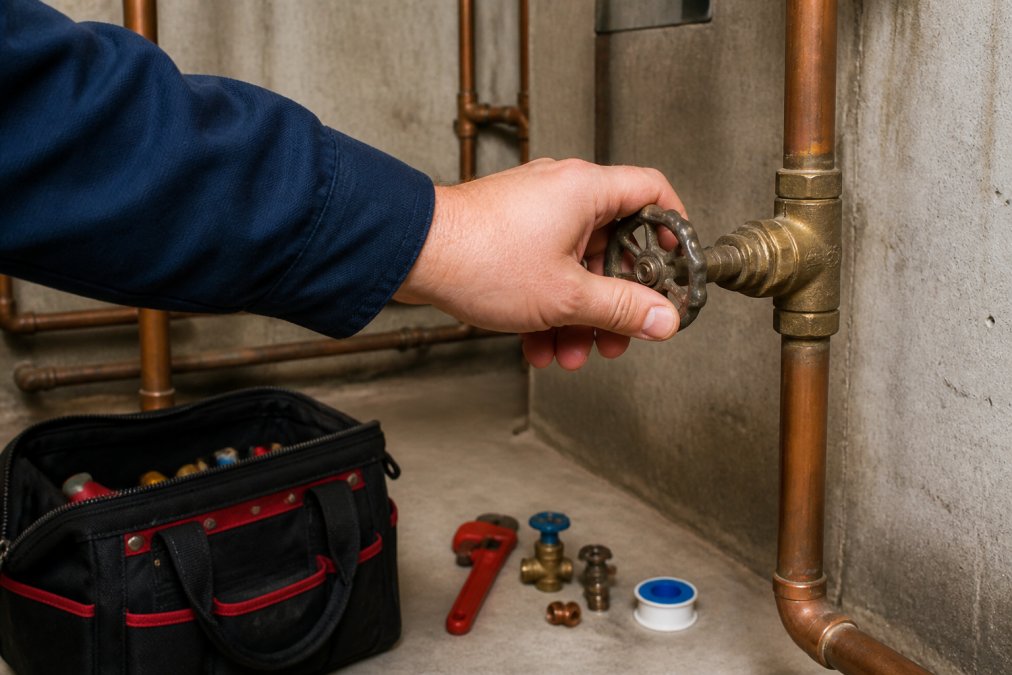
Step-by-Step Shut-Off Process
Step 1: Locate the valve. The valve sits on the main water line entering your home.
Step 2: Turn the handle clockwise. If your valve has a lever handle, turn it 90 degrees until it's perpendicular to the pipe. If it's a round knob, turn it clockwise (to the right) until it stops. Do not force it; gentle, steady pressure is sufficient.
Step 3: Test the shut-off. Go to the nearest sink and turn on the cold water. If water still flows, return to the main shut-off and ensure the handle is fully perpendicular or fully turned.
Step 4: Leave the valve in the off position. Once you've confirmed water has stopped, leave it off until the emergency is resolved.
Step 5: Call for emergency plumbing services. With the water shut off, you've bought yourself time. Contact a licensed professional immediately.
Recognizing the Signs of a Burst Pipe
A burst pipe is one of the most damaging plumbing emergencies because water flows continuously and often hides inside walls or crawlspaces. Recognizing early warning signs can mean the difference between a quick repair and catastrophic water damage.
The most obvious sign is visible water damage: discoloration on ceilings or walls, water pooling in basements, or wet spots on floors without explanation.
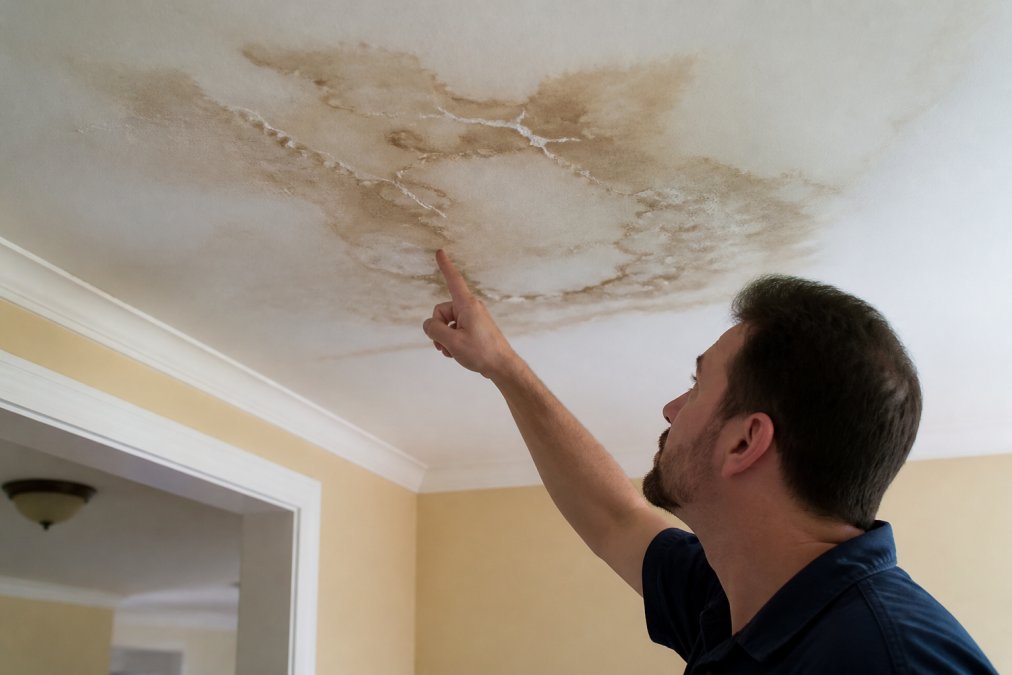
Listen for sounds of running water when all fixtures are off. A hissing sound near walls indicates water spraying from a pressurized break.
Check your water meter. Turn off all water-using appliances, then observe your meter. If it's still moving, water is leaking somewhere in your system.
Sudden spikes in your water bill are another indicator. A burst pipe can waste hundreds of gallons per day (usgs.gov). If your bill jumps dramatically without a change in usage, investigate immediately.
In cold climates, pipes in unheated areas are most vulnerable to freezing and bursting. If you experience a sudden loss of water pressure in winter, a frozen or burst pipe is likely.
Immediate Actions Before Help Arrives
Once you've identified an emergency plumbing situation, your actions in the first few minutes are critical.
Shut off the main water valve immediately. This is the single most important action. Follow the step-by-step process outlined earlier.
Turn off the water heater. For gas heaters, switch the thermostat to the pilot setting. For electric heaters, switch off the breaker.
Open faucets and drains to relieve pressure. After shutting off the main valve, open cold water faucets throughout your home and open drain plugs in low-lying areas. This releases remaining pressure and allows trapped water to drain.
Locate and document the leak. If you can safely identify where water is coming from, take photos of the damage and leak source. Do not attempt repairs yourself.
Move valuables away from the affected area. If water is pooling or actively leaking, move furniture, electronics, and personal items away from the damage zone.
Start water removal if safe. If water is pooling in your basement, use buckets, wet vacuums, or pumps to remove it. Never enter a flooded space if electrical hazards exist.
Call for emergency plumbing services immediately. Don't wait. England's Plumbing & Heating provides 24/7 emergency dispatch.
Understanding Residential Plumbing Repair Costs
Emergency service calls typically involve a service fee to have a plumber arrive and diagnose the problem. The actual repair cost depends on what's found. A simple fix like clearing a drain costs less than replacing a burst section of pipe, which requires cutting into walls or digging.
Factors that influence cost include the type of pipe (copper, PVC, or cast iron), the pipe's location (easily accessible versus hidden behind walls), the extent of damage, and whether water damage mitigation is needed. A burst pipe in a basement wall is cheaper to access than one behind a finished wall.
Emergency service premiums apply to calls made outside standard business hours.
Water damage restoration adds significant cost if mold remediation, structural drying, or flooring replacement becomes necessary. This is why acting fast and calling for help immediately is critical. Every hour of delay increases the likelihood of secondary damage.
Get a written estimate before work begins. A reputable plumber will diagnose the problem, explain what needs to be fixed, and provide a quote.
When to Call Emergency Plumbing Services
Call immediately if you experience water actively flooding into your home, sewage backing up from drains or toilets, a gas smell near your furnace or water heater, complete loss of water pressure, water heater failure in winter, or visible water damage appearing suddenly. These problems worsen with time.
England's Plumbing & Heating responds to emergency calls 24/7. When you call, describe the problem clearly: where the water is coming from, how much water is involved, and whether you've already shut off the main valve.
Have your address and contact information ready. Provide the best access point to your home if you're not home when the technician arrives.
Preventing Common Plumbing Emergencies
Many plumbing emergencies are preventable with basic maintenance and awareness.
Inspect exposed pipes regularly. Look for signs of corrosion, leaks, or damage on visible pipes in your basement or crawlspace. Pinhole leaks appear as small drips or wet spots.
Insulate pipes in unheated areas. Wrap pipes in attics, crawlspaces, and exterior walls with foam pipe insulation. During extreme cold, let faucets drip slightly to keep water moving.
Know your water pressure. High water pressure stresses pipes and fixtures (the EPA). If your water pressure feels unusually strong, have it tested. Pressure regulators can reduce excessive pressure.
Maintain your water heater. Drain and flush your water heater annually to remove sediment buildup. This extends its lifespan and improves efficiency.
Keep drains clear. Use drain screens to catch hair and debris. Avoid pouring grease down drains. Regular drain cleaning prevents backups.
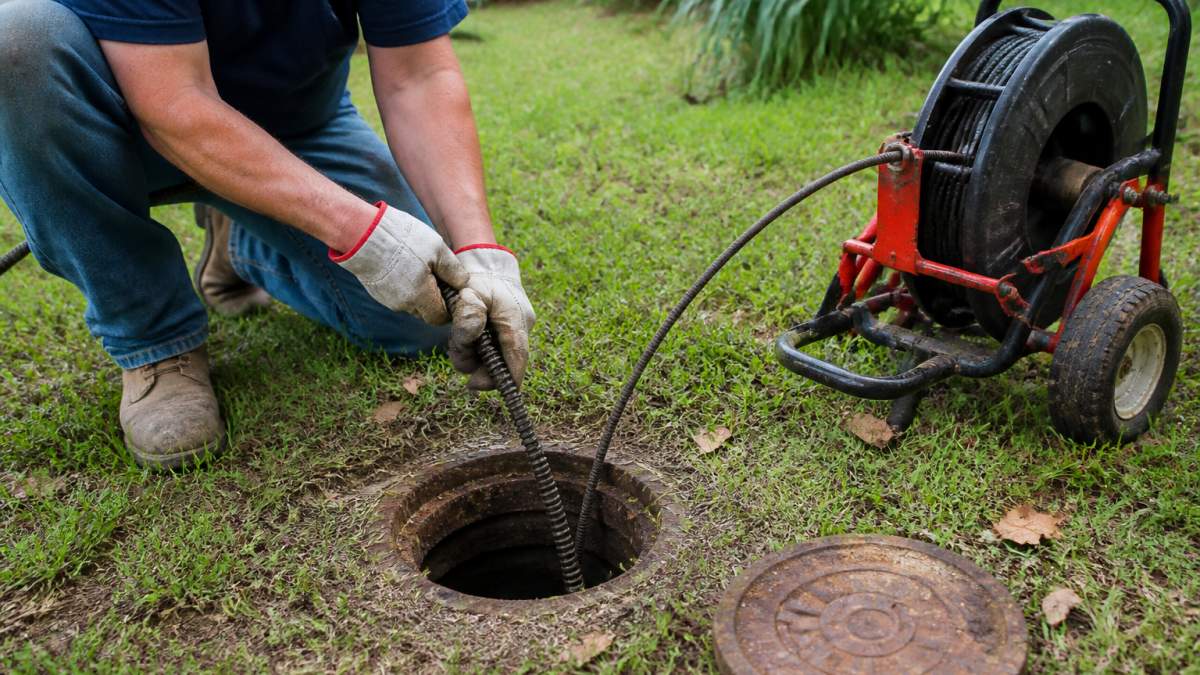
Have your sewer line inspected. If your home is older or you've had recurring drain issues, have a professional inspect your sewer line with a camera. Tree roots and cracks worsen over time.
Address small leaks immediately. A slow drip or running toilet indicates wear that will worsen. Fix them promptly to prevent emergencies later.
Know your home's plumbing layout. Understand where your main water shut-off is, where your water heater is located, and where your sewer clean-out is. Mark these locations clearly.
Plumbing emergencies are stressful, but they're manageable when you know what to do. Shut off your main water immediately, call for professional help without delay, and document the damage. England's Plumbing & Heating is available 24/7 to respond to emergency plumbing services in your area. Our licensed professionals arrive quickly, diagnose the problem accurately, and resolve it with minimal additional damage to your home. Book online or call now to reach our emergency dispatch team.
| Action | Timeline | Priority |
|---|---|---|
| Shut off main water valve | Immediately | Critical |
| Turn off water heater | Within 2 minutes | Critical |
| Call emergency plumbing services | Within 5 minutes | Critical |
| Open faucets to relieve pressure | Within 5 minutes | High |
| Move valuables from affected area | Within 10 minutes | High |
| Document damage with photos | Within 15 minutes | Medium |
| Begin water removal if safe | Within 30 minutes | Medium |
Frequently Asked Questions
What qualifies as a plumbing emergency that requires immediate service?
A plumbing emergency includes burst pipes, major leaks, no water supply, sewer backups, gas line issues, water heater failures, and frozen pipes. These situations can cause water damage, safety hazards, or loss of essential services. If water is actively flooding your home, you smell gas near plumbing fixtures, or sewage is backing up, call emergency plumbing services immediately. A prompt response is critical to prevent property damage and health risks.
How do I shut off my main water valve during a plumbing emergency?
Locate your main water shut-off valve, typically in the basement, crawlspace, or near the foundation. Turn the valve handle clockwise until it stops, a quarter-turn ball valve closes faster than a traditional gate valve. Know this location before an emergency occurs. If you cannot locate or operate your shut-off, call emergency plumbing services to identify it and show you how.
What are the signs of a burst pipe I should watch for?
Signs of a burst pipe include visible water stains or discoloration on ceilings, walls, or floors; reduced water pressure; unexplained puddles in your yard or basement; mold or mildew growth; hissing or dripping sounds; and a sudden spike in your water bill. In winter, frozen pipes may burst. If you notice any of these signs, turn off your main water valve and contact emergency plumbing services to prevent further water damage and structural issues.
What should I expect to pay for emergency plumbing repair services?
Emergency plumbing repair costs depend on the type and severity of the problem, your location, and the time of service. Many providers charge a service call fee to diagnose the issue, then quote labor and materials separately. Pricing varies, so contact local providers for upfront estimates. Ask about their pricing model, some charge flat rates by job, while others bill hourly. Get a quote before choosing a provider to ensure fair pricing for your specific emergency.