 how-to
Emergency Boiler Repair Services Near You: What to Do
Table of Contents
- Is This a Boiler Emergency? Signs You Need Immediate Help
- Immediate Steps to Take During a Boiler Failure
- How to Reset a Boiler Safely Before You Call
- What to Expect From Emergency Boiler Repair Services
- Understanding the Cost of Emergency Boiler Repair
- Why Choose England's Plumbing & Heating for Boiler Emergencies
- Conclusion: Get Your Heating Back On Track
- Frequently Asked Questions
Last Updated: September 5, 2026
Is This a Boiler Emergency? Signs You Need Immediate Help
A boiler emergency is any situation where your heating system has failed, is leaking, or poses a safety risk, and it requires immediate attention from professional emergency boiler repair services near you. The most critical distinction is safety: a minor thermostat issue can wait until morning, but a suspected gas leak, visible smoke, or the smell of burning wires cannot. When you search for emergency boiler repair services near your home, you need to know exactly which symptoms justify that call.
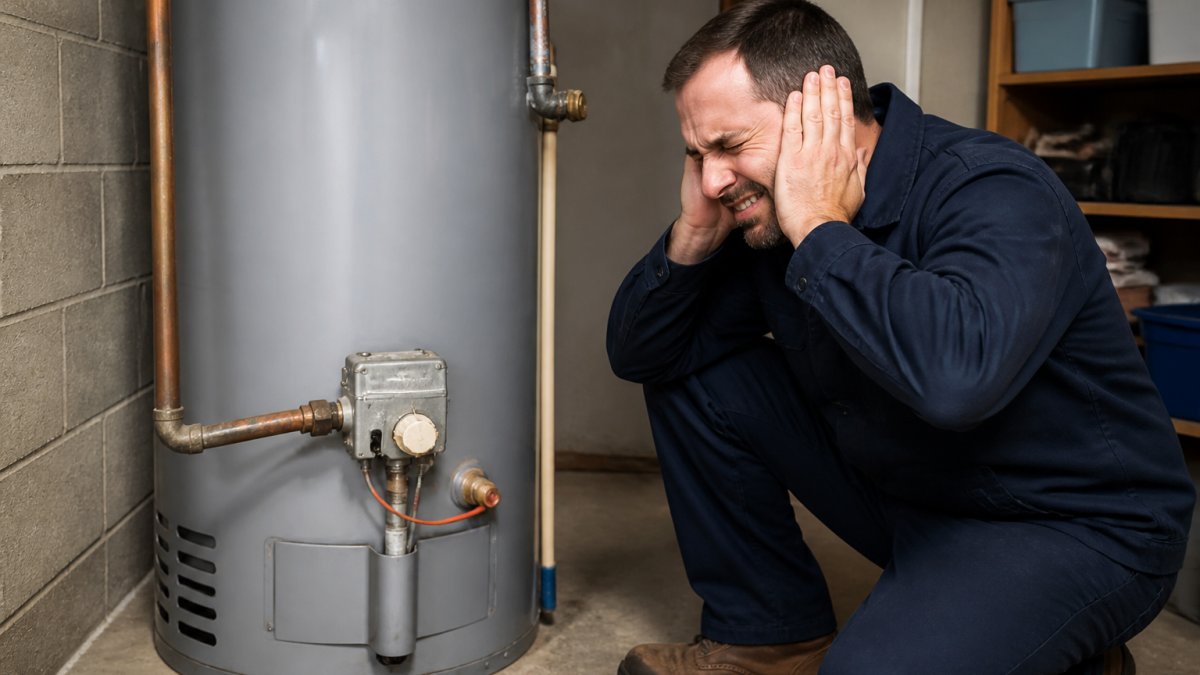
The clearest signs of boiler failure include a complete loss of heat, strange banging or whistling noises from the unit, water pooling around the base, and a pressure gauge reading that has dropped to zero or spiked into the red zone. A pilot light that frequently extinguishes or burns yellow instead of blue also signals combustion problems. Perhaps most concerning is any odor of gas, which indicates a leak that demands you leave the house and contact your gas utility before any repair service.
Immediate Steps to Take During a Boiler Failure
When your heating system stops working on a freezing night, panic is the enemy of clear thinking. Before you dial for emergency boiler repair services near you, run through this three-step checklist. It will save you time, money, and potentially an unnecessary service call.
Step 1: Confirm the Obvious
Your first move is to verify the basics that are easy to overlook in a rush. Check that the thermostat is set to 'Heat' and the temperature is set higher than the current room temperature. Next, locate the boiler's power switch, it is often a wall switch that looks like a standard light switch, and confirm it is in the 'On' position. Finally, check the gas shut-off valve on the line feeding the boiler. The handle should be parallel to the pipe, not perpendicular. A perpendicular handle means the gas is off, which can happen if someone accidentally bumped it.
Step 2: Inspect the Pressure Gauge
Most residential boilers have a pressure gauge on the front panel. A healthy, cold system should read between 12 and 15 psi (energy.gov). If the gauge reads below 10 psi, the system has lost water, likely due to a small leak. You can safely repressurize it by opening the filling loop valve, a small lever or valve on the water supply line, until the gauge hits 15 psi. If the pressure drops again within a day, you have a leak that needs a professional. If the gauge reads above 25 psi, the system is over-pressurized, which can cause the pressure relief valve to discharge water (iapmo.org). Do not attempt to bleed radiators in this state; call a technician.
Step 3: Attempt a Single Reset
If the basics check out and the boiler is showing a fault code or a red light, try a single reset. Press and hold the reset button for three to five seconds. If the boiler fires up, the issue was likely a temporary fault like a flame failure or an air lock. If it shuts down again within a few minutes, do not keep resetting it. Repeated resets can flood the combustion chamber. This pattern points to a deeper issue, such as a failing thermocouple or a blocked vent, which requires a professional diagnosis.
If these three steps do not restore heat, turn off the boiler using its emergency shutoff switch. This prevents further damage to components like the heat exchanger or circulator pump while you wait for help. Then, call a licensed technician who offers same-day service.
While you wait, focus on preventing secondary damage. Open cabinet doors under sinks to let warm air circulate and prevent pipes from freezing. Drip cold-water faucets at a slow trickle to keep water moving through the pipes. Use space heaters in the rooms you occupy most, but never leave them unattended or plug them into extension cords. If you have a fireplace, use it as a supplemental heat source, but ensure the flue is open and the area is clear of flammable materials.
This pre-call checklist is designed to give you control over the situation. Most practitioners find that a significant percentage of emergency calls are resolved by these simple steps, saving homeowners the cost of a service visit and the wait time for a technician.
How to Reset a Boiler Safely Before You Call
Resetting a boiler is a safe, simple task when you follow the correct sequence, and it resolves many common boiler problems without needing a service visit. Most modern boilers have a red reset button on the control panel that you press and hold for three to five seconds. If the boiler fires up, the issue was likely a temporary fault like a flame failure or an air lock in the system.
Before pressing reset, confirm the boiler has adequate water pressure by checking the gauge. A pressure reading below 10 psi means the system needs repressurizing first, which you do by opening the filling loop valve until the gauge reaches about 15 psi. Attempting a reset with low pressure will simply trigger the same fault again.
If the boiler resets but shuts down again within a few minutes, stop trying. Repeated resets can flood the combustion chamber or damage the ignition system. This pattern points to a deeper issue, such as a failing thermocouple, a blocked vent, or a faulty gas valve, all of which require a professional diagnosis.
| Problem | Safe DIY Step | When to Call a Pro |
|---|---|---|
| No heat, no error code | Check thermostat, power switch, gas valve | After basic checks fail |
| Low pressure (below 10 psi) | Open filling loop to reach 12-15 psi | Pressure drops again within days |
| Pilot light out | Follow relight instructions on the unit | Flame burns yellow or won't stay lit |
| Reset button needed | Press and hold 3-5 seconds once | Boiler shuts down again after reset |
What to Expect From Emergency Boiler Repair Services
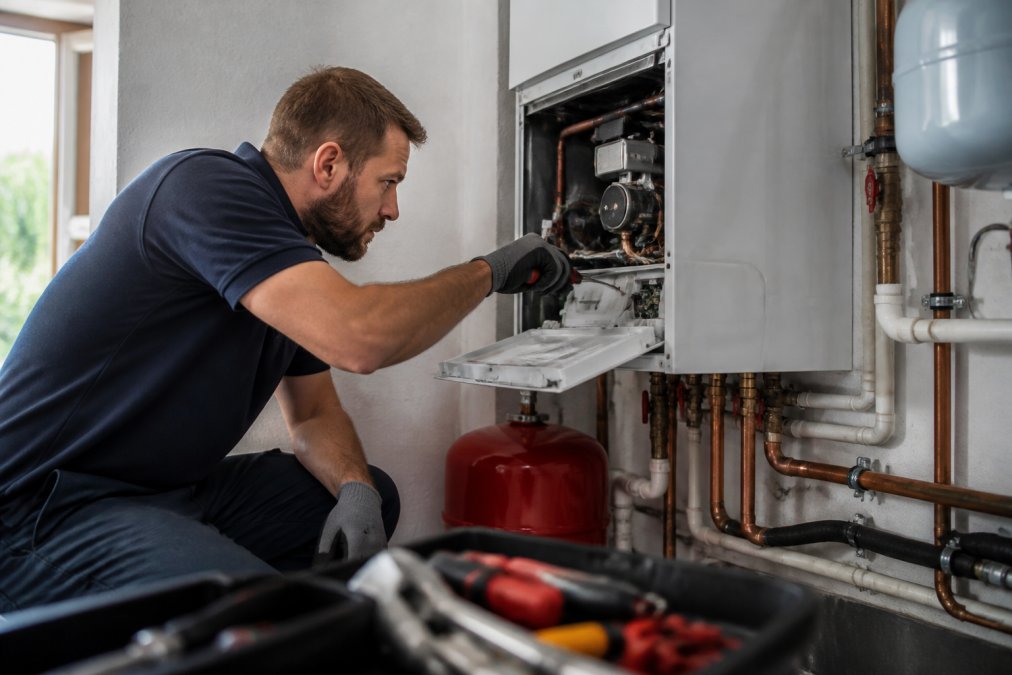
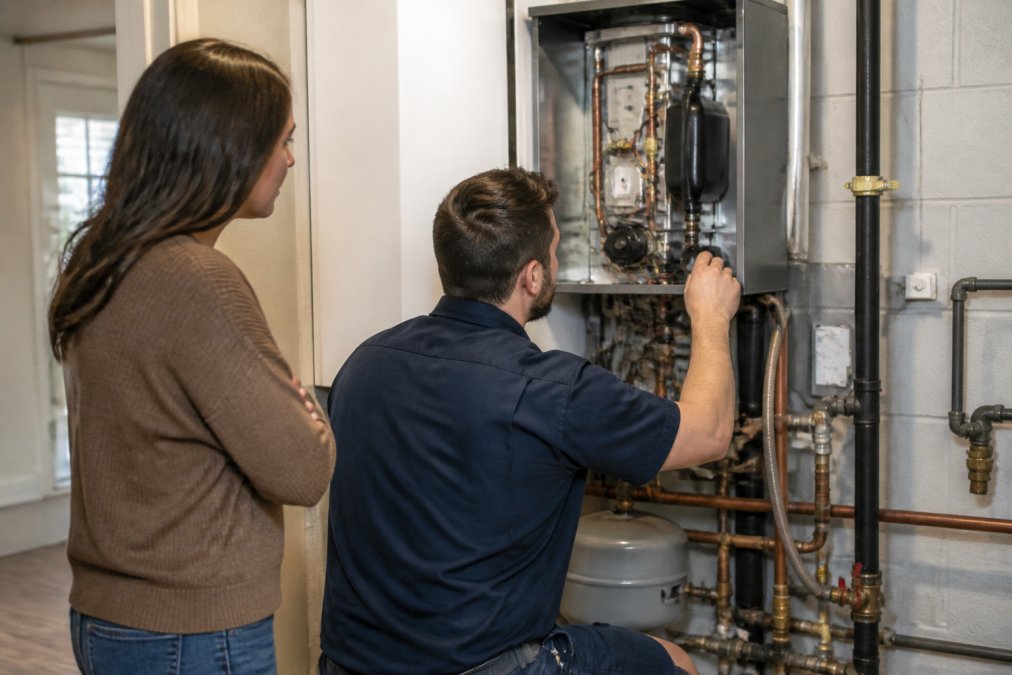
Professional emergency boiler repair services arrive with a clear process: assess the system, diagnose the fault, explain your options, and get your heat restored as quickly as possible. A reputable company will send a licensed technician who carries common replacement parts for major boiler brands, which means many repairs are completed in a single visit.
The technician will begin by inspecting the boiler's safety controls, checking the venting system for blockages, and testing carbon monoxide levels around the unit. Carbon monoxide is a colorless, odorless gas produced by incomplete combustion, and a properly functioning boiler should produce none in your living space. If the technician detects any, they will shut the system down immediately.
Before any work begins, the technician should provide a clear explanation of the problem and a service estimate. Ask about the specific part that failed, why it failed, and whether a repair or a boiler replacement makes more financial sense given the unit's age. A boiler older than 15 years with a failing heat exchanger is often better replaced than repaired.
Understanding the Cost of Emergency Boiler Repair
The cost of emergency boiler repair services near you is a top concern for homeowners, especially when the call happens at 2 AM. Unlike standard business hours, emergency calls typically carry a premium. Pricing depends on the specific fault and the parts required. For current prices or a quote, contact England's Plumbing & Heating.
A key factor that influences the final bill is the time of day. Most providers charge a higher rate for nights, weekends, and holidays. When you call, ask for the exact emergency rate and confirm whether the diagnostic fee is applied to the repair cost.
Another cost driver is the boiler's age. If your unit is over 15 years old and the repair estimate exceeds 50% of the cost of a new boiler, most practitioners recommend a replacement. This is because older systems often have cascading failures, and a single emergency repair might not address the underlying wear on other components. A technician should always provide a repair-versus-replace analysis, including the projected lifespan of the current unit, so you can make an informed financial decision rather than a panicked one.
Why Choose England's Plumbing & Heating for Boiler Emergencies
When your heating fails, you want a team that has seen every boiler problem a Chester County winter can throw at it. England's Plumbing & Heating has served West Grove and the surrounding Chester County area since 1989, giving us nearly four decades of experience with residential heating systems, hydronic heating, and hot water systems. That history matters when you need a fast, correct diagnosis the first time.
Our technicians handle the full scope of boiler issues, from emergency repairs and annual tune-ups to complete boiler replacement and professional installation. We also provide gas piping services, which matters when the problem traces back to the gas supply line rather than the boiler itself. Because we are a local company, we understand the specific heating demands of older Pennsylvania homes and the private well systems common in rural Chester County.
Booking is straightforward through our online system, which lets you schedule a service window that fits your day. We also offer live chat support if you have questions before you book. When you call, you speak with a local team member who knows the area and can estimate arrival time honestly.
Conclusion: Get Your Heating Back On Track
A boiler failure in the middle of winter is stressful, but you do not have to face it alone. Knowing the signs of boiler failure, taking safe immediate steps, and understanding when to attempt a reset versus calling for help puts you in control of the situation. The right emergency boiler repair services near you will restore your heat quickly and explain what went wrong so you can prevent it from happening again.
When you need a team with decades of local experience, England's Plumbing & Heating is ready to help. We combine responsive emergency service with honest diagnostics, whether your system needs a simple repair, a safety inspection, or a full replacement. Book online today and get your home back to comfortable.
Frequently Asked Questions
What qualifies as a boiler emergency?
A boiler emergency includes any situation that poses a safety risk, such as a suspected gas leak, signs of carbon monoxide exposure, burning smells, or significant water leakage. It also includes a complete system failure during freezing weather that puts your pipes at risk. If you smell gas, leave your home immediately and contact your gas company. For other urgent issues, shut down your boiler and call a licensed emergency boiler repair service right away.
How much does it cost for emergency boiler repair?
The cost of emergency boiler repair varies depending on the issue, the time of day, and the parts needed. Emergency service calls typically cost more than standard appointments due to after-hours availability. The final price also depends on whether a simple part replacement or a more complex repair is required. Contact England's Plumbing & Heating for a clear service estimate before work begins.
Do you call a plumber to fix a boiler?
Yes, a licensed plumber can often fix a boiler, but you should specifically look for one with heating system expertise. Boilers are complex pieces of equipment that involve gas lines, water pressure systems, and venting. A technician experienced in boiler repair will understand how to safely diagnose and fix issues like a faulty circulator pump, heat exchanger problems, or pilot light failures.
How can I tell if my boiler needs immediate professional attention?
Key signs that your boiler needs immediate attention include strange noises like banging or whistling, no heat or hot water, a visible water leak, a pilot light that keeps going out, or a pressure gauge reading outside the normal range. If you notice any of these signs of boiler failure, turn off the system and call a professional to prevent further damage or a complete system failure.
Frequently Asked Questions
Q: What qualifies as a boiler emergency?
A: A boiler emergency includes any situation that poses a safety risk, such as a suspected gas leak, signs of carbon monoxide exposure, burning smells, or significant water leakage. It also includes a complete system failure during freezing weather that puts your pipes at risk. If you smell gas, leave your home immediately and contact your gas company. For other urgent issues, shut down your boiler and call a licensed emergency boiler repair service right away.
Q: How much does it cost for emergency boiler repair?
A: The cost of emergency boiler repair varies depending on the issue, the time of day, and the parts needed. Emergency service calls typically cost more than standard appointments due to after-hours availability. The final price also depends on whether a simple part replacement or a more complex repair is required. Contact England's Plumbing & Heating for a clear service estimate before work begins.
Q: Do you call a plumber to fix a boiler?
A: Yes, a licensed plumber can often fix a boiler, but you should specifically look for one with heating system expertise. Boilers are complex pieces of equipment that involve gas lines, water pressure systems, and venting. A technician experienced in boiler repair will understand how to safely diagnose and fix issues like a faulty circulator pump, heat exchanger problems, or pilot light failures.
Q: How can I tell if my boiler needs immediate professional attention?
A: Key signs that your boiler needs immediate attention include strange noises like banging or whistling, no heat or hot water, a visible water leak, a pilot light that keeps going out, or a pressure gauge reading outside the normal range. If you notice any of these signs of boiler failure, turn off the system and call a professional to prevent further damage or a complete system failure.