 how-to
Gas Furnace Hissing: Causes & When to Call a Pro
Table of Contents
- What Causes a Hissing Sound Near Your Gas Furnace
- Is Gas Line Hissing Dangerous
- Signs of a Natural Gas Leak in Your House
- Step-by-Step Diagnostic Checklist
- Emergency Gas Shut Off Procedure
- DIY vs. Professional Repair: When to Call an HVAC Technician
- Preventive Maintenance to Avoid Future Hissing
- Frequently Asked Questions
Last Updated: August 25, 2026
What Causes a Hissing Sound Near Your Gas Furnace
A hissing sound near gas furnace systems typically signals a mechanical or safety issue requiring attention. Hissing originates from pressurized gas, air, or steam escaping through gaps, cracks, or loose connections. The location and character of the hissing matter enormously, a faint hiss from ductwork differs significantly from a loud hiss near the gas valve or combustion chamber.
Hissing vs. Whistling: Know the Difference
Hissing is a continuous, sibilant sound like air escaping from a tire. Whistling is a higher-pitched, musical tone. This distinction matters because they point to different problems. Hissing typically means air or gas is escaping through a small opening; whistling usually indicates air forced through a restricted passage like a clogged air filter.
Pay attention to when the sound occurs, during heating cycles, continuously, or only at startup. This timing helps an HVAC technician narrow down the cause quickly.
Common Sources of Hissing Noises
Clogged air filters force air to escape around the filter housing rather than through it, creating characteristic hissing. Ductwork leaks and gaps develop over time as connections loosen and seams separate; pressurized air escaping from these breaches produces noticeable hissing near the furnace.
Gas piping issues also produce hissing. Loose connections, cracked fittings, or unseated valves allow natural gas to escape. Moisture buildup in high-efficiency furnaces can cause hissing as condensate turns to steam and escapes. Thermal expansion and contraction of metal components can produce hissing when connections are loose or poorly fitted.
Is Gas Line Hissing Dangerous
Yes. A gas furnace hissing sound originating from the gas line or combustion chamber should always be treated as potentially dangerous. Natural gas is odorless and colorless; utility companies add an odorant (rotten egg smell) to make leaks detectable (cpsc.gov). Escaping natural gas accumulates in your home and creates a fire and explosion hazard. Additionally, problems in the combustion chamber can lead to incomplete combustion, producing carbon monoxide, a deadly, odorless gas.
When Hissing Signals a Safety Hazard
If you smell rotten egg odor along with hissing, evacuate immediately and call your gas company's emergency line. Do not use electrical switches or lighters. If the hissing is loud and persistent, treat it as a potential gas leak. If accompanied by a yellow or orange flame (instead of normal blue), combustion is incomplete and carbon monoxide is being produced, shut off the furnace immediately and call for professional help.
A hissing sound that started suddenly after furnace service or after a loud bang or pop is concerning. Have it inspected within hours, not days.
Carbon Monoxide and Combustion Chamber Issues
The combustion chamber is where natural gas burns to create heat. If something goes wrong, a cracked heat exchanger, blocked flue, or improper gas pressure, combustion becomes incomplete and produces carbon monoxide. Carbon monoxide poisoning causes headaches, dizziness, nausea, and confusion; at high concentrations, it's fatal.
If your furnace produces hissing and your carbon monoxide detector alarms, evacuate your home, call 911, then call your gas company.
Signs of a Natural Gas Leak in Your House
Beyond hissing, the rotten egg smell is the most obvious indicator of a natural gas leak. Look for dead patches of grass or plants near your gas line, natural gas kills vegetation by displacing oxygen. Bubbles in water around your gas meter also indicate escaping gas.
Red Flags Beyond Hissing Sounds
A sudden increase in your gas bill without changed usage suggests a leak. If your bill jumped 20-30 percent, call for an inspection. Hissing combined with dizziness, headache, or nausea, especially if multiple people experience these symptoms simultaneously, raises the possibility of carbon monoxide, get everyone outside into fresh air immediately and call 911.
If the pilot light goes out repeatedly while you hear hissing, gas pressure may be dropping due to a leak. A burning smell or scorch marks around the furnace indicate heat damage, possibly from escaping gas igniting, this requires emergency response.
Step-by-Step Diagnostic Checklist
Before calling for professional help, perform basic diagnostics to narrow down the hissing source.
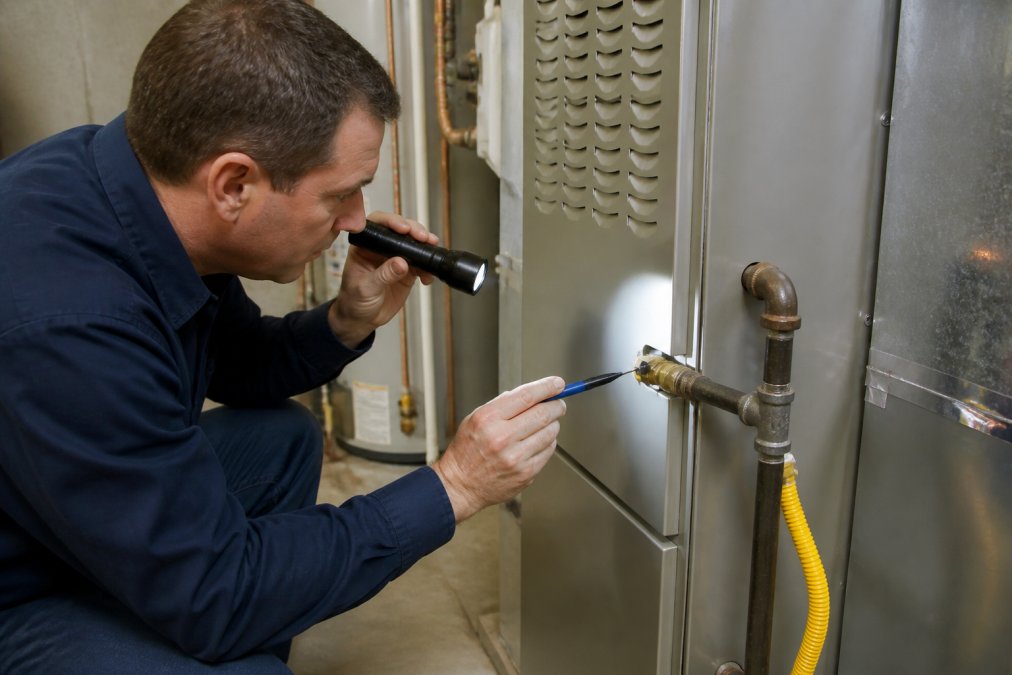
Step 1: Identify the Exact Location and Type of Sound
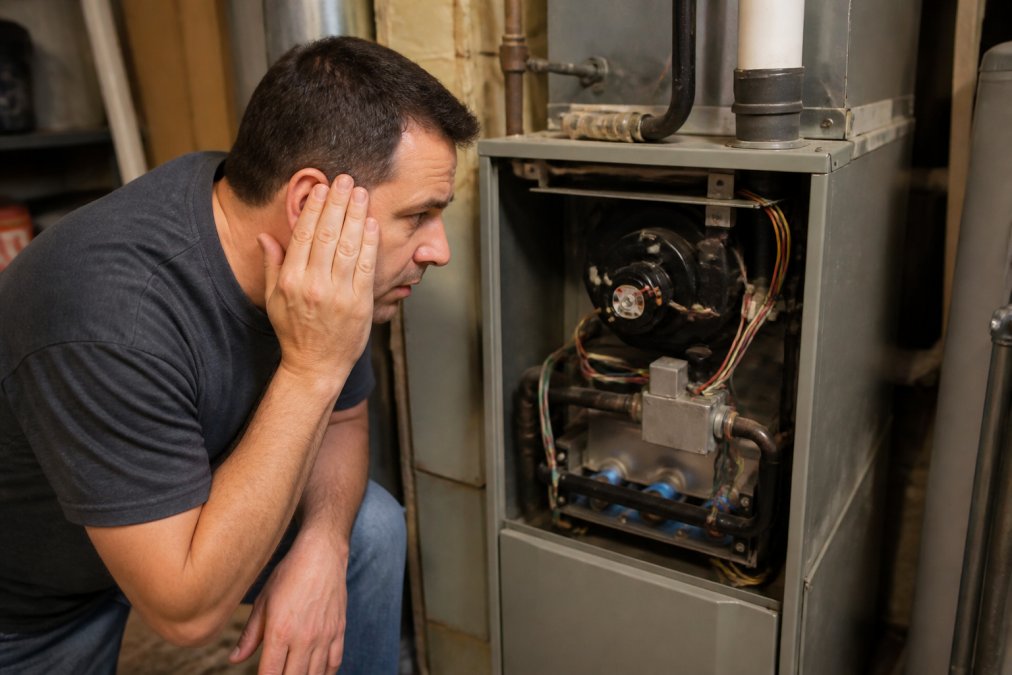
Pinpoint where the hissing originates by walking around your furnace slowly and listening carefully. Use a stethoscope or garden hose held to your ear to amplify and localize the sound. Note whether hissing is constant or intermittent, correlates with blower cycles, and whether it occurs only when the furnace runs or continuously.
Determine the character: a fine, steady hiss suggests a simple leak; a crackling hiss might indicate moisture or combustion issues; a pulsing hiss suggests ductwork problems.
Step 2: Check for Visible Damage or Leaks
Inspect gas piping connections, they should be tight with no visible cracks, corrosion, or gaps. Frost or ice buildup on a gas pipe during cold weather indicates a leak. Check all visible ductwork connections near the furnace; they should be sealed with duct tape or mastic sealant. Inspect the furnace cabinet for cracks, loose panels, or heat damage. If you spot damage, call a professional immediately.
Step 3: Inspect Air Filters and Ductwork
Locate your furnace's air filter and remove it. If you can't see light through it, it's clogged. Replace it with one of the same size and MERV rating. A clogged filter often solves hissing problems immediately. Check your filter monthly during heating season and replace it every 1-3 months.
Inspect the filter housing for gaps or loose seals. The filter should fit snugly with no air bypassing it.
Step 4: Look for Moisture Buildup or Condensate Drain Issues
High-efficiency furnaces produce condensate that drains through a small PVC pipe. If this drain becomes clogged, water backs up inside the furnace and hissing occurs as moisture turns to steam. Locate the condensate drain line and check for blockages, kinks, or standing water. You may clear a visible blockage with a wet/dry vacuum or warm water flush. If the blockage is deep inside the furnace, call a professional.
Look inside the furnace cabinet for moisture, rust stains, water pooling, or corrosion. Significant moisture requires professional inspection and repair.
Emergency Gas Shut Off Procedure
Knowing how to shut off your gas supply is essential if you suspect a serious leak or safety issue.
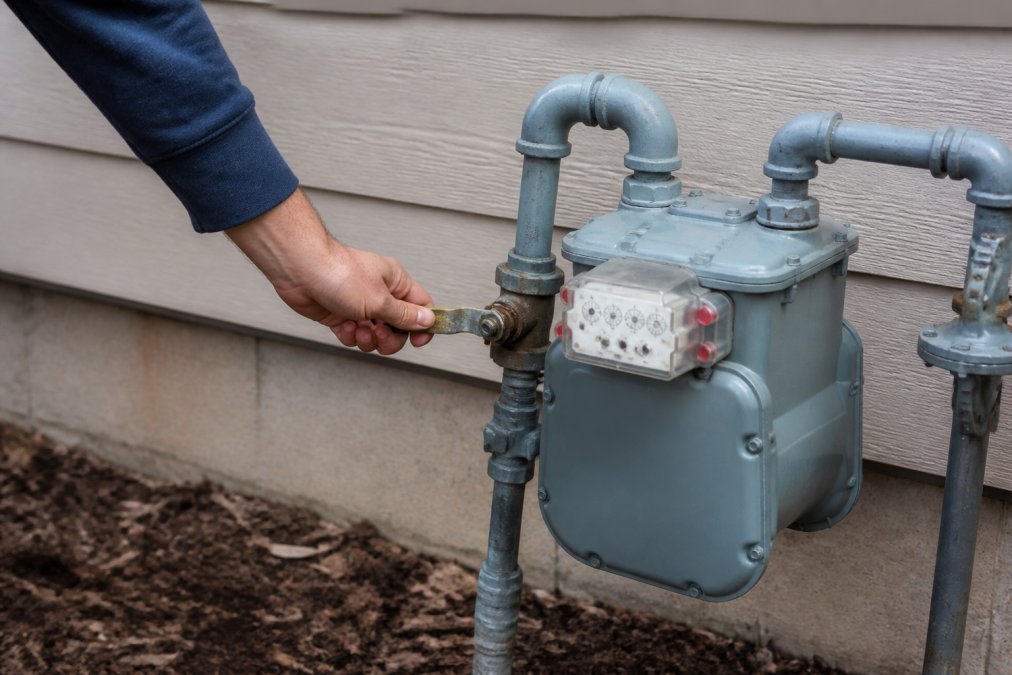
When to Shut Off Gas Immediately
Shut off gas immediately if you smell rotten egg odor, hear loud hissing with that smell, see flames or fire near the furnace, your carbon monoxide detector alarms, or you suspect carbon monoxide poisoning. Also shut off gas if you notice a yellow or orange flame instead of blue, see visible cracks in gas piping, or hear a loud bang or pop followed by hissing.
How to Locate and Operate Your Gas Supply Valve
Your gas meter is typically on your home's exterior, usually on the side or back. The shut-off valve is attached to the gas line from the meter. Most residential valves are lever-style. Turn the lever perpendicular to the gas line, the lever points in the direction of gas flow when open. A quarter turn stops the flow. If you have a knob-style valve, turn it clockwise until it stops.
Some homes have a shut-off valve inside where the gas line enters. If you can't locate or operate the outdoor valve, try the indoor one.
What to Do After Shutting Off Gas
Do not turn the gas back on yourself. Call your gas company's emergency line and report the situation. They will send a technician to inspect the system, locate the problem, and safely restore service. If you smell gas, evacuate and call from outside or a neighbor's phone.
If you've evacuated due to suspected carbon monoxide, do not re-enter until emergency responders clear the home.
DIY vs. Professional Repair: When to Call an HVAC Technician
Some furnace issues are straightforward for homeowners; others require specialized tools, training, and licensing.
Issues You Can Safely Address Yourself
Replacing a clogged air filter is the safest DIY task. Turn off the furnace, locate the filter, and insert a new one of the same size and MERV rating. Clearing a blocked condensate drain is manageable if the blockage is in the visible, external portion, use a wet/dry vacuum or flush gently with warm water. Tightening visible ductwork connections with duct tape or mastic sealant can help if you see obvious gaps. Clearing debris around your furnace is safe and improves airflow.
When Professional Help Is Essential
Do not attempt to repair gas piping, gas valves, or connections yourself. Do not open the furnace cabinet or repair internal components. If you suspect a gas leak, carbon monoxide issue, or any combustion problem, call a professional immediately. If hissing persists after replacing the air filter and sealing obvious ductwork gaps, professional diagnosis is necessary.
England's Plumbing & Heating brings decades of Chester County experience to these calls. Our technicians diagnose hissing sounds quickly and safely with specialized equipment. If you're uncertain whether a problem is DIY-safe, call for professional assessment.
Preventive Maintenance to Avoid Future Hissing
Replace your air filter every 1-3 months during heating season. Have your furnace professionally inspected and serviced annually, ideally before heating season begins. A technician will check gas pressure, inspect connections, test the combustion process, and verify that carbon monoxide isn't being produced.
Inspect your ductwork visually once a year and seal any gaps with mastic sealant or duct tape. Keep the area around your furnace clean and clear. Check your carbon monoxide detector monthly, replace batteries annually, and replace the entire detector every 5-7 years.
If you live in an older home, consider having your gas piping inspected professionally. According to the U.S. Consumer Product Safety Commission, regular furnace maintenance reduces carbon monoxide poisoning risk and extends equipment life. The American Gas Association safety guidelines recommend annual professional inspections for all gas furnaces.
A hissing sound near your gas furnace signals that something requires attention. Most causes are manageable, but some demand immediate professional response. England's Plumbing & Heating has served Chester County homeowners since 1989. If you've identified hissing and completed diagnostic steps without resolving it, or if you suspect a gas leak or carbon monoxide issue, book online or call us for immediate professional assessment. Our experienced technicians will diagnose the problem safely and restore your furnace to reliable operation.
Frequently Asked Questions
Why does my furnace make a hissing noise?
Hissing near a gas furnace typically comes from air escaping through ductwork leaks, a clogged or dirty air filter restricting airflow, or pressure issues in the gas piping. Less commonly, it signals a gas leak or thermal expansion of metal components as the furnace heats up. The location and timing of the sound help pinpoint the cause. If hissing occurs only during heating cycles, it's often airflow-related. If it's constant, a gas leak is more likely and requires immediate professional attention.
Is a hissing sound from a gas furnace an emergency?
Not always, but it depends on the source. Hissing from a clogged air filter or ductwork is a maintenance issue, not an emergency. However, hissing accompanied by a rotten egg smell, visible corrosion on gas piping, or a foul odor near the furnace indicates a potential natural gas leak and requires you to shut off gas immediately and call a professional HVAC technician. When in doubt, treat it as a safety concern and have it inspected before operating the furnace again.
How do I know if there's a natural gas leak near my furnace?
A natural gas leak produces several warning signs beyond hissing: a rotten egg or sulfur-like odor (utilities add this smell to detect leaks), visible corrosion or damage on gas piping, a hissing or whistling sound from the gas supply line, or a pilot light that won't stay lit. If you detect any of these signs, leave the area, shut off the gas supply valve, and call your gas utility or a licensed HVAC technician immediately. Do not ignore these warnings.
What should I do if I suspect a gas leak near my furnace?
First, shut off your gas supply at the main valve if you can do so safely. Turn the valve handle perpendicular to the gas piping to stop the flow. Open windows and doors to ventilate your home, then leave the house immediately. Call your gas utility's emergency line or a licensed HVAC technician from outside your home. Do not use electrical switches, lighters, or anything that could create a spark. Do not re-enter until a professional confirms the system is safe. Never attempt to repair gas piping yourself.