 how-to
How to Fix Sulfur Smell in Water: A Step-by-Step Guide
Table of Contents
- What Causes Sulfur Smell in Water
- Rotten Egg Smell in Hot Water Only: Pinpointing the Source
- How to Test Well Water for Sulfur
- Treatment Options for Sulfur Smell in Water
- Shock Chlorination for Wells: A Proven Treatment Method
- Maintenance and Prevention
- Frequently Asked Questions
Last Updated: September 3, 2026
What Causes Sulfur Smell in Water
A rotten egg odor coming from your water is unmistakable. That distinctive smell indicates the presence of hydrogen sulfide gas or sulfur bacteria in your water supply. Understanding the root cause is the first step toward fixing the problem.
Sulfur smell in water typically originates from one of two sources: hydrogen sulfide gas naturally present in groundwater, or sulfur-reducing bacteria that produce hydrogen sulfide as a byproduct of their metabolic processes. Both create the same unpleasant odor, but they require different treatment approaches.
Hydrogen Sulfide and Sulfur Bacteria
Hydrogen sulfide is a colorless gas that dissolves in water and produces that characteristic rotten egg smell. It occurs naturally in many well water systems, particularly in areas with certain geological formations. Hydrogen sulfide can be present in both hot and cold water, though it's more noticeable in hot water because heat causes the gas to release more readily.
Sulfur bacteria (sulfate-reducing bacteria) are microorganisms that thrive in low-oxygen environments like deep wells and septic systems. These bacteria consume sulfates in the water and produce hydrogen sulfide as a waste product. The bacteria themselves aren't harmful, but the hydrogen sulfide they generate creates the odor and can corrode plumbing fixtures over time.
The key difference: hydrogen sulfide comes from the groundwater itself, while sulfur bacteria actively generate hydrogen sulfide within your plumbing system. Identifying which you're dealing with determines your treatment strategy.
Water Heater Issues
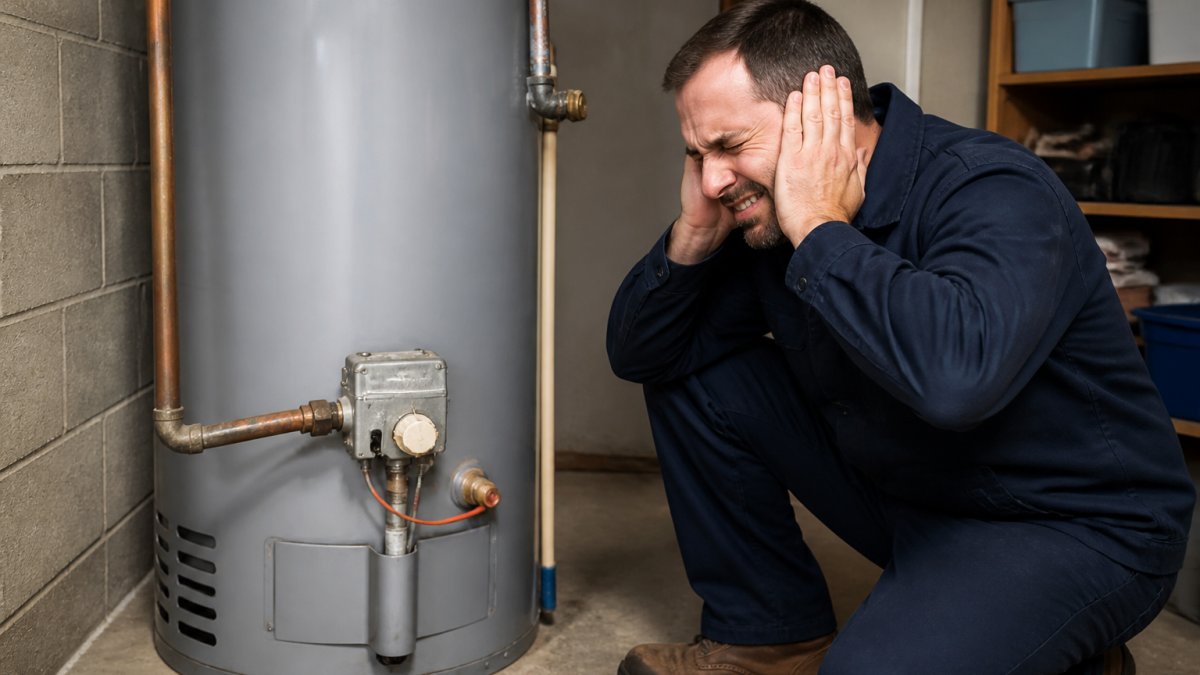
One of the most common sources of sulfur smell is your water heater. The anode rod inside your tank, typically made of magnesium or aluminum, can react with sulfate compounds in water to produce hydrogen sulfide gas. This reaction is more likely in tanks that aren't used frequently or in areas with specific water chemistry.
The problem intensifies because water heaters create the perfect environment for sulfur bacteria to colonize. Lower temperatures in the tank, combined with the anode rod's chemical activity, create conditions where sulfate-reducing bacteria thrive. If your sulfur smell comes only from hot water, your water heater is almost certainly the culprit.
Rotten Egg Smell in Hot Water Only: Pinpointing the Source
When the sulfur smell appears exclusively from hot water taps, you've already narrowed the problem significantly. This pattern tells you the contamination is localized to your water heater, not your entire water supply.
The distinction matters because it changes your repair approach entirely. A water heater issue is typically less expensive to address than treating an entire well system. You're not dealing with groundwater contamination or septic system problems, you're managing a single appliance.
Start by checking your water heater's age and condition. Older units accumulate sediment and mineral deposits that create ideal environments for sulfur bacteria. The anode rod degrades over time, becoming less effective at protecting the tank while simultaneously increasing its chemical reactivity with sulfates in the water.
Run both hot and cold water from the same tap into separate glasses. If only the hot water smells, your diagnosis is confirmed: the issue is your water heater. If both smell, the problem originates in your well water or plumbing system before reaching the heater.
How to Test Well Water for Sulfur
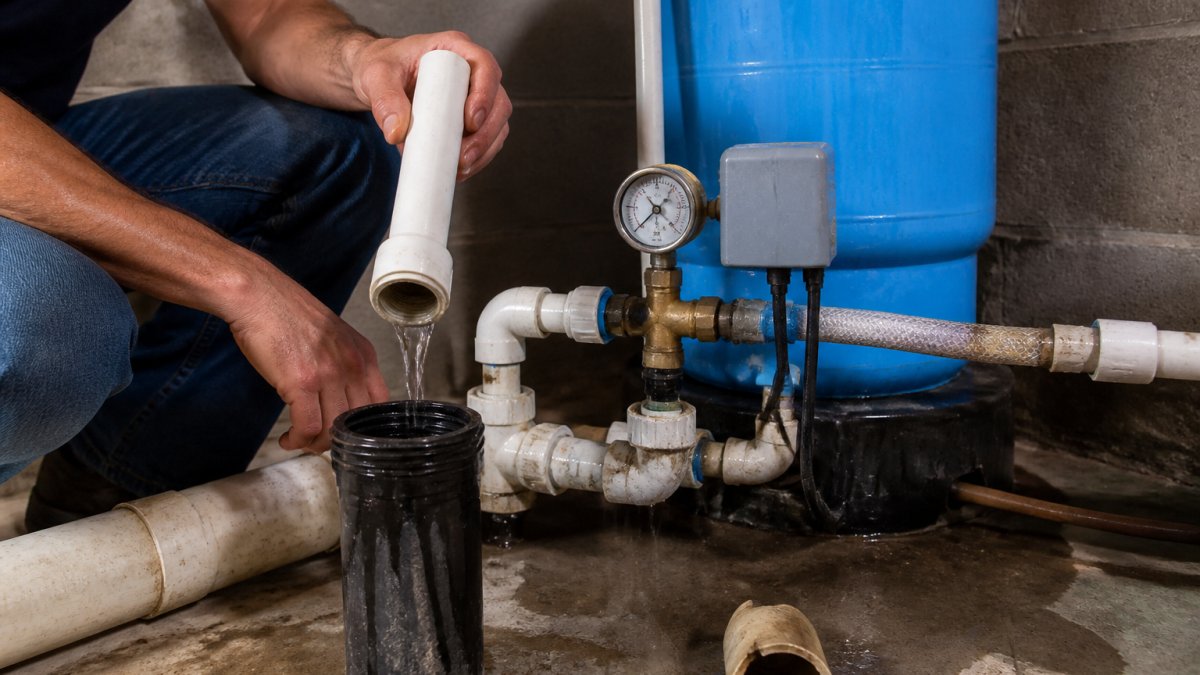
Testing confirms whether sulfur contamination exists and helps you determine the appropriate treatment. You have two testing options: DIY methods that provide quick answers, or professional water quality testing that delivers comprehensive results.
DIY Testing Methods
The simplest test requires only a clean glass and your nose. Fill a glass with water directly from your tap and smell it immediately. If the rotten egg odor is present, hydrogen sulfide is definitely in your water. Repeat the test with both hot and cold water to confirm which lines are affected.
For a more thorough DIY assessment, fill a glass with cold water from your tap and another with cold water that's been sitting in your refrigerator for several hours. Smell both. If the fresh tap water smells but the refrigerated water doesn't, hydrogen sulfide gas is escaping from the water, it's volatile and dissipates over time. This confirms hydrogen sulfide rather than sulfur bacteria.
Another useful test involves your plumbing fixtures. Examine faucet aerators, showerheads, and pipe connections for black or dark brown staining. Hydrogen sulfide reacts with metals to create these deposits. Heavy staining indicates significant sulfide concentration.

Professional Water Quality Testing
Professional testing provides precise measurements and identifies the specific source of contamination. A water quality test measures hydrogen sulfide concentration in parts per million (mg/L). Most people can detect sulfur smell at levels as low as 0.5 mg/L, though the smell becomes overwhelming above 2 mg/L (the CDC).
Professional labs test for sulfate-reducing bacteria through culture analysis. They'll also check your water's pH, mineral content, and other parameters that influence treatment options. This comprehensive data guides your treatment selection.
Contact your local health department or a certified water testing laboratory. Many offer affordable testing packages. Some water treatment companies provide free testing as part of their diagnostic process. The results should specify whether hydrogen sulfide or bacterial contamination is present, and at what concentration.
Treatment Options for Sulfur Smell in Water
Your treatment approach depends on whether the problem originates in your water heater or your well water system. The source determines both the method and the cost of remediation.
Water Heater Solutions
The simplest fix for water heater sulfur smell is replacing the anode rod. This magnesium or aluminum rod sacrifices itself to protect the tank from rust, but in the process, it can react with sulfates to produce hydrogen sulfide. A new anode rod typically eliminates the problem.
Flushing your water heater removes sediment and bacteria buildup. Drain the tank completely, then refill and flush several times until the water runs clear. This mechanical cleaning removes the environment where sulfur bacteria thrive. Many homeowners see improvement after flushing alone.
Increasing your water heater temperature to 140°F or higher creates an environment where most sulfur bacteria cannot survive (the EPA). Higher temperatures kill the bacteria responsible for hydrogen sulfide production. However, this approach carries scalding risk and increases energy costs, it's typically a temporary solution while you arrange permanent treatment.
If your water heater is more than 10-12 years old and smells persist after flushing and anode rod replacement, replacement may be more cost-effective than ongoing treatment. Modern water heaters are more efficient and less prone to bacterial colonization.
Well Water Treatment Methods
Well water sulfur smell requires more comprehensive treatment because the contamination originates in your groundwater supply, not a single appliance.
Aeration introduces oxygen into your water, which causes hydrogen sulfide gas to escape. Aeration systems force water through a spray or cascade, exposing it to air. This works well for hydrogen sulfide but is less effective against sulfur bacteria. Many homeowners combine aeration with other methods for complete treatment.
Activated carbon filtration absorbs hydrogen sulfide and some related compounds. Whole-house carbon filters treat all water entering your home. The filters require regular replacement, typically every 6-12 months depending on contamination levels and water usage.
Water softeners can reduce sulfur smell in some cases, particularly when hard water minerals are also present. The softening process can reduce certain sulfur compounds, though it's not a complete solution for hydrogen sulfide.
Combination systems, pairing aeration with activated carbon, or adding oxidation, often work better than single-method approaches. Your water testing results guide which combination makes sense for your specific situation.
Shock Chlorination for Wells: A Proven Treatment Method
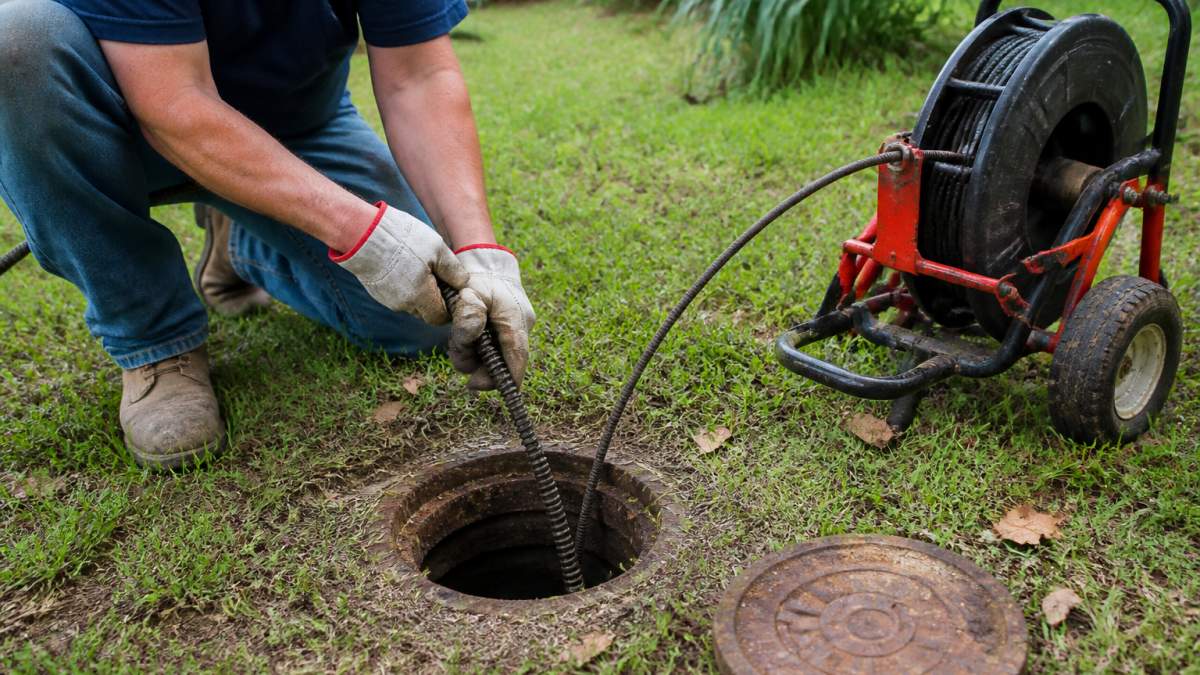
Shock chlorination is the most effective treatment for sulfur bacteria in well water. This method involves introducing a high concentration of chlorine into your well to kill bacteria throughout the system, then flushing the chlorine out.
How Shock Chlorination Works
The process begins with calculating the proper chlorine dosage based on your well's depth and diameter. A professional water treatment specialist determines the right amount, typically between 100-1,000 parts per million, depending on contamination severity (peer-reviewed research).
The chlorine solution is poured directly into the well casing. Then the well is agitated, either by running water through it at high volume or by using mechanical agitation, to distribute the chlorine throughout the well and surrounding groundwater. This kills sulfur-reducing bacteria and other microorganisms.
After agitation, the well sits with the chlorine solution for several hours to overnight, allowing the disinfectant to penetrate all surfaces. Finally, the well is flushed extensively by running water through every tap in your home until all chlorine smell disappears.
Shock chlorination is remarkably effective. Many homeowners see complete elimination of sulfur smell after a single treatment. Some wells require repeat treatments if bacteria reinfestation occurs.
When to Call a Professional
Shock chlorination involves handling concentrated chlorine and working with your well system, both tasks best left to professionals. Improper dosing can damage your well pump or plumbing, and incorrect technique reduces effectiveness.
A professional water treatment company or well service provider handles the entire process. They test your water before and after treatment to confirm effectiveness. They also advise whether your well casing, pump, or septic system needs attention to prevent reinfection.
If your well has been contaminated with sulfur bacteria, a professional will likely recommend preventive measures after shock chlorination. This might include well casing inspection, pump servicing, or changes to your septic system maintenance.
Maintenance and Prevention
Once you've treated your sulfur smell problem, maintenance prevents it from returning. Different prevention strategies apply depending on whether your issue was water heater-based or well water-based.
Regular Well and Septic System Care
If your sulfur smell came from well water, your septic system likely contributed to the problem. Sulfur bacteria thrive in low-oxygen environments like septic tanks. Regular septic maintenance, pumping every 3-5 years and avoiding harsh chemicals that kill beneficial bacteria, prevents reinfection.
Have your well inspected annually if you've had sulfur bacteria contamination. A professional can check your well casing for cracks or damage that allows bacteria to enter. They'll also verify your well cap is intact and sealed properly.
Avoid dumping bleach, antibacterial soaps, or other harsh chemicals down drains if you have a septic system. These kill the beneficial bacteria that break down waste, allowing sulfur-reducing bacteria to proliferate.
Monitor your water regularly for odor changes. A sudden return of sulfur smell after successful treatment signals that bacteria have reinvaded, catching this early allows for prompt retreatment.
Water Heater Maintenance Schedule
For water heater sulfur prevention, establish a maintenance routine. Flush your water heater annually to remove sediment and prevent bacterial growth. This single step eliminates most sulfur smell problems before they develop.
Inspect your anode rod every 2-3 years. If it's significantly corroded or depleted, replace it before it fails completely. A fresh anode rod protects your tank and reduces hydrogen sulfide production.
Check your water heater's temperature setting annually. Maintaining 120-130°F balances energy efficiency with bacteria control. If you've experienced sulfur smell, keeping temperature at 140°F for a few weeks after treatment prevents bacterial reestablishment.
Have your water heater professionally serviced every 2-3 years, especially if it's over 8 years old. A professional inspection catches developing problems before they cause major issues.
Sulfur smell in water is frustrating, but it's highly treatable. Whether the problem originates in your water heater or well system, proven solutions exist. At England's Plumbing & Heating, we've helped homeowners throughout Chester County eliminate water quality problems like sulfur smell for over 35 years. Our team handles everything from water heater anode rod replacement to professional shock chlorination for wells. If you're dealing with rotten egg odor in your water, book online with our team or call for a water quality assessment. We'll identify the source and recommend the most effective, cost-efficient solution for your situation.
Frequently Asked Questions
Is it safe to shower in water that smells like sulfur?
Water with a rotten egg odor from hydrogen sulfide is generally safe to bathe in, though the smell is unpleasant. However, if sulfur bacteria or other contaminants are present, you should have your water professionally tested before extended use. If your well water tests positive for harmful bacteria, avoid drinking or cooking with it until treatment is complete. A professional water quality test will determine if the sulfur smell indicates a safety concern.
How do I know if the sulfur smell is coming from my water heater or the well?
Run cold water from a faucet for 30 seconds and smell it. If only hot water smells like rotten eggs, the issue is likely your water heater's anode rod reacting with sulfate-reducing bacteria. If both hot and cold water smell, the problem originates in your well or plumbing system. This diagnostic test helps determine whether you need water heater maintenance or well water treatment.
What neutralizes sulfur odor in well water?
Several treatment methods neutralize sulfur odor: shock chlorination kills sulfur bacteria and hydrogen sulfide, oxidation systems convert hydrogen sulfide into a filterable form, aeration increases oxygen to reduce odors, and activated carbon filters absorb odors. Chlorine injection systems provide continuous disinfection. The best solution depends on your water's specific contaminants and sulfur concentration in parts per million (mg/L). Professional testing guides which treatment method works best for your situation.
Will the sulfur smell in my water go away on its own?
No, sulfur smell typically worsens or remains constant without treatment. Hydrogen sulfide and sulfur-reducing bacteria require active intervention, whether increasing your water heater temperature, adding chlorine, or installing an oxidation system. Ignoring the problem allows bacteria to multiply and can damage plumbing fixtures and water quality. Professional treatment addresses the root cause and prevents future issues.