 comparison
Is a Plumbing Maintenance Plan Worth It?
Last Updated: October 23, 2026
Quick Summary
A plumbing maintenance plan is worth it if your home has older pipes, a history of problems, or you want to avoid surprise emergency costs. The plan trades a predictable annual fee for protection against unpredictable expenses, breaking even when included services plus avoided emergency premiums exceed the annual cost.
- Run a break-even worksheet using the provider's written prices to compare plan fees against the cost of services you'd otherwise pay for separately.
- Most plans include annual or twice-yearly inspections, drain cleaning, water heater servicing, and priority emergency scheduling.
- Common exclusions include freezing pipe damage, tree root damage, pre-existing conditions, and problems from lack of maintenance.
- Older homes, rental properties, and homeowners who cannot afford surprise repairs benefit most from maintenance plans.
- Skip a plan if your home is brand new, systems were recently replaced, or the plan has too many exclusions or poor provider reviews.
Table of Contents
- What a Plumbing Maintenance Plan Includes
- Plumbing Maintenance Plan Cost vs. Pay-as-You-Go Service
- Plumbing Service Plan Coverage: What's Protected and What Isn't
- Annual Plumbing Inspection and Preventive Benefits
- Who Benefits Most from a Maintenance Plan
- Red Flags: When to Skip a Maintenance Plan
- How to Choose a Plumbing Maintenance Plan Provider
- Frequently Asked Questions
What a Plumbing Maintenance Plan Includes
A plumbing maintenance plan is a service agreement covering routine inspections, preventive maintenance, and sometimes discounted repairs. Most plans include annual or twice-yearly inspections, drain cleaning, water heater servicing, and priority emergency scheduling.
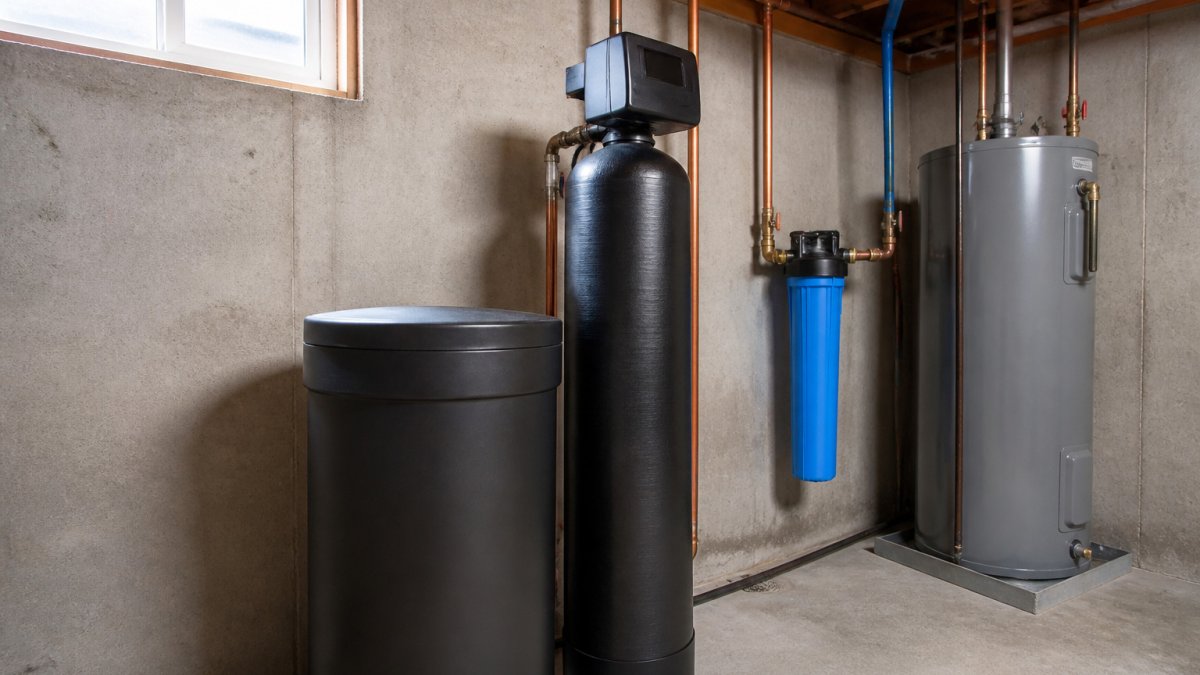
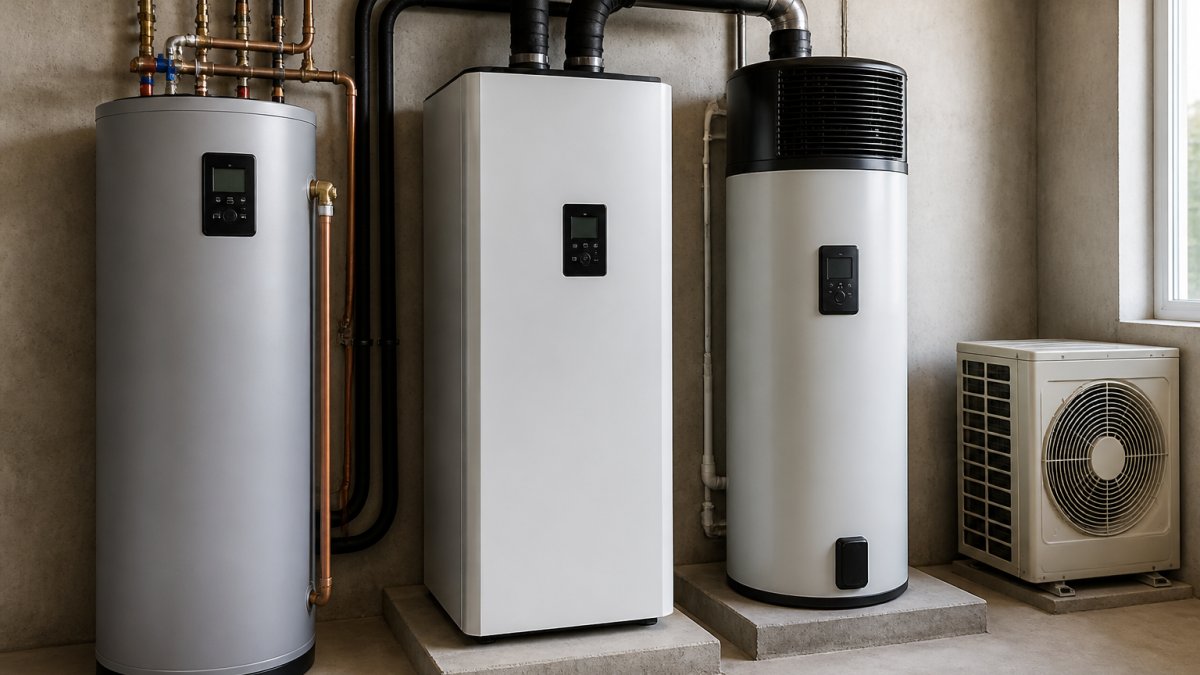
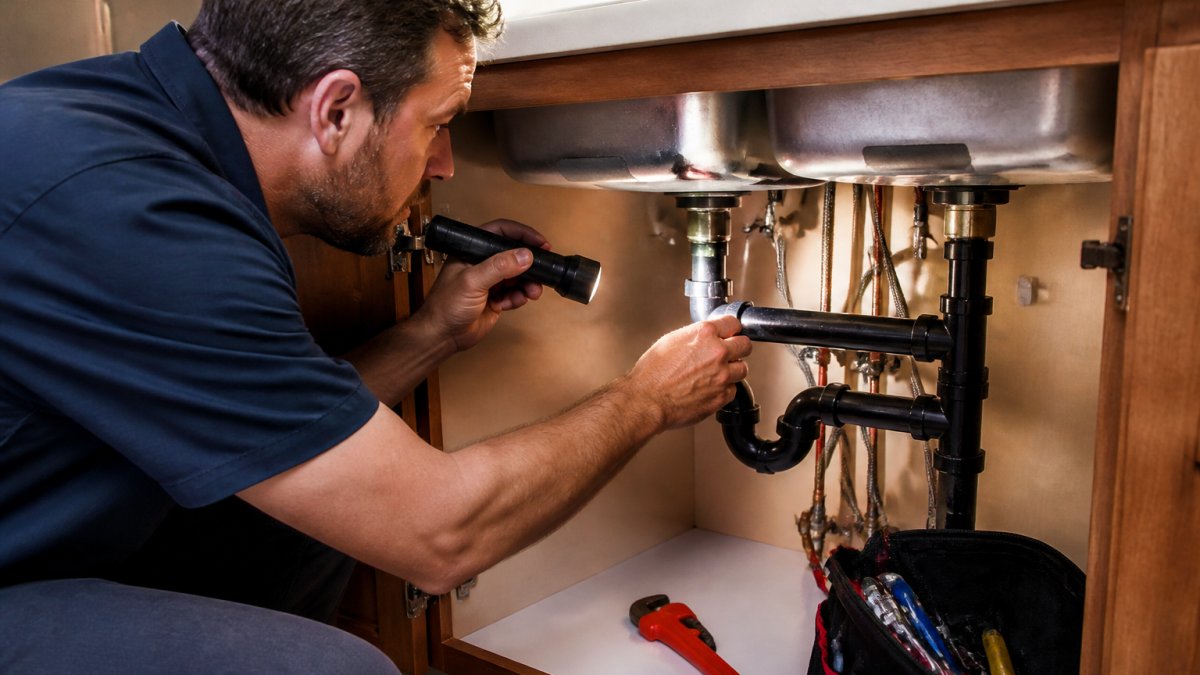
The goal: catch small problems before they become expensive ones. During an inspection, a professional checks for leaks, corrosion, water pressure issues, and other wear, examining your water heater, drains, and visible pipes and connections.
Some plans bundle plumbing with heating; others focus on plumbing alone. A few include parts coverage or labor discounts beyond routine visits. Coverage breadth is where plans differ most.
Plumbing Maintenance Plan Cost vs. Pay-as-You-Go Service
The comparison depends on how often you use the service. A plan costs money upfront whether you use it or not; pay-as-you-go means paying only when something breaks, but emergency calls cost far more than routine visits.
A routine business-hours service call typically costs less than an emergency call at 2 a.m. on a weekend, which includes overtime, after-hours fees, and rush charges. A single emergency water heater repair or major leak can cost more than a year of plan fees.
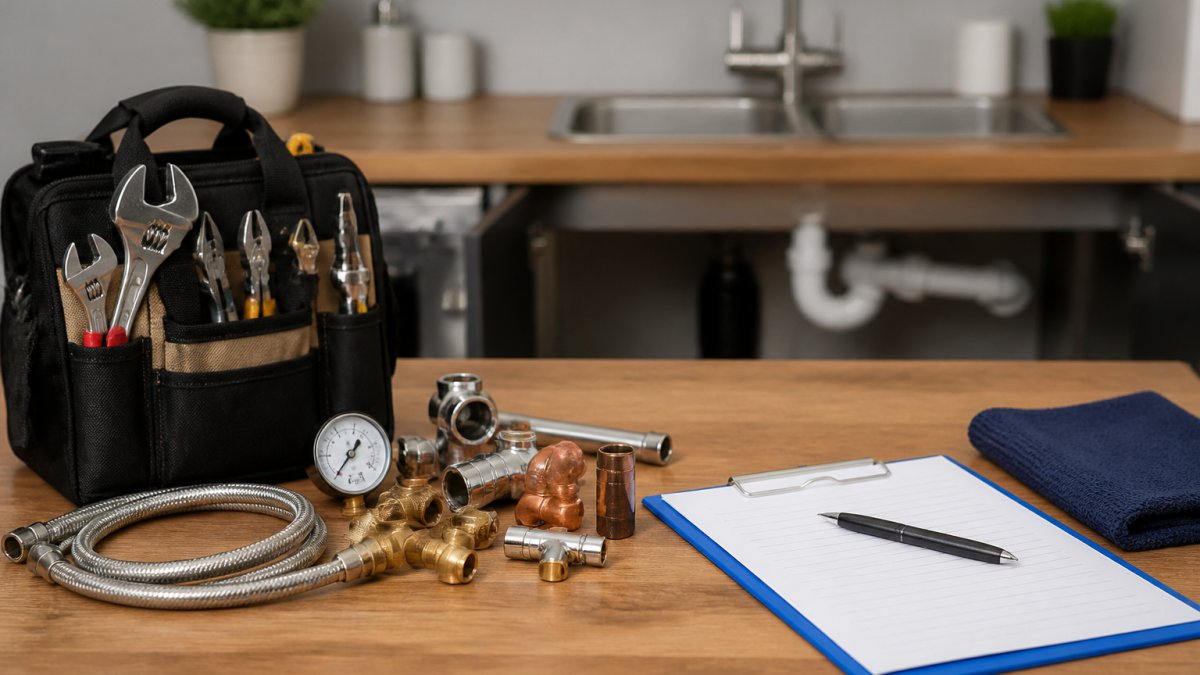
Build a break-even worksheet using your own quotes. Use the provider's written price sheet, not a phone estimate.
Break-even formula you can run in five minutes:
- Add the plan's annual fee plus any per-visit copay or deductible.
- List the services you would otherwise pay for separately (annual inspection, drain cleaning, water heater flush).
- Add the expected value of avoided emergency premiums: multiply the after-hours surcharge by the number of emergencies you realistically expect per year.
- Add any repair discount the plan guarantees, applied to the repairs you are most likely to face.
- Compare the total to the plan fee. If the covered services plus avoided premiums exceed the fee, the plan breaks even before any repair discount.
The break-even point depends on how many service calls you'd need in a year. If your home has older pipes, frequent clogs, or an aging water heater, a plan pays for itself quickly. If your plumbing is new and trouble-free, you might never hit it.
The real question isn't "Is it cheaper?" but "How much am I willing to risk?" A maintenance plan trades a predictable annual cost for protection against unpredictable emergency expenses. Emergency plumbing service costs and whether they're worth it can help you understand what you'd pay without a plan.
Plumbing Service Plan Coverage: What's Protected and What Isn't
Not all plans cover the same things, so read the fine print.
Common exclusions include:
- Damage from freezing pipes or external causes
- Problems from lack of maintenance (e.g., never cleaning drains)
- Upgrades or replacements beyond the plan's scope
- Damage caused by tree roots or ground shifting
- Certain high-cost repairs or system replacements
Beyond the exclusion list, five contract terms decide whether a plan is actually worth its fee. Ask for each in writing before you sign.
Annual coverage caps. Many plans limit total payouts per year, per system, or per repair.
Deductibles and copays. Some plans charge a flat per-visit fee on top of the premium. Add the deductible to the premium before comparing plans.
Pre-existing conditions. Most contracts exclude problems that existed before coverage started.
Parts versus labor. Labor-only coverage leaves you paying for parts, often the larger cost on fixtures, valves, and water heaters.
Emergency and after-hours fees. Priority scheduling is a benefit, but some plans still charge after-hours rates or a separate dispatch fee.
Before you commit to a plan, ask the provider directly: What's covered? What's excluded? Is there a cap on repair costs? Is there a per-visit deductible?
Common exclusions and coverage limits vary significantly between plans.
| Coverage Item | Typically Covered | Typically Excluded |
|---|---|---|
| Routine inspections | Yes | No |
| Drain cleaning | Most plans | Some plans |
| Water heater servicing | Most plans | Some plans |
| Minor repairs | Yes | No |
| Freezing pipe damage | No | Yes |
| Tree root damage | No | Yes |
| Pre-existing conditions | No | Yes |
| Parts and labor | Labor only in some | Parts in some plans |
Annual Plumbing Inspection and Preventive Benefits
A professional inspection catches problems your eyes can't see: slow leaks inside walls, corrosion in pipes, water pressure issues, and damage that worsens if left alone.
The preventive benefit is real: a small leak caught during inspection costs far less than water damage found months later. A water heater serviced annually lasts longer and runs more efficiently. Drains cleaned regularly don't back up at the worst possible time.
Annual plumbing maintenance benefits and why they matter explains how routine care extends the life of your system and prevents costly emergencies. Many homeowners find that one inspection pays for itself the moment it catches a problem that would have become expensive.
The frequency matters. Annual inspections work well for most homes. Older homes or those with a history of problems might benefit from twice-yearly checks. Newer homes in good condition might only need inspections every two years.
Who Benefits Most from a Maintenance Plan
A maintenance plan makes the most sense for homeowners in specific situations.
Older homes benefit most. If your home was built before 1990, your pipes have decades of wear: galvanized steel corrodes from the inside out, cast iron drains crack, and copper develops pinhole leaks. An annual inspection catches these early.
Homes with a history of problems are good candidates. If you've dealt with clogs, leaks, or water damage before, a plan protects you from repeat emergencies.
Homeowners who can't afford surprise repairs benefit from predictability. If an unexpected $2,000 emergency would strain your budget, a plan's fixed annual cost is worth the premium.
Rental property owners use maintenance plans to prevent tenant complaints and emergency calls, keeping properties in better condition and reducing liability.
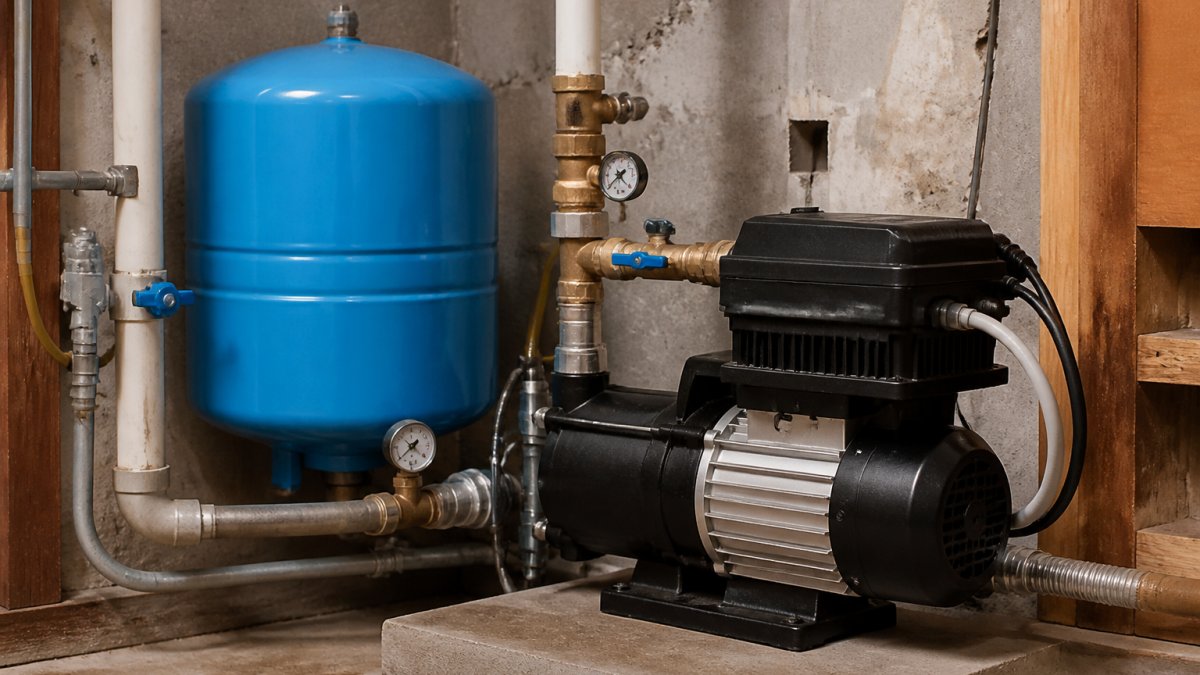
Homes with private well systems may benefit, depending on the plan. Well pump repairs are expensive and often urgent, so well maintenance coverage provides valuable protection.
Homeowners planning to stay long-term get more value than those who might move soon. Over 10+ years, the cumulative benefit of preventive care adds up.
Red Flags: When to Skip a Maintenance Plan
A maintenance plan isn't right for everyone. Skip it if certain conditions apply.
Brand new homes with modern plumbing don't need immediate plans. New pipes, fixtures, and water heaters are unlikely to fail soon. Wait a few years before committing.
Homes with recently replaced systems don't need plans yet. If you just replaced your water heater or had major pipe work done, the systems are new and under warranty.
Plans with too many exclusions aren't worth buying. If the plan excludes water heaters, major repairs, or covers only minor services, it won't protect you when you need it most.
Providers with poor reputations should be avoided. A plan from a company with slow response times or low-quality work is worse than no plan at all. You're paying for reliability, not just coverage.
Plans that lock you in long-term without cancellation options are risky. If you might move, sell, or change your needs, a plan with no exit clause traps you.
Homeowners on tight budgets who rarely have plumbing problems might do better paying as they go.
How to Choose a Plumbing Maintenance Plan Provider
Choosing the right provider matters more than choosing the right plan. A great plan from an unreliable company is worthless. A good plan from a trusted provider is an investment.
Check how long the company has been in business and what customers say.
Ask about their inspection process: what exactly do they check during a routine visit? A provider that can describe their checklist in detail is more credible than one that's vague.
Understand their service area and response times. Local crews mean faster emergency response; a distant provider might take hours.
Compare what's actually covered, not just the price. Our Services shows the full range of maintenance and repair options available to help you evaluate whether a provider offers the plans and coverage you need.
Ask about cancellation terms: can you cancel if you move or the plan doesn't meet your needs, and what's the notice period? Flexible cancellation is less risky.
Questions to ask before hiring a plumber provides a framework for evaluating any provider before you commit to a plan. Our plumbing and heating services shows what a full-service provider looks like, one that handles routine maintenance, emergency repairs, and system upgrades all in one place.
A plumbing maintenance plan is worth it if your home needs it. Older homes, homes with a history of problems, and homeowners who can't afford surprise repairs benefit most.
The real value isn't in the plan itself, it's in having a reliable partner who shows up when you need them, does quality work, and catches problems before they become emergencies.
Frequently Asked Questions
What does a plumbing maintenance plan usually include?
Most plumbing maintenance plans include annual or semi-annual professional inspections, routine drain cleaning, water heater servicing, leak detection, and priority scheduling for service calls. Many plans offer discounts on parts and labor for repairs not covered under the plan. Specific coverage varies by provider and plan tier, so review the service agreement carefully to confirm what your plan covers before signing up.
Is a plumbing maintenance plan worth the annual cost?
A plumbing maintenance plan is worthwhile if you use the included services and your home has older plumbing or a history of issues. The value depends on the plan's cost, what services it includes, and whether you would otherwise pay for those services separately. Homes with systems over 15 years old, older water heaters, or frequent drain problems typically see better returns. Newer homes with no history of problems may not benefit as much.
How does a plumbing maintenance plan cost compare to pay-as-you-go service?
A maintenance plan spreads costs into predictable annual fees, while pay-as-you-go means paying per service call. Plans work best if you need multiple services yearly; one or two service calls annually may cost less without a plan. However, plans often include repair discounts that reduce unexpected costs. Calculate your typical annual plumbing spending to determine which approach saves money for your situation.
Can a plumbing maintenance plan help prevent expensive repairs?
Yes. Regular inspections catch small issues like slow leaks, mineral buildup, or worn components before they become costly failures. Preventive maintenance on water heaters and drain systems extends their lifespan and reduces emergency breakdowns. By addressing problems early, a maintenance plan can help you avoid emergency service calls, which typically cost more than scheduled appointments, and delay expensive replacements.