 how-to
How Do You Prepare for a Plumbing Service Visit?
Last Updated: October 29, 2026
Quick Summary
To prepare for a plumbing service visit, describe the problem in writing, including what you see, hear, and smell and when it started. Then find your main water shutoff valve, clear a path to the work area, and move rugs, furniture, and fragile items out of the way. Do not start repairs yourself, and ask for a written estimate before major work begins.
- Write a one-paragraph description of the problem, including when it started.
- Locate the main water shutoff valve before the plumber arrives.
- Lay down drop cloths or old towels around the work area.
- Keep pets and children in a separate room during the visit.
- Ask for a written estimate before any major work begins.
Table of Contents
- What Happens During a Plumbing Service Visit
- How to Describe a Plumbing Problem Before the Appointment
- Preparing the Home: Access, Shutoffs, and Work Area
- Plumber Appointment Checklist: What to Do by Timing
- What to Ask a Plumber Before Service Begins
- How Long a Plumbing Inspection Takes and What Affects It
- Booking Your Plumbing Visit With England's Plumbing & Heating
- Frequently Asked Questions
What Happens During a Plumbing Service Visit
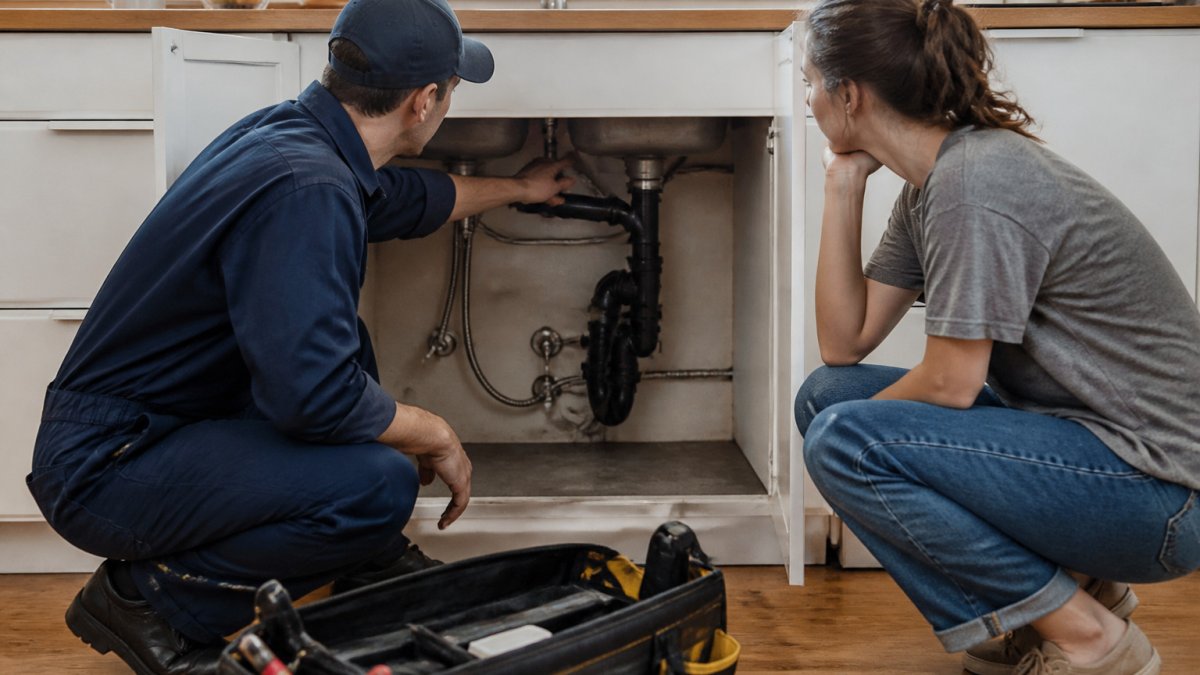
A plumbing service visit usually starts with a short check-in, a look at the problem, and a clear explanation of what the plumber thinks is wrong. Knowing this order helps you prepare the right information and space before the plumber arrives.
Most visits follow a similar pattern. The plumber confirms the problem you booked, inspects the affected fixture, pipe, or appliance, and checks for visible leaks, water pressure, unusual noises, and drain or valve issues. Once they understand the cause, they explain a repair plan and an estimate before any major work begins.
Here is what a typical visit looks like:
Watch out: Do not let a plumber start major work before you have seen and approved an estimate, even if the problem looks urgent.
How to Describe a Plumbing Problem Before the Appointment
Share what you see, hear, and smell, and say when the problem started.
Good details to share include:
- Visible leak: Where is the water coming from, and how much is there?
- Drain clog: Which drain is slow, and does it affect one fixture or several?
- Water pressure: Did it drop suddenly or slowly over time?
- Unusual noises: Do you hear banging, whistling, or gurgling? When does it happen?
- Water heater issues: Is the water cold, lukewarm, or unusually rusty?
- Toilet or faucet problems: Does it run constantly, leak at the base, or fail to flush?
Ask yourself these questions before you call:
- When did the issue first start?
- Has it gotten worse, stayed the same, or come and gone?
- Have you tried any fixes, such as plunging or tightening a fitting?
- Has anything changed recently, like a renovation or a new appliance?
Record what you notice, and if it is safe, take a photo or short video.
Preparing the Home: Access, Shutoffs, and Work Area
Move obstacles away from the affected area and confirm the plumber can get in and out of the home easily.
Locating the Main Water Shutoff Valve
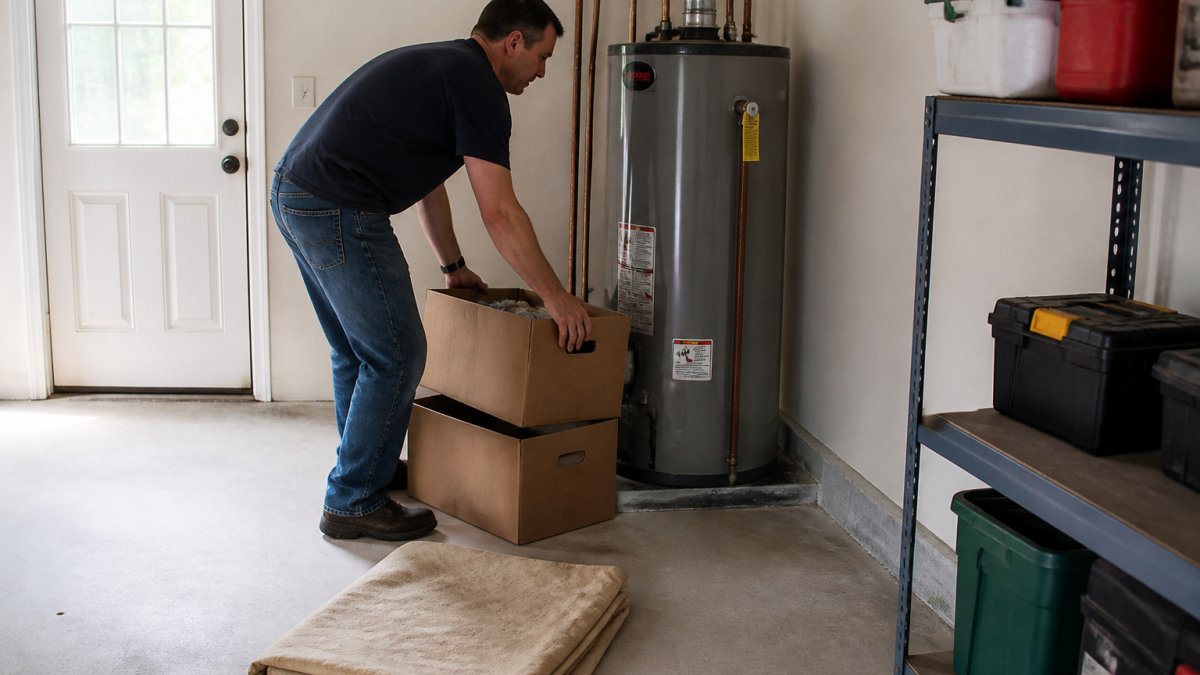
Find your main water shutoff valve before the plumber arrives. It is often in the basement, near the front wall, in a crawl space, or in a utility closet. Knowing where it is lets you stop water flow quickly if a pipe bursts or a leak gets worse.
Practice good shutoff habits:
- Locate the valve and make sure it turns freely.
- Learn where individual fixture shutoffs are, such as under sinks and behind toilets.
- Turn off water to an affected fixture only if it is safe and you know how.
- Do not force a stuck valve, since it may break.
Protecting Floors, Furniture, and Pets
Lay down drop cloths or old towels around the work area and keep children and pets in another room while the plumber works.
Protect your space with these steps:
- Move rugs, furniture, and stored items away from the work area.
- Put fragile belongings, like electronics and decor, in a safe spot.
- Keep pets secured in a separate room to prevent accidents or escape.
- Clear a path from the front door to the work area.
Limit your prep to clearing space, locating shutoffs, and documenting the problem.
Plumber Appointment Checklist: What to Do by Timing
Tasks change with the job. Use the general checklist below, then apply the job-specific notes that follow.
Before you book:
- Write a one-paragraph description of the problem: what you see, hear, and smell, and when it started.
- Note whether the issue affects one fixture or several, and whether it has worsened, held steady, or come and gone.
The day before:
- Locate the main water shutoff valve and fixture shutoffs, and make sure the main valve turns freely without forcing it.
- Clear a path from the entry to the work area and remove small obstacles.
- Move rugs, furniture, and fragile items away from the workspace.
The morning of the visit:
-
Lay down drop cloths or old towels around the workspace.
-
Secure pets in a separate room and plan where children will be during the visit.
-
Have your phone charged for photos, questions, and authorization requests.
During the visit:
- Show the plumber the problem and explain what you noticed, including anything you already tried.
After the visit:
- Clean up the work area and return moved items to their place.
Job-Specific Preparation
Sewer-line work: Clear access to cleanouts and note any known line locations, prior blockages, or tree roots. Expect outdoor access and possibly camera or auger equipment, so keep the path to the cleanout clear.
Safety Limits on DIY Preparation
Your prep should stop at clearing space, documenting the problem, and locating shutoffs. Do not disassemble fixtures, open walls, or attempt repairs before the visit. Shut off water to an affected fixture only if the valve turns easily and you know which fixture it controls; do not force a stuck valve. Shut off power at the breaker only if you are comfortable doing so and the panel is safely accessible.
The checklist below shows which preparation tasks belong at each stage, from booking through the visit.
| Timing | Task | Why it matters |
|---|---|---|
| Before you book | Write a one-paragraph problem description | Helps the plumber understand the issue |
| The day before | Locate the main shutoff and fixture shutoffs | Lets you stop water flow quickly |
| The day before | Clear a path and move rugs and furniture | Keeps the work area accessible |
| The morning of | Lay down drop cloths or old towels | Protects floors during the visit |
| The morning of | Secure pets in a separate room | Prevents accidents and escapes |
| During the visit | Show the plumber the problem | Gives an accurate diagnosis |
| After the visit | Clean up and return moved items | Restores the space after the work |
What to Ask a Plumber Before Service Begins
Ask questions before any work starts so you can ask what to expect, what it will cost, and how changes get approved.
Diagnosis and Estimates
- What do you think is causing the problem, and how confident are you in that diagnosis?
- Is there a diagnostic or trip fee, and is it credited toward the repair if I approve the work?
- Can you give me a written estimate that separates parts, labor, and any permit fees?
- Is the estimate a fixed price or an hourly rate with a range, and what could make it change?
- Will you tell me before the cost exceeds the estimate, and how much overage requires my approval?
Authorization for Extra Work
- If you find a second problem during the repair, how will you authorize the additional work?
- Do you require written approval, a signed change order, or a verbal okay, and can I get it by text or email?
- Will you stop work and wait for my approval, or continue and bill me afterward?
Warranty and Permits
- Is there a warranty on parts and labor, and how long does each last?
- Does the warranty cover the repair only, or also related damage if the repair fails?
- Will you pull any required permits, and will the work be inspected?
- Who do I call if the repair fails after the visit, and what is the response time?
Payment and Logistics
- What forms of payment do you accept, and is there a fee for credit cards or financing?
- When is payment due: at completion, at the start, or on a deposit schedule?
- Will you clean up the work area when you finish, and do you haul away old parts and equipment?
- How long do you expect the visit to take, and will you call ahead before arrival?
Comparing Providers
If you are getting more than one estimate, ask each provider the same questions so you can compare like with like. For more guidance, read How to Find Reliable Plumbers: A 2026 Vetting Guide.
How Long a Plumbing Inspection Takes and What Affects It
Several factors change the timing:
Plan your day around your appointment. Clear access in advance.
Booking Your Plumbing Visit With England's Plumbing & Heating
England's Plumbing & Heating can help you book a visit for plumbing and heating problems across Chester County. Before you schedule, check that our plumbing services cover your problem.
When you book, share a clear description of the issue. Use the preparation steps in this guide to get the space ready. For help deciding how urgent your problem is, read What Is Considered a Plumbing Emergency: A Homeowner's Guide.
Frequently Asked Questions
What should I do before a plumber arrives?
Before the plumber arrives, locate your main water shutoff valve and make sure you know how to use it. Clear a path to the problem area, move valuables and furniture away from it, and lay down drop cloths or towels to protect floors. Have your service history and any notes about when the problem started ready to share. Keep pets and children in another room so the work area stays safe and clear.
How do I describe a plumbing problem to a plumber?
Be specific about what you see, hear, and notice. Describe the location of the problem, such as a drain, toilet, faucet, or water heater. Note when it started, whether it happens all the time or only during certain tasks, and any unusual sounds, odors, or changes in water pressure. Mention recent repairs or work done on the system. Avoid guessing at the cause, since a precise description is more useful than a diagnosis.
What questions should I ask a plumber before service begins?
Ask what the plumber expects to do during the visit. It is also reasonable to ask whether the plumber will need access to other areas of the home.
How long does a plumbing inspection take?
The length of a plumbing inspection depends on the size of the home, the number of fixtures involved, and how hard the problem is to find. A simple fixture check may take under an hour, while a whole-home inspection or a problem hidden inside walls or under slabs can take several hours. Ask the company to estimate the visit length when you book, and clear your schedule with some buffer time. Have the access points and shutoffs ready so the inspection is not delayed.