 how-to
How to Tell if a Drain Snake Is Enough
Table of Contents
- Signs Your Drain Snake Cleared the Clog
- How to Tell if a Drain Clog Is Cleared
- When a Drain Snake Stuck in Pipe Means You Need Help
- Signs of a Main Drain Clog That a Snake Won't Fix
- Drain Snake vs. Drain Auger: Which One Is Right
- What to Do When Snaking Doesn't Work
- Safety Limits: Knowing When to Stop
- Frequently Asked Questions
Last Updated: October 18, 2026
Signs Your Drain Snake Cleared the Clog
Understanding how to tell if a drain snake is enough depends on what you observe after snaking. A successful clearing produces specific, observable signs that the blockage is gone.
Water drains normally again
After you've finished snaking, run water down the drain and watch what happens. If water flows freely without backing up or draining slowly, the clog is likely cleared. This is your primary success indicator.
Test under normal use first, then try hot water or a heavier flow. If water moves quickly and completely, you've solved the problem.
Pre-clog drains drain in seconds. If water still pools or drains slowly after snaking, the blockage may be partially present or the snake didn't reach it.
You felt resistance break during snaking
One of the clearest signs a drain snake is enough happens while you're actively snaking.
You're pushing with steady pressure, then the cable springs forward suddenly or you feel a pop through the handle, the blockage has separated or the cable punched through it.
Not every clog produces this sensation. Soft hair-and-soap clogs may compress rather than break, while mineral buildup or tree roots create sharper resistance changes. Either way, if the cable moves freely after feeling stuck, something has shifted.
Debris came out with the cable
Pull the cable out slowly and inspect it. If you see hair, soap scum, food particles, or other debris wrapped around the cable, you've successfully extracted part of the blockage.
This is a strong indicator that the snake is enough to clear the clog, you can physically see the problem material. But pulling out some debris doesn't always mean the entire blockage is gone.
Rinse the cable as you pull it out and catch debris in a cloth or bucket for visual confirmation of what was blocking the drain.
How to Tell if a Drain Clog Is Cleared
Knowing whether a drain snake cleared the clog requires testing the drain under realistic conditions after you've finished snaking. The water flow test is your definitive check.
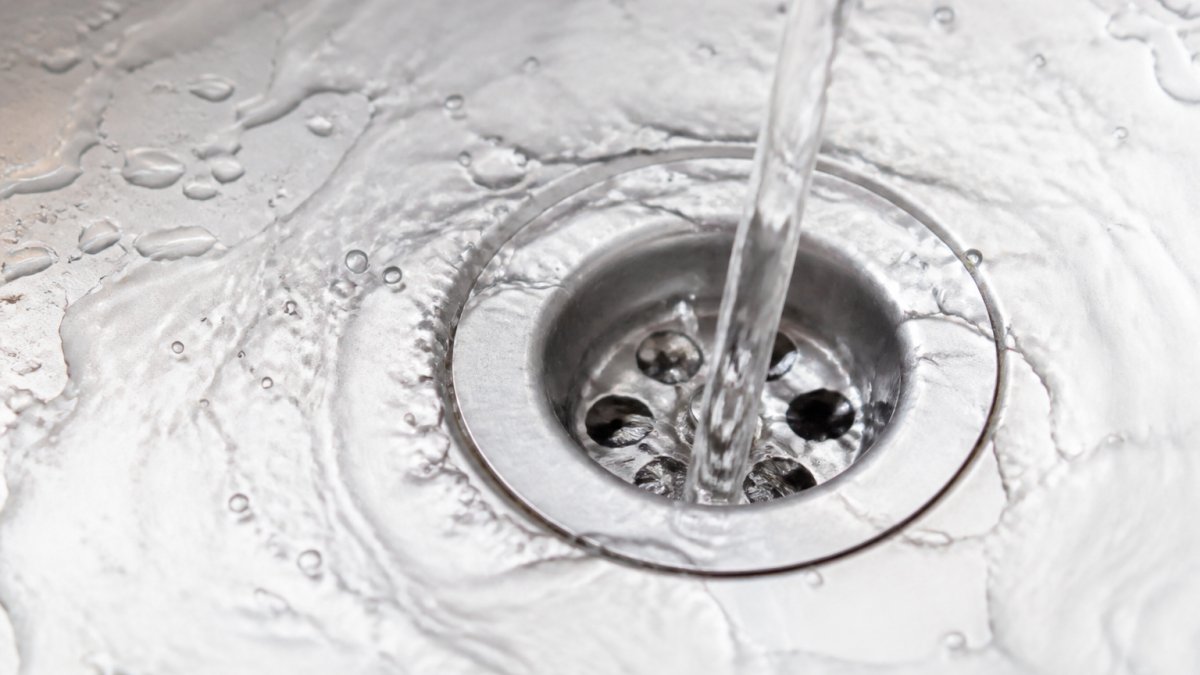
Test water flow after snaking
Run water from the faucet directly into the drain. In a cleared drain, water vanishes in seconds without pooling or hesitation. If it backs up even slightly, the clog isn't fully cleared.
Start with normal flow, then increase it. If water slows under heavier flow, you may have removed the main blockage but left debris that will cause problems again.
Let the water run for at least 30 seconds. This gives you time to observe the drain's behavior under sustained use.
Check for slow drains or backing up
After the initial test, use the drain normally for a few hours. Fill the sink and let it drain, watching for hesitation. A truly cleared drain behaves exactly as it did before the clog.
Slow draining without full backup usually means a partial blockage remains, common when snaking removes the main clog but leaves debris behind.
Backing up water is a clear sign the drain isn't fully cleared. This happens when water can't flow past remaining blockage material.
When a Drain Snake Stuck in Pipe Means You Need Help
Sometimes a drain snake gets stuck, and this situation requires immediate attention. Knowing when to stop pushing and call for professional help prevents pipe damage and additional costs.
Cable won't move forward or backward
If your cable stops moving entirely, it won't push forward and won't pull back smoothly, the snake itself may be stuck. This is different from hitting a clog. The cable feels locked in place.
The cable may have snagged on a rough spot, twisted around itself, or wrapped around an obstruction. Older pipes with corrosion, mineral buildup, or cracks create snag points.
Don't force a stuck cable. Pulling hard can break the cable inside the pipe or damage the pipe itself. If the cable won't move within a few gentle attempts, stop immediately.
Risk of pipe damage from continued force
Forcing a stuck snake causes real damage: older cast iron can crack, PVC can split, and even newer pipes suffer under excessive force.
Once a pipe cracks, you're looking at a much larger repair. A simple drain cleaning becomes a pipe replacement. This jumps the cost and complexity significantly.
The cable itself can break inside the pipe, and retrieving it requires professional equipment and often removing a pipe section. Stop pushing the moment resistance won't yield to gentle pressure.
Signs of a Main Drain Clog That a Snake Won't Fix
A clog in your main sewer line is fundamentally different from a clog in a single drain. A drain snake designed for individual drains won't clear a main line blockage. Recognizing these signs tells you when you need professional help instead.
Multiple drains backing up at once
If your bathroom sink, shower, and toilet all back up at once, the problem is likely in the main drain line. A single-drain clog affects only that drain; multiple backups point to the shared main line.
When you use one fixture and water backs up in another, the blockage is downstream from both, in the main line.
Don't attempt to snake a main line clog with a hand snake. These clogs are typically deeper in the system and require a motorized drain auger or professional equipment.
Sewage smell or gurgling sounds
A main line clog often produces a distinct sewage odor in your basement, yard, or near drains throughout the house, indicating sewage is backing up.
Gurgling sounds are another indicator: water flowing past a main line blockage traps air, creating gurgling noises you may hear from multiple drains.
Both of these signs suggest the blockage is significant and in the main line. A hand drain snake won't clear this type of clog. Professional equipment and expertise are required.
Water pooling in yard or basement
Standing water in your yard or basement, especially near the foundation or sewer line, indicates a main line problem, sewage backing up and unable to drain away.
The pooled water may smell foul and appear during heavy rain or after using multiple fixtures. This requires immediate professional attention.
Don't delay: the longer a main line clog persists, the more sewage backs up into your home, creating health hazards and structural damage. Call a professional immediately if you see pooling water.
Drain Snake vs. Drain Auger: Which One Is Right
Understanding the difference between these tools helps you decide how to tell if a drain snake is enough or if you need something more powerful. Each tool serves different situations.
Hand snake for small drains and hair clogs
A hand drain snake works well for bathroom sinks, shower drains, and small toilet clogs caused by hair, soap buildup, or minor debris.
Hand snakes are affordable and easy to use without training, ideal for preventive maintenance and clearing minor blockages before they become serious.
Use a hand snake first for any drain clog. If it clears the clog and water flows normally, you've solved the problem affordably.
Motorized auger for tough blockages and main lines
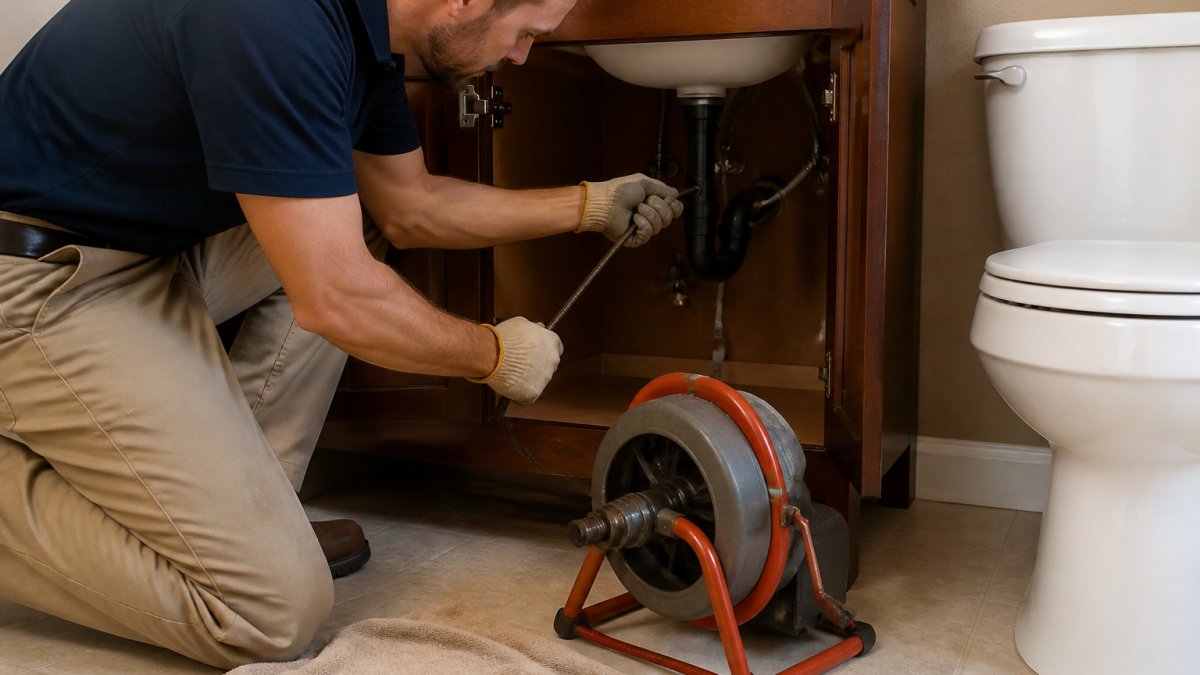
A motorized drain auger provides far more power and reach, extending 50 to 100+ feet to main lines and distant blockages hand snakes can't access.
The rotating cable on a motorized auger breaks through tough clogs more effectively.
Motorized augers require professional operation. Improper use can damage pipes or cause injury. Most homeowners rent or hire professionals for auger work rather than attempting it themselves.
If a hand drain snake doesn't clear the clog after multiple attempts, or if you suspect a main line blockage, a motorized auger is necessary.
| Tool | Best For | Reach | Power | DIY Friendly |
|---|---|---|---|---|
| Hand snake | Bathroom drains, hair clogs | 15-25 feet | Moderate | Yes |
| Motorized auger | Main lines, tough clogs | 50-100+ feet | High | Professional only |
What to Do When Snaking Doesn't Work
If you've attempted to snake the drain and it hasn't cleared the clog, your next steps depend on what you observed during snaking. Knowing when to stop and when to try alternatives prevents wasted time and money.
Stop and assess before forcing the cable
The moment you realize the snake isn't working, stop pushing. Assess what's happening. Is the cable stuck? Does it move freely but not clear the clog?
Don't continue forcing the cable if you're not making progress. Repeated pushing without results wastes effort and risks damaging the pipe or cable. Take a moment to think about what's actually happening in the drain.
Try a different approach. If you were pushing straight in, try rotating the cable. If you've been rotating, try gentle back-and-forth motions. Sometimes changing your technique helps.
When to call a licensed plumber
Call a professional plumber if any of these situations apply:
- The cable gets stuck and won't move freely
- You've snaked multiple times without clearing the clog
- Multiple drains are backing up
- You smell sewage or hear gurgling sounds from multiple drains
- Water is pooling in your yard or basement
- The clog is in a location you can't safely reach
A licensed plumber has motorized equipment, professional-grade cables, and the expertise to diagnose what's actually blocking your drain. They can also inspect your pipes with video cameras to see exactly where the blockage is and how severe it is.
Professional service costs more than DIY snaking, but it solves the problem correctly the first time. This saves you money compared to repeated failed attempts or emergency calls later.
Safety Limits: Knowing When to Stop
Using a drain snake safely means recognizing your limits and stopping before you cause damage.
Stop if the cable suddenly won't move. Don't assume you've hit the clog.
Stop if you feel sharp pain or strain in your hands, wrists, or arms.
Stop if the drain is in an unusual location or if you're uncomfortable with the setup. Some drains are difficult to access safely.
Stop if you've been snaking for more than 20 to 30 minutes without progress.
These safety limits exist to protect both you and your plumbing.
A drain clog that resists your snaking efforts often signals a blockage that requires professional equipment or expertise. England's Plumbing & Heating serves homeowners throughout Chester County with drain cleaning, pipe inspection, and full plumbing solutions.
Frequently Asked Questions
How can I tell whether a drain snake cleared the clog?
The clearest sign is normal water flow: water drains quickly without pooling or backing up. During snaking, you'll feel resistance suddenly give way as the cable breaks through the blockage. Debris may come out with the cable or flow down once the clog clears. After snaking, run hot water for 30 seconds and watch how fast it drains. If water moves freely, the drain snake was enough.
What should I do if my drain snake gets stuck in the pipe?
Stop immediately and do not force the cable. Gently try rotating it back and forth to free it, but avoid pulling hard, which can damage the pipe. If the cable won't budge after a few gentle attempts, stop and call a licensed plumber. Forcing a stuck snake risks breaking the cable inside the drain or cracking the pipe, leading to costly repairs.
How do I know if my main drain is clogged?
A main sewer line clog affects multiple drains at once: kitchen sink, bathroom sinks, shower, and toilet all drain slowly or back up together. You may notice sewage smell, gurgling sounds from drains, or water pooling in the yard or basement. A hand drain snake won't reach or clear a main line clog. These signs mean you need professional equipment and a licensed plumber to diagnose and fix the problem.
When should I use a drain auger instead of a drain snake?
A hand drain snake works for small clogs in tub drains, shower drains, and sink traps caused by hair and soft debris. A motorized drain auger is necessary for solid clogs deep in the line, main sewer line blockages, or when a hand snake can't reach or break through. If snaking doesn't clear the clog after 15 minutes of steady work, a drain auger or professional service is likely needed.