 how-to
Reliable Heating System Maintenance Tips for 2026
Table of Contents
- Your Heating System Maintenance Checklist: What to Do Each Season
- How Often to Change Your Furnace Filter (And Why It Matters Most)
- The Benefits of Annual HVAC Tune-Ups: What You Actually Get
- DIY vs. Professional Heating System Maintenance: Where the Line Is
- Smart Thermostat Maintenance and Seasonal Troubleshooting
- Frequently Asked Questions
Last Updated: September 16, 2026
Your Heating System Maintenance Checklist: What to Do Each Season
Reliable heating system maintenance tips start with one principle: most breakdowns announce themselves weeks before they happen, and a short seasonal routine catches the warning signs while they're still cheap to fix. Reliable heating system maintenance tips start with one principle: most breakdowns announce themselves weeks before they happen, and a short seasonal routine catches the warning signs while they're still cheap to fix.
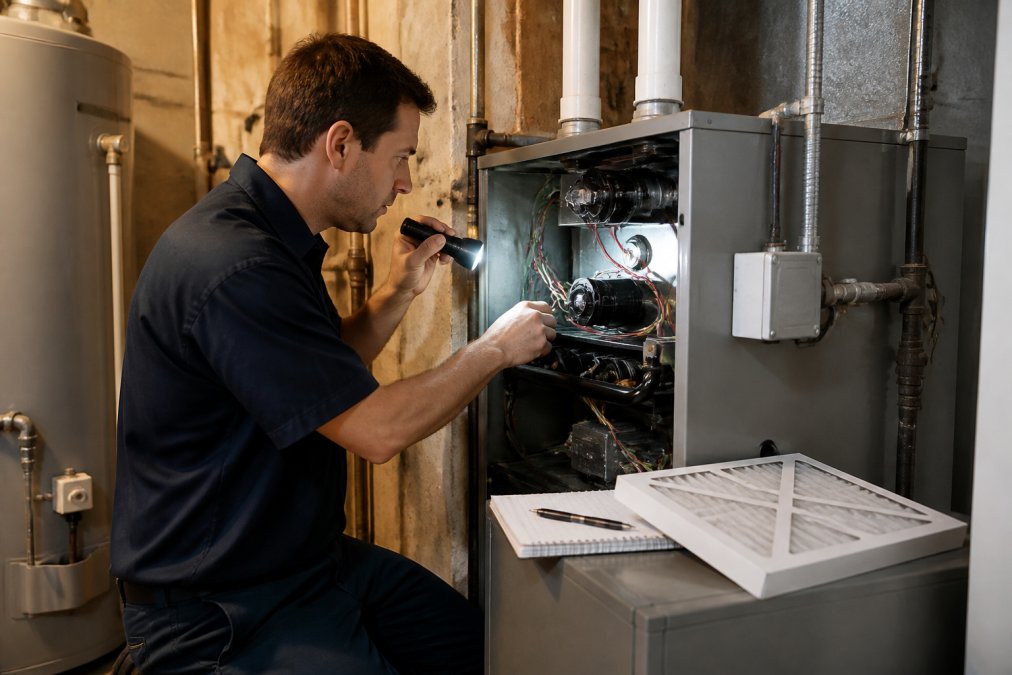
Monthly Tasks (5 Minutes or Less)
- Check the air filter. Hold it up to a light. If you can't see through it, replace it. Difficulty: easy.
- Walk past the thermostat. Confirm the setpoint and schedule match your routine. Difficulty: easy.
- Look at the outdoor unit. Clear leaves, snow, or lawn furniture within about 24 inches of the cabinet. Difficulty: easy.
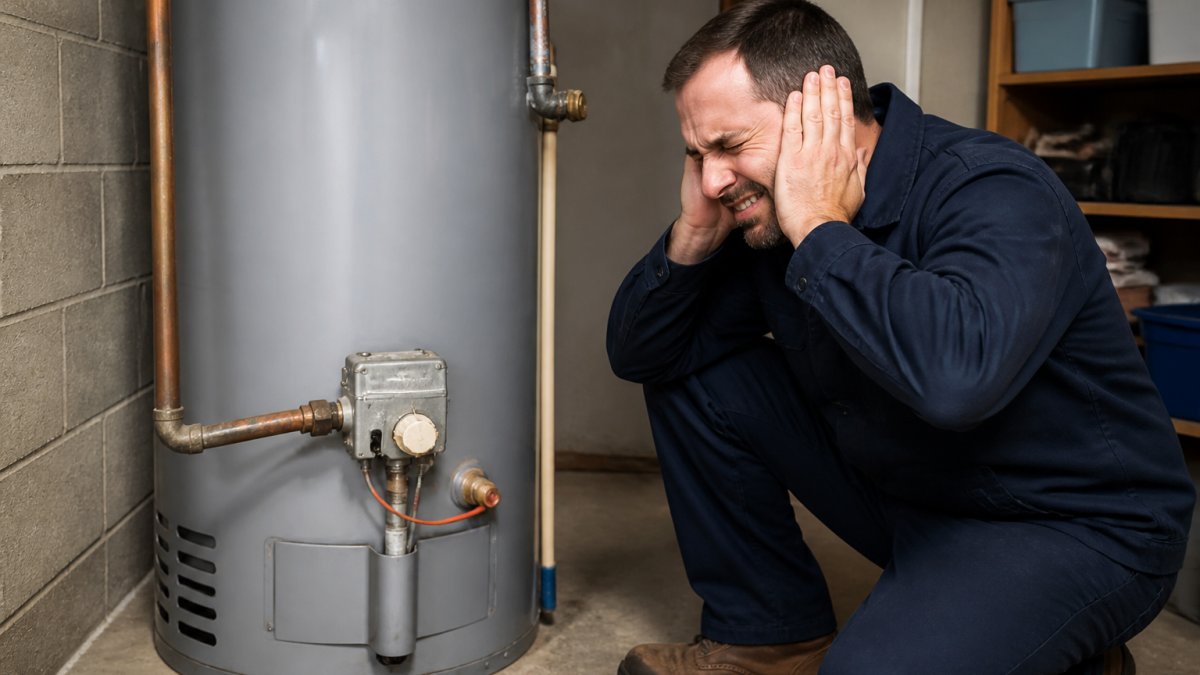
- Listen at startup. Grinding, squealing, or a boom on ignition all mean "call someone." Difficulty: easy.
- Check the condensate drain. A slow drain eventually becomes a water-damage claim. Difficulty: easy.
Seasonal Tasks (Do These Before Winter)
Before the first cold snap, work through this list. Items marked pro-only involve gas, refrigerant, or the inside of the cabinet and should not be attempted by a homeowner.
- Replace the filter one final time, easy
- Vacuum ventilation registers and return grilles, easy
- Wipe dust from thermostat contacts and confirm calibration, easy
- Clear debris from the outdoor unit and check clearance, easy
- Inspect visible ductwork for disconnected joints or crushed sections, easy (visual only)
- Look for rust, soot streaks, or water stains around the furnace cabinet, easy (visual only)
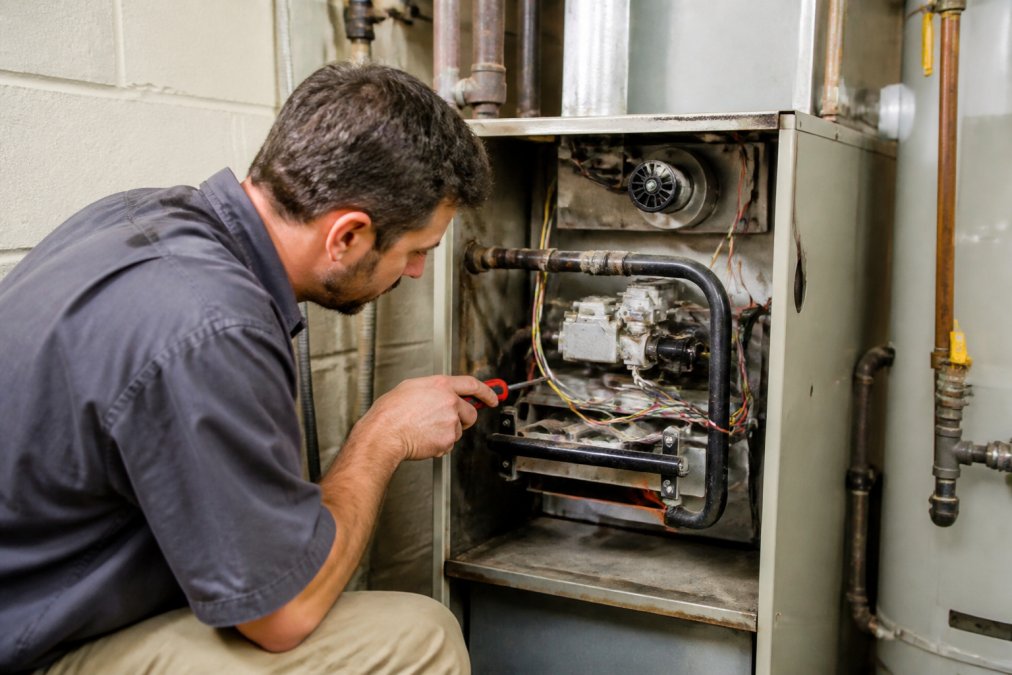
- Inspect the heat exchanger for cracks or corrosion, pro-only
- Test voltage at the blower motor and control board, pro-only
- Check refrigerant levels on heat pump systems, pro-only
- Tighten electrical connections at the service switch and control board, pro-only
- Lubricate the blower motor and inducer bearings, pro-only
- Flush the condensate drain line with a shop vac or pump, pro-only if the line is hard-piped
Seasonal Troubleshooting Flowchart
Most guides hand you a static list. A logic tree is more useful when something actually goes wrong at 9 p.m. in January.
Furnace won't turn on at all.
- Check the thermostat, is it calling for heat? If not, check the schedule and the batteries.
- Check the breaker at the panel and the service switch at the furnace.
- Check the filter, a fully clogged filter can trip the high-limit switch.
- Check the condensate drain, a full float switch will lock out the system.
- If all four are fine, call a technician. Do not open the cabinet.
Furnace runs but the house won't warm up.
- Confirm the thermostat reading against a separate thermometer.
- Check the filter and the return grilles for blockage.
- Check the outdoor unit for snow or leaf buildup.
- If the system is a heat pump, check whether it's in defrost mode, a short cycle is normal.
- If the temperature still won't hold, call a technician.
Furnace short-cycles (on-off every few minutes).
- Check the filter.
- Check the thermostat schedule and geofencing settings.
- Check the outdoor unit clearance.
- If the cycle persists, call a technician, short-cycling strains the blower motor and the heat exchanger.
You smell gas or hear hissing near the furnace.
- Leave the building immediately.
- Call from outside.
- Do not flip switches, use a phone inside, or relight anything.
How Maintenance Tasks Map to Your Utility Bill
A properly maintained system uses noticeably less energy than a neglected one, and the difference shows up on the bill. The U.S. Department of Energy's home heating guidance makes the same point from an efficiency angle. In practice, the tasks that move the needle most are the ones homeowners can't safely do themselves, clean coils, correct refrigerant charge, and a properly adjusted blower, which is why the annual tune-up matters more than any single DIY item on this list.
What to Do If You Find Something You Can't Explain
If a visual check turns up rust, soot, water stains, or a sound you don't recognize, stop and book a professional. Guessing at a gas appliance is not a maintenance strategy. The U.S. Consumer Product Safety Commission guidance on carbon monoxide is worth reading if you heat with gas, and a working CO alarm on every level of the home is non-negotiable.
How Often to Change Your Furnace Filter (And Why It Matters Most)
Change your furnace filter every 1 to 3 months. That's the honest answer, and the range is wide because the right interval depends on your home, not a calendar.
Three factors decide where you land:
- Pets. A shedding dog or cat pushes you toward the monthly end.
- Filter MERV rating. Higher MERV ratings trap more particles and clog faster.
- Occupancy and dust. Renovation, woodworking, or a dusty rural property shortens the interval.
The Benefits of Annual HVAC Tune-Ups: What You Actually Get
An annual tune-up is a documented inspection and adjustment of your heating equipment, not just a filter swap and a handshake. When it's done properly, you get a written record of what was measured, what was adjusted, and what's likely to fail next.
A real tune-up covers:
- Furnace inspection, including the heat exchanger for cracks or corrosion
- Voltage testing at the blower motor and control board
- Refrigerant levels on heat pump systems
- Tightening electrical connections, which loosen with every heating cycle
- Lubricating moving parts so the blower doesn't wear itself out
- Thermostat calibration against an independent reading
- Condensate drain line flushing to prevent clogs and water damage
DIY vs. Professional Heating System Maintenance: Where the Line Is
Safe to do yourself:
- Filter replacement
- Register and vent cleaning
- Debris clearance around the outdoor unit
- Thermostat setting and schedule adjustments
- Visual inspection for rust, soot, or moisture
Call a professional:
- Anything involving gas piping or a gas smell
- Refrigerant handling, which is regulated and requires certification
- Heat exchanger inspection
- Electrical diagnostics and voltage testing
- Blower motor or control board work
- Ductwork repair and sealing
The U.S. Department of Energy's home heating guidance makes the same point from an efficiency angle: a properly maintained system uses noticeably less energy than a neglected one, and most of the difference comes from the tasks homeowners can't safely perform themselves.
Smart Thermostat Maintenance and Seasonal Troubleshooting
Smart thermostats fail in ways that look like equipment failure. Before you assume the furnace is dead, rule out the thermostat. This is the section most guides skip entirely, and it's where a modern system actually breaks.
The Five Failure Modes That Mimic a Furnace Problem
1. Blank display. Check the breaker and the C-wire connection at the wall plate. A loose C-wire is the single most common cause of a dead smart thermostat, and it usually happens after a paint job or a wall repair. If the C-wire is secure and the breaker is on, the thermostat itself may have failed.
Firmware and Connectivity Maintenance (Once Per Season)
- Check for firmware updates in the thermostat's settings menu. Most manufacturers push updates automatically, but a thermostat that's been offline won't receive them.
- Reconnect to Wi-Fi if the signal strength reads weak. A thermostat that drops offline mid-season will default to its last schedule, which may not match your current routine.
- Verify the C-wire is providing steady power. Battery-powered smart thermostats are more prone to schedule loss during outages.
- Re-pair remote sensors if you use them. Sensor batteries die quietly, and a dead sensor can make the thermostat read the wrong room.
Calibration: The Two-Degree Problem
Thermostat calibration drifts over time, and a unit reading two degrees off will run your system harder than necessary all winter. Once a season, compare the thermostat reading against a separate thermometer placed nearby. If they disagree by more than a degree or two, recalibrate or call for a check. Most smart thermostats have a calibration offset in the installer settings, but if you're not comfortable in that menu, a technician can set it during a tune-up.
When It's the Thermostat and When It's the System
If you've worked through the thermostat, checked the C-wire, confirmed the schedule, recalibrated, and updated the firmware, and the system still won't hold temperature, that's a system problem, not a settings problem. The same logic applies in reverse: if the thermostat is calling for heat and the furnace isn't responding, the thermostat is doing its job and the furnace is not.
A Note on Smart Vents and Zoning
If your system uses smart vents or a zoning panel, add one more seasonal check: confirm each vent is responding to the thermostat and not stuck in a closed position. A stuck smart vent can starve a zone, trip a limit switch, and look like a furnace failure when the real problem is a $40 vent actuator. Most zoning panels have a status LED that tells you which zone is calling, check it before you assume the worst.
Frequently Asked Questions
Can I perform heating system maintenance myself or do I need a pro?
You can handle filter replacement, clearing debris around the outdoor unit, and checking thermostat settings yourself. Leave gas connections, electrical voltage testing, refrigerant levels, and heat exchanger inspection to a licensed technician. If you smell gas or hear hissing near the furnace, stop and call a professional immediately. Annual professional tune-ups catch problems that visual checks miss.
How often should a heating system be serviced?
Schedule a professional tune-up once a year, ideally in early fall before the heating season starts. If you have a heat pump, service it twice a year since it runs year-round. Between professional visits, change your furnace filter every 1 to 3 months depending on the MERV rating and whether you have pets. Regular servicing extends system lifespan and reduces costly repairs.
What are the signs that my heating system needs immediate maintenance?
Watch for uneven heating between rooms, unusual banging or squealing noises, a yellow instead of blue burner flame, frequent system cycling, or a spike in energy bills without a change in usage. Water pooling near the furnace or a persistent musty smell can point to a clogged condensate drain line. Any of these signs means it is time to call a technician rather than wait.
What are 5 items that regularly scheduled maintenance will check?
A standard tune-up covers air filter replacement, thermostat calibration, blower motor lubrication, electrical connections and voltage testing, and the condensate drain line. Technicians also inspect the heat exchanger for cracks, check refrigerant levels on heat pumps, and verify airflow through ventilation registers. This preventative checklist catches small issues before they strain the system and lead to breakdowns in the middle of winter.