 how-to
How Long Does a Well Pump Typically Last
Table of Contents
- Typical Well Pump Lifespan: What to Expect
- Submersible Well Pump Lifespan vs. Other Pump Types
- Factors That Affect How Long a Well Pump Lasts
- Signs of a Failing Well Pump
- How to Extend Well Pump Life Through Maintenance
- Well Pressure Tank Lifespan and Its Role
- Repair vs. Replace: Making the Right Decision
- Frequently Asked Questions
Last Updated: October 13, 2026
Typical Well Pump Lifespan: What to Expect
How long does a well pump typically last? Between 8 and 15 years, though some reach 20+ with proper maintenance.
Most homeowners don't think about their well pump until something goes wrong. Knowing how long it should last helps you plan replacement before failure leaves you without water.
The range reflects real variability: a pump in clean water with light usage might reach 20 years, while one in sandy, corrosive water under heavy demand might fail at 8.
Submersible Well Pump Lifespan vs. Other Pump Types
Submersible Pumps
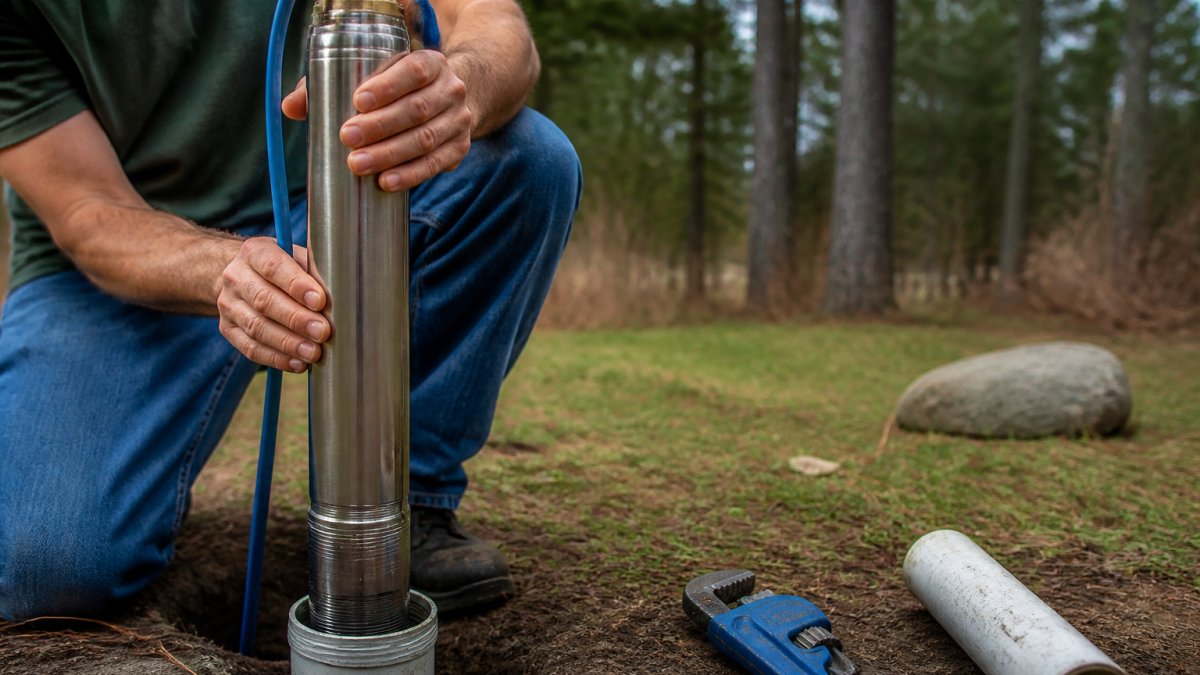
Submersible pumps sit submerged in the well. They're the most common residential type and typically last 8 to 15 years.
The sealed motor protects electrical components from debris, and surrounding water aids cooling. The main wear points are internal seals and bearings.
Water quality matters: clean, low-sediment water lets these pumps reach 15 years or beyond, while sediment-laden water can shorten life to 8 to 10 years.
Jet Pumps and Non-Submersible Options
Jet pumps sit above ground and pull water up through a pipe.
Jet pumps have more exposed moving parts, motor, impeller, and intake valve all wear, and they're noisier, requiring better ventilation.
Two-wire jet pumps often last 10 to 12 years; three-wire models can reach 15 with good maintenance.
Non-submersible centrifugal pumps are less common but can last 12 to 18 years when properly installed and maintained.
Factors That Affect How Long a Well Pump Lasts
Several factors extend or shorten your pump's service life.
Water Quality and Sediment Impact
Water quality is the biggest factor in how long does a well pump typically last: clean water allows 15+ years, while sediment-filled water can cut that to 8 or less.
Sand and silt scratch seals, damage bearings, and clog the intake, causing leaks and failure.
Hard water with high iron or manganese deposits scale inside the pump, reducing flow and forcing the motor to work harder.
Corrosive water (low pH or high sulfur) attacks metal components. A water test reveals these problems before they destroy your pump.
Usage Patterns and Pump Cycling
Heavy usage means more running hours, accelerating wear on bearings and seals.
Constant cycling strains the motor and electrical components. A pressure tank reduces how often the pump kicks on; without adequate capacity, short cycling can cut pump life by years.
Seasonal usage matters too: a part-time vacation home may see a pump last 20+ years, while a heavily used primary residence might need replacement at 10.
| Factor | Impact on Lifespan | How to Manage |
|---|---|---|
| Water quality (sediment) | Reduces lifespan by 30-50% | Install sediment filter |
| Hard water minerals | Reduces lifespan by 20-30% | Add water softening system |
| Pump cycling frequency | Reduces lifespan if excessive | Upgrade pressure tank |
| Daily water usage | More usage = faster wear | Monitor demand patterns |
| Maintenance consistency | Proper care extends life 20-30% | Follow maintenance schedule |
Signs of a Failing Well Pump
Watch for these signs your pump is nearing the end of its service life.
Reduced water pressure is often the first sign. If flow drops noticeably, the pump may be losing efficiency under heavy demand.
Intermittent supply, water, then nothing, then water again, means the pump is cycling erratically, indicating internal damage or seal failure.
Unusual noises, grinding, squealing, or rattling, mean internal components are wearing abnormally. A healthy pump runs quietly.
How to Extend Well Pump Life Through Maintenance
Test your water annually. A simple test reveals sediment, minerals, iron, and pH problems; address issues before they damage your pump.
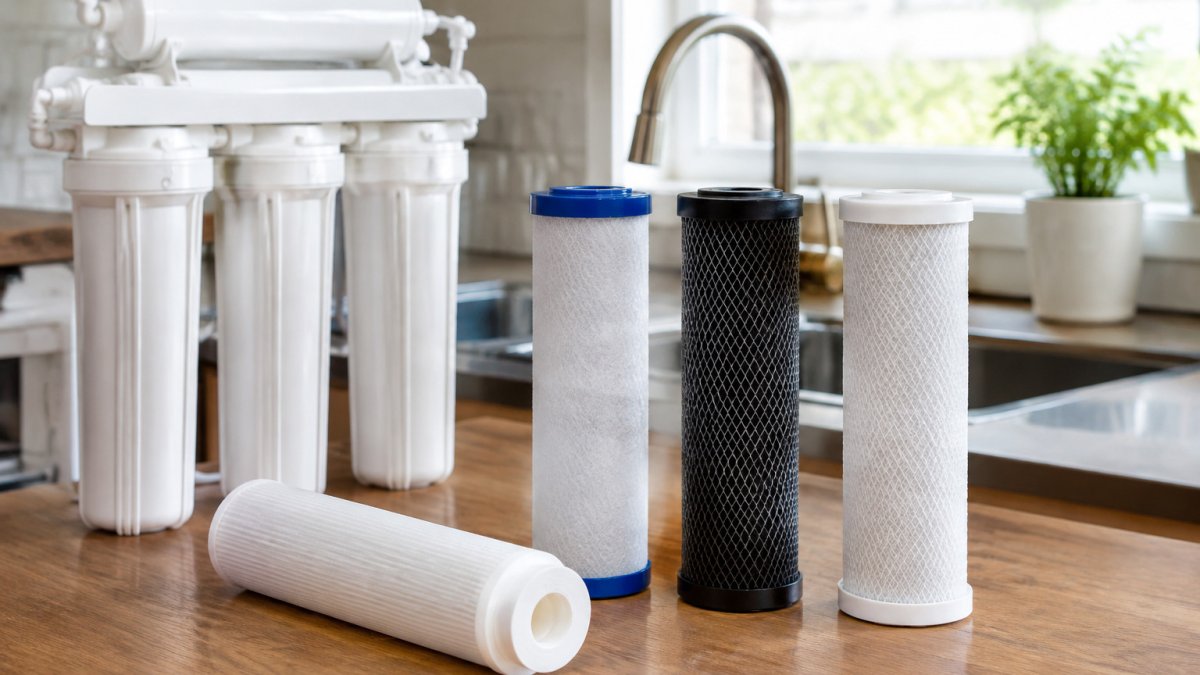
Install or maintain a sediment filter to remove sand and silt before water reaches your pump.
Keep your pressure tank in good condition, a failing tank forces the pump to run constantly.
Monitor water pressure regularly. If it drops, investigate, since low pressure stresses the pump.
Preventive Maintenance Checklist
- Test well water annually for sediment, minerals, and pH
- Replace sediment filter every 6-12 months
- Inspect pressure tank for corrosion or leaks quarterly
Avoid overloading your system: stagger showers, laundry, and irrigation to reduce peak demand.
Well Pressure Tank Lifespan and Its Role
Your pressure tank is just as important as the pump. It stores pressurized water and reduces cycling; a failing tank forces the pump to work constantly, shortening its life.
A typical pressure tank lasts 10 to 15 years, some reaching 20 with good maintenance. Its bladder, the membrane separating air from water, eventually weakens and fails, and the tank can no longer hold its air charge.
How the Tank and Pump Work Together
A pressure tank holds compressed air above a bladder of water. As the pump pushes water in, the air compresses and stores energy; when you open a faucet, that stored pressure delivers water before the pump starts.
When the bladder fails, water and air mix, the air charge escapes, and the tank becomes waterlogged. Every small draw drops pressure fast, the pump kicks on almost immediately, and short cycling begins, the rapid on-off cycling that wears out motors, relays, and switches.
A Measurable Cycling Check
You don't need special tools to spot a tank problem:
- Time the cycles. With no fixtures running, listen for the pump. A healthy system runs for a stretch, then stays off. If the pump starts every minute or two with no water being used, the tank is likely waterlogged or undersized.
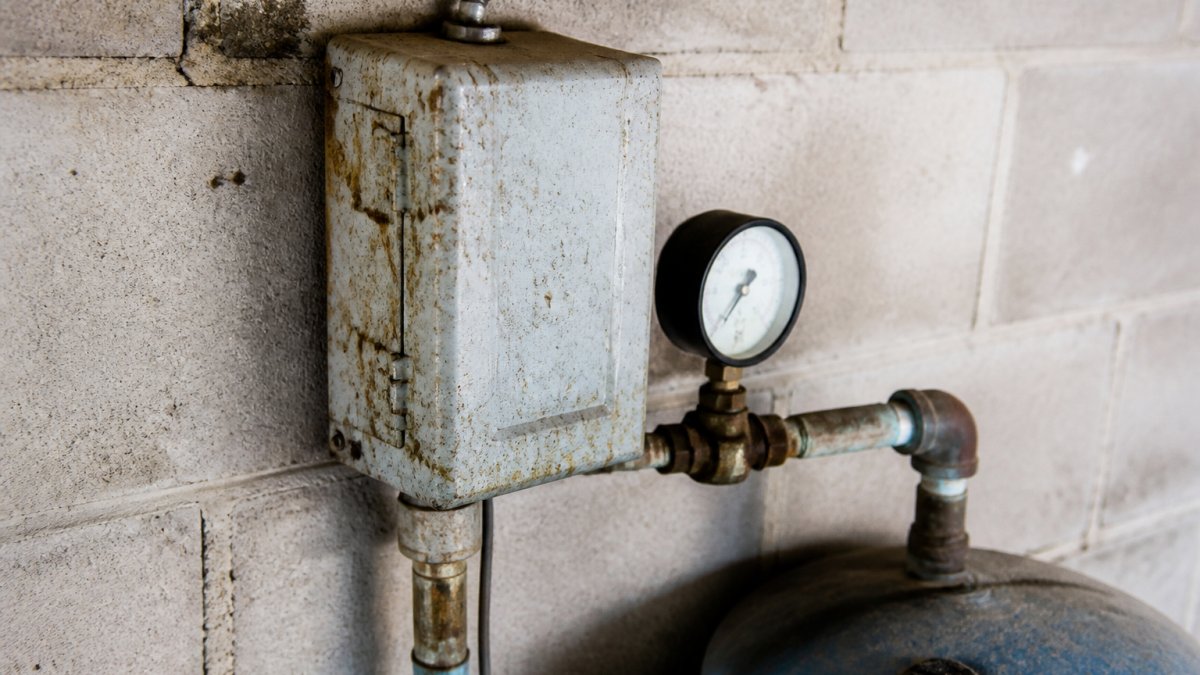
- Watch the pressure gauge. Note the cut-in and cut-out pressures. If the gauge swings wildly or the pump never reaches cut-out, investigate.
- Check for water at the air valve. On most bladder tanks there's a Schrader-style air valve near the top. If water comes out when you press it, the bladder has failed and the tank needs replacement.
Replacing the Tank Protects the Pump
If the tank is failing, replacing it before it fully gives out is one of the cheapest ways to protect an expensive pump. A new tank restores proper drawdown, cuts cycling back to normal, and removes the stress short cycling puts on the motor and switch. Have the tank inspected every two to three years, and replace it when the bladder fails rather than waiting for the pump to fail with it.
A Failed Pump Does Not Mean a Failed Well
Many homeowners get confused here: the pump and the well are two different things with two different lifespans.
- The well is the hole, casing, and water-bearing formation. A properly constructed well can serve a home for decades, often far longer than any single pump.
- The pump is a mechanical device inside that well, and it's the part that wears out on the 8-to-15-year timeline above.
So when a pump fails, it usually means the pump needs replacing, not that the well is finished. The well only becomes a concern if the water level has dropped, the casing is damaged, sediment is entering, or the yield has fallen off, separate problems diagnosed separately.
Repair vs. Replace: Making the Right Decision
When your pump shows signs of failure, you face a choice: repair or replace. The right decision depends on age, repair cost, and failure severity, but before pricing either option, rule out the faults that only look like pump failure. That step separates a $200 fix from a $2,000 mistake.
Rule Out Non-Pump Faults First
A surprising share of "dead pump" calls turn out to be something else. Before anyone pulls the pump, a qualified technician should check, in roughly this order:
- Power at the breaker and disconnect. A tripped breaker, blown fuse, or loose disconnect is the cheapest possible cause and the first thing to verify.
- Pressure switch. The switch tells the pump when to run. Burned contacts, a stuck switch, or a mis-set cut-in/cut-out point will mimic a dead pump. It's an inexpensive part and a common failure point.
- Control box (on three-wire pumps). Three-wire submersibles and many jet pumps use an above-ground control box with a capacitor and relay. A failed capacitor or relay stops the pump without the pump itself being bad.
- Pressure tank and air charge. A waterlogged tank or lost air charge causes short cycling and low pressure that homeowners often blame on the pump.
- Wiring and splices. Damaged wire, a corroded splice, or a bad connection at the wellhead can interrupt power to an otherwise fine submersible pump.
- Water level. If the static water level has dropped below the pump intake, the pump runs dry and overheats. That's a well or setting-depth issue, not necessarily a pump failure.
The Repair-or-Replace Decision
Once you know the actual fault, the decision gets clearer:
- Young pump, minor fault. If the pump is under roughly 8 years old and the problem is a pressure switch, control box component, tank, or wiring, repair is usually the obvious call. You are fixing the system around a healthy pump.
- Older pump, major internal fault. If the pump is 12 to 15 years old and the diagnosis points to the motor, impeller, or internal seals, replacement is often the better value. Repairing an end-of-life pump buys a short window before the next failure.
- Cost ratio. Get a written repair estimate and compare it to a replacement quote.
- Repair history. Two or more repairs in the past three years signals a pump at end of life.
What Replacement Actually Involves
The estimate depends on:
- Pump type and horsepower. A shallow jet pump is a very different job from a deep submersible.
- Well depth and pump setting depth. Deeper settings mean more pipe, wire, and labor to pull and reinstall.
- Whether the drop pipe is rigid or flexible. Flexible poly pipe is faster to pull; rigid galvanized or PVC takes longer.
- Access. A clear wellhead with room for a service rig or hoist is cheaper than a tight or obstructed site.
Because these variables swing the number so widely, get a written quote. Ask the contractor to itemize the pump, labor, and additional parts.
Frequently Asked Questions
What is the average lifespan of a well pressure tank?
A well pressure tank typically lasts 5-10 years, which is shorter than the pump itself. The tank's lifespan depends on water quality, mineral content, and corrosion. Regular inspection of the tank's condition and pressure readings helps identify when replacement is needed. Many homeowners replace the pressure tank before the pump fails, especially if sediment buildup or corrosion is visible.
What are the signs that a well pump is failing?
Common signs include reduced water pressure, intermittent water supply, unusual noises from the pump or pressure tank, and short cycling (the pump running more frequently than normal). You may also notice sand or sediment in your water, or the pump running continuously without building pressure. If you experience any of these symptoms, have a professional inspect your well system before the pump fails completely.
Can a well pump last 30 years?
While rare, a well pump can potentially last 20-25 years or longer with exceptional maintenance and favorable conditions. However, 30 years is uncommon for residential pumps. Most pumps reach the end of their service life between 8-15 years. Factors like low water demand, excellent water quality, and consistent preventive care increase longevity, but electrical components and motor wear eventually require replacement.
How much does it cost to replace a well pump?
Well pump replacement cost depends on pump type, well depth, accessibility, and local labor rates. Contact England's Plumbing & Heating for a professional quote tailored to your system. Factors affecting price include whether the pump is submersible or jet-type, any additional repairs needed to the pressure tank or control box, and the complexity of your well setup. Request an estimate to understand the investment required.