 ultimate-guide
What Is a Thermal Expansion Tank: A Homeowner's Guide
Table of Contents
- What Is a Thermal Expansion Tank and Why It Matters
- How Water Expands When Heated
- How a Thermal Expansion Tank Works
- Do I Need a Water Heater Expansion Tank
- Signs of a Bad Expansion Tank
- Thermal Expansion Tank Lifespan and When to Replace
- Thermal Expansion Tank Replacement Cost and Service Decisions
- Installation, Maintenance, and Testing
- Frequently Asked Questions
Last Updated: October 12, 2026
What Is a Thermal Expansion Tank and Why It Matters
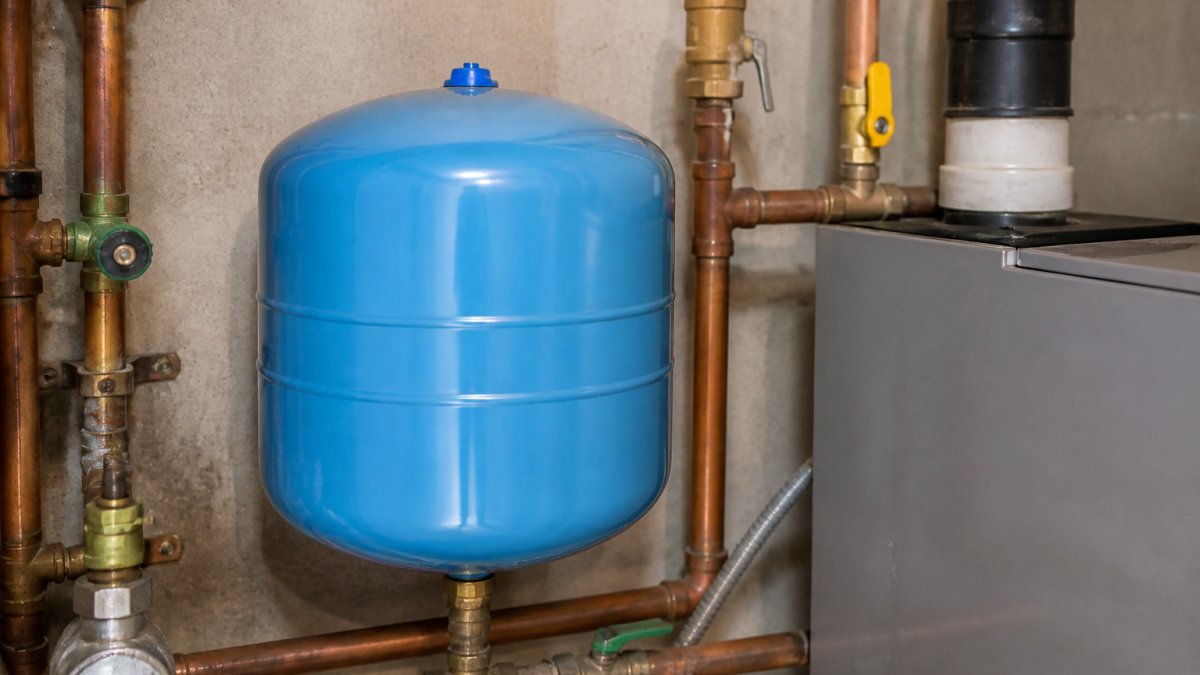
A thermal expansion tank is a small, pressurized vessel that absorbs excess water volume when water inside your water heater expands due to heating. When water is heated, it expands, this is a basic physics principle called thermal expansion. In a closed plumbing system (which most residential homes have), that expanded water has nowhere to go. Without an expansion tank, pressure builds dangerously inside your water heater and pipes, potentially damaging your plumbing system and shortening your water heater's lifespan.
At England's Plumbing & Heating, we've helped Chester County homeowners understand why this small device matters so much for long-term system protection. The expansion tank acts as a safety buffer, keeping pressure within safe operating limits and preventing costly damage down the road.
Most homeowners don't realize they need one until something goes wrong, a leaking relief valve, water damage under the sink, or premature water heater failure. By that point, the system has already been under stress. Understanding how thermal expansion tanks work helps you maintain your home's plumbing system proactively rather than reactively.
How Water Expands When Heated
Water behaves differently than most materials when heated. For example, heating water from 50 degrees to 120 degrees increases its volume by roughly 2 percent, which may sound small until you realize that a 40-gallon water heater contains 40 gallons of water that all needs somewhere to expand into.
In older plumbing systems with a direct connection to the municipal water supply, this wasn't a major issue. The expanded water could flow back into the city's water main, relieving pressure. However, modern plumbing codes in most areas require backflow preventers (also called check valves) to be installed on the cold water inlet line.
In a closed system, the expanded hot water has nowhere to go. Pressure builds inside the water heater tank, the supply lines, and connected fixtures. If pressure exceeds the relief valve's setting, typically 150 pounds per square inch (psi), the relief valve opens and releases water, which is why you might notice water dripping from a valve near your water heater or under the sink.
How a Thermal Expansion Tank Works
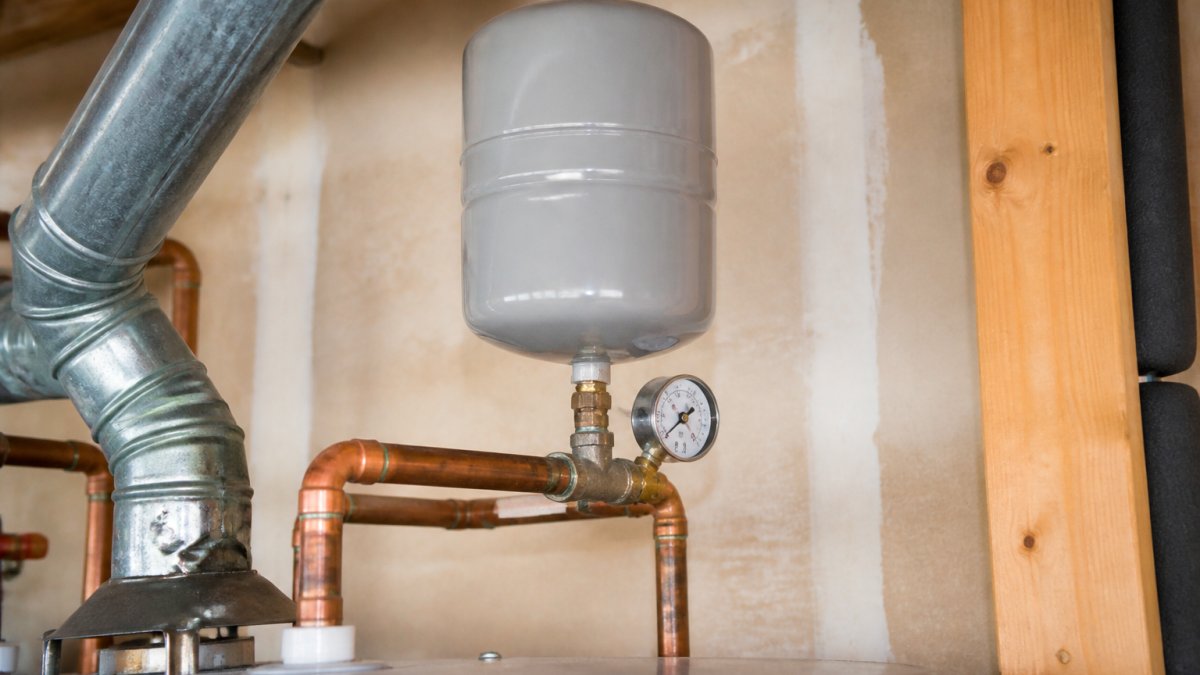
The thermal expansion tank solves this problem by providing a dedicated space for expanded water to enter without raising system pressure excessively. The tank sits on the cold water supply line, usually just before or right after the water heater, and acts as a pressure buffer. When water heats and expands, some of that expanded water flows into the expansion tank instead of building pressure throughout the rest of the plumbing system.
The tank contains two chambers separated by a flexible diaphragm or bladder. One side connects to the plumbing system and receives the expanded water. The other side contains compressed air at a specific pre-charge pressure. As hot water enters, it compresses the air on the opposite side of the diaphragm, absorbing the expansion without allowing overall system pressure to spike dangerously.
The Diaphragm and Bladder Design
Expansion tanks use one of two internal designs: a diaphragm or a bladder. A diaphragm is a flat or slightly curved rubber membrane that divides the tank into two halves. Water enters one side, and when it does, the diaphragm flexes to compress the air on the other side. Diaphragm tanks are durable and simple, but they have a fixed air chamber that cannot be adjusted.
A bladder tank contains a removable, balloon-like rubber bladder inside a metal shell. Water enters the tank and pushes against the bladder, compressing the air trapped inside it. Bladder tanks offer a slight advantage: if the air pre-charge is incorrect, some models allow you to adjust it by adding or releasing air through a valve at the top. This flexibility makes bladder tanks popular for larger installations or situations where precise sizing is critical.
Both designs accomplish the same goal, they absorb thermal expansion and protect your plumbing system from pressure spikes. The choice between them often comes down to tank size, available space, and personal preference.
Pre-Charge Pressure and Tank Sizing
The air side of the expansion tank arrives from the factory pre-charged to a specific pressure, typically 40 psi for most residential water heaters. This pre-charge pressure is critical: it must be slightly lower than your cold water supply pressure (usually 40-80 psi depending on your municipal supply) so that when the system is cold and at rest, the water side of the tank remains empty or nearly empty.
Sizing an expansion tank correctly requires a simple calculation. The volume of water that will expand depends on the water heater capacity and the temperature rise. A rough rule of thumb: a 40-gallon water heater heated from 50 degrees to 120 degrees will expand by about 0.8 gallons. A 50-gallon heater expands by about 1 gallon.
If your tank is undersized, it won't absorb enough expansion and pressure will still spike. If it's oversized, you're wasting money and space. Your plumber can calculate the correct size based on your water heater capacity, incoming water temperature, and desired final temperature.
Do I Need a Water Heater Expansion Tank
Whether you need a thermal expansion tank depends on your plumbing system configuration. If your home has a backflow preventer or check valve on the cold water inlet line, and most modern homes do, you have a closed water system and you should have an expansion tank. Many building codes now require them in new construction and major plumbing renovations.
If your home was built before backflow preventers became standard, and your plumbing is still open to the municipal water supply, you may not strictly need an expansion tank. However, even in those cases, adding one provides extra protection and is considered best practice by most plumbers.
The simplest way to know for sure is to have a professional inspect your system. At England's Plumbing & Heating, we can assess whether your plumbing is closed or open and recommend the right solution for your home. Many homeowners discover they need one only after experiencing a failed relief valve or water damage, preventing that situation is far easier than fixing it.
Signs of a Bad Expansion Tank
An expansion tank can fail in several ways. The most common failure is a ruptured or deteriorated diaphragm or bladder, which allows water to seep into the air chamber. Once water contaminates the air side, the tank loses its ability to absorb expansion and pressure spikes return.
Watch for these warning signs:
- Water dripping from your water heater's pressure-relief valve, especially after you've used hot water
- Banging or hammering noises in your pipes when hot water is running (water hammer, caused by pressure spikes)
- Leaks appearing at pipe joints or connections, particularly under sinks or near the water heater
- Higher than normal water pressure readings on a pressure gauge (above 80 psi when the system is at rest)
- Visible rust or corrosion on the expansion tank itself, suggesting internal deterioration
- A hissing sound when you tap the tank, which may indicate air escaping
If you notice any of these signs, have your system checked promptly. A failing expansion tank puts stress on your entire plumbing system and water heater.
Thermal Expansion Tank Lifespan and When to Replace
Most expansion tanks last 5 to 10 years, though this varies based on water quality, system pressure, and how well the tank is maintained. Tanks in areas with hard water or high mineral content tend to deteriorate faster because mineral buildup can damage the diaphragm or bladder. Tanks exposed to frequent pressure fluctuations also wear out sooner.
You don't need to replace the tank on a fixed schedule. Instead, monitor it for the warning signs listed above. If your tank is more than 10 years old and you're experiencing pressure issues or relief valve leaks, replacement is likely due. If it's newer and showing no signs of problems, it's probably still functioning well.
Replacing an expansion tank is straightforward: the old tank is drained and disconnected from the cold water line, and a new one is installed in its place. The job for a professional, and the tank itself is an affordable component compared to the cost of water damage or a premature water heater replacement.
Thermal Expansion Tank Replacement Cost and Service Decisions
When an expansion tank fails, you're facing a decision: repair the system or replace the tank. In most cases, replacement is the right choice. Expansion tanks cannot be repaired in the field, if the diaphragm or bladder fails, the tank must be replaced.
The cost of a new expansion tank varies depending on size and type. However, the tank itself is only part of the cost; labor to install it, drain the system, and ensure proper pressure settings also factors in. Rather than guessing at pricing, we recommend getting a quote from a qualified plumber who can assess your specific system.
When deciding whether to replace, consider the age of your water heater. If your water heater is nearing the end of its lifespan anyway, replacing both the heater and the expansion tank at the same time often makes financial sense.
This is where professional guidance matters. At England's Plumbing & Heating, we help homeowners evaluate whether a standalone tank replacement or a larger system upgrade makes sense for their situation.
Installation, Maintenance, and Testing
Proper installation of a thermal expansion tank requires a few critical steps. The tank must be installed on the cold water supply line, typically between the main shutoff valve and the water heater inlet.
The cold water inlet pressure should be measured and documented when the system is cold and at rest. This baseline helps determine the correct pre-charge pressure for the expansion tank.
After installation, test the system by turning on hot water and observing the pressure gauge. Pressure should rise gradually as water heats but should not exceed 80 psi in a typical residential system.
Maintenance is minimal. Periodically check the air valve on top of the tank (if accessible) and listen for any hissing sounds that might indicate air leakage.
If you're unsure whether your expansion tank is functioning correctly or if you need one installed, reach out to England's Plumbing & Heating.
A failing thermal expansion tank puts your plumbing system at risk of leaks, water damage, and premature water heater failure. England's Plumbing & Heating has been serving Chester County homeowners since 1989 with expert water heater installation, repair, and system diagnostics.
Frequently Asked Questions
Is a thermal expansion tank necessary for my water heater?
A thermal expansion tank is required by plumbing code in many jurisdictions when your water heater is part of a closed plumbing system with a backflow preventer or check valve. These devices prevent water from flowing backward into the cold water supply line, trapping heated water in the tank. Without an expansion tank, pressure builds dangerously as water heats. If your home has a backflow preventer or pressure-reducing valve, a thermal expansion tank protects your plumbing from excess pressure damage.
How long does a thermal expansion tank last?
Most thermal expansion tanks last 5 to 10 years, though this varies based on water quality, system pressure, and how well the tank is maintained. The diaphragm or bladder inside gradually weakens over time due to water temperature cycling and air pre-charge degradation. Tanks in hard water areas or with poor maintenance may fail sooner. Regular inspection and air pressure checks extend lifespan. Once the diaphragm fails, the tank fills with water and loses its ability to absorb expanded water, requiring replacement.
What are the signs my expansion tank has failed?
A waterlogged tank, one filled with water instead of maintaining an air chamber, is the primary failure sign. You may notice increased pressure-relief valve leaks, higher water pressure readings on your gauge, or banging sounds in the pipes during heating cycles. The tank may feel heavy and full of water when tapped. Pressure spikes that trigger relief valve discharge indicate the tank is no longer accommodating thermal expansion. Professional inspection confirms whether the diaphragm has failed.
Can I install a thermal expansion tank myself?
Installation requires knowledge of plumbing code, proper sizing calculations, pre-charge pressure setup, and safe handling of pressurized components. Incorrect installation can damage your water heater or create safety hazards. Mounting location, connection to the cold water inlet, and air pressure calibration must be precise. Professional installation ensures code compliance, correct sizing for your water heater capacity, and proper pre-pressurization. We recommend professional installation for safety and warranty protection.